





 Portuguese
  English
  Spanish
  3 min of reading
  0 comments


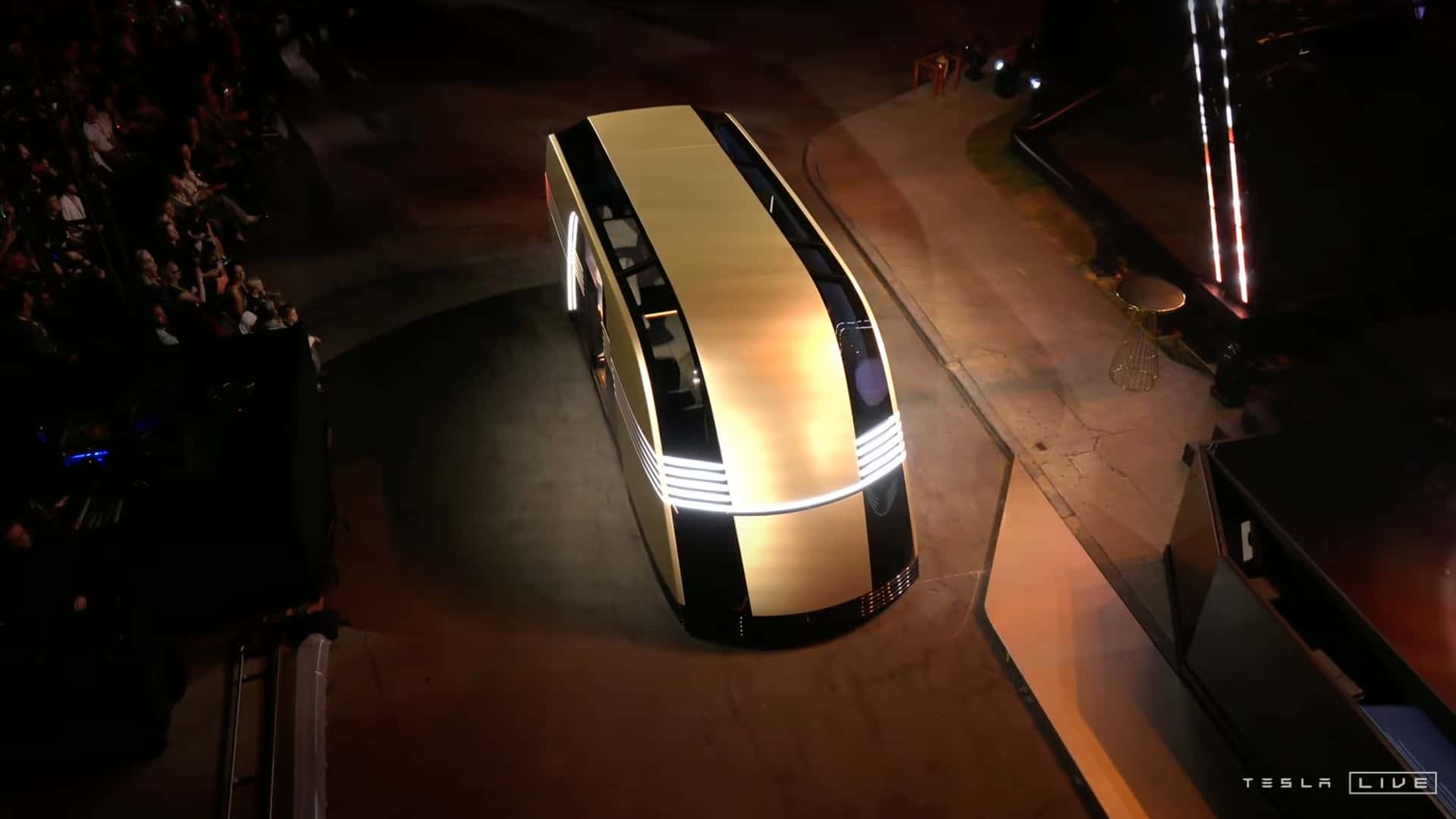
New Tesla Van Announced and Promises to Change the Automotive Industry. Tesla Electric Bus Receives Name Robovan and Could Be Launched in 2026.
Tesla revealed its largest passenger transport vehicle, an autonomous electric bus known as Robovan, which delivers a distinctive futuristic style and promises to change the automotive industry. According to the company’s words, this Tesla electric bus will eventually go into production, but it is unclear when it will hit the streets.
Tesla’s Futuristic Electric Van Does Not Require a Driver
The concept of Tesla’s electric bus was revealed alongside the Cybercab, a small two-seat autonomous robotaxi that is set to launch in the U.S. in 2026, and a more recent version of the humanoid humanoid “Optimus” being developed by Elon Musk’s company.
Both vehicles will be driven by the next iteration of Tesla’s Full Self-Driving software, powered exclusively by cameras, instead of the expensive LiDAR sensors chosen by rival autonomous car manufacturers.
-
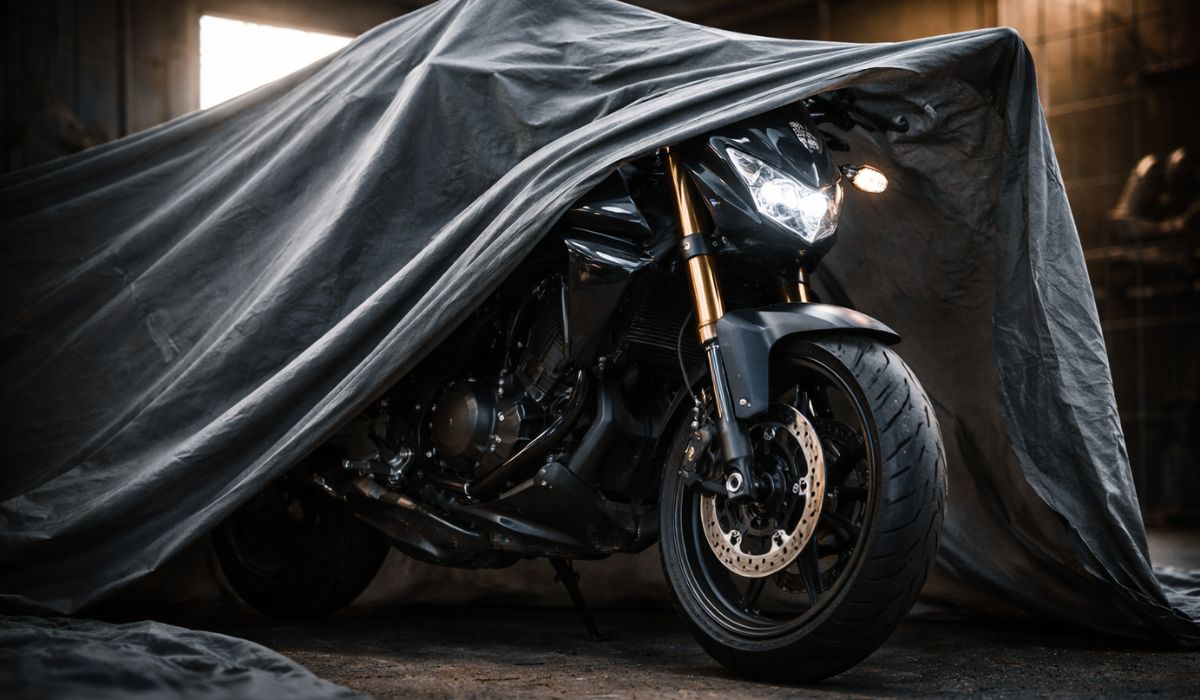
A 250cc motorcycle that can reach 560 km with a 14-liter tank, features disc brakes on both wheels and is among the most well-known in Brazil.
-
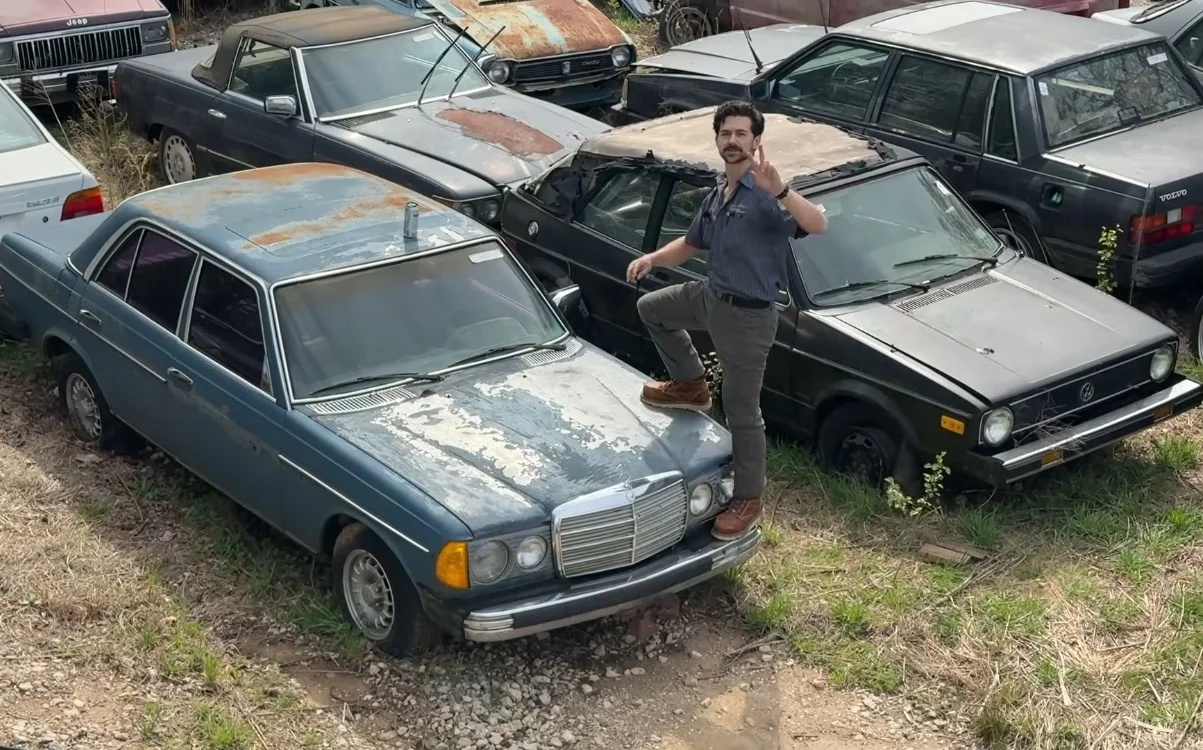
Man finds over 200 rare cars abandoned on a lot and tries to do the impossible in 8 hours with a surprise at the end.
-
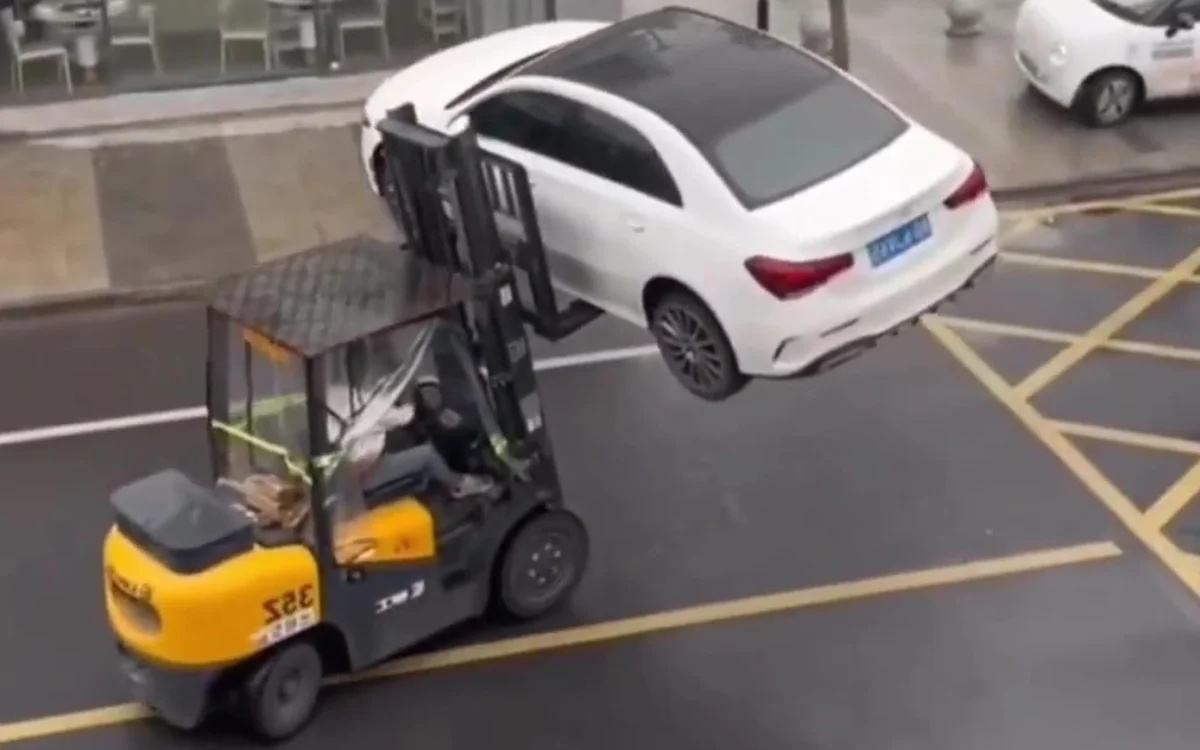
An irregular parking case gains attention after a Mercedes Classe A was removed in such a strange way that it even raised doubts about damage to the car.
-
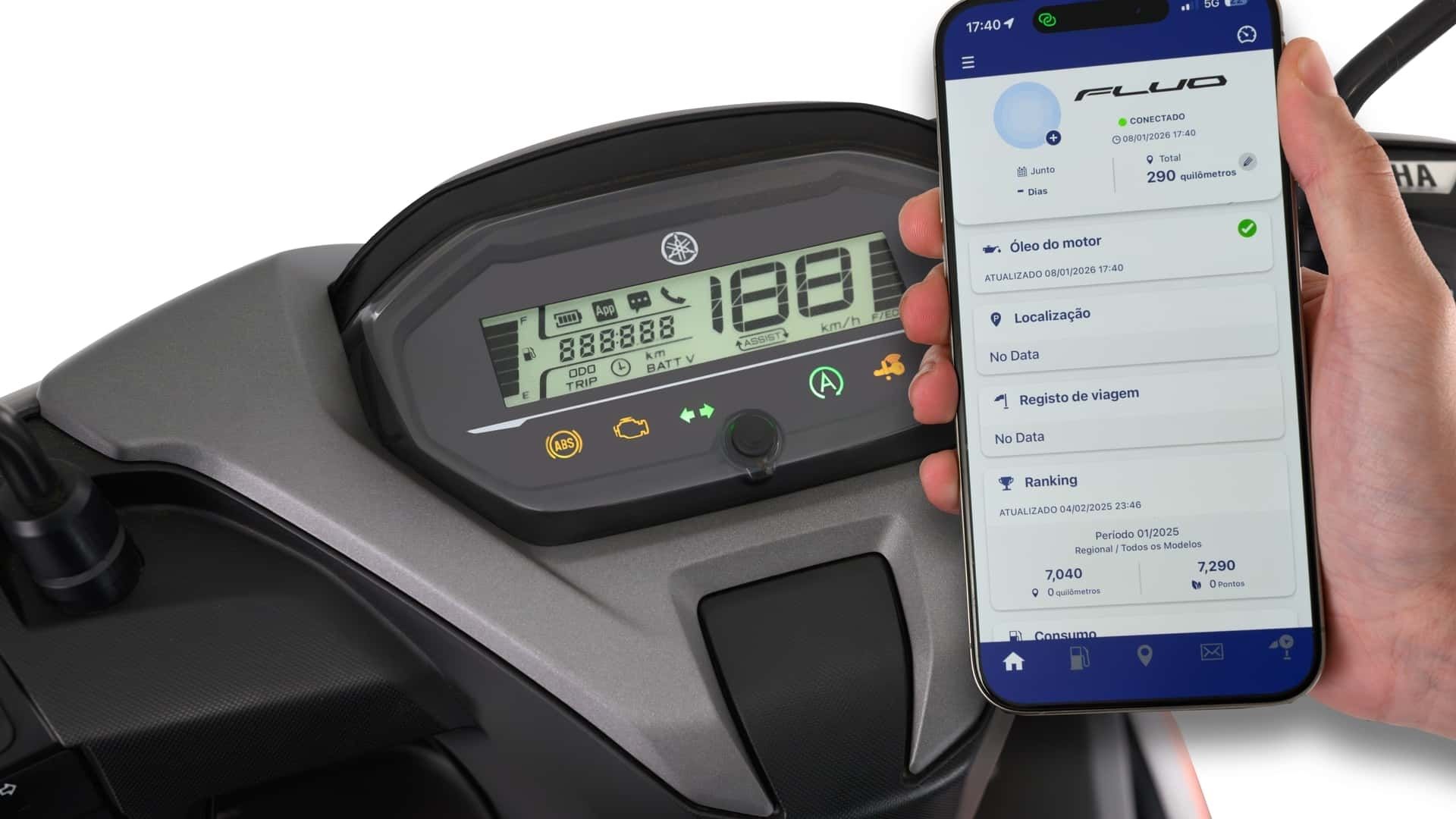
Costing R$ 16,000, the new Yamaha features a 125 cc hybrid engine with electric assistance, delivers 8.3 hp, includes ABS, optimized fuel consumption, Y-Connect connectivity, 25 liters of storage space, and a surprising 4-year warranty in the urban segment.


The current version of what is called “fully autonomous driving” in the automotive industry requires an attentive driver at the wheel, ready to take control of the car at any moment.
Starting in 2025, Tesla’s CEO, Elon Musk, claims that this will no longer be necessary, with the launch of an unsupervised update available first on current Model 3 and Model Y vehicles on the roads of Texas and California, ahead of the planned introduction of the Cybercab in 2026.
A global expansion of Full Self-Driving has been promised; however, as the supervised version of the system is not available outside of North America, it may take many years before unsupervised technology is launched in Australia and Europe.
Tesla Van Has 14 Seats
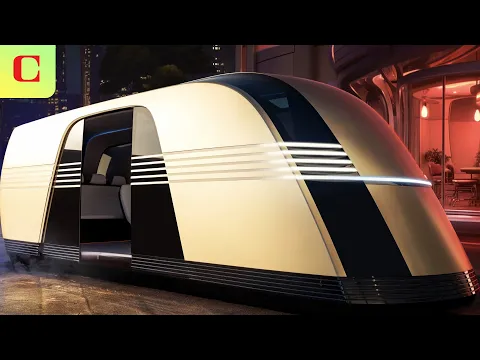
Few technical details about the Robovan for the automotive industry have been announced; however, Musk states that it will have capacity for 20 people, or it can be used to transport goods. Photos released by the company show that the Tesla electric bus features a hyper-futuristic exterior design, with five-strip headlights at the front and rear, no windshield, and a sliding glass side door.
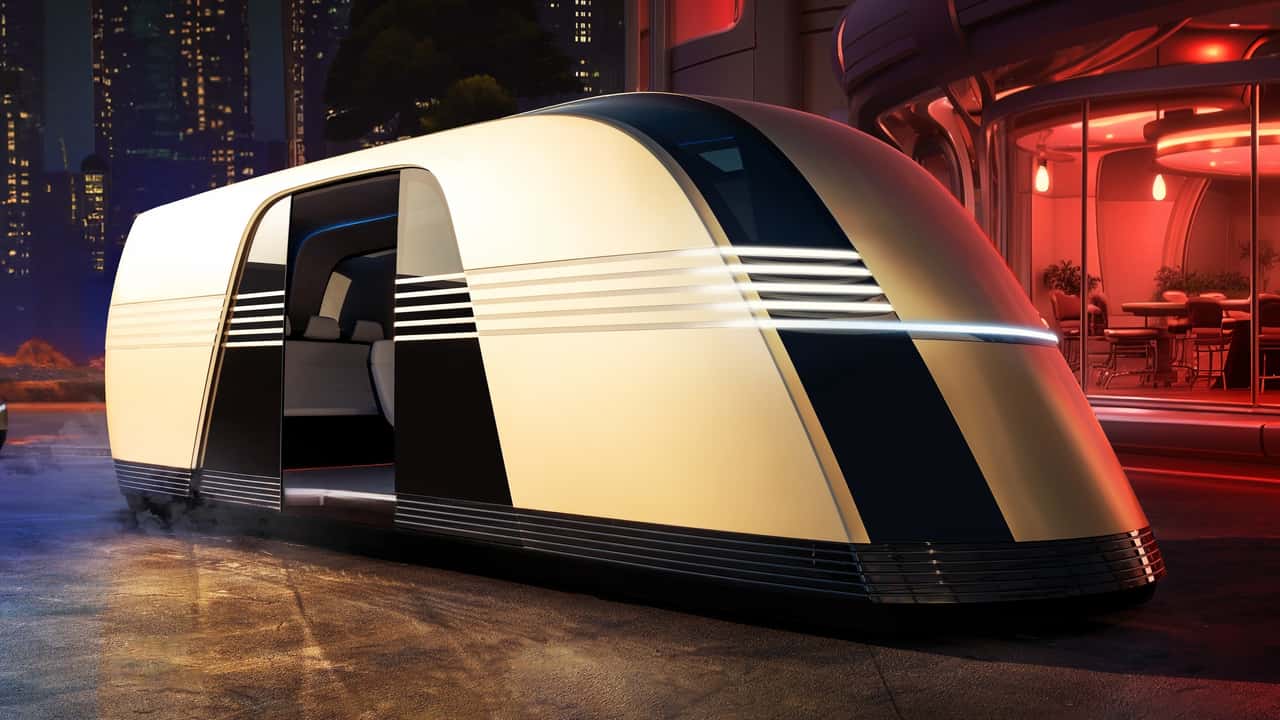
The concept vehicle shown by Tesla in the U.S. recently was a 14-seat vehicle, with four rows of white upholstered seats and screens at both ends of the cabin. According to Musk at the Robovan reveal, the estimate is that the Tesla van would cost five to ten cents per mile (1.6 km) to operate, compared to US$ 1 for a conventional bus.
The announcement of the Tesla van and Cybercab took place at Warner Bros studios in California (U.S.), at an event called “We, Robot,” referencing Isaac Asimov’s classic science fiction work “I, Robot.”
Details Revealed About the Cybercab
In addition to the Tesla electric bus, the Cybercab was also presented, which is expected to begin production in 2026, without pedals, steering wheel, and it will cost around US$ 30,000. The announcement of the model comes after years of inaccurate predictions by Musk. In 2015, the billionaire claimed that a fully automated car would be a reality in the next two years.
A year later, he spoke of a vehicle for 2019 that would be so safe that the user could even sleep during transport. Despite this, as many automakers later discovered, autonomous driving is a complex task.
Although current vehicles already have automation that, in theory, allows the driver to delegate some functions to a computer, the person at the wheel must still be alert and ready to react if the vehicle encounters an unexpected situation. With automated vehicles, Tesla is already undergoing a series of lawsuits related to fatal accidents involving its vehicles.






-

Uma pessoa reagiu a isso.