





 Portuguese
  English
  Spanish
  4 min of reading
  1 comment


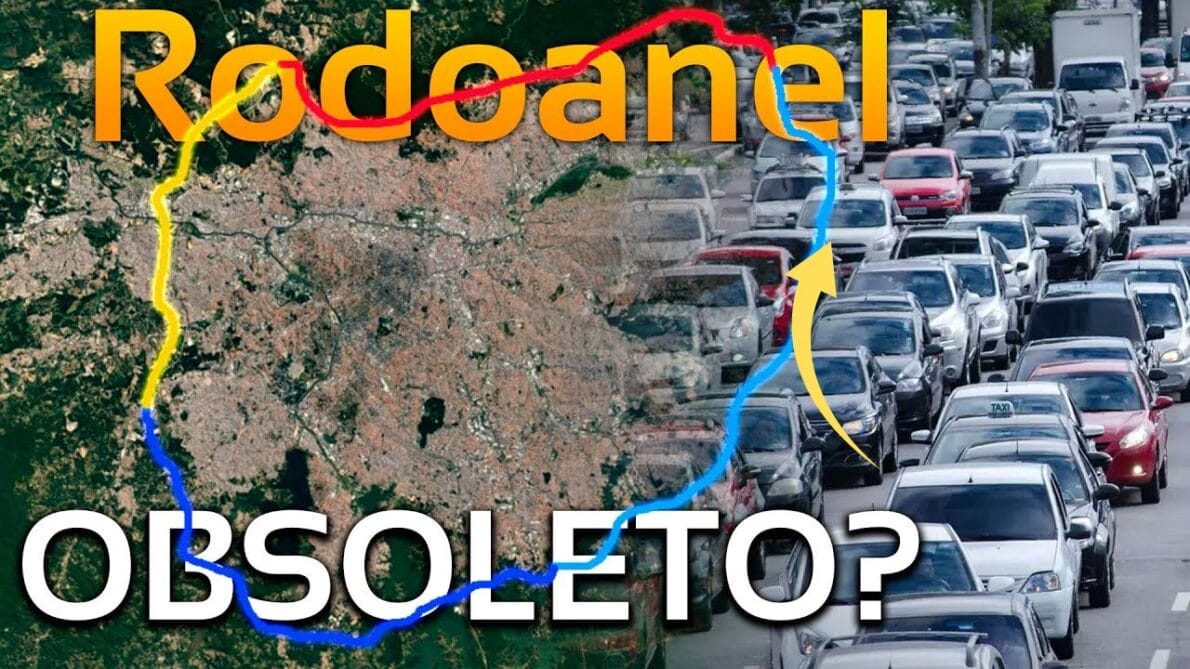

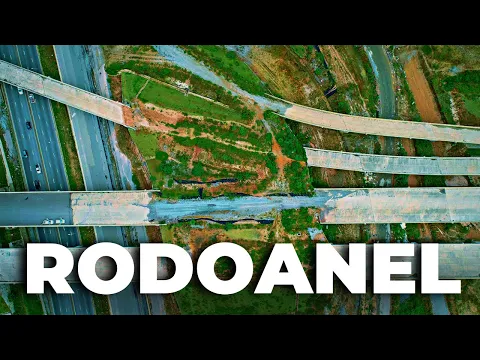
If You Think You Have Seen Chaos, Let Me Introduce You To The Chaos: The Mário Covas Ring Road. The Project That Began With Great Promises To Ease Traffic In The City Of São Paulo Is Now An Epic Example Of Delays, Scandals, And Astronomical Spending. And Yes, It Is Still A Long Way From Being Finished.
Back in 1998, then-governor Mário Covas pompously announced the start of construction on the Mário Covas Ring Road, a grand project that was supposed to solve traffic in the city of São Paulo by diverting the flow of trucks and heavy vehicles from the congested Tietê and Pinheiros margins. The project, with a length of 180 km, was supposed to be completed in 2006. Yes, it was supposed to.
The original idea was for this project to function as a “motorway ring” that would enclose the metropolitan region, making life easier for drivers and reducing the eternal traffic jams. The plan was clear: four sections linking highways, more than 60 overpasses, dozens of tunnels, billions of reais invested. All in 8 years.
But, 24 years later, the project is still not finished, and traffic in the city of São Paulo remains hellish.
-
São Paulo surprises the world with a colossal railway network project that promises over 1,000 km of tracks, R$ 194 billion in investments, and 40 projects connecting the capital to the interior with fast and sustainable trains.
-
The world’s largest escalator, measuring 905 meters in China, reduces urban travel time from 1 hour to about 20 minutes and transforms mobility in mountainous regions with an engineering solution adapted to the terrain.
-
A R$ 300 million logistics giant is taking shape in Serra with over 100,000 m² and raises a question: how can this transform e-commerce and distribution in the state?
-
Could Uber Rides Lose Minimum Fare? Understand What’s Happening!


The Soap Opera Of The Four Sections Of The Mário Covas Ring Road
The first section, the Western, was inaugurated in 2002, with its 32 km. Up to that point, everything was reasonably on track. But, like any good plot, it was in the second chapter, or rather, section, that the drama began. The Southern section, started in 2006, was only completed in 2010, and costs were already well beyond what was expected. The Eastern section, in turn, began in 2011 and was delivered in 2015, accumulating more delays and more millions.
Now, the Northern section is the cherry on top of the mess. With 44 km still under construction, corruption scandals involving construction companies, embezzlement of funds, and an exponential increase in costs – from R$ 9.9 billion to an impressive R$ 26 billion; it has dragged on since 2013. The most recent prediction? 2022. But who believes that?
Corruption And Stone In The Road (Literally)
In 2018, the Federal Police launched “Operation Stone In The Road”, which uncovered an overpricing scheme that involved “unexpected” services for the removal of large rocks (the famous boulders) during construction. Something that, according to investigations, should have been anticipated in the initial project. The result? The suspicion of an embezzlement of R$ 600 million just in the Northern section.
This situation raised an inevitable question: could all this money thrown into the endless works of the Mário Covas Ring Road have been better utilized in other solutions for the traffic in the city of São Paulo?
Is The Ring Road Still The Solution?
In the year 2024, many question whether the Mário Covas Ring Road still makes sense or if it was born obsolete. The construction took so long that, in the meantime, São Paulo needed other interventions, such as new lanes on the margins and avenues to try to ease the flow. These interventions may not have been necessary if the Ring Road had been completed on the original schedule.
The truth is that the focus on road transport seems outdated in a city that urgently needs investments in public transport. Imagine if those R$ 26 billion had been used for metro and train lines? Not to mention that freight transport continues to share space with passengers, further worsening intervals and the efficiency of the CPTM lines.
Is There Light At The End Of The Tunnel?

The traffic in the city of São Paulo seems to be a problem without a solution, but alternatives do exist. An urban toll, for example, could reduce vehicles on the streets by up to 30%, although the average Brazilian would probably tear their hair out just hearing about another fee. Another option would be the massive expansion of bus corridors, tripling their length to genuinely compete with private cars.
But, in the end, the Mário Covas Ring Road is a symbol of an era of great promises and little execution. Today, it represents an outdated management model, centered on road transport, which has sidelined the real needs of a modern metropolis like São Paulo. Now, we can only wait to see if, one day, this work will be completed, and whether it will have any positive impact on the daily chaos of living and driving in the largest city in the country.






Rodoanel opção e prioridade invertida, quanto era necessário dar prioridade ao trafego Metropolitana, trecho mais significativo o norte, apesar de ser previsto o menor volume de trafego, mas a opção mais útil para aliviar as marginais. Desafogar não significa eliminar, esta mais para aliviar, isto o rodoanel fez. A articulista pouco sabe das coisas, ate por que nada sabe das origens dos estudos bem antes da Opção Rodoanel. Também há de se lembrar que não uma única vacina que cure a loucura de nossa ocupação urbana dentro do plano diretor do ****…..