





 Portuguese
  English
  Spanish
 5 min of reading
  13 comments


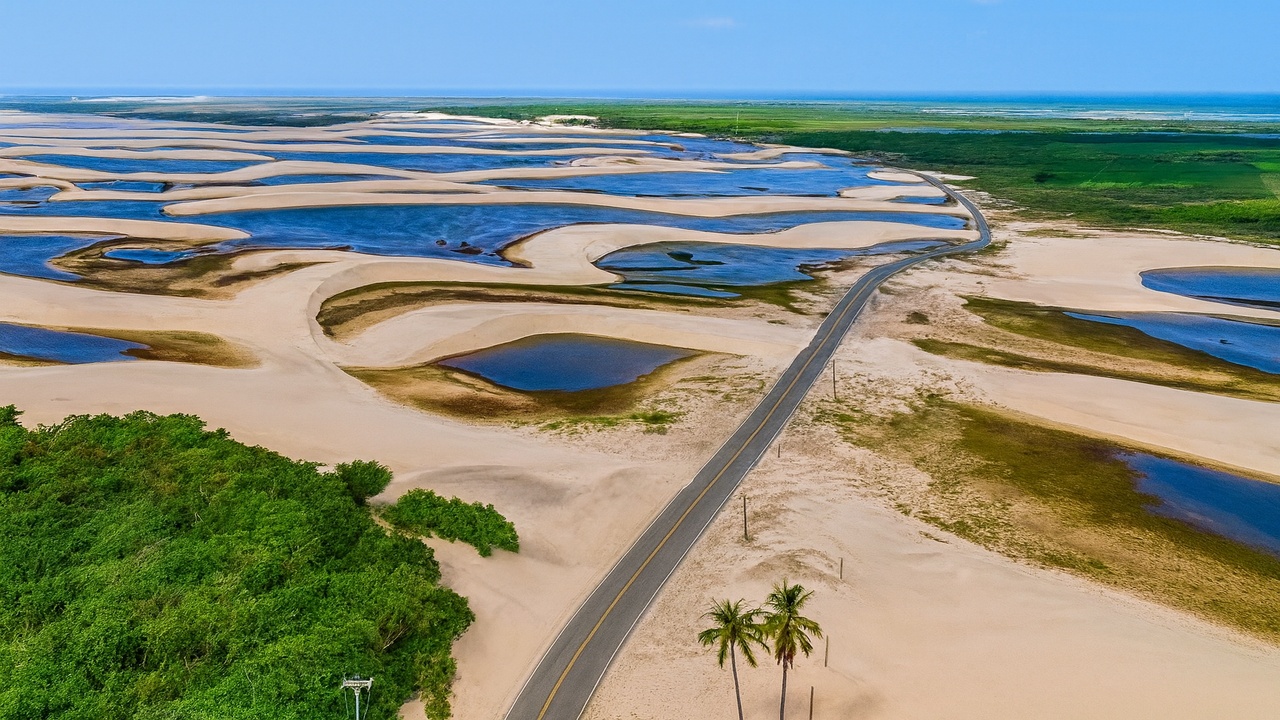


Highway In Maranhão Cuts Mobile Sand Dunes Of Lencóis Maranhenses, Faces Constant Burial And Becomes A Unique Case Of Road Engineering In Tropical Desert.
On the coast of Maranhão, there is a road that challenges traditional road engineering concepts. Different from highways that face mountain ranges, rushing rivers, or unstable slopes, this Brazilian stretch must coexist with an enemy that never stops moving: sand. The MA-402 highway, the main land connection between the capital São Luís and the region of Lencóis Maranhenses, crosses one of the largest areas of mobile dunes in South America and has become an emblematic case of infrastructure built in an almost desert environment — something rare in Brazil.
Dozens of kilometers are exposed to the continuous action of the trade winds, which push masses of sand over the roadway, burying entire lanes, shoulders, and drainage devices. The road does not cut through a conventional desert but rather a dynamic tropical desert, where dunes can move several meters per year, requiring constant human intervention to keep the road operational.
Where The Road Is And Why The Environment Is So Hostile
The MA-402 connects strategic municipalities such as Barreirinhas, Santo Amaro, and Primeira Cruz, functioning as a logistical axis for Maranhão’s main tourist hub. It borders and, in some sections, directly crosses areas influenced by the dune system of Lencóis Maranhenses, a national park with over 155 thousand hectares of dunes, seasonal lagoons, and sandy plains.
-
The Argentine government celebrates the lowest poverty rate in 7 years, but experts warn that the methodology has changed, real wages have fallen, unemployment has risen, and the number of people on the streets of Buenos Aires has increased by 57% since Milei took office.

-
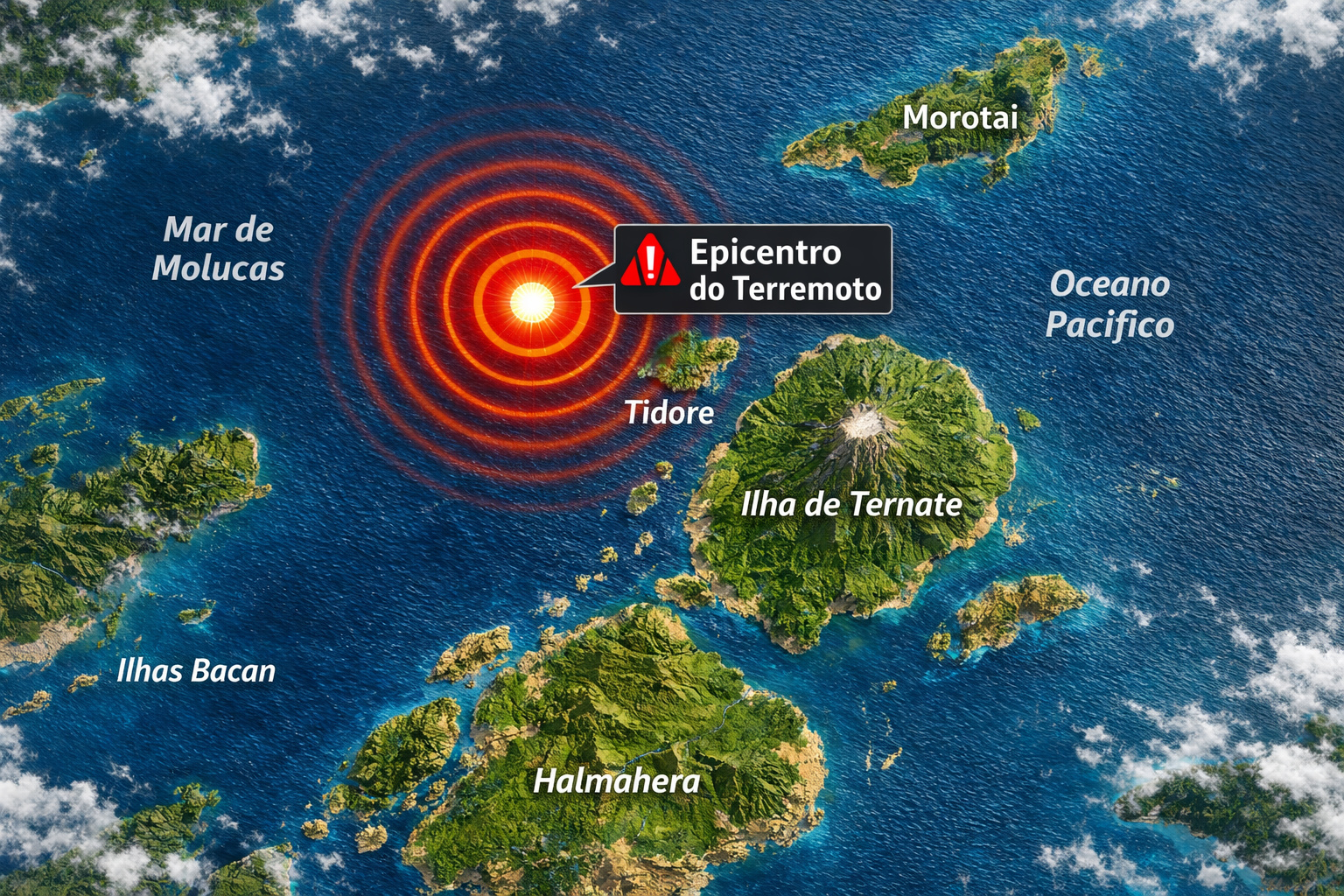
7.8 magnitude earthquake in Indonesia frightens the population, triggers tsunami alert, and hits an island with over 200,000 inhabitants this Thursday.
-
Google will finally let you change that embarrassing Gmail address you created in your teenage years without losing any accounts, logins, or old emails: the feature is already available in the United States.

-
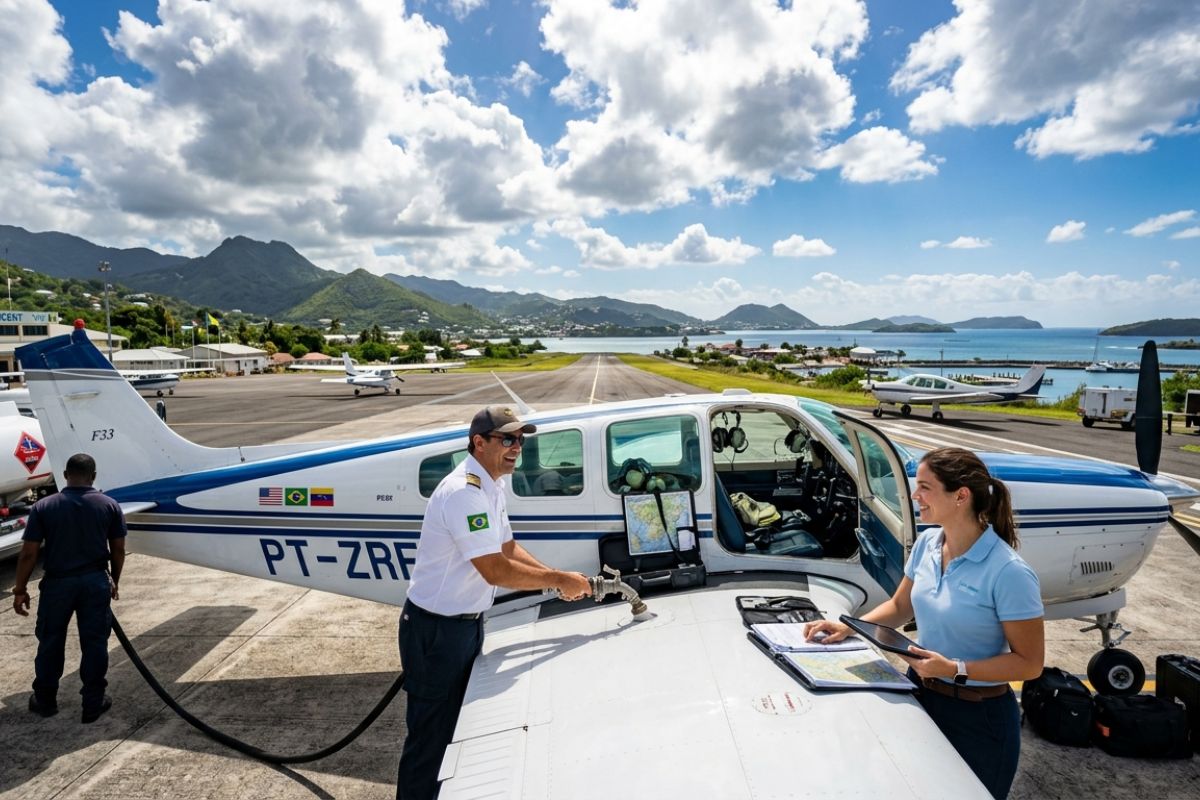
Heading to Brazil in a Bonanza F33 single-engine aircraft: a couple departs from Florida on a visual flight, makes technical stops in the Caribbean to refuel and organize paperwork, and begins the staged crossing until they reach the country.

The problem is that these dunes are not fixed. Unlike dunes stabilized by vegetation, the dunes in the region shift propelled by the constant wind blowing from the ocean to the mainland. This causes the sand to advance over the roadway, especially during the drier periods of the year when humidity decreases and the mobility of the grains increases.
A Highway That Needs To Be “Dug Out” Frequently
Throughout the year, sections of the MA-402 need to undergo periodic sand removal, using heavy machinery to clear the roadway. This is not a one-time effort, but a recurring process. In some spots, the sand can completely cover a lane within a few days, depending on the intensity of the winds.


This dynamic transforms the maintenance of the road into a permanent challenge. Unlike conventional highways, where conservation focuses on pavement, drainage, and signage, here the main effort is to prevent the road from disappearing beneath the dunes.
Why Not Divert The Road From The Dunes?
A common question is why the highway was not simply diverted away from the dunes. The answer involves geography, environment, and logistics. The region is surrounded by floodplains, mangroves, and environmental protection zones, which limits routing options. Moreover, the road is vital for tourism and for supplying local cities.
Any significant diversion would require new expropriations, relevant environmental impacts, and high costs. Thus, the adopted solution was to coexist with the hostile environment, adjusting engineering to the local reality.
Engineering Solutions Used To Handle The Sand
Over the years, different strategies have been tested. Among them are the reinforcement of the roadbed, adjustments to the geometry of the route, and the creation of natural barriers at some points, using vegetation adapted to reduce wind speed close to the ground. However, no solution is definitive.
The dynamics of the dunes are stronger than any fixed structure. Therefore, the highway operates in a regime of adaptive engineering, where constant monitoring is as important as the asphalt.
Direct Impact On Tourism And The Local Economy
The MA-402 is not just a road. It is the main gateway to one of the most visited tourist destinations in Brazil. Any road closure or traffic difficulties directly affect hotels, inns, tour operators, commerce, and local services.

During periods of greater burial, the speed reduction and cleaning operations increase travel time, elevate logistical costs, and require additional planning for those dependent on the highway. Still, without it, land access to Lencóis Maranhenses would be extremely limited.
A Road That Cannot Be Treated Like A Regular Highway
From a technical standpoint, the MA-402 is a clear example that infrastructure needs to respect the environment where it is located. It is not about “correcting” nature, but about operating within its limits. The road does not conquer the dunes; it negotiates with them daily.
This type of highway demands more than traditional engineering. It requires climate, geological, and environmental knowledge, as well as continuous management. That is why it has become an academic and technical reference when it comes to building and maintaining roads in areas with mobile dunes.
Comparison With Other Extreme Scenarios In Brazil
Although Brazil is not known for classic deserts, the MA-402 shows that the country hosts environments as challenging as those found in arid regions of the world. While other highways face landslides, floods, or fog, this road confronts a problem that is rare in the national territory: the constant advance of the very ground over the roadway.
Few Brazilian highways require such frequent interventions just to continue physically existing.
A Showcase Of Road Engineering In An Extreme Environment
The road that cuts through Lencóis Maranhenses does not impress with giant viaducts or deep tunnels, but with something more subtle and equally complex: the ability to operate in an environment where nothing is static. Each paved kilometer there is a temporary victory over a natural system in continuous motion.
That is why the MA-402 has become a singular case in Brazil. A highway that not only connects cities but also demonstrates how engineering needs to adapt when nature decides not to stay put.










Em 2024 redei por essa estrada, rumo à Barreirinha, linda
Não conheço a estrada, mas poderiam ser construídas estruturas em forma de túneis em pontos mais críticos, assim a natureza teria de volta seu território, em outros poderiam ser criadas barreiras naturais com vegetação, em outros barreiras artificiais em forma de arco de modo que a areia fosse levada pelo vento para o outro lado da rodovia, evitando assim o depósito na faixa de domínio. Em fim, todas as soluções dependem de estudos de custo/benefício.
O próprio governo bagunçado as regras.. um paraíso. Um parque ambiental, santuário