





 Portuguese
  English
  Spanish
  5 min of reading
  0 comments


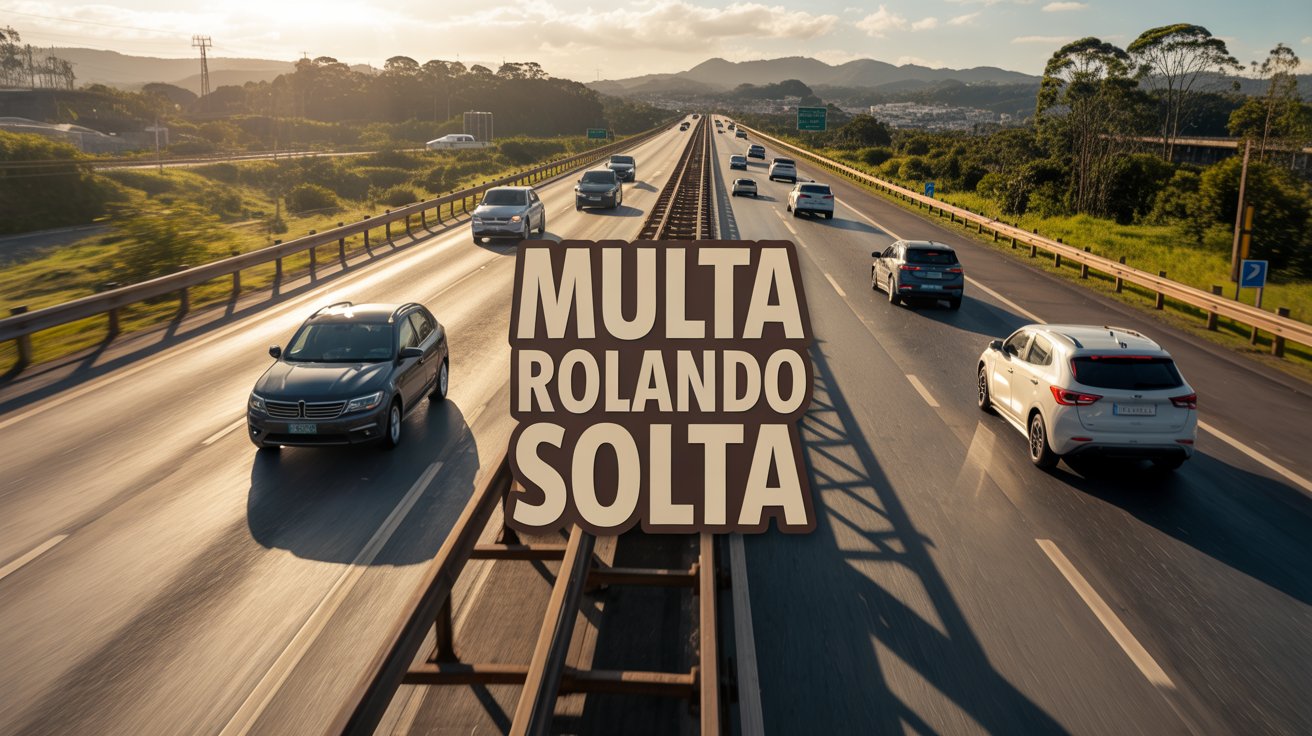
Section of Padre Manuel da Nóbrega Generates Doubts Among Drivers Due to Rapid Changes in Speed Limit and Constant Enforcement, Raising Questions About Clarity of Signage and Road Safety.
Drivers traveling along the Padre Manuel da Nóbrega Highway (SP-055), in the section between the neighborhoods of Cibratel and Gaivota, in Itanhaém, on the south coast of São Paulo, report confusion with speed signage and claim to be surprised by fines issued just a few meters apart from one sign to another.
Throughout the stretch, the predominant speed limit is 80 km/h, but at certain points, the speed suddenly drops to 60 km/h and then goes back to 80 km/h shortly after.
The combination of rapid changes, signs considered unclear, and enforcement with mobile radar leads drivers to refer to the location as a sort of “speed trap”.
-
Mercado Livre “opens the vault” and announces a record investment of R$ 57 billion in Brazil in 2026, a value 50% higher than the previous year, with an expansion plan that includes 14 new logistics centers, totaling 42 units in the country and hiring an additional 10,000 employees.

-
How investment in technology can revolutionize the national economy and enhance industrial gains, according to a study that highlights the direct impact on productivity, innovation, and wealth retention within Brazil.

-
The largest food company on the planet, JBS, has just opened a 4,000 square meter laboratory in Florianópolis to develop customized proteins that modulate muscle mass gain, immune response, and metabolic performance.

-
After nearly 30 bids and competition among industry giants, a Spanish company purchases one of the largest airports in Brazil for almost R$ 3 billion and takes over the management of Galeão in a concession that will last until 2039.


Rapid Changes in Speed Limit Between Cibratel and Gaivota
Those who frequently pass through Padre Manuel da Nóbrega in this stretch describe a repeated pattern: signs indicating 80 km/h, followed by a reduction to 60 km/h over a short stretch of road, and a return to 80 km/h just a few meters later.
According to reports, this short interval between the signs requires constant attention from the driver to avoid exceeding the point limit of 60 km/h.
Many drivers claim that while attempting to keep up with the flow of the highway, they end up caught by mobile radars positioned precisely in these reduction segments.

On social media, residents of Itanhaém and nearby cities post photos, videos, and accounts about the stretch, criticizing both the frequency of the changes and the way the signage is installed.
The common perception is that the information is not intuitive and therefore surprises those who are not very familiar with the highway.
Reports of Drivers Caught Unexpectedly
The self-employed Matheus Santos says he only realized the reduction to 60 km/h after receiving a ticket at home.
“I only found out that it went down to 60 because a fine showed up at home. I always drive within the limit, but the section is poorly signposted.”
Public servant Erica Silva reports that she doubles her attention whenever she passes the point where the speed changes in quick succession.
“I stay very alert when I pass through there. You have to keep an eye on the signs all the time to keep up with the speed limit changes.”
For civil construction worker José Valentim, the problem lies not just in the variation of speed but in the combination of signage and enforcement.
“The signage is ineffective, and they put the officer right where we get confused.”
The reports converge on the same assessment: the signs exist, but the design of the stretch and the way the limits alternate make it difficult to read, especially during peak hours or in reduced visibility conditions.
Highway Under Management of Concessionária Novo Litoral
The Padre Manuel da Nóbrega Highway is one of the main road axes of the São Paulo coast, connecting cities in Baixada Santista, such as Praia Grande, Mongaguá, Itanhaém, and Peruíbe, to municipalities in the Vale do Ribeira and the Régis Bittencourt Highway.

Since November 2024, the stretch is part of the Lote Litoral Paulista, under the responsibility of Concessionária Novo Litoral (CNL), which manages 212 km of highways in the regions of Alto Tietê, Baixada Santista, and Vale do Ribeira, with plans for billion-dollar investments in modernization and road safety projects over a 30-year contract.
When questioned about the criticisms regarding the stretch between Cibratel and Gaivota, the concessionaire claims it has been executing a program of maintenance and improvements since the start of operations and develops continuous services for users, such as towing, mechanical support, and medical assistance, as well as traffic monitoring activities.
According to the company, more than R$ 280 million has already been invested in road maintenance, and teams recorded 21,203 assists across the highways under its responsibility, including removals, mechanical assistance, animal rescues on the road, and medical incidents.
These figures, according to the concessionaire, reflect the effort to structure the assistance throughout the Lote Litoral network.
Technical Criteria for Defining Speed Limits
In a statement, Concessionária Novo Litoral (CNL) claims that the speed configuration on the highway follows technical criteria defined in specific studies for each segment.
“The speed determination follows a rigorous technical study that considers curve radii, superelevation, road incline, visibility, urban area, and geographical density. The speed for each segment is established based on these factors. There has been no change in the speed limit for this stretch.”
The concessionaire also asserts that since taking over the management of the highway, it has not altered the speed limits between Cibratel and Gaivota.
According to CNL, the current signage reproduces previous parameters, deemed adequate to the safety standards established by state regulatory agencies.
Debate on Signage and Enforcement on Padre Manuel da Nóbrega

Traffic experts often emphasize that signage should be clear, legible, and positioned to allow drivers to adjust their driving safely.
The Brazilian Traffic Code states that the responsibility for implementing and maintaining signage lies with the body or entity with jurisdiction over the road and establishes that no sanctions should be applied when signage is insufficient or incorrect.
In the case of Padre Manuel da Nóbrega in Itanhaém, user reports do not indicate a total absence of signs, but rather the perception that the rapid succession of speed limit changes, associated with enforcement by mobile radars, makes compliance with the rules more difficult and increases the feeling of injustice in fines.
Meanwhile, residents continue to use social media to share experiences, alert other drivers about the stretch, and question the logic of reducing speed over a short distance and then raising it back to 80 km/h.
There are also calls for the public authorities and the concessionaire to reassess the design of the signage, seeking greater predictability for those who travel daily on the highway or are passing through the coast.









-

-

-

4 pessoas reagiram a isso.