





 Portuguese
  English
  Spanish
  3 min of reading
  0 comments



With Over 6 Million Kilometers Traveled, This Megaproject of the US Road Network Is Currently the Longest in the World
The United States Highway System is massive, with over 6 million kilometers, representing 14% of the world’s roads. Within this megaproject, the Cat Freeway in Texas stands out with its 26 lanes. The journey to build this network began in the early 20th century and continues to this day, with constant expansions and renewals.
Since 1918, the number of cars in the United States has grown dramatically. At that time, only one family in every 13 owned a vehicle. Within ten years, that number jumped to four out of five families. This explosion in car usage was fueled by advancements in productivity, with Henry Ford and his Model T making the automobile accessible and reliable.
Megaproject to Create a System of Interstate Highways


To accommodate this growth, the country adopted its first numbered highway system in 1926. However, each state financed and maintained its own roads, without national design, signage, or safety standards. This began to change under Aidan Howard’s administration, which in 1953 embarked on the megaproject to create a system of interstate highways. In 1956, the Federal Highway Act was passed, establishing a network of controlled-access roads with standardized signage on a national scale.
-
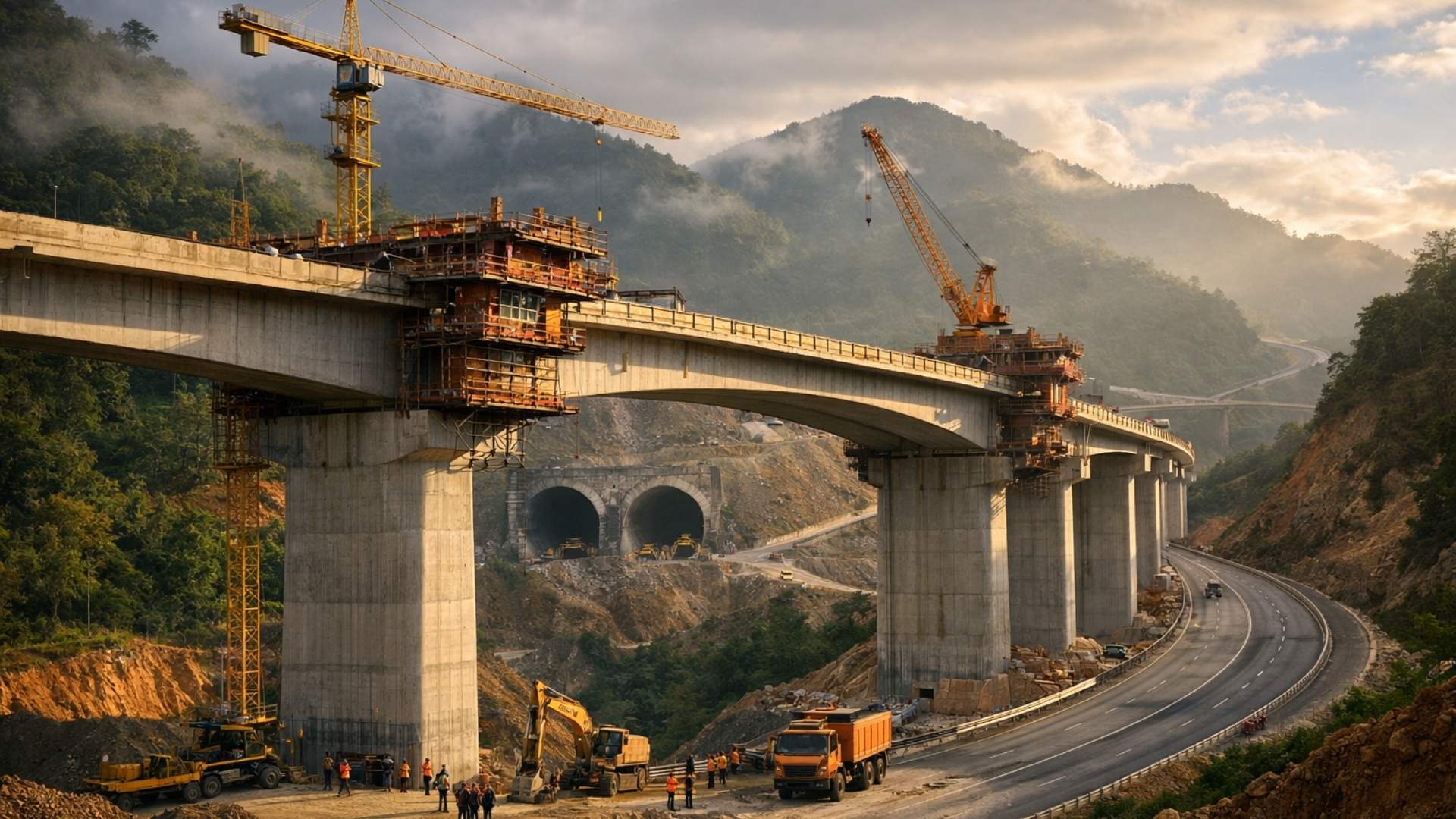
The government puts R$ 8.6 billion on the table to change the highway (BR) with 50 overpasses, 28 bridges, 4 tunnels, and 40 km of bike lanes in 180 km of historic duplication.
-
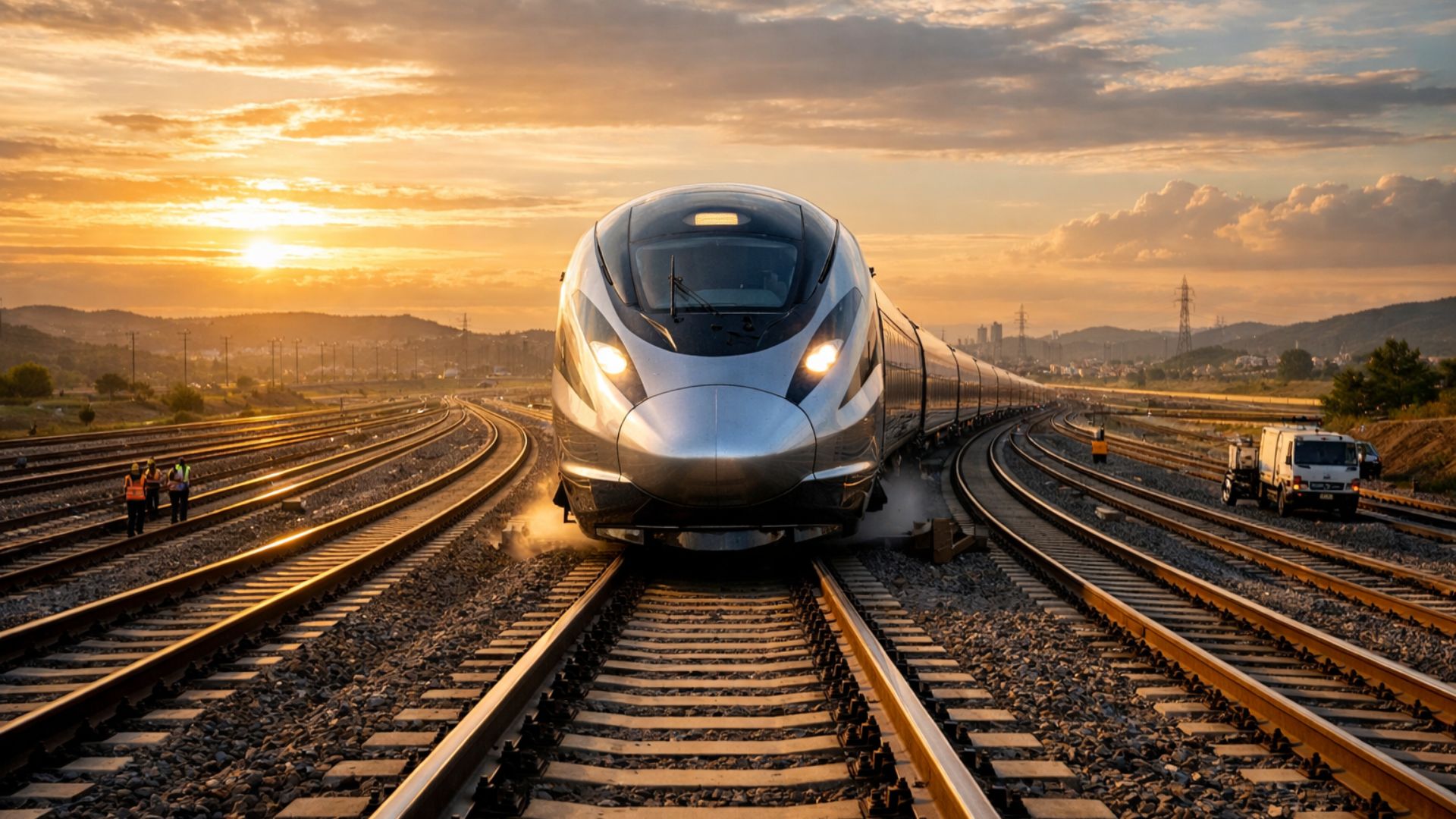
São Paulo surprises the world with a colossal railway network project that promises over 1,000 km of tracks, R$ 194 billion in investments, and 40 projects connecting the capital to the interior with fast and sustainable trains.
-
The world’s largest escalator, measuring 905 meters in China, reduces urban travel time from 1 hour to about 20 minutes and transforms mobility in mountainous regions with an engineering solution adapted to the terrain.

-
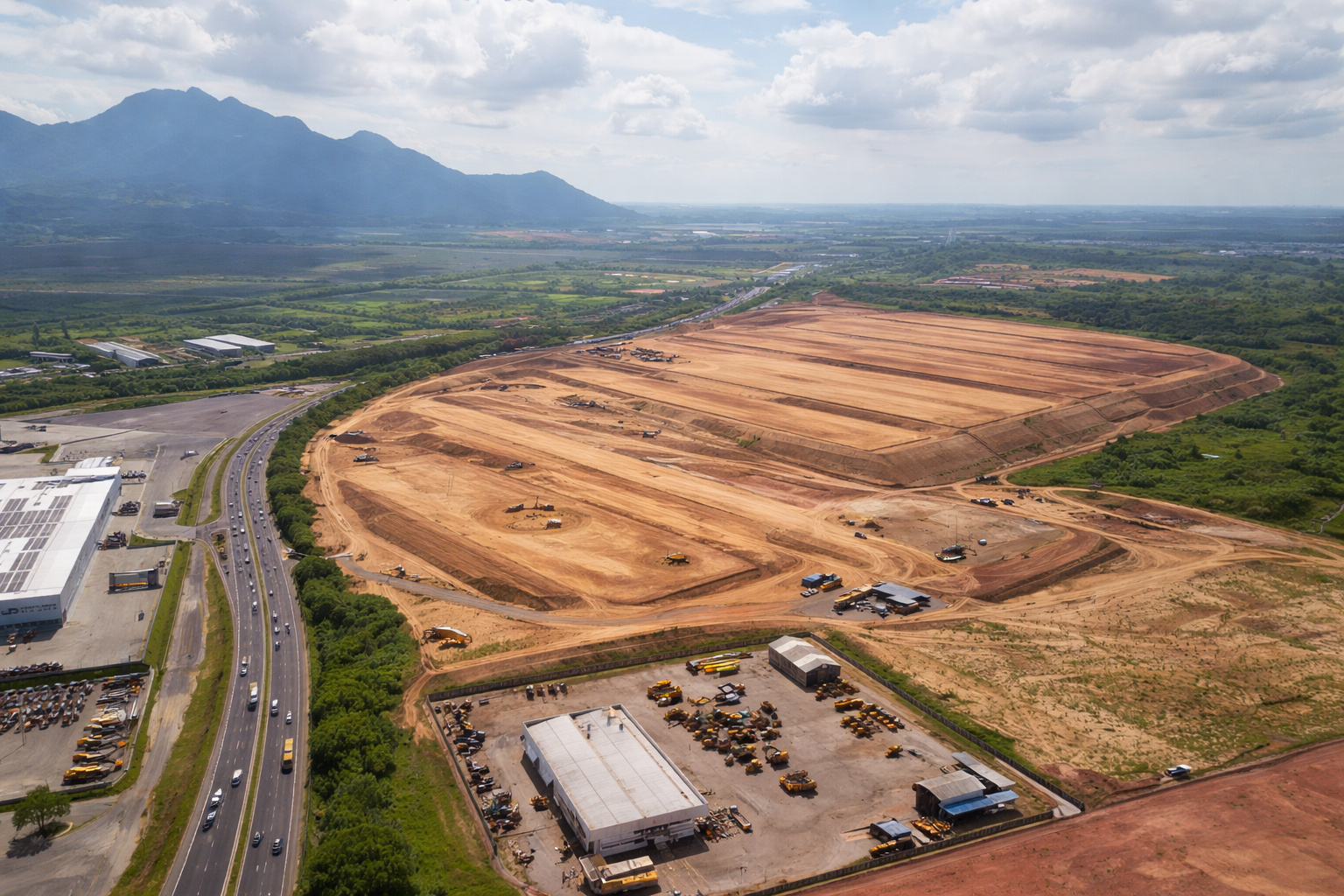
A R$ 300 million logistics giant is taking shape in Serra with over 100,000 m² and raises a question: how can this transform e-commerce and distribution in the state?

The initial cost was estimated at $114 billion, and when completed in 1992, costs exceeded $535 billion, adjusted for inflation. In 2022, the federal government spent $52 billion maintaining this megaproject, with projections that by 2033, $61 billion annually will be needed to maintain road quality.
Highway Trust Fund
The largest part of this funding comes from the Highway Trust Fund, which is fed by tolls and fuel taxes. In 2022, the fund raised $48 billion, of which $42 billion was allocated to highways. However, revenues have been insufficient to cover expenditures, and the fund is projected to deplete by 2028, creating a deficit of $241 billion between 2024 and 2033.
Despite the high costs, the economic return from highways is significant. A study by the American Road and Transportation Builders Association shows that every dollar invested generates a return of $5. The United States Highway System has allowed for the efficient distribution of products, reduction in delivery times, and business growth, with notable examples like McDonald’s, which rapidly expanded along new highways.
In Chicago, Drivers Lost 155 Hours in Traffic Jams in 2022
This network has also transformed American cities, promoting urban decentralization. Highways facilitated the migration of homes and businesses away from urban centers, creating suburban areas. However, this has brought problems such as congestion. In Chicago, drivers lost 155 hours in traffic jams in 2022.
To address these challenges, the 2022 bipartisan infrastructure bill allocated over $550 billion for alternative transportation projects. One major project is the Gateway, which aims to improve the rail line between New Jersey and New York, with an initial subsidy of $292 million and an estimated total cost of $16 billion.
Despite the importance of railroads and aviation, the car remains the most used mode of transportation in the United States. The extensive United States Highway System, part of the world’s most expensive megaproject, still has much to offer and surprise.










Seja o primeiro a reagir!