





 English
  Francês
  Alemão
  Italiano
  Japonês
  Norueguês
  Portuguese
  Spanish
  3 min of reading
  0 comments


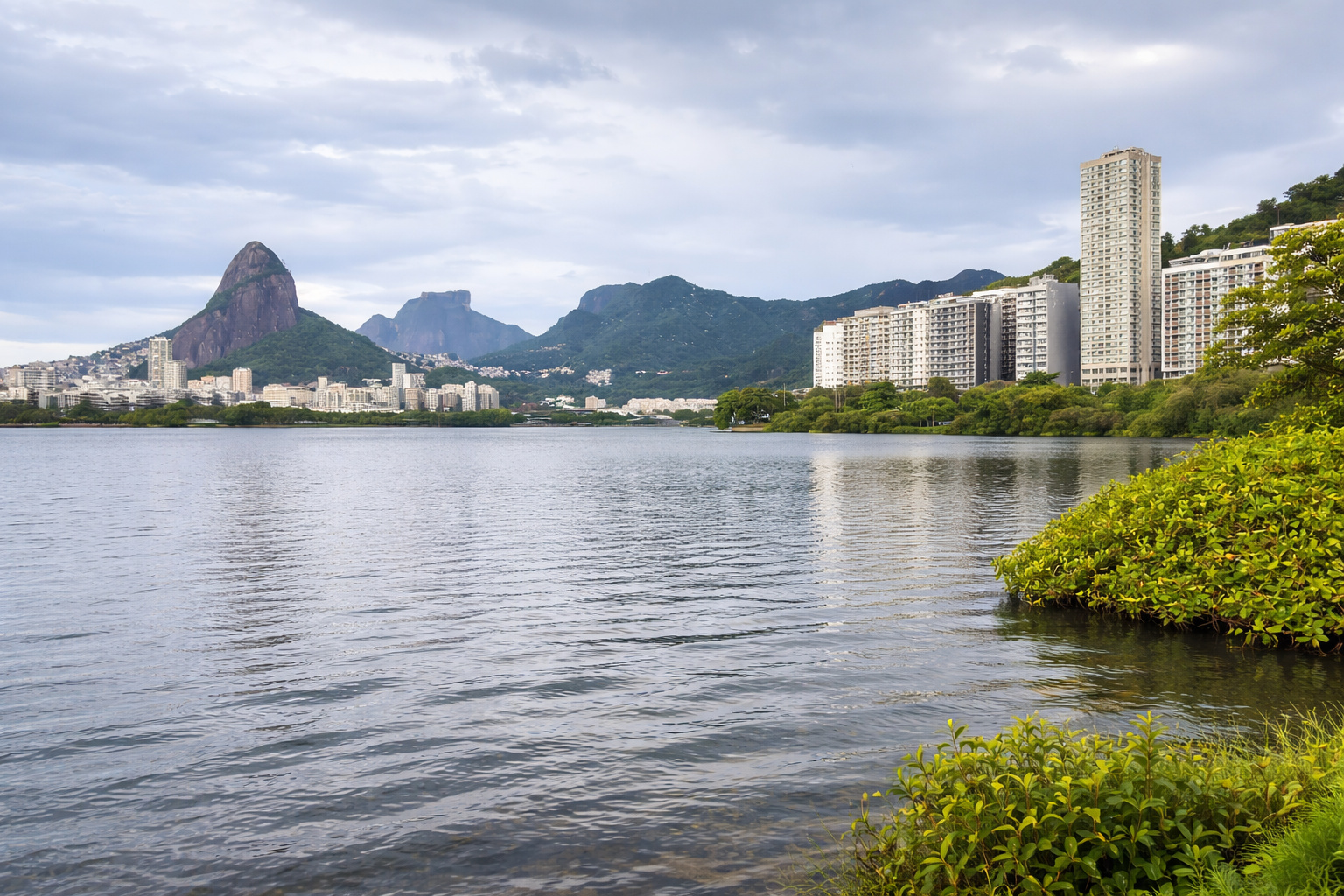
Improvement of water quality and return of sports activities mark a new phase of the lagoon in the south zone of Rio
A significant environmental change is already being perceived in Rio de Janeiro, especially in Lagoa Rodrigo de Freitas, which is undergoing a significant recovery phase.
Currently, the advancement of sanitation and the end of irregular sewage disposal directly modify water quality and reorganize urban space usage.
As reported, the lagoon shows visible signs of improvement.
This process alters the population’s perception and reinforces the environmental importance of the location.
Environmental recovery transforms the history of the lagoon
For years, Lagoa Rodrigo de Freitas was associated with problems such as bad odors, dark water, and fish die-offs.
However, now, with actions aimed at sanitation, this scenario is gradually being reversed.
The end of irregular sewage disposal acts as a central factor in this process.
As a consequence, negative impacts are being reduced, albeit progressively.
Thus, the lagoon enters a new cycle of environmental recovery.
Visual changes reinforce perception of improvement
Right in the early hours of the day, those passing along the banks can already see clear differences in the landscape.
The water had characteristics that compromised the experience of visitors.
Now, on the other hand, the water surface appears cleaner, which significantly alters the visual perception of the space.
This change helps reinforce the value of the lagoon as a postcard of the South Zone.
In this way, the environment conveys a greater sense of environmental quality.
-
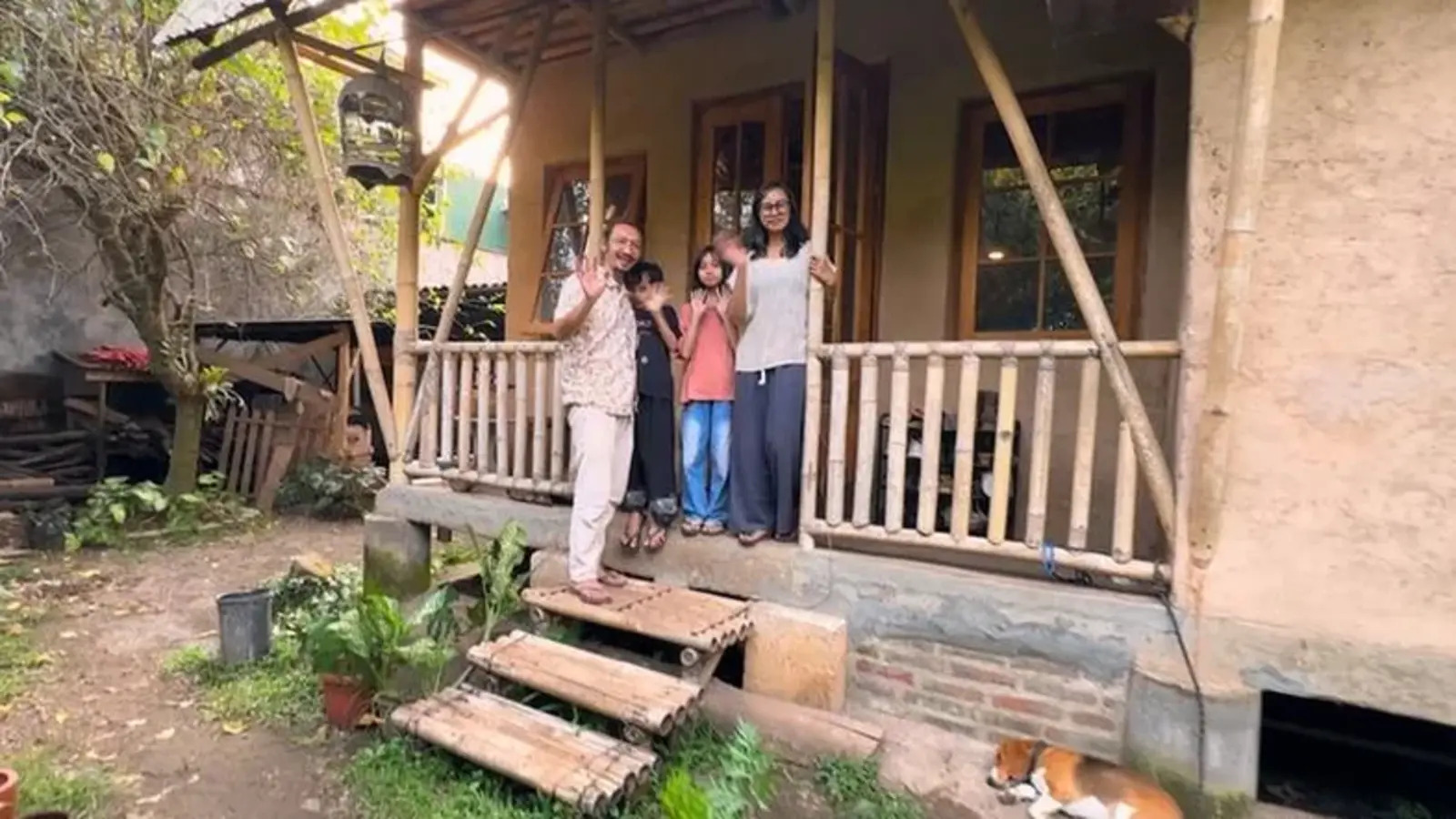
With earth, bamboo, straw, and lime mortar, a specialist builds a house for just over $460 and draws attention for its cost being much lower than traditional construction.
-
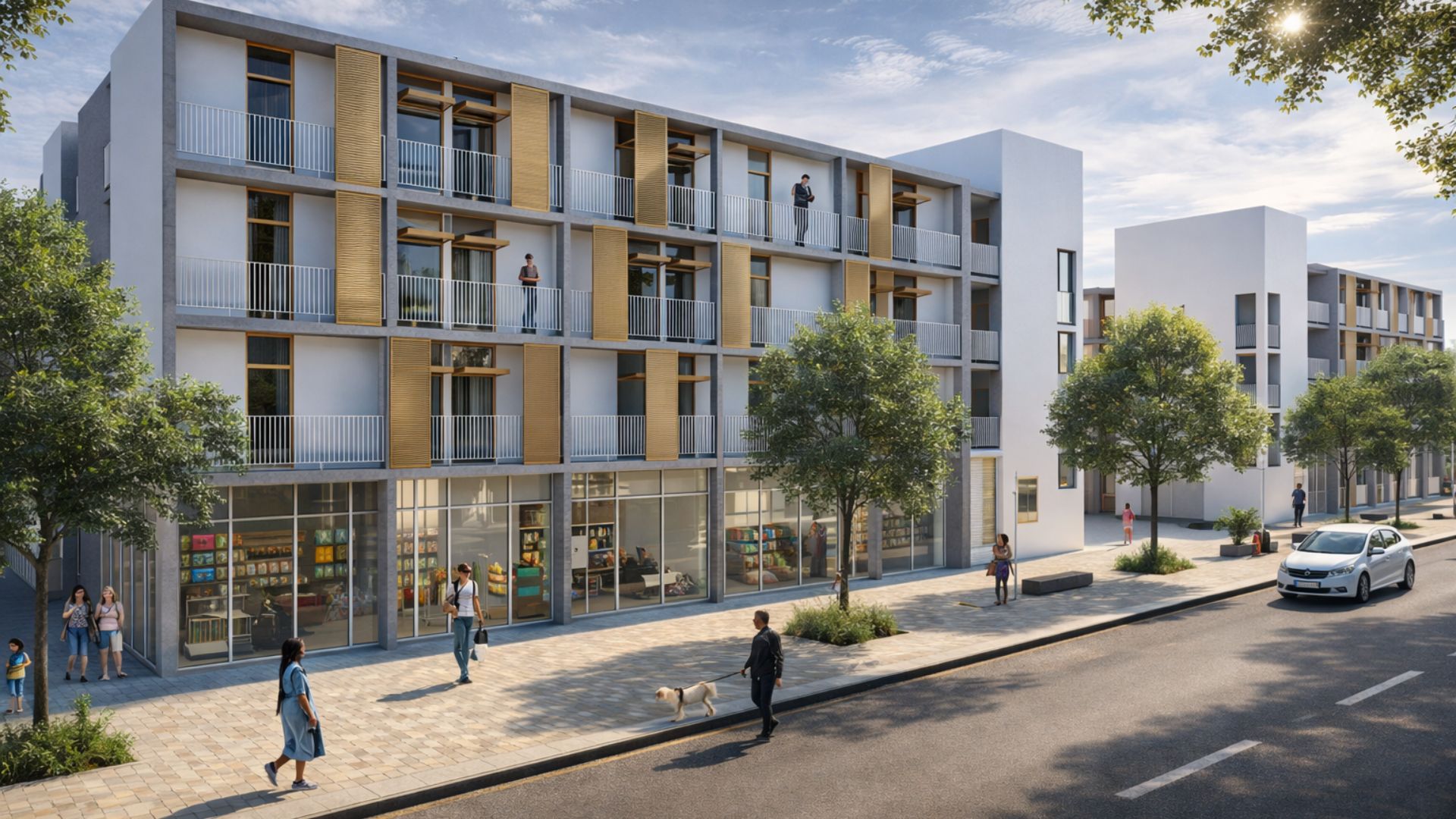
Sustainable housing gains strength with a nationally awarded project in Campo Grande, highlighting innovative solutions that combine sustainability, urban integration, and efficiency in the use of natural resources.
-
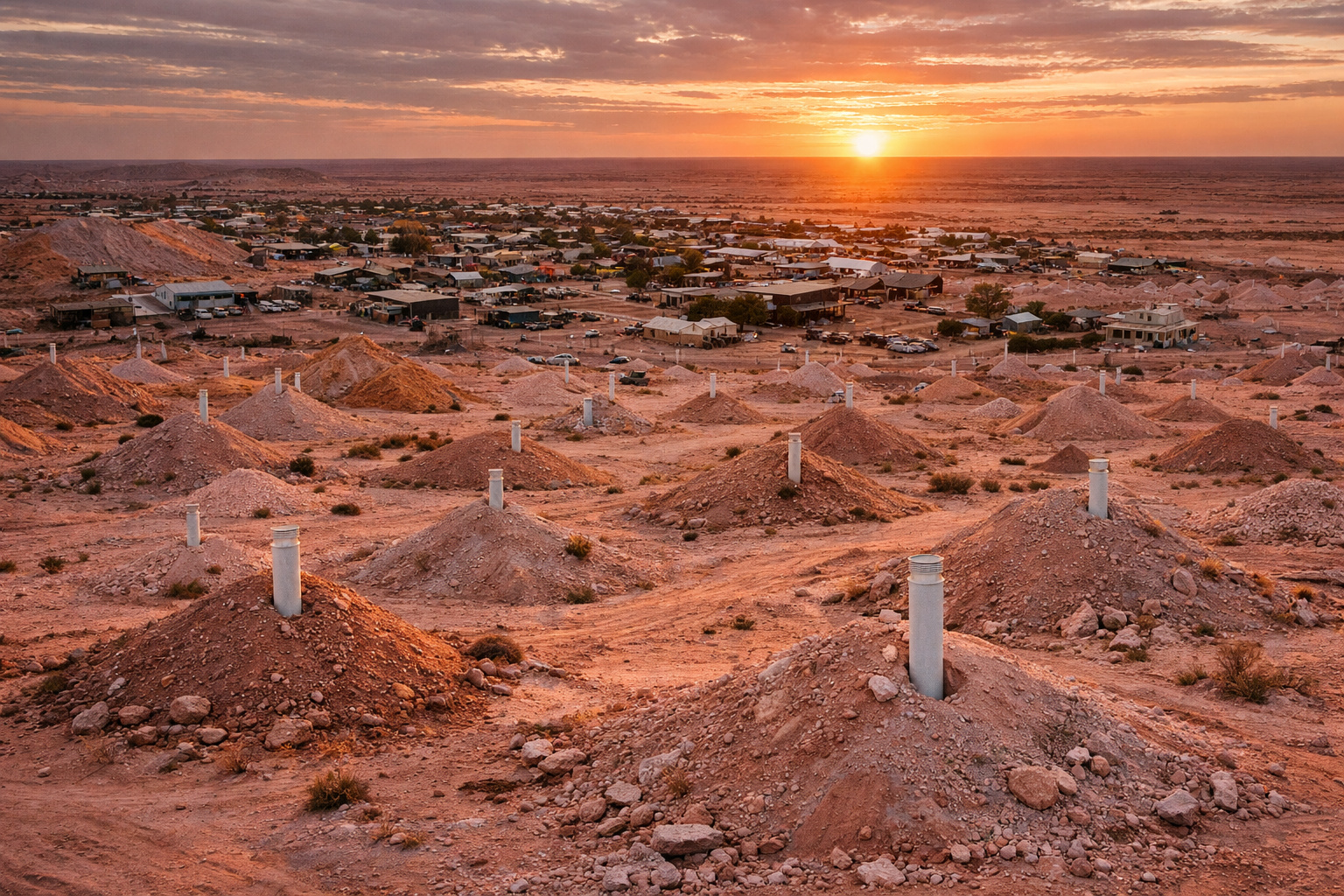
City Where Residents Live Underground to Escape 52°C May Be a Picture of the Future on an Increasingly Hot Planet
-
Brazilian Industries Accelerate Emission Cuts and Transform Sustainability Into Competitive Strategy, Boosting Energy Efficiency, Technological Innovation, and New Environmental Gains in the Economy


Return of water sports draws attention
With the improvement of the water, the use of the lagoon is also evidently transforming.
Currently, rowers, canoeists, and practitioners of various modalities are returning to occupy the water surface.
Moreover, these activities return with more confidence, reflecting the perception of environmental recovery.
On the other hand, the presence of these athletes reinforces the new moment experienced by the lagoon.
Thus, the increase in activity in the area symbolizes an important comeback.
Sanitation drives environmental turnaround
According to reported information, the advancement of sanitation was decisive for this transformation.
Additionally, the interruption of irregular sewage disposal directly contributed to the improvement of water quality.
As a consequence, historical negative effects are beginning to be reversed.
At the same time, the environment is beginning to offer better conditions for human and sports use.
Therefore, the lagoon shows consistent evolution within this new scenario.
Urban importance is reinforced with recovery
With this transformation, Lagoa Rodrigo de Freitas reaffirms its relevance as one of the main points in Rio de Janeiro.
The environmental recovery strengthens its role in leisure, tourism, and sports activities.
Thus, the return of water sports represents a change not only visually but also functionally.
Finally, the current scenario highlights a new relationship between the city, the environment, and quality of life.
Will Lagoa Rodrigo de Freitas be able to maintain this environmental recovery sustainably over the coming years?









Seja o primeiro a reagir!