





 Português
  Inglês
  Espanhol
  5 min de leitura
  0 comentários


As Wind Turbines Multiply At Sea, A Little Discussed Phenomenon May Compromise Energy Efficiency And Cause Disputes Between Countries: The So-Called Wake Effect
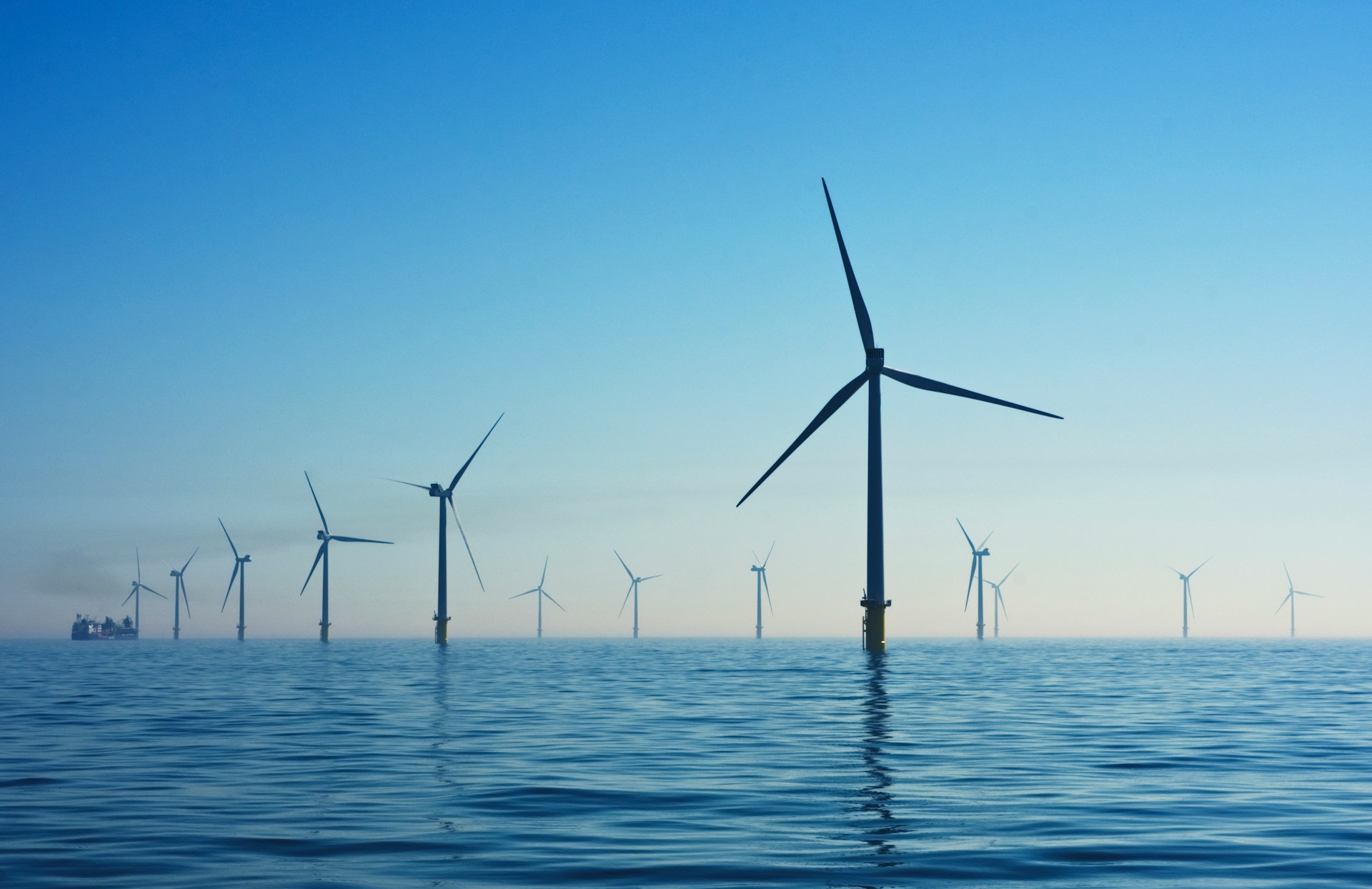
With the global race to achieve zero emissions, offshore wind farms are multiplying offshore. But a little discussed phenomenon is beginning to gain prominence: the so-called wake effect. It can directly affect the efficiency of these enterprises and cause friction between companies and even between countries.
What Is The Wake Effect
The phenomenon occurs when wind turbines extract energy from the wind. This process reduces the speed of the air passing through them.
As a consequence, the wind behind the turbines becomes weaker. This “shadow” of wind can extend for tens of kilometers, and in extreme cases, even exceed 100 km.
-
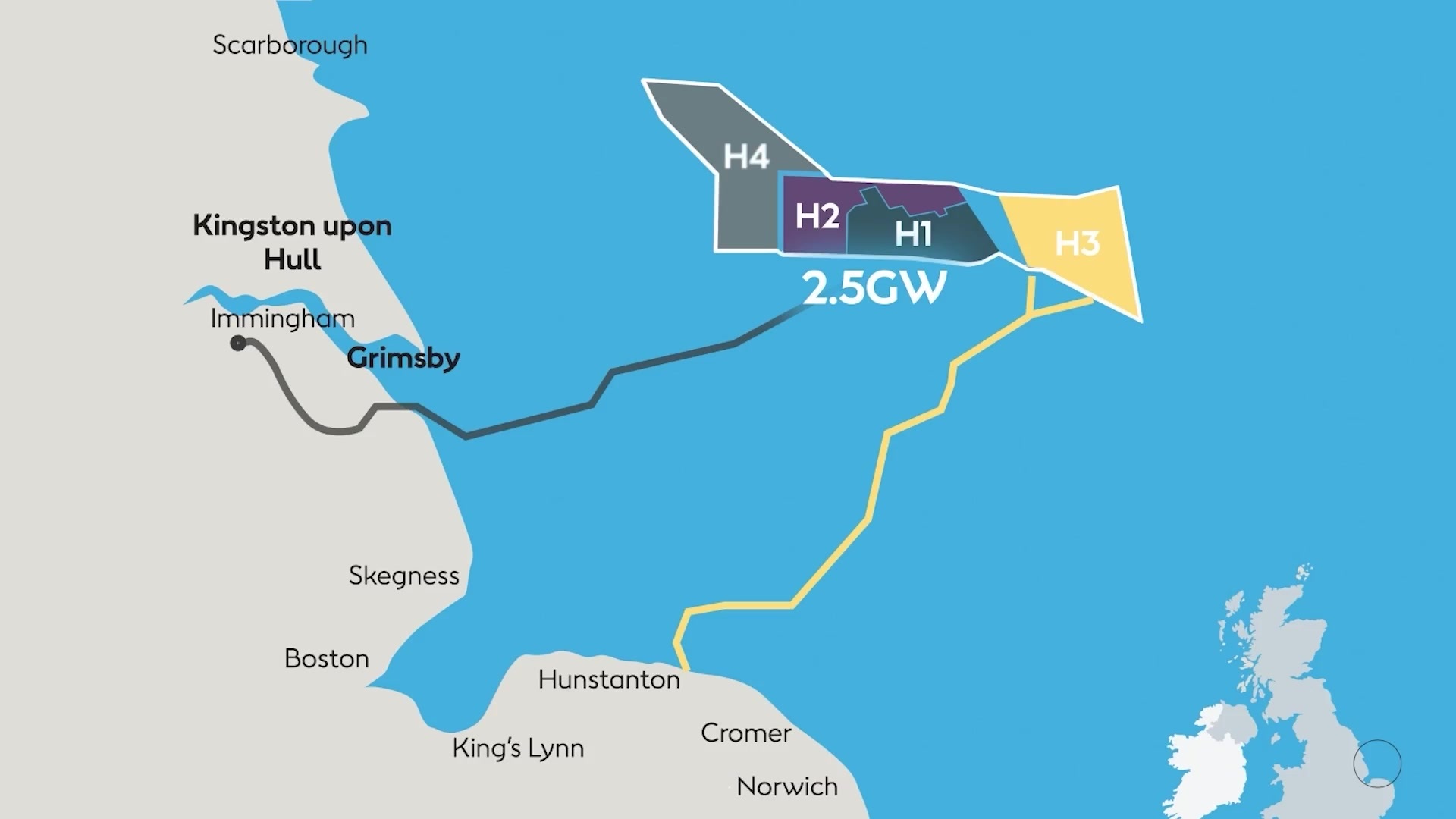
231 turbines of 260 meters at 160 km from the coast, monopiles weighing as much as nine blue whales embedded in the North Sea, and a crane ship taller than the Eiffel Tower: Hornsea 3 will be the largest offshore wind farm on the planet by 2027, and its first components have already arrived in England.
-
International Certification Puts Senai Norte on the Renewable Energy Map and Expands Access to Essential Training for Qualified Wind Power Professionals

-
The Winds of the Northeast Are in Foreign Hands: Nearly 70% of the Region’s Wind Farms Are Owned by International Companies, with France, China, and Italy Leading Investments in Wind Energy in Brazil
-
Echoenergia’s Wind Farms Receive Diamond and Platinum Seals and Boost Carbon Credits with Projects that Prevent Large Volumes of Annual Emissions

Scientist Peter Baas from the Dutch company Whiffle explains that the energy produced by the turbines is taken from the wind. This causes a reduction in the air speed behind the structures.
He calls this the wake effect. If another wind farm is positioned in the direction of the weakened wind, its efficiency can drop by up to 10% or more.
The Controversy Of “Wind Theft”
The term “wind theft” has been used to describe this type of impact. But Norwegian lawyer Eirik Finserås, specialized in offshore energy, warns: “The term ‘wind theft’ is somewhat misleading, as you cannot steal something that cannot be owned – and no one owns the wind.”
Nevertheless, the effect is real and has been causing disputes between wind farm operators. This concerns countries that depend on offshore wind energy to reduce their carbon emissions.
According to experts, the problem is old, but it has become more relevant with the rapid expansion of offshore wind projects.
More Wind Turbines, More Wake
The North Sea is one of the regions with the highest growth in offshore wind energy generation. Simulations conducted by Baas and other researchers at Delft University of Technology in the Netherlands show that the impact of the wake effect tends to increase over time. The larger and denser the farms, the bigger the problem.
A project in the United Kingdom aims to better understand this phenomenon. Led by Pablo Ouro from the University of Manchester, the study will analyze the impact of wakes on wind farms until 2030. By then, the country plans to triple its capacity and install thousands of new turbines.
Space Becoming Increasingly Disputed
Ouro states that the wake effects are already known, but now the impact is greater. “We will need to have three times the capacity we have now – that is, in less than five years, we will need to install thousands of turbines.,” he explains.
According to him, as new turbines are being installed near existing farms, everything is becoming tighter.
The British government’s policy already recognizes the wake effect as an emerging issue. Ouro states that there are ongoing disputes between operators in the UK. For him, the reason is the uncertainty about the real impact of wakes. The spacing rules between the farms may not be sufficient.
Moreover, it is difficult to predict how several farms interact with each other. “If there are two farms, it’s easier to calculate. But what if there are six?” questions Ouro.
Increasingly Larger Turbines
Another factor exacerbating the wake effect is the increase in turbine size. Current blades can measure over 100 meters – the size of a football field.
A single offshore turbine can power up to 20,000 homes. But the larger the rotor, the larger the wake it can generate.
For Ouro, more research is still needed on these impacts. The growth of turbines can improve production, but it can also worsen the unwanted effects for other projects.
Impact Across Borders
Finserås coordinated a study on the wake effect between countries during his PhD at the University of Bergen in Norway.
The case analyzes how a planned wind farm in Norway could affect another farm in Denmark. For him, if the issue is not addressed, it may lead to legal and political conflicts.
He predicts that the North Sea and the Baltic Sea will become centers for mass construction of offshore farms.
Therefore, the wake effect should directly influence the energy transition in these areas. Even small reductions in energy generation can make projects financially unviable, according to the lawyer.
The Race For The Best Locations For Wind Farms
The risk, according to Finserås, is that countries will try to secure the best spots before others. This could lead to a “race to the water,” with each state seeking to get ahead to exploit the most favorable winds.
But this haste might overlook important issues, such as marine environmental protection.
Ouro also warns about cross-border conflicts. So far, the observed disputes have been between British farms. But he questions: “What if, tomorrow, a dispute arises between a British wind farm and a Dutch, Belgian, or French one?”
For him, the ideal would be to anticipate these scenarios. Creating clear rules now can prevent greater problems in the future. This way, all parties involved can have more legal and technical certainty.
Cooperation And Regulation
Finserås argues that wind should be treated as a shared resource, similar to fish and oil reserves offshore. There are already international regulations for these cases. The same path could be followed with wind, according to him.
He also emphasizes the importance of cooperation among the involved countries. To face the challenges, maintaining good political relations is essential. The energy transition requires speed but cannot ignore fair and balanced solutions.
The Case Of China
The problem is not limited to Europe. China is also expanding its offshore wind farms and is already facing the challenges of the wake effect. Chinese researchers also recognize that the impact has been growing with the speed of expansion.
According to Pablo Ouro, since his project was announced, he has received many emails from interested parties. To him, this shows how urgent the issue has become.
“We need to understand this, we need to progress further with the models, so that everyone has confidence, as we need this amount of offshore wind to achieve zero emissions. We have to make this happen,” concludes the researcher.
With information from BBC.








Seja o primeiro a reagir!