





 Portuguese
  English
  Spanish
  3 min of reading
  0 comments


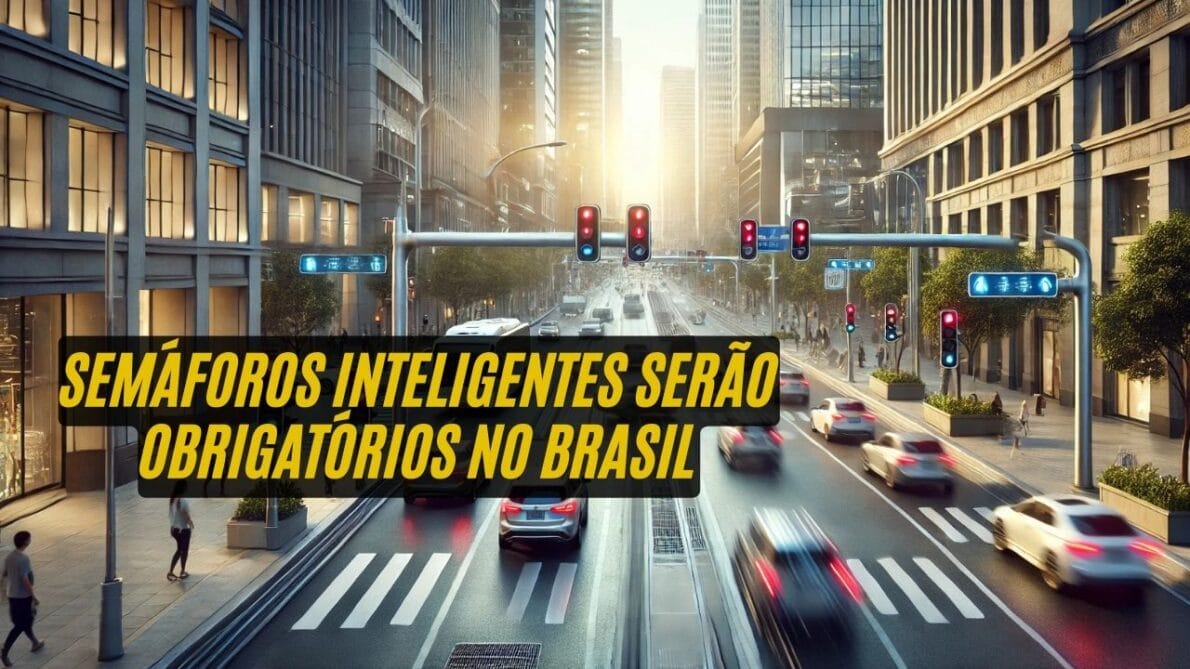
Get Ready, Brazil: A True Revolution in Traffic May Be on the Way, and It Goes by the Name of “Smart Traffic Lights”. These Innovative Signaling Systems, Equipped with Sensors, Cameras, and Artificial Intelligence, Promise to Transform the Urban Experience by Alleviating Traffic Jams, Reducing Pollutant Emissions, and Providing Much Safer and More Efficient Mobility. With the New Proposal of Bill 3048/24, These Traffic Lights May Soon Be Mandatory in Cities with More Than 150,000 Inhabitants, Marking a New Chapter in Brazilian Urban Mobility.
These smart traffic lights are designed to operate adaptively, adjusting signaling time based on the flow of vehicles and pedestrians, rather than a fixed schedule. Imagine, for example, that during a peak traffic time, the system automatically extends the green light duration on the most congested roads. Likewise, if an emergency ambulance is approaching, the signal prioritizes its passage, avoiding critical minutes.
How Smart Traffic Lights Work and Why They Can Improve Traffic
The operating basis of smart traffic lights lies in their connectivity and adaptability. Equipped with state-of-the-art sensors and cameras, these devices monitor traffic in real-time. If the volume of cars accumulates in one direction, the traffic light extends the green light, decreasing wait time and flowing traffic more efficiently. All of this is done using artificial intelligence technology, which also allows them to integrate into larger data networks and communicate with remote control systems via a 5G connection.
The system also works to facilitate maintenance and ensure constant efficiency. With a fiber-optic cable connection, these traffic lights can detect malfunctions and request automatic repairs, reducing downtime in traffic.
-
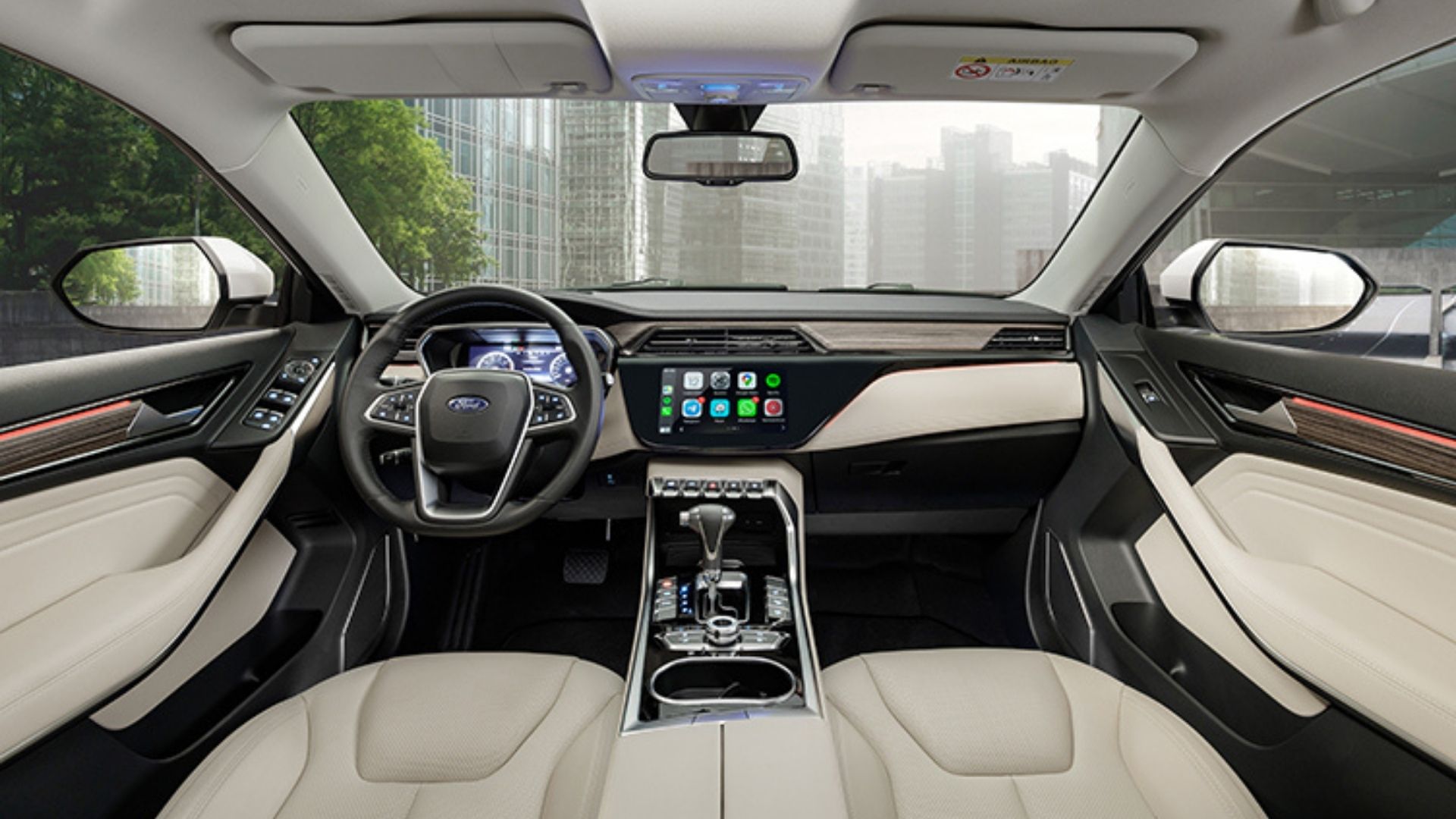
Around R$ 24,000: 4 used Ford SUVs with up to 253 hp, V6 engine, all-wheel drive, 7 airbags, panoramic sunroof, and a complete package that surprises with its price and performance in Brazil.
-
A brand new car starts at around R$ 75,000 in Brazil, but what stands out the most is seeing streets filled with SUVs and expensive sedans in a country where millions remain in debt.

-
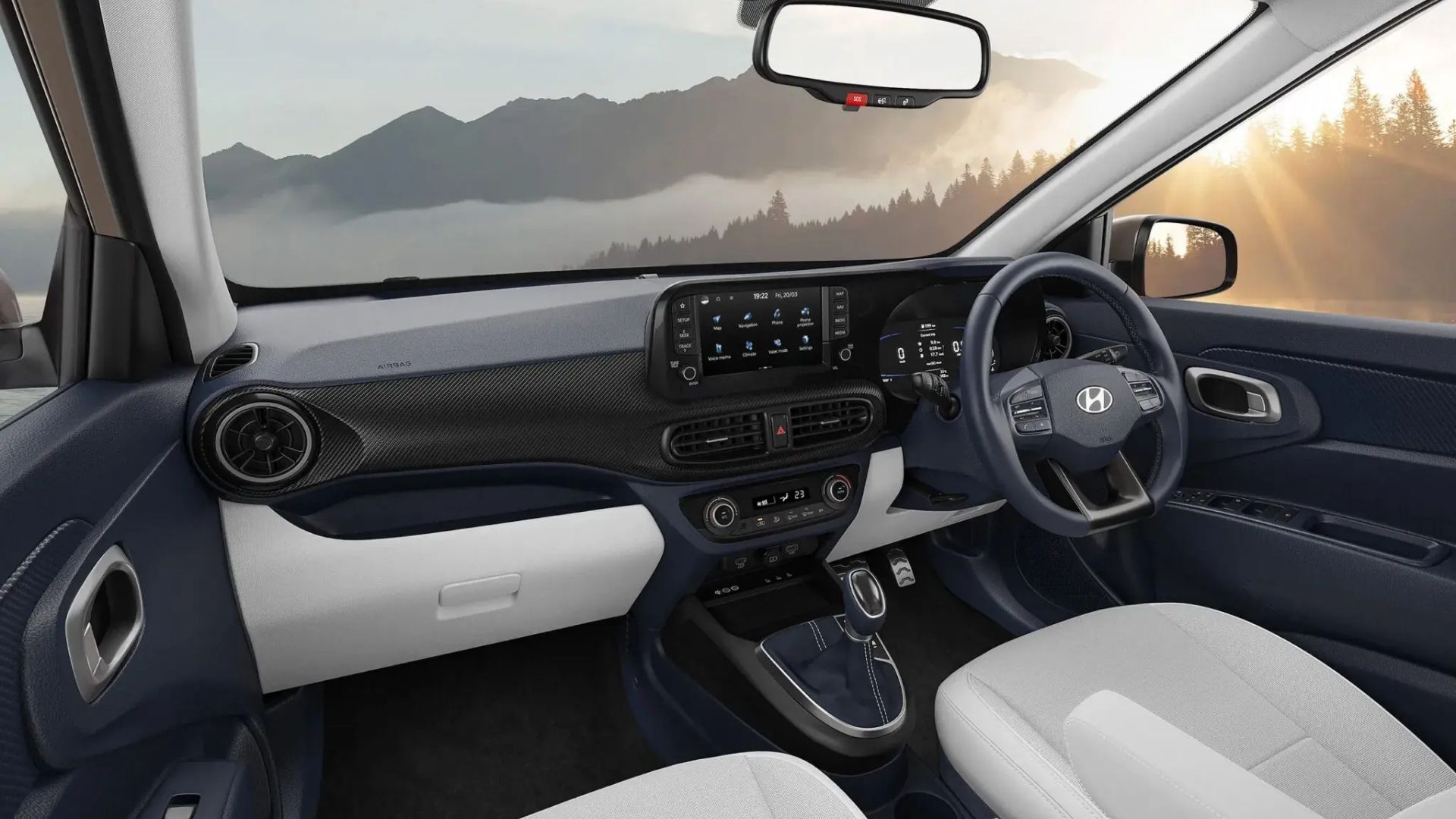
For R$ 32,000, a brand new Hyundai car is a rival to the Kwid with a 1.2 engine producing 82 hp, 6 airbags as standard, multimedia with wireless Android Auto, up to 391 liters in the trunk, and a refreshed look for 2026 in India.
-
He bought a new car in 1983, locked it in the barn in 1988, and no one opened the door for 38 years until the family discovered what was stored inside and realized it looked like something out of a movie.


Growing Urbanization and Challenges of Urban Mobility
In the face of growing urbanization and expanding vehicle fleets, traffic in Brazilian cities increasingly demands modern and efficient solutions. In São Paulo and Curitiba, the experimental installation of smart traffic lights has already demonstrated potential to reduce traffic jams and offer a safer experience for drivers and pedestrians. Internationally, cities like London, New York, and Singapore have also adopted this technology, realizing results that point to a more sustainable and efficient traffic model.
Representative Clodoaldo Magalhães, one of the bill’s proponents, believes that smart traffic lights are a viable solution to urban mobility issues in Brazil. According to him, this technology can not only improve the flow of vehicles but also bring more safety and quality of life to the inhabitants of large cities.
Funding and Partnerships to Enable the Installation of Smart Traffic Lights
For smart traffic lights to become a reality throughout Brazil, Bill 3048/24 provides for a specific funding line with the National Bank for Economic and Social Development (BNDES), in addition to federal resources aimed at urban infrastructure and the possibility of partnerships with public and private entities.
These funding sources are organized into three main pillars: Funding specifically directed towards the installation of smart traffic lights. Resources already allocated for city development. Agreements that can accelerate the implementation of the technology.
Impact of Smart Traffic Lights on Brazilian Urban Mobility
The introduction of smart traffic lights could be a turning point for urban mobility in Brazil. In addition to improving the flow of vehicles, these devices promise to reduce environmental impact by decreasing the emission of pollutant gases by avoiding unnecessary stops. Another point is their contribution to safety, allowing pedestrians and drivers to coexist more harmoniously in urban spaces.
With this advancement, Brazilian cities have the opportunity to align with a more sustainable and efficient traffic management model, following the global trend of modernization in mobility. Ultimately, the mandatory implementation of smart traffic lights could redefine traffic dynamics, offering a safer, smoother urban environment tailored to future needs.
For many, these new devices may seem like a detail in urban routine. However, for those who deal daily with the chaos of traffic in large cities, the arrival of smart traffic lights could mean a true transformation in quality of life, promising to bring order and safety to Brazilian public roads.









Seja o primeiro a reagir!