





 Portuguese
  English
  Spanish
  4 min of reading
  0 comments



With 51 Signatory Countries, Including Thailand’s Recent Accession, and Exclusive NASA Technology, the Artemis Accords Promise to Transform Lunar Exploration While Russia and China Stay Out of This Historic Alliance.
Created by NASA in 2020, these accords aim to promote international cooperation in the peaceful and sustainable use of space. With 51 signatory nations so far, including Thailand’s recent accession, the world is more united than ever in exploring the cosmos. But why are countries like Russia and China not on this list? Let’s understand.
What Are the Artemis Accords?
The Artemis Accords are an extension of the 1967 Outer Space Treaty, which prohibits the militarization of the Moon and other celestial bodies. They establish guidelines for space exploration, including practices such as data sharing, astronaut rescue, and preservation of historical sites in space. In summary, it’s a manual for good coexistence in the cosmos.
These accords are closely linked to NASA’s Artemis program, which aims to return humans to the Moon and establish a sustainable lunar base. The program has an ambitious goal: to pave the way for future missions to Mars. Therefore, the Accords are not just a set of rules; they are the foundation for an interplanetary future.
-
Submarine cables installed to transmit the internet now also help scientists detect earthquakes.

-
After so many blackouts, a family transforms an electric truck into a power source for their home and shows how a 100 kWh battery can keep everything running for days.

-
Ukraine is already testing, and China has already shown the world, and now the Brazilian Army is developing its own swarm of autonomous drones with artificial intelligence that share data in real time and operate without centralized control, uniting military and universities.

-
Few people know, but the most nutritious part of wheat has been discarded for decades to produce white flour, and the “polyamine” spermidine activates cellular cleaning, reduces mortality, and may slow down memory loss.


Who Are the Signatories?
So far, 51 nations have signed the Accords, but only the United States has the technology to send humans beyond low Earth orbit. Other signatories, such as Japan and the European Union, mainly contribute to the development of technologies such as lunar modules and rovers. Interestingly, countries with little or no space experience, such as the Dominican Republic and Angola, have also joined, demonstrating the global reach of the initiative.
Why Did Russia and China Stay Out?
Not all major space players are on the list. Russia and China, for example, have not signed the Accords. China, with its plans to establish a base on the Moon by 2030, is seen as a direct competitor to the U.S. Meanwhile, Russia, a historical partner in the International Space Station, seems to be focusing on its own projects. Could these absences impact international cooperation in space?
Fundamental Principles and Rules
The Accords, led by NASA, reinforce that space is a heritage of all humanity, and no nation can claim sovereignty over the Moon or other celestial bodies. This means that any exploration must benefit all countries, regardless of their economic development.
Another important point is the preservation of space heritage. Historical sites, such as the first landing locations on the Moon, must be protected. The signatories commit to adopting sustainable practices, ensuring that lunar exploration does not cause irreparable harm to the environment.
The Artemis program would not be possible without international collaboration. The European Space Agency (ESA) is developing service modules for the Orion capsule, while Japan is working on a new lunar rover. These partnerships demonstrate that space exploration is a collective effort.
Despite the collaboration, the main equipment remains American. Rockets from Boeing, capsules from Lockheed Martin, and landers from SpaceX and Blue Origin are at the heart of the Artemis missions. This reinforces the technological leadership of the U.S. in the program.
The Lunar Race and NASA’s Role
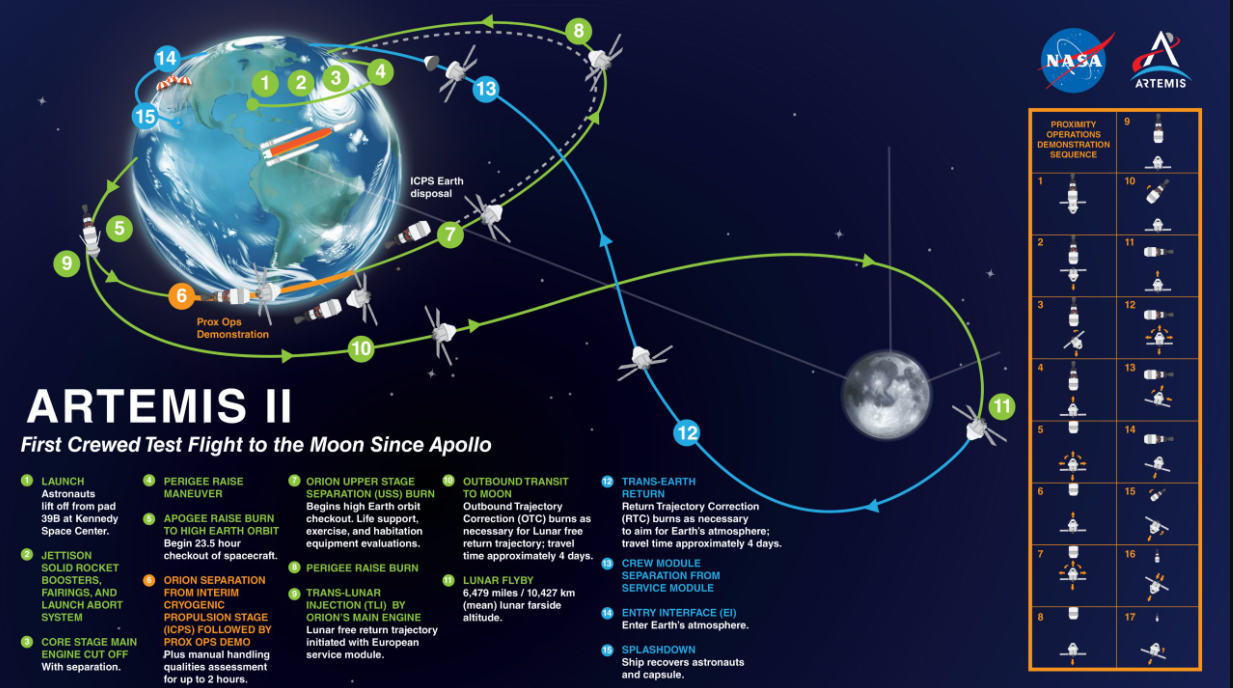
NASA has been pushing for the United States to be the first to return to the Moon. The agency’s administrator, Bill Nelson, emphasized the need to beat China in this space race, citing concerns about adhering to international principles.
Although they are a milestone of cooperation, the Artemis Accords are not legally binding. This means that signatories can work with countries outside the agreement, such as China, without legal consequences. This flexibility could pose challenges in the future.
The Artemis Accords represent a significant step for space exploration, promoting international cooperation and establishing guidelines for responsible use of space. With 51 signatory nations, the program demonstrates how space can unite countries, even amid their differences.
However, the absence of major powers like Russia and China and the voluntary nature of the accords raise questions about their long-term effectiveness. Will we see a future where all countries collaborate to explore the cosmos, or will we remain divided into blocs? Time will tell, but for now, NASA continues to lead this chapter of human history.




-

Uma pessoa reagiu a isso.