





 Portuguese
  English
  Spanish
  3 min of reading
  24 comments


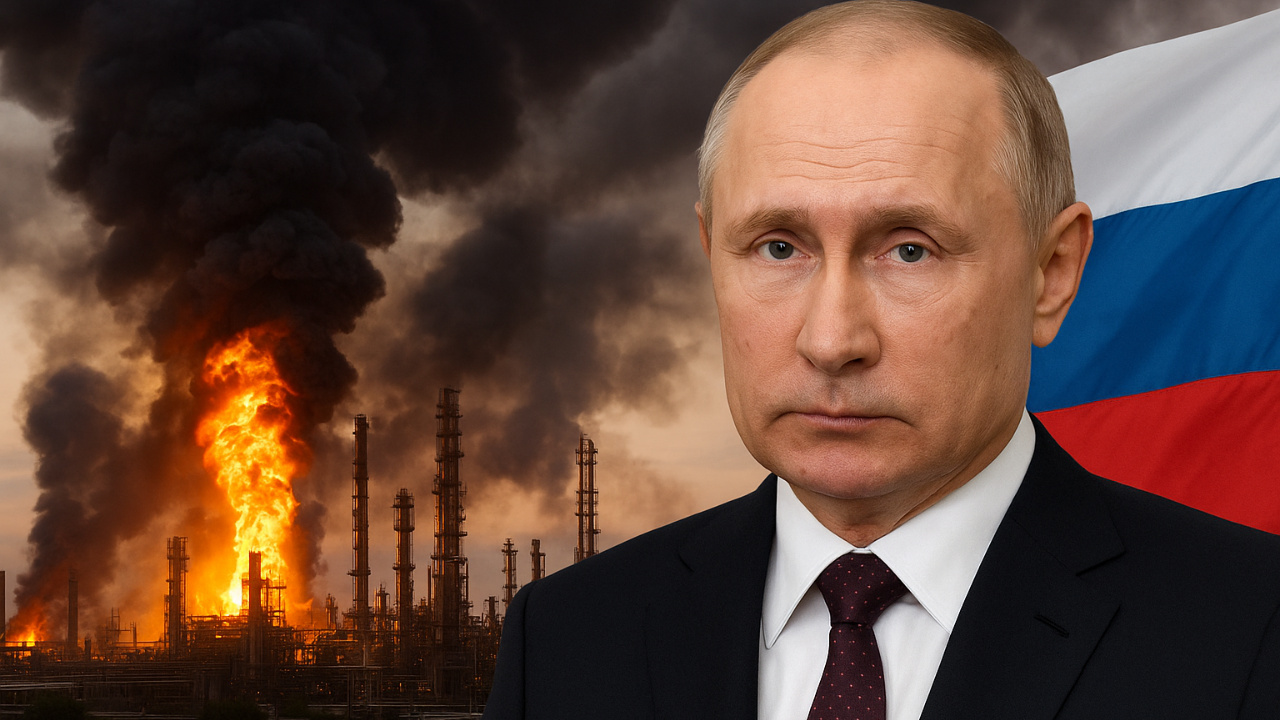


Russia Extends Fuel Export Ban Until Year-End to Contain Shortages Caused by Ukrainian Attacks on Refineries. Situation Is Critical in Crimea.
Russia confirmed on Thursday (25) that the export of fuels will remain suspended until the end of 2025. The measure, announced by Deputy Prime Minister Alexander Novak, reflects the country’s growing difficulty in maintaining internal supplies of gasoline and diesel, affected by constant Ukrainian attacks on refineries and pumping stations.
The decision expands existing bans imposed throughout the year. In March, Moscow had partially restricted external sales of gasoline. In July, it extended the embargo to other producers. Now, the determination also affects part of the diesel fuel exports, a strategic product for the Russian economy.
Ukrainian Attacks Increase Pressure on Moscow
Ukrainian forces have intensified operations with drones, targeting refineries, depots, and even fuel trains. The objective is clear: to disrupt supply chains during the summer, a period when demand increases due to vacations.
-
A study confirms that the natural gas sector will reduce greenhouse gas emissions in Brazil by 0.5% and accelerate the energy transition by 2026.

-
Petrobras implements a severe adjustment and confirms a 55% increase in the price of aviation kerosene with a proposal for installment payments for the companies.

-
The rise in oil prices could ensure an extra revenue of R$ 100 billion for the Federal Government, indicates a recent economic study.

-
Naturgy begins an investment of R$ 1.6 million to expand the gas network in Niterói and benefit thousands of new residences and businesses.


This week, the Ukrainian Air Force confirmed attacks on several facilities, including a large refinery in Bashkortostan, in southern Russia, operated by Gazprom. These incidents worsen the fuel crisis and expose the vulnerabilities of the Russian energy infrastructure.
Despite Moscow’s promises that accumulated reserves would be sufficient, the reality at gas stations is different. The newspaper Izvestia, aligned with the Kremlin, reported that stations in various regions are already imposing purchase limits for drivers.
Novak acknowledged there is “a slight shortage of petroleum products,” but downplayed the severity of the situation. Still, growing lines in different cities show that the population does not share the same sense of calm.
Crimea Faces More Severe Scenario
The situation is even more critical in Crimea, a region illegally annexed by Russia in 2014. According to the business newspaper Kommersant, almost half of the peninsula’s gas stations are out of service.
In Sevastopol, the largest city in the region, reports indicate a total lack of gasoline supply. The local channel Crimean Wind, on Telegram, reported that when tank trucks arrive at stations, kilometer-long lines form immediately. Within hours, the stock runs out.
The same channel joked about the crisis: “There are still no lines for hay, and prices for horses and donkeys are stable.” The phrase reflects the growing frustration of residents with the lack of official transparency.
Economic and Social Impacts in Russia
Russia is one of the world’s largest producers of diesel fuel, and sales abroad represent an essential source of revenue for the government. The prolonged embargo is therefore not only an emergency response but also a choice that could affect state finances.
Furthermore, the measure is likely to raise domestic prices. There are already reports of increases of up to one-third in gasoline prices compared to the previous month. With rationing, the risk of speculation and a parallel market also grows.
In Crimea, even representatives appointed by Moscow have acknowledged that the crisis results from reduced production at refineries. However, they avoid directly linking the problem to Ukrainian attacks.
This official stance contrasts with videos and images shared on social media, showing endless queues of vehicles. The public perception is that the war, initiated by Russia itself, is now increasingly impacting daily life.






Notícia fora de época? Estão no outono e chega logo o inverno. Será q aguentam? A CF.
Matéria cópia de jornais europeus, não têm nada de verdade. Se assim fosse, o Brasil seria afetado no diesel, pois compra muito da Rússia. Sem falar da Índia, que se tornou a maior vendedora de combustível no mundo, sem produzir uma gota; compra tudo da Rússia e exporta mundo a fora.
Reportagem distorcidas com a realidade. Conte a situação da Ucrânia.