





 Portuguese
  English
  Spanish
  5 min of reading
  0 comments


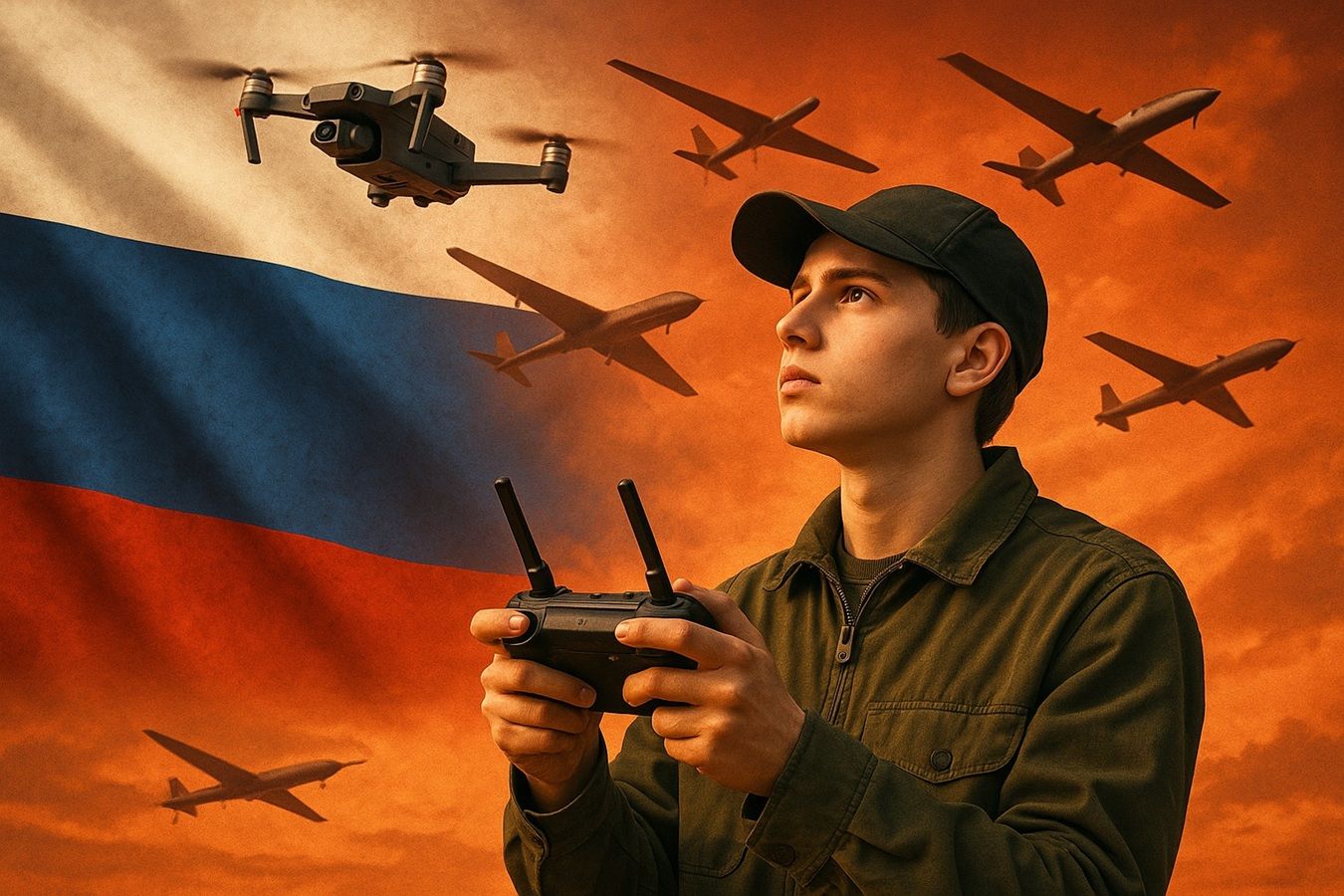
Behind the Bombings and the Kamikaze Drones Crossing the Skies of Ukraine, Russia Discreetly Builds a Powerful National Drone Industry. The Plan Goes Far Beyond the Battlefield. It Involves Schools, Startups, Billions in Public Investment, and a Network of Factories Spread Across the Country
Russia has been structuring a national strategy to become a global power in drone production. The plan involves multiple levels of action: direct government support, incentives for small businesses and startups, training for children, and billion-dollar investments by 2030.
Most importantly, this policy goes far beyond military use.
Although the war in Ukraine has accelerated development, the government promotes drones also as civilian tools — although, in practice, this distinction is often just symbolic.
-
At an altitude of 400 km by astronauts from the International Space Station, Paris transforms at night into a golden mesh so precise that it reveals the outline of the Seine River, avenues, and entire neighborhoods like a luminous map drawn over the Earth.

-
iPhone 17 reaches historic low price with 256 GB, 120 Hz display, and drops to R$ 5,703 on Shopee, featuring A19 chip, dual 48 MP cameras, battery life of up to 30 hours, and advanced AI features.

-
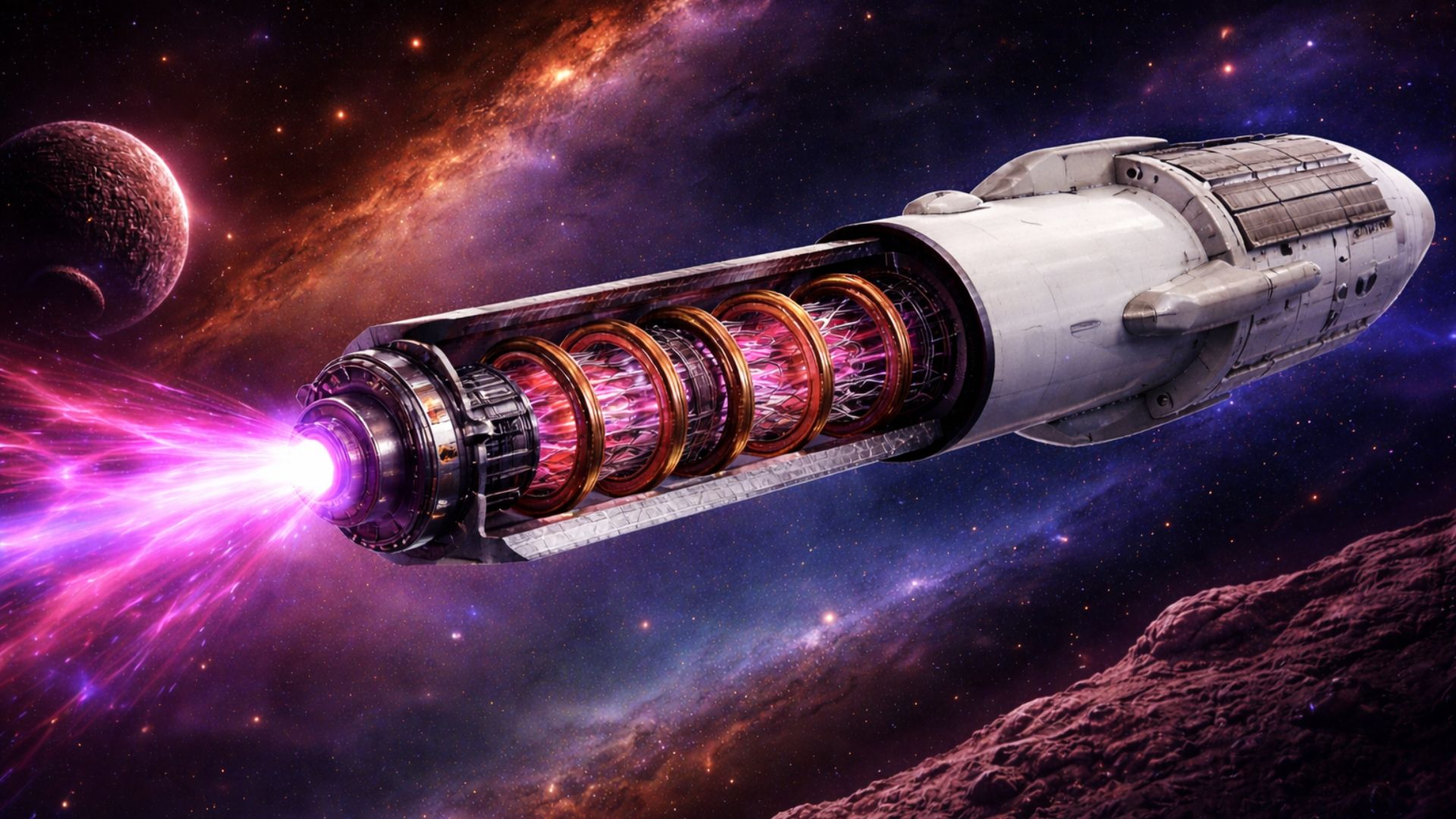
Trip to Mars getting closer: Pulsar Fusion, from the UK, advances with plasma ignition in fusion engine and could drastically reduce space travel time, making crewed missions faster, safer, and economically viable.
-
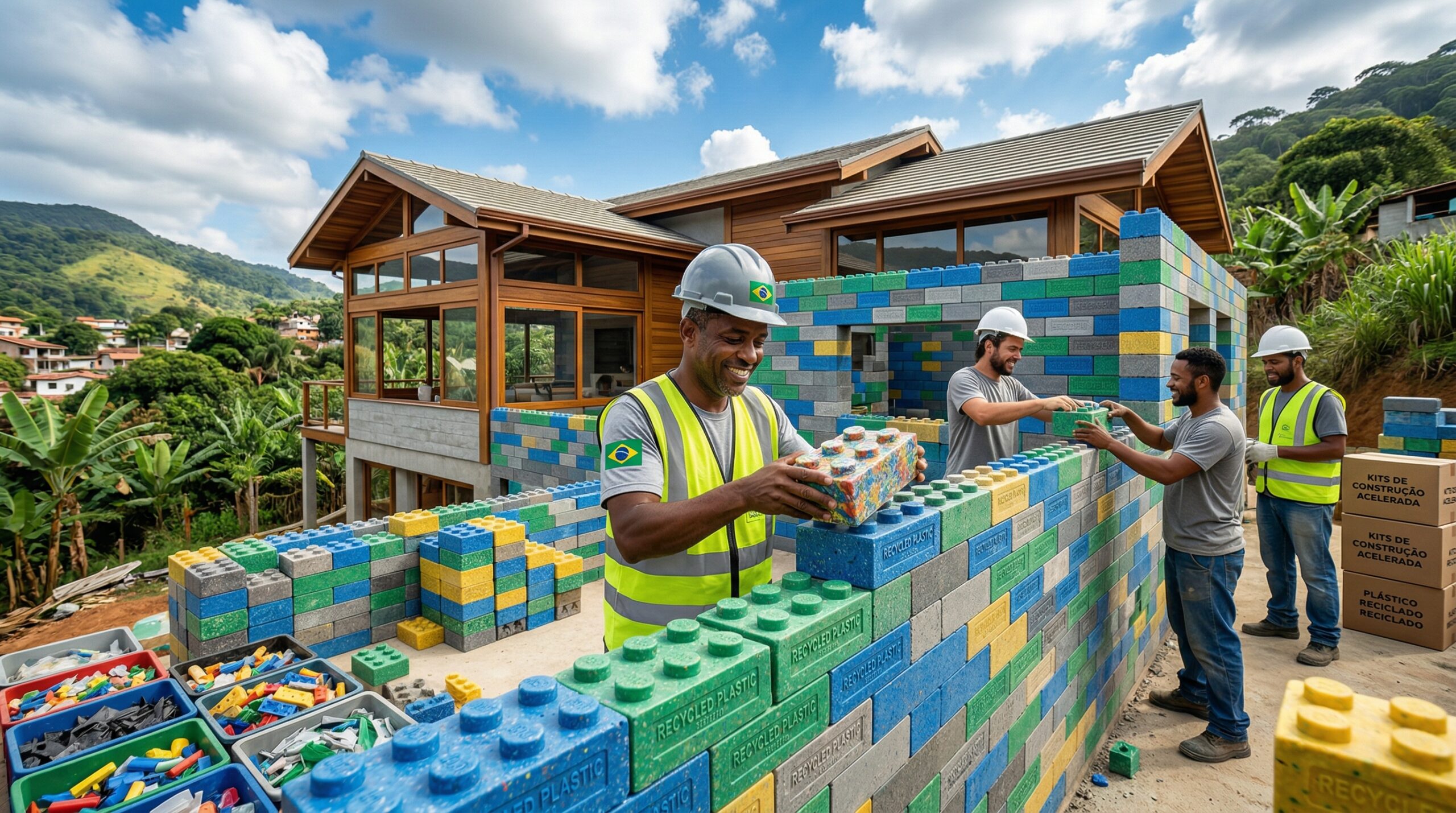
Made with recycled plastic, a Lego-inspired brick builds a 180 m² house in 15 days, providing thermal comfort, preventing moisture, and turning waste into income, kits, and accelerated construction in the country.

Growth During The War
Since the invasion of Ukraine in February 2022, drones have become a central component on the battlefield. They are cheap, easy to assemble with commercial parts, and cause significant damage both in combat zones and in civilian cities.
For this reason, both Moscow and Kiev have sought to accelerate domestic production and innovate in countermeasures. In Russia’s case, this acceleration included a change in scale.
In 2024, the country produced 2.5 times more drones than in 2023. And, in the same year, the production of long-range drones quintupled.
According to President Vladimir Putin, the goal is to make Russia one of the world leaders in drone technology by the end of the decade.
Startup and State-Owned Enterprise Ecosystem
Despite the strong presence of the state, the Russian strategy favors decentralization. About 70% of the nearly 900 companies producing drones in the country are small or medium-sized. Together, these companies employ more than 7,000 people, according to the state agency TASS.
Moreover, large companies also have a place. The United Aircraft Corporation (UAC), established in 2006, announced the creation of its own drone division. It will receive billions of rubles in investments. UAC also plans to integrate smaller private companies into its projects.
Between 2022 and 2025, the Russian government set aside 243 billion rubles (about US$ 3 billion) for the drone sector. An additional 112 billion rubles are planned for the next triennial budget. These amounts are in addition to overall military spending.
Civilian or Military Drones?
The drones promoted by the government are often presented as tools for agriculture, logistics, and infrastructure surveillance. However, the civilian nature often serves merely to maintain a legal appearance and avoid sanctions.
In practice, the same technologies can be used to monitor pipelines or drop explosives. “There is no clear limit — technology can be used for both military and civilian purposes,” explained Russian Minister of Agriculture and Trade, Anton Afanasyev.
For this reason, the government openly supports so-called dual-use technologies. And this support begins in schools.
Training Children and Youth
Various Russian schools have adopted curricula focused on drone development. Students learn everything from construction to piloting. A 17-year-old instructor revealed that projects must always have dual-use. “We were prohibited from saying it was needed for wars, so we created civilian applications for the developments,” he told The Insider website.
This educational policy is supported by institutions like the Agency for Strategic Initiatives and state defense companies. Participation in drone competitions can earn extra points on exams and promises of good careers. In some cases, students directly help assemble military drones.
Parts of the educational program were personally approved by Vladimir Putin.
Production Spread Across The Territory
The Russian strategy is also based on the idea of “strategic depth.” The goal is to make it difficult for airstrikes to destroy all production capacity. To this end, Russia has spread its research and assembly centers across various regions.
Between 2025 and 2027, the country will invest 21 billion rubles (US$ 260 million) in 11 regional drone centers. Some are in free trade zones or technology parks, such as in St. Petersburg, Tomsk, and Perm.
Each region focuses on a part of the production chain. Tomsk manufactures electrical components and onboard systems. Perm develops engines. Moscow and St. Petersburg concentrate on advanced research. Meanwhile, Tatarstan hosts the country’s largest assembly hub.
Giant Factory in Tatarstan
In Tatarstan, central Russia, a facility is under construction that could become the largest drone factory in the world. Located in the special economic zone of Alabuga, the plant already operates with three daily shifts.
There, the Geran-2, the Russian version of the Iranian Shahed-136 drone, is assembled. This model, known for its flying wing shape and powerful explosive, has become a key component in Russian airstrikes against Ukraine.
The responsible company, Albatross, originally manufactured agricultural drones. Its civilian model was adapted for military functions, yet another example of the dual-use logic adopted by the government.
Companies Camouflaged as Civilians
The practice of disguising military drones as civilian ones is not exclusive to Albatross. In 2023, an investigation revealed that the company Integrated Robotics Technologies (IRT), which presents itself as a producer of industrial and agricultural drones, is actually developing explosive vehicles.
IRT remains active and opened a new branch in St. Petersburg. One of its models even appears in a drone playing card published by a Russian university. Even so, the company’s website does not mention any military activity.
So far, IRT still operates without official authorization, but acts openly in the sector.
Import Substitution
Another focus of the Russian strategy is import substitution. This term refers to the effort to produce all necessary components for drone technology internally, including fuselages, engines, chips, and rotors.
This policy aims to reduce dependence on foreign suppliers, especially from China. Despite the strategic partnership between Moscow and Beijing, vulnerability remains. Export controls and Western sanctions also hinder access to cutting-edge components.
Besides Russia, countries like Iran and North Korea are following similar strategies. However, their cases show the limits of growth when isolated from global trade.
Partnerships with Iran and North Korea
Iran played a crucial role in setting up the Alabuga factory. According to the Washington Post, the Iranians provided the designs and materials for the Geran-2.
Ukrainian intelligence also claims that North Korea supplies cheap labor for the factory. Additionally, there is a possibility that Russia is helping the country develop its own drones.
In return, North Korea could receive payments or part of the production. To facilitate the growth of the sector, the Russian Duma passed a law that eliminates the tax on drones and their imported components, such as engines.
Goal: Export and Lead
In the long term, Russia hopes not only to dominate the use of drones on the battlefield but also to lead the global market. The elimination of taxes and encouragement of import substitution aim to strengthen domestic producers.
With this, Moscow can offer its drones to the “highest bidder,” expanding its technological and geopolitical influence. The combination of investment, training, and civil-military adaptation is the heart of this new strategy.








-

-

-

5 pessoas reagiram a isso.