





 English
  Francês
  Alemão
  Italiano
  Japonês
  Norueguês
  Portuguese
  Spanish
  5 min of reading
  0 comments


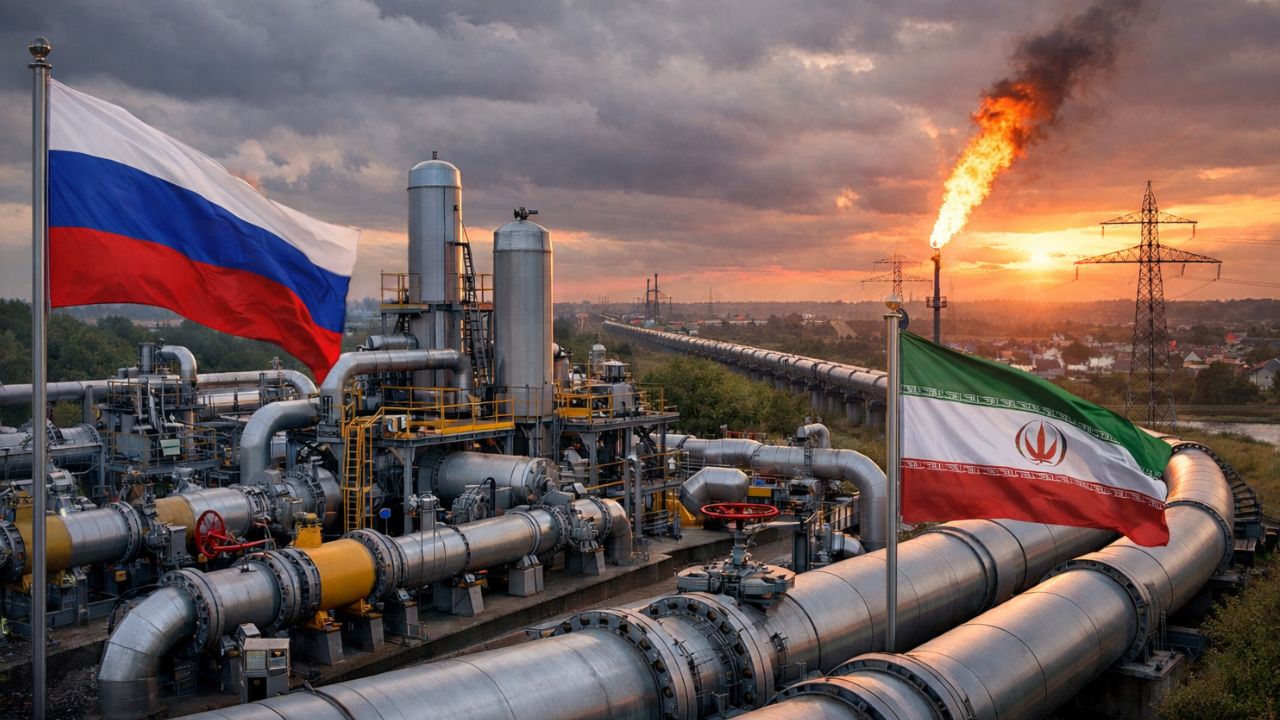
Russia Threatens to Cut Gas to Europe After Iran War Drives Up Energy Prices and Pressures Global Market.
The Russia may interrupt gas supplies to Europe, President Vladimir Putin warned on Wednesday (03/04/2023), amid surging energy prices caused by the escalation of the Iran war in the Middle East.
The statement came during an interview with Russian state television as the global energy market reacts to conflicts involving Iran, Israel, and the United States. According to the Russian leader, the possibility is also related to the European Union’s plans to completely ban the import of Russian gas in the coming years.
The energy crisis intensified after military attacks and tensions in the Persian Gulf affected strategic oil and gas transport routes.
-
Middle East War Hits Fertilizers and Transportation and May Strain Brazilian Wallets
-
How A War Thousands of Miles From Brazil Started Disrupting Global Shipping Routes, Raising Container Costs, and Putting Up to 40% of Brazilian Beef Exports at Risk
-
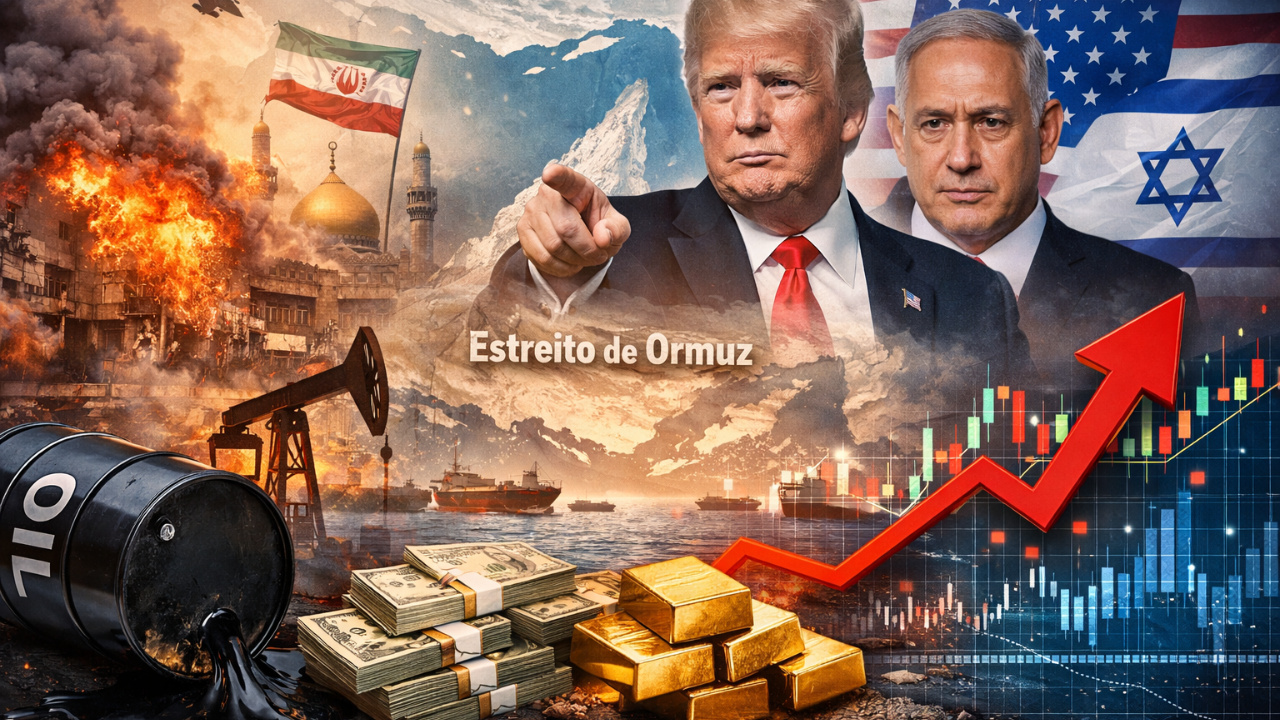
Iran-U.S. War Drives Up Oil Prices and Pressures Global Financial Markets
-
Agricultural Parliamentary Front Presses For Safeguards In The Mercosur Agreement


As a result, the closure of the Strait of Hormuz and the shutdown of energy facilities quickly raised international fuel prices and pressured the European energy market.
In this scenario, Putin stated that Moscow could redirect its exports to other more lucrative markets.
“Now other markets are opening up. And it may be more advantageous for us to stop supplying the European market at this moment. To enter these markets that are opening up and establish ourselves there”, Putin said, according to a transcript released by the Kremlin.
Nonetheless, the president emphasized that the possibility does not represent an immediate decision.
“This is not a decision; it is, in this case, what is called thinking out loud. I will certainly instruct the government to work on this issue together with our companies.”
See also: Petrobras Fertilizers Advance and Reduce Impact of the Middle East War on Brazil.
See also: Shell May Take Control of Raízen After Billion-Dollar Crisis and Impasse with Cosan
Iran War Drives Up Energy Prices and Impacts Global Gas Market
The escalation of the Iran war has triggered an immediate reaction in the international energy market. Attacks involving the United States, Israel, and Iran have directly affected oil and gas flows in the Middle East, one of the most strategic regions for global supply.
Additionally, navigation through the Strait of Hormuz—route for about one-fifth of the world’s liquefied natural gas—was interrupted. The situation has also led to the shutdown of Qatar’s LNG production and impacted energy facilities in Saudi Arabia.
Putin stated that the military escalation has directly influenced the rise in energy prices, both for oil and gas.
According to him, European consumers have come to accept paying higher prices to ensure supply amid uncertainties.
“Clients willing to buy the same natural gas at higher prices have emerged, in this case due to events in the Middle East, the closure of the Strait of Hormuz, and so on”, Putin said. “This is natural; there is nothing here, no political agenda—it’s just business.”
Russia Has Lost Ground in the European Gas Market
Despite the threat of interruption, Russia has already lost a large part of the European gas market since the start of the Ukraine war in 2022. Before the conflict, Moscow was responsible for about 40% of the gas reaching the European Union via pipelines.
Currently, that number has drastically fallen to about 6%, according to data from the European Union itself.
The decline occurred because European countries sought to diversify suppliers and reduce energy dependence on Russia. In this process, new exporters have taken the space left by Moscow.
Among them are:
- Norway
- United States
- Algeria
At the same time, the Russian state giant Gazprom has lost market value. In 2007, the company was valued at over US$ 330 billion. Today, the value is around US$ 40 billion.
Gas Prices in Europe Soar Amid Middle East Crisis
Meanwhile, the escalation of the Iran war has caused a historic surge in energy prices in Europe.
Benchmark prices for wholesale natural gas in the Netherlands and the United Kingdom rose by over 50% following the intensification of attacks in the Middle East.
By around 1:30 PM (Brasília time), gas reached £111.66, accumulating an increase of over 60% compared to the previous week’s close.
Part of the pressure is because many tankers have suspended the transportation of oil, fuels, and liquefied natural gas (LNG) through the Strait of Hormuz.
QatarEnergy, the world’s largest producer of natural gas, confirmed the suspension of operations at some facilities following military attacks.
“Due to military attacks on operational facilities of QatarEnergy in the Industrial City of Ras Laffan and in the Industrial City of Mesaieed, in the State of Qatar, QatarEnergy has suspended the production of liquefied natural gas (LNG) and associated products”, the statement reads.
Europe Faces Risk of Gas Shortage
The situation worries energy sector analysts. About 20% of the world’s LNG passes through the Strait of Hormuz, and any prolonged interruption could trigger a global scramble for new supply sources.
Ole Hvalbye, commodities analyst at SEB, warned of the direct impact on the European market.
“Approximately 8 to 10% of European LNG imports are indirectly linked to flows from Hormuz. In the event of an interruption, Asian buyers would aggressively bid for US LNG cargoes, tightening the market in the Atlantic basin and drastically raising European prices.”
Another worrying factor is the level of gas storage in Europe. Stocks are currently at about 30% of capacity, after a harsh winter depleted some reserves.
Analysts say a partial disruption of energy flow could further increase the cost of energy on the continent.
Rabobank experts estimate that the benchmark price of gas in Europe could reach €50 per megawatt-hour if the crisis persists.
Russia Seeks New Markets to Export Gas
In light of the reduced European market and the instability caused by the Iran war, Moscow has intensified its search for new buyers.
The main bet of Russia is Asia, especially China, currently the largest energy importer in the world.
Even so, Putin insists that the country remains a reliable supplier.
“Russia has always been and continues to be a reliable energy supplier to all our partners, including, by the way, the Europeans”, said the Russian president.
According to him, Moscow will continue to work with countries that maintain stable trade relations, including Eastern European nations such as Slovakia and Hungary.










Seja o primeiro a reagir!