





 Portuguese
  English
  Spanish
  3 min of reading
  0 comments


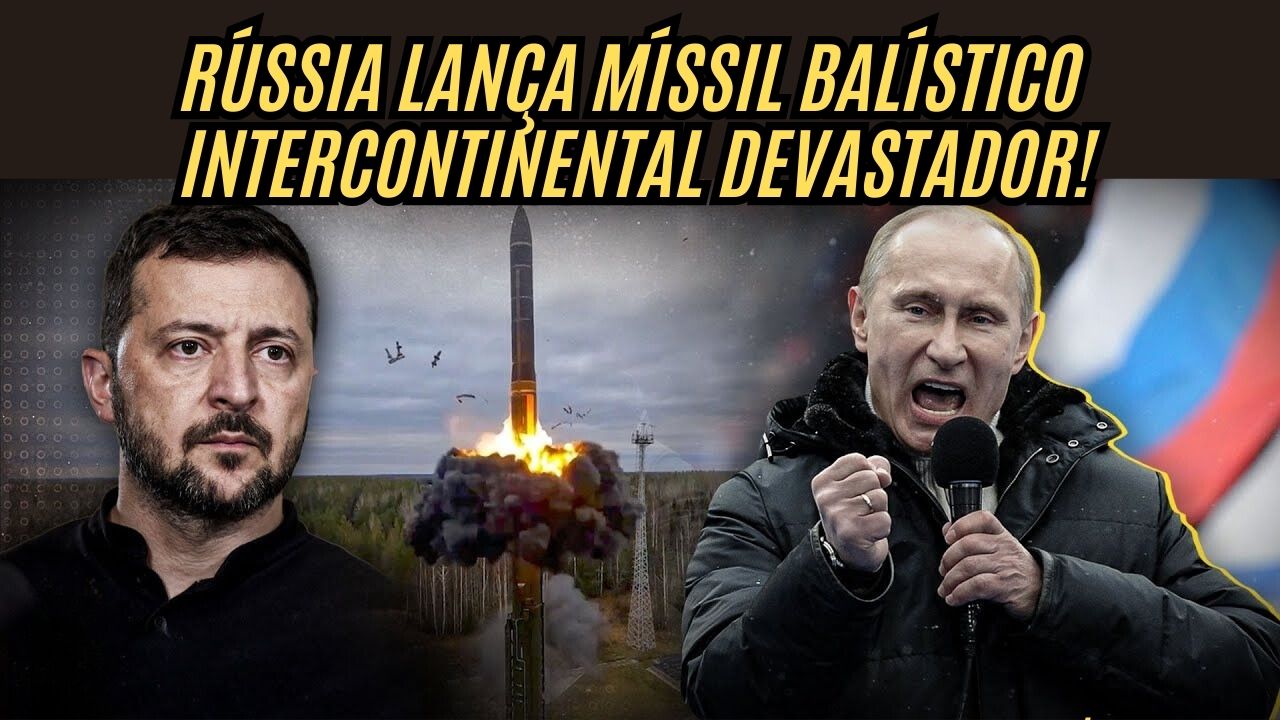
Russia Intensifies Conflict and Launches Intercontinental Ballistic Missile in Attack Against Ukraine. Russian Military Escalation Includes Unprecedented Use of Strategic Weaponry Amid War
Russia, nearly two years after the onset of the conflict with Ukraine, took another step toward military escalation this Thursday (21). During an attack against Ukrainian territory, the country launched an intercontinental ballistic missile, something unprecedented since the start of the war. The Ukrainian Air Force confirmed the use of this strategic weapon, traditionally associated with nuclear capabilities, although there was no confirmation that the missile carried a nuclear warhead.
The launch of the intercontinental ballistic missile generated significant international repercussions, given the risk it poses. These missiles are designed to carry warheads over distances exceeding thousands of kilometers and are considered pillars of deterrence in high-intensity conflicts. Even if only carrying a conventional warhead, the mere use of an ICBM in a war zone raises the level of tension in Eastern Europe.
Meanwhile, Ukraine has also been responding decisively. In response to the increased hostilities from Russia, Kyiv has intensified attacks on strategic targets within Russian territory.
-
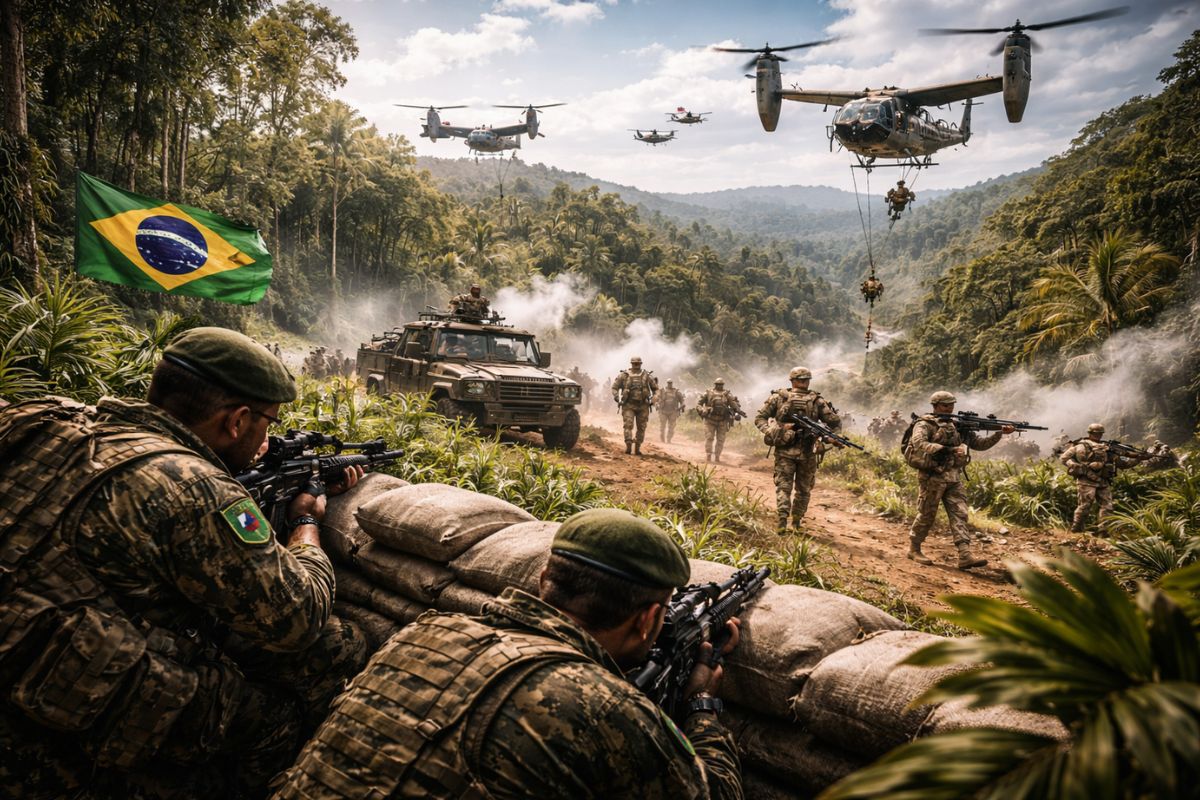
If the USA were to go to war with Brazil, Washington’s greatest fear would not be the attack itself, but facing a vast territory, prolonged resistance, and a costly, chaotic, and unpredictable occupation.
-
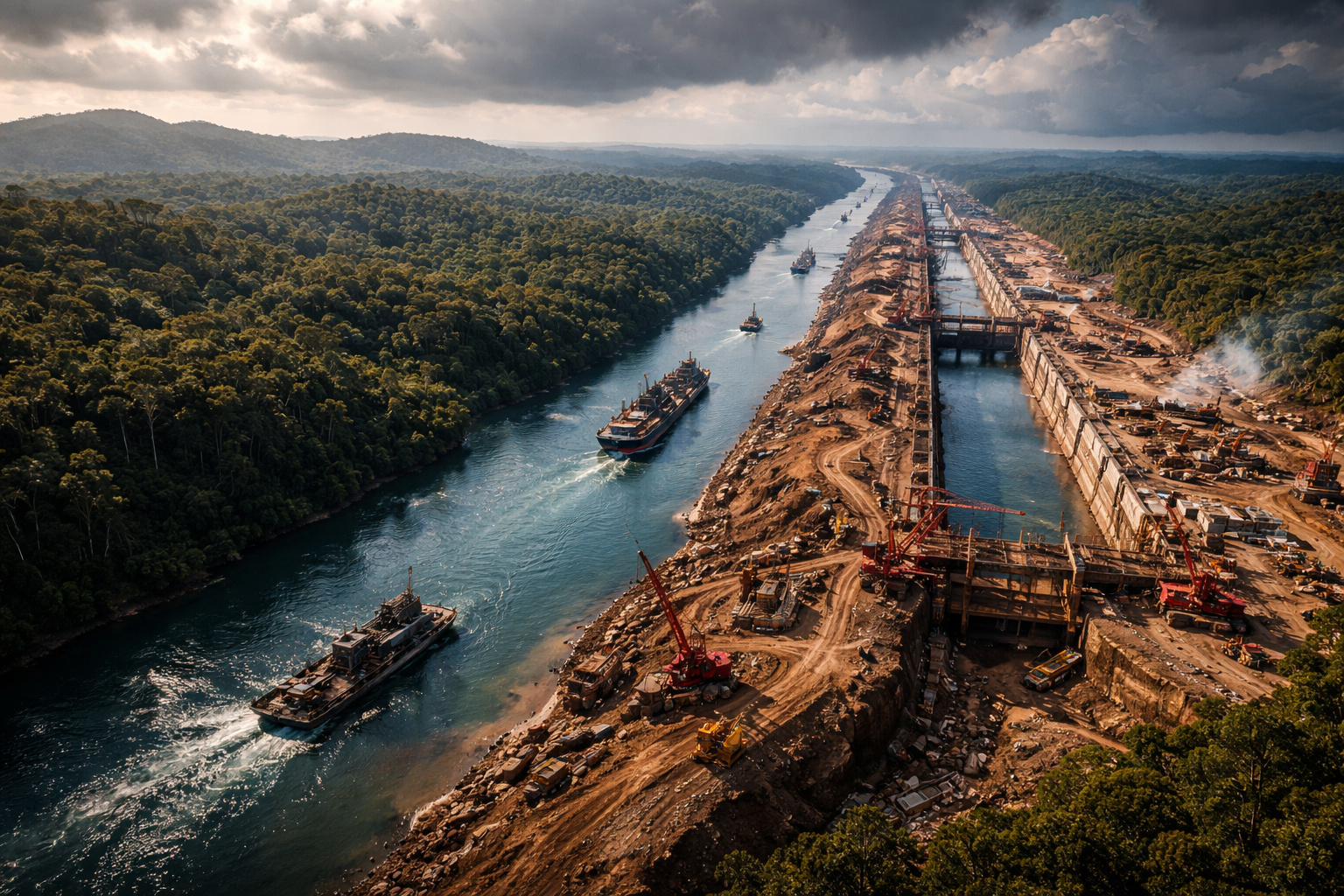
In 2013, Nicaragua sold the concession for a canal to rival Panama to a Chinese billionaire who lost 85% of his fortune, disappeared, and was declared bankrupt. Now the project resurfaces with a new route, a new Chinese partner, and a cost of $64.5 billion.
-
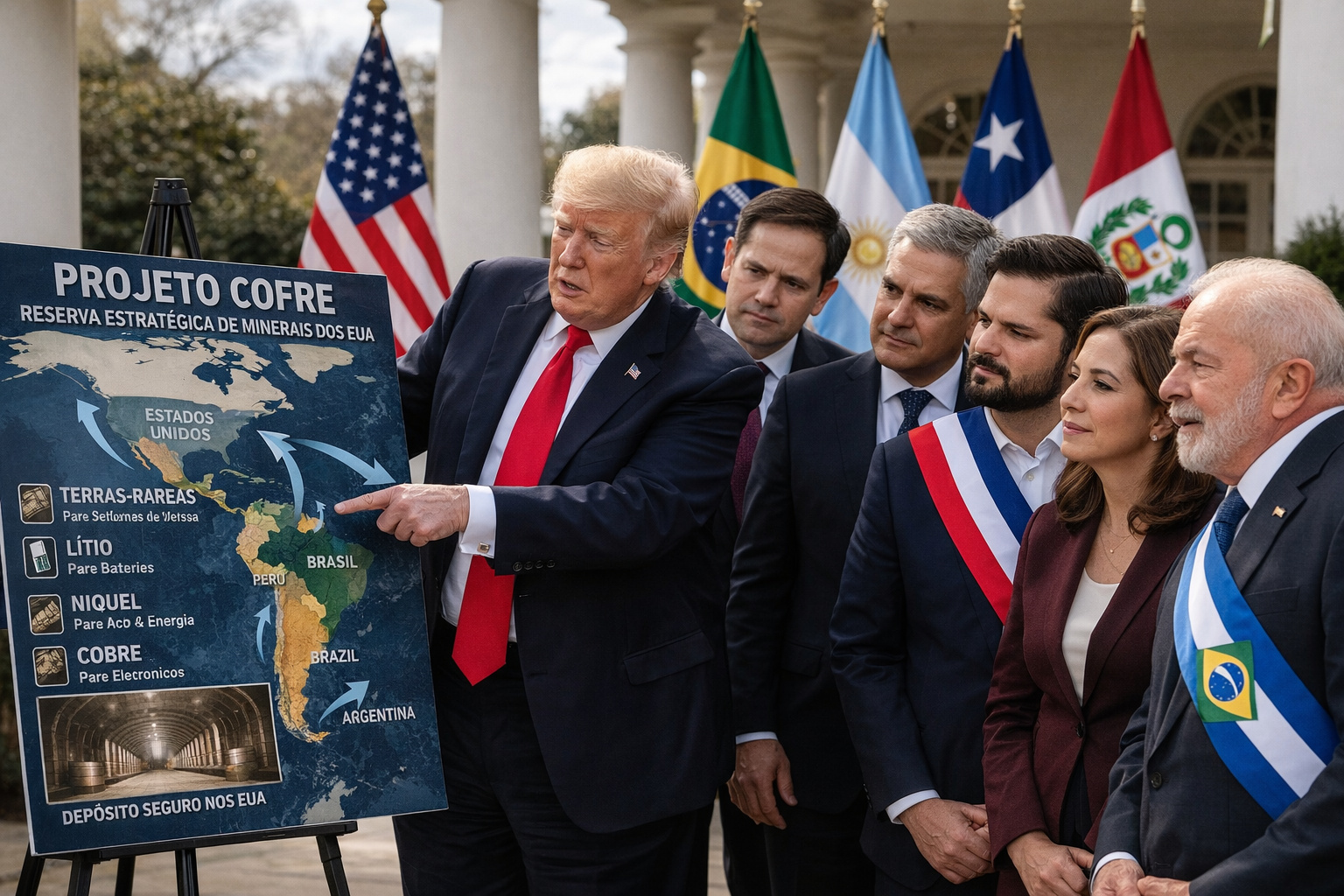
The USA announces a mysterious billion-dollar vault project to store critical minerals, but what intrigues experts is not just the plan itself, but why Latin America, including Brazil, has entered the center of this global dispute against China.
-
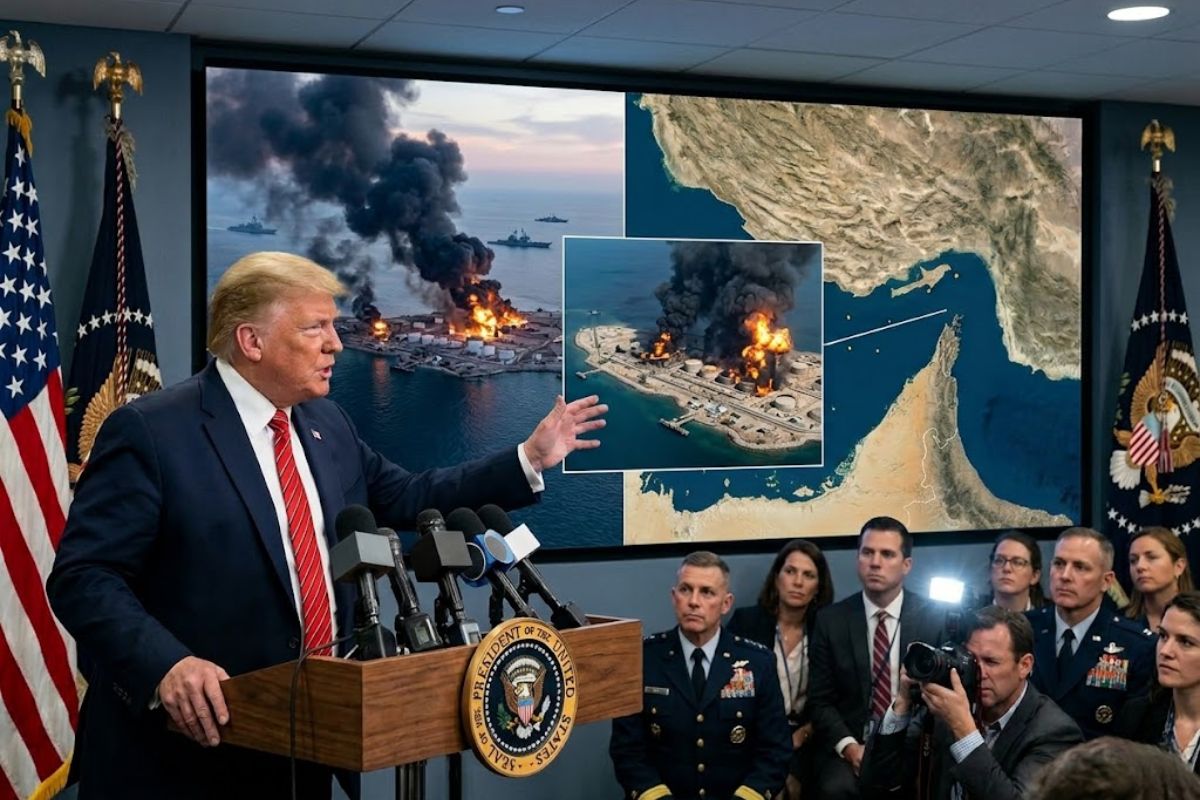
Trump Announces Bombing of U.S. Military Targets on Iranian Island Responsible for About 90% of Iran’s Oil Exports, Warns of Further Attacks if Navigation in Strategic Strait of Hormuz Is Threatened

Using missiles supplied by Western allies, such as ATACMS and Storm Shadow, the country has targeted bases and support structures beyond the combat lines. This strategy aims not only to repel Russian forces but also to deter further attacks.
What Does the Use of Intercontinental Ballistic Missiles Mean?
Intercontinental ballistic missiles are key tools in the military strategy of major powers. Capable of hitting targets at long distances with high precision, they typically form part of the nuclear arsenal of countries like Russia.
The use of this type of weapon, even without a nuclear payload, raises international concern, as it demonstrates Russia’s willingness to intensify the conflict, increasing the risks of more serious developments.
Global Impact and Next Steps
The escalation of the war reinforces the fragility of international stability, especially with the direct and indirect involvement of global powers. Continued support from Western allies to Ukraine and the use of missiles supplied by the United States and United Kingdom demonstrate the West’s readiness to support Kyiv, but also amplify the geopolitical implications of the conflict.
Additionally, the political maneuvering in the United States, with Donald Trump promising to negotiate peace, brings uncertainties about the future of international actions. However, the situation on the battlefield indicates that both Russia and Ukraine are seeking dominant positions before any peace dialogue, which could prolong the conflict and its regional and global consequences.
As the war approaches a thousand days, Russia’s use of an intercontinental ballistic missile marks a moment of high tension and reaffirms that the path to resolution of the conflict still seems distant.









Seja o primeiro a reagir!