





 Portuguese
  English
  Spanish
  5 min of reading
  6 comments


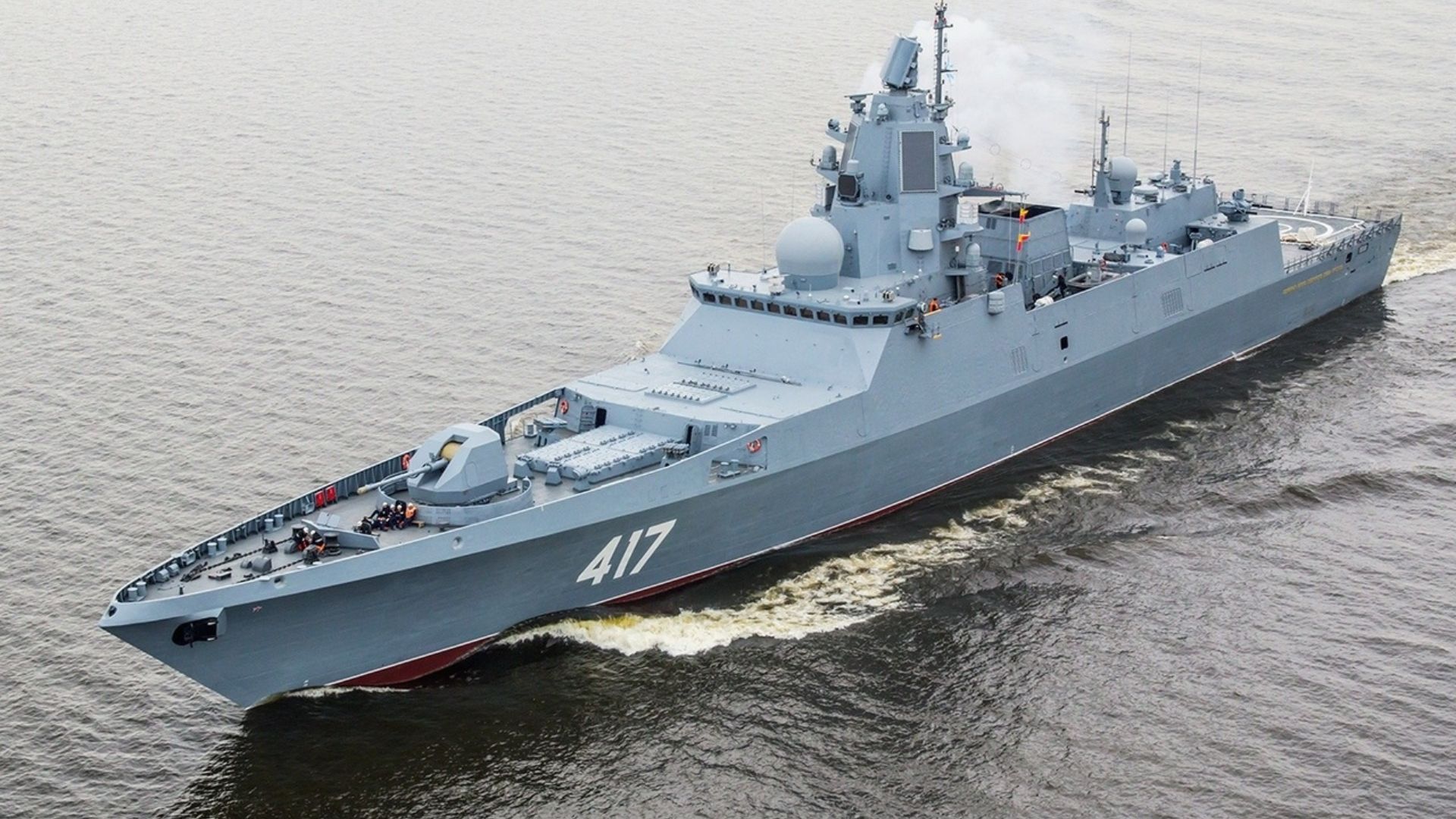


Launch of the Frigate Admiral Amelko Grabs Attention for Combining Oceanic Size, Dimensions, and Industrial Signals Linked to Project 22350, Class Described as Multipurpose and Associated with Russian Naval Modernization, with Direct Impact on Reading About Production Pace and Integration of Systems.
Russia launched the frigate Admiral Amelko, a warship of the Project 22350 launched at the Severnaya Verf shipyard in Saint Petersburg, in a ceremony presented by Russian officials as a demonstration of industrial capacity and continuity of naval modernization.
The vessel is part of a class described by Russian state agencies and public statements as a multipurpose platform aimed at both near maritime zone missions and longer-range operations, focusing on combating surface targets, aerial threats, and submarines, as well as actions against land targets when equipped for precision strikes.
The data released by state and international media about Project 22350 highlight the size of the ship and the global interest that accompanies launches of this type, as the class is treated as one of the main bets for Russian ocean escorts in the post-Soviet era.
-
Spain surprises the world by erecting 62 artificial dunes, mixing sand with natural remains of posidonia, and causing the structure to lose only 1.4% of its volume in 1 year.

-
With 16 Bulava missiles, improvements in acoustic stealth, and a design focused on silent patrols, Russia’s nuclear submarine was born to ensure Moscow’s invisible retaliation and has become one of the pillars of its maritime strength.

-
‘Populous’ city in Rio among the worst in Brazil in national ranking and exposes silent development crisis.

-
Couple buys house in the South Zone of São Paulo, opens a hidden door in the garage, and finds a secret wine cellar with dozens of old wines forgotten since the 1970s.

Project 22350 and the Oceanic Size of the Admiral Amelko
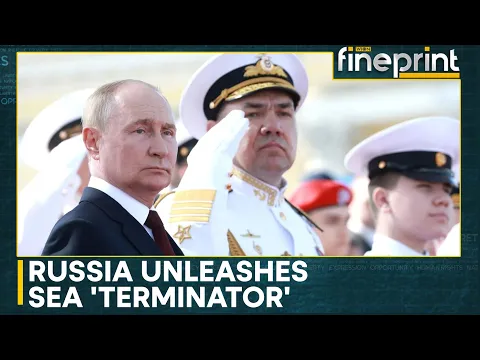

According to the Chinese agency Xinhua, the frigates of Project 22350 have a displacement of around 5,000 tons, a length of 135 meters, and a beam of 16 meters, numbers used as a reference to characterize the oceanic profile of the project and explain why the launch of the Admiral Amelko is presented as a milestone for Russian shipbuilding.
In the same coverage, the Commander-in-Chief of the Russian Navy, Admiral Alexander Moiseyev, stated that the frigate is capable of performing typical tasks of a multipurpose ship both in near maritime areas and in distant zones, a declaration aligned with the institutional discourse that the project was conceived for operational flexibility.
The official narrative of the event also included an industrial reading, associating the launch of the ship with the country’s capability to produce modern and high-tech maritime equipment, in direct reference to the strategic weight of the naval sector within Russian defense policy.
Severnaya Verf, Saint Petersburg, and the Ship’s Float Out
The Russian agency TASS described the act as the “float out” of the frigate Admiral Amelko, a term used when the hull is launched into the water and proceeds to subsequent stages of outfitting and testing, during which internal systems, sensors, and armaments are integrated and verified before commissioning.
According to TASS, the Severnaya Verf, which is part of the United Shipbuilding Corporation, was presented as the launch site and as a centerpiece in the construction of ships for Project 22350, reinforcing the message of industrial continuity and serial production of a class considered a priority.
Mentioned Armaments and Capabilities Attributed to Project 22350
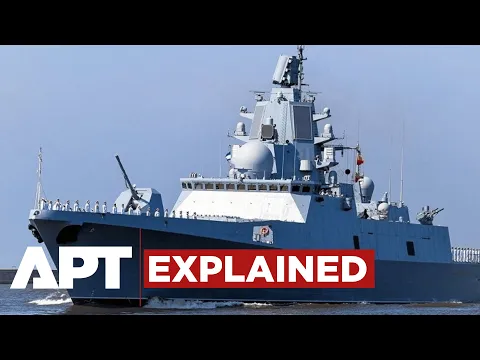
Regarding the general capabilities of Project 22350, TASS stated that frigates of this type displace 4,500 tons and can reach 29 knots, in addition to mentioning, as characteristic armaments of the class, Oniks and Kalibr missiles and the Poliment-Redut air defense system.
The same report described Project 22350 as a program aimed at producing multipurpose ships capable of engaging surface targets, aircraft, and submarines, as well as conducting attacks against land and coastal installations at long range, in a reference that, in the text, appears associated with the strategic employment concept of the project.
Why Launches of This Type Make News Outside the Military Sector
What sustains public curiosity outside the specialized defense universe is that the launches of frigates do not only involve the “birth” of a hull, but signal production pace, availability of skilled labor, and the capacity to integrate electronics, propulsion, and armaments into a single system, all in a highly regulated industry dependent on complex supplier chains.
In terms of public communication, the combination of objective numbers, such as 135 meters in length and around 5,000 tons, with the idea of an “ocean ship” tends to create an immediate hook for readers from any country, as it allows sizing the equipment’s size and role without requiring prior familiarity with military nomenclature.

The event took place on August 14, according to Xinhua and TASS, and was presented as the launch of the fifth ship of a series associated with Project 22350, information that appears in reports to frame the Admiral Amelko within a process of continued production and not as an isolated unit.
Series of Frigates 22350 and the Narrative of Russian Naval Modernization
In Xinhua’s coverage, the information that Russia has three frigates of Project 22350 in service in the Northern Fleet was used to contextualize the class as an already operative force, while the Admiral Amelko was described as part of the group that should reinforce the naval power of the country and, later, integrate into the Pacific Fleet.
The international interest in this class is also supported by the reputation attributed to Project 22350 as a modern escort platform in the Russian inventory, associated with sensors and weapon systems designed to operate alongside other naval units, protect formations, and maintain presence in ocean routes, within the concept of a “multipurpose ship” cited by officials.
When agencies and analysts point out that a frigate “does everything,” the discussion often falls on the architecture that allows this employment, as the proposition of a ship capable of facing aerial and submarine threats, in addition to attacking land targets, requires sophisticated integration between radar, fire control, communications, electronic warfare, and armaments, with a level of complexity that differentiates oceanic ships from smaller vessels.
Integration of Systems, Testing, and What the Float Out Represents
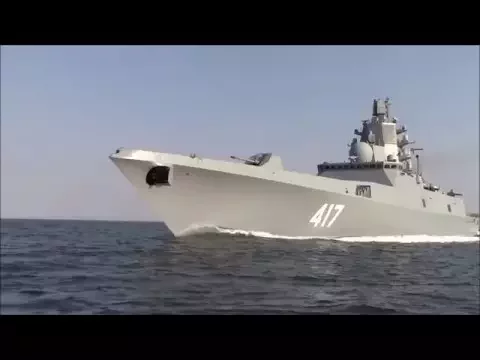
The dynamics of the “float out” also draws attention for marking a transition between structural construction and the phase of system installation, which is where much of the timelines and costs of a warship concentrate, as the vessel begins to receive cables, consoles, sensors, launchers, and safety items that transform a hull into a combat system.
Even when public discourse highlights the launch as a symbol of naval power, the journalistic record of the event tends to emphasize what is verifiable: where it occurred, what class is involved, what dimensions and displacement were reported by official sources, and how authorities described the role of the ship, without extrapolating combat performance or employment scenarios beyond what was stated.
In the case of the Admiral Amelko, the construction of interest goes through this set of elements: a 135-meter ship launched in Saint Petersburg, linked to a class presented as the most advanced of its kind in the Russian navy, and cited as part of a series intended to support operations in both near and distant maritime zones, with multipurpose capability.
With the Admiral Amelko in the water and Project 22350 again at the center of the news, what onboard technologies and what industrial signals should be observed in the next steps to indicate the real pace of delivery of these ships?






Digo, eleitos por seus admiradores!
Que vontade de matar! Li hoje que só a 2ª guerra mundial, matou mais gente do que Rússia e Ucrânia! Chega de guerra! E esses caras, conseguem dormir. Ganância! Gastam um dinheirão, para atacar ou se defender!
Um navio desse, faz tudo. Mas, tem muitos doidos no poder, é a situação. O pior que muitos são eleitos por seus administradores …
Admiral Amelco sinaliza a força industrial da Marinha Russa, posta em xeque na Ucrânia e Europa.