





 Portuguese
  English
  Spanish
  3 min of reading
  0 comments


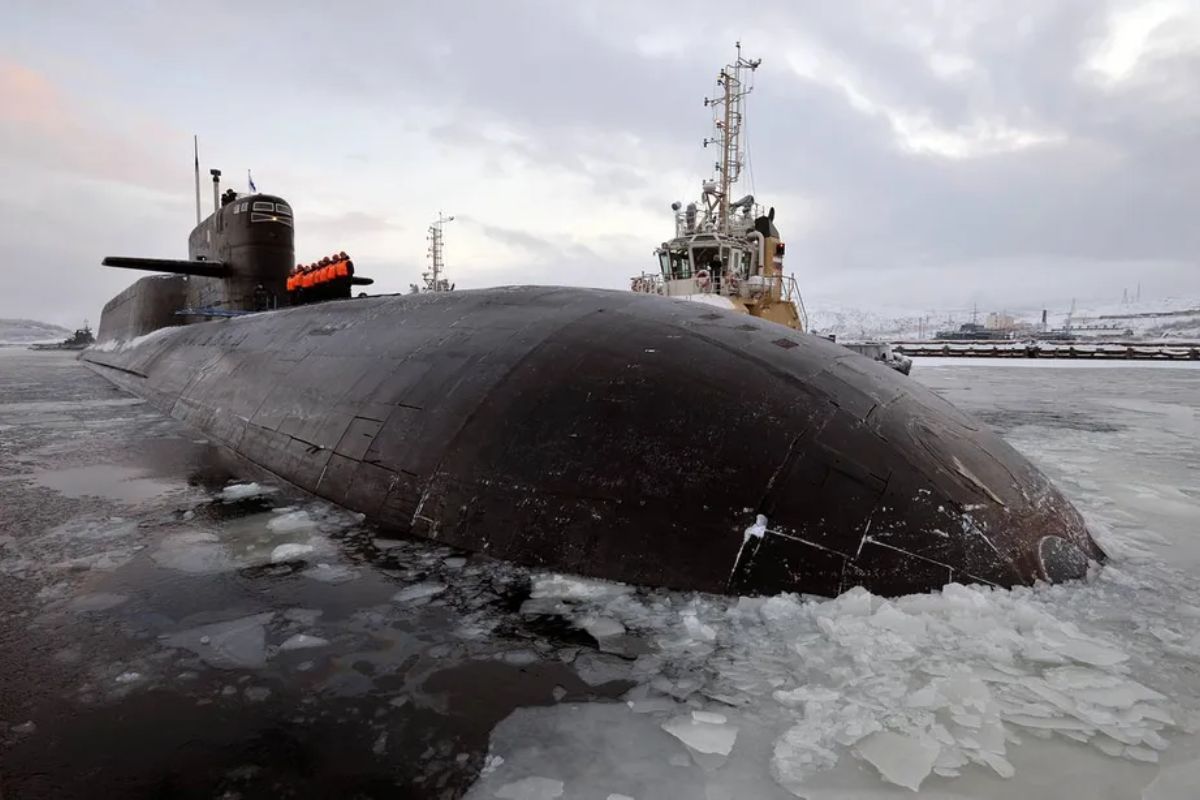
Magnitude 8.8 Earthquake Hits Kamchatka, Region Where Moscow Concentrates Part of Its Strategic Nuclear Submarine Fleet
An earthquake of magnitude 8.8 hit the Kamchatka Peninsula in the far east of Russia this week. Although there were no casualties, the epicenter was less than 100 km from the major naval bases of Russia’s nuclear deterrent, where submarines capable of launching intercontinental ballistic missiles operate.
Experts warn that the natural event puts under scrutiny Russia’s military strategy of concentrating its most sensitive assets in a geologically unstable region. So far, the Moscow government claims that there has been no damage to the facilities, but the international community is monitoring the situation closely.
Borei and Yasen Submarines Operate in Russia’s Most Sensitive Region
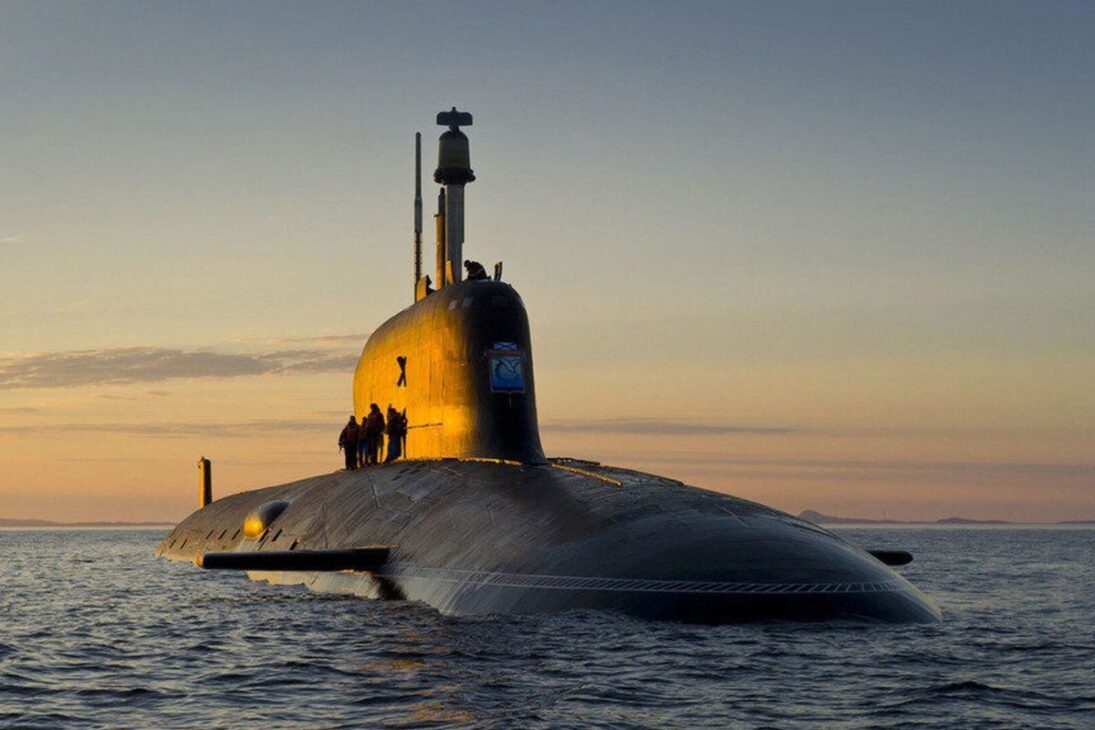
The Avacha Bay in Kamchatka hosts the Rybachy base, the core of the Russian nuclear strategic submarine fleet in the Pacific. It is here that the Borei and Borei-A class submarines are located, forming the underwater leg of Russia’s nuclear triad. These vessels carry ballistic missiles with nuclear warheads and are designed to ensure a response in the event of a global conflict.
-
With 30 meters in length, a house in England appears to float in the air and surprises engineers and architects around the world due to its visual effect and construction method suspended over sloped terrain.

-
Called El Inmortal, the building that survived earthquakes in Ecuador seems to balance, defies the laws of physics, and impresses with its bold construction structure.
-
A gigantic dam project in the Himalayas could solve one crisis but silently create another for millions of people.
-
Nikola Tesla said that intelligent people tend to have fewer friends, and now science partially confirms this: a study with over 15,000 people showed that for the more intelligent, socializing too much can even reduce life satisfaction.


In addition to them, the region also hosts units of the Yasen-M class, advanced attack submarines that the United States considers one of the biggest underwater threats today. There is also a presence of Oscar II submarines and vessels with secret purposes, such as the K-329 Belgorod, designed to operate the intercontinental nuclear torpedoes Poseidon.
Natural Risk Exposes Structural Vulnerability
Despite their robustness, the facilities in Kamchatka were designed to withstand military attacks, not high-magnitude earthquakes. Reports from the portal The War Zone indicate that sudden variations in sea level can lead to serious incidents, such as breaks in moorings and flooding of maintenance compartments.
Although the geography of the bay may have softened the impact of the tsunami, the concentration of so much military power in a single unstable geographical point raises questions about the deterrence strategy adopted by Moscow. For analysts, the case shows that nature poses an unpredictable risk factor as significant as any geopolitical rival.
Belgorod, Poseidon, and the Invisible Threat
Another factor that heightened tensions was the possible presence, in the region, of the submarine Belgorod, the largest in the world. It is designed for covert operations and transport of Poseidon torpedoes, which can carry nuclear warheads capable of generating radioactive tsunamis.
If it were docked during the quake, any damage to the Belgorod or the Poseidon system could represent an uncontrollable global risk. Moscow has not confirmed its official position at the time of the tremor, fueling international speculation.
The Fragility of Deterrence in Geological Times
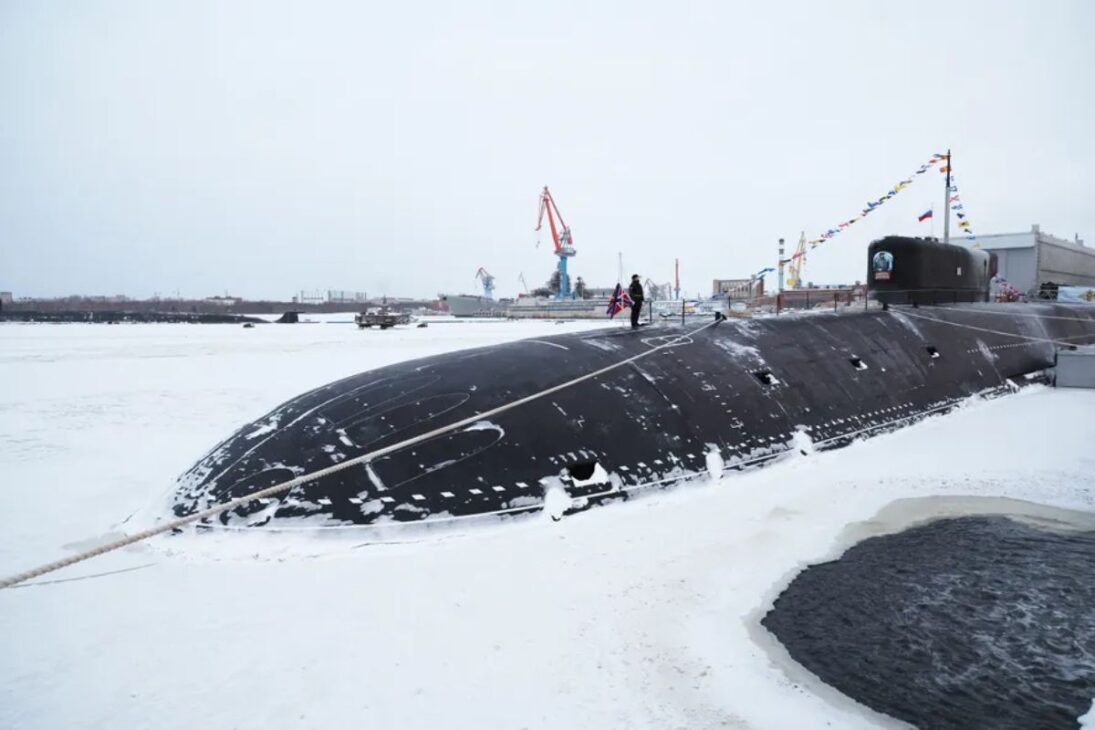
The earthquake in Kamchatka highlights a strategic dilemma: to what extent is it safe to centralize nuclear retaliation capacity in remote, yet geologically unstable locations? The incident reignites the debate over the security of nuclear arsenals against natural disasters, something beyond military control.
The international community, especially rival nuclear powers, remains vigilant for any signs of damage or changes in the operational pattern of the Russian fleet in the Pacific. After all, the stability of the world may depend not only on human decisions, but also on the unpredictable force of the Earth.
Does this earthquake change your view on the real risk of the nuclear arsenal? Does Moscow’s strategy make sense in light of natural threats? We want to hear your opinion in the comments, especially from those following geopolitics and international security.





-

-

-

4 pessoas reagiram a isso.