





 Portuguese
  English
  Spanish
  3 min of reading
  0 comments


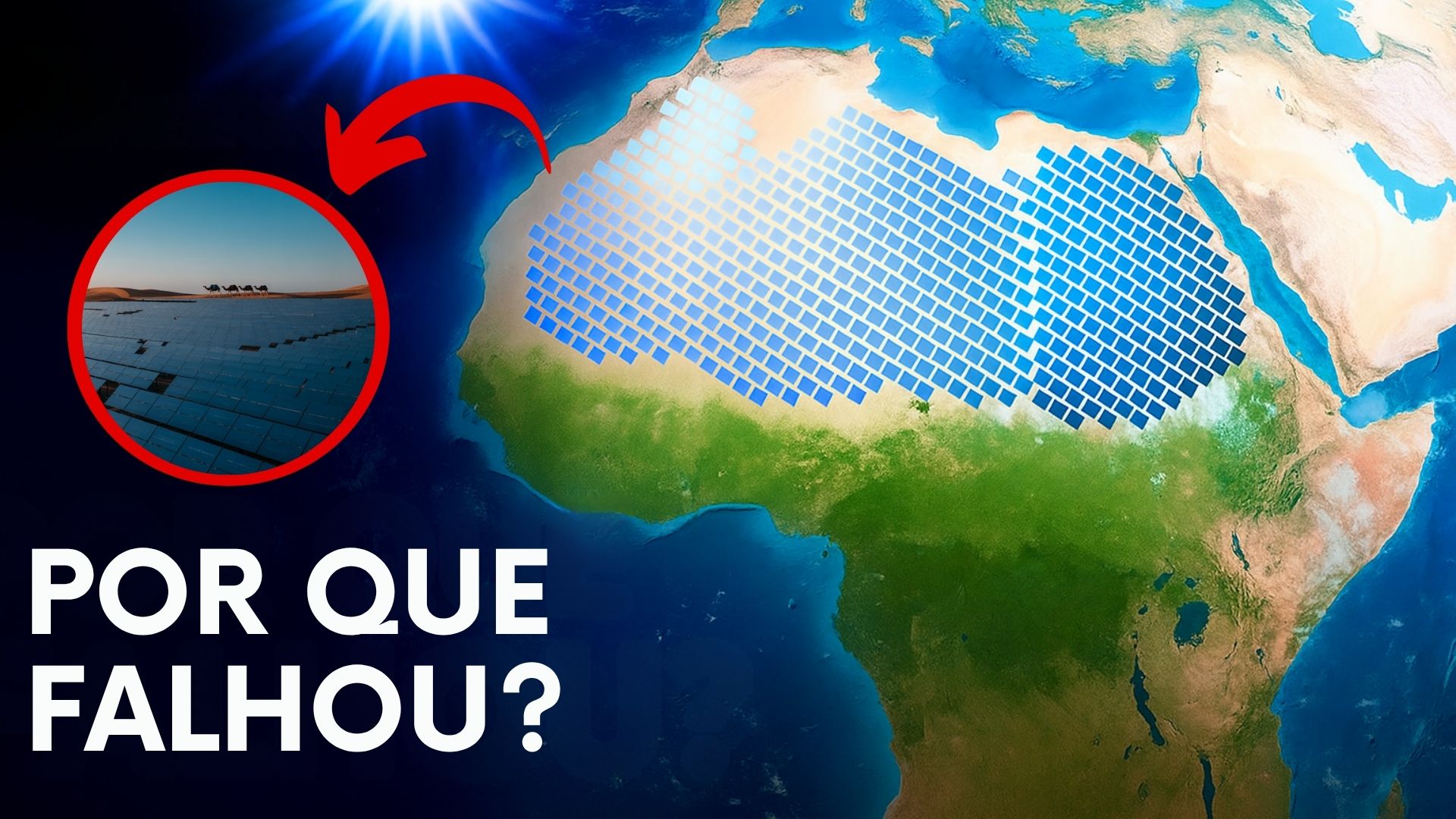
Desertec Promised to Transform the Sahara Into a Global Solar Plant and Generate Clean Electricity for Europe. Understand Why the Project Failed and What Remains of the Initiative.
Desertec, a project launched in 2009 with support from European companies and countries in North Africa, aimed to transform the Sahara into a global solar plant and provide clean electricity to Europe. The proposal included the construction of large solar power plants in the desert, combined with wind farms, and the transmission of electricity through high-voltage cables to the European continent. The project promised to generate up to 15% of Europe’s electricity demand by 2050.
After years of studies and initial investments, Desertec did not progress as planned. The initiative, which once brought together companies such as Siemens, ABB, RWE, and Deutsche Bank, was discontinued in its original form. Today, Desertec is remembered as one of the biggest failures in the renewable energy sector in recent times.
What the Desertec Project Entailed
The solar project in the Sahara involved the installation of concentrated solar power (CSP) plants, large photovoltaic fields, and wind farms in areas of the desert and North Africa. The energy would be transported via HVDC (high voltage direct current) lines across the Mediterranean, reaching countries like Spain, Italy, and France.
-
Seagri’s headquarters invests in solar energy with Neoenergia Coelba and promises to cut electricity costs, highlighting a strategic advance in sustainability and energy efficiency within state public administration.
-
Solar Pyramid draws attention by converting solar energy into million-dollar savings and repositioning the City Hall of Curitiba as an example of innovation, sustainability, and intelligent use of public resources.
-
Europe records strong euro economy with solar energy in March and sparks curiosity about which country leads growth that redefines the energy market and reduces costs.
-
Piauí reaches a historic milestone in energy transition: State records nearly 160,000 households powered by solar energy and leads growth in the Northeast.
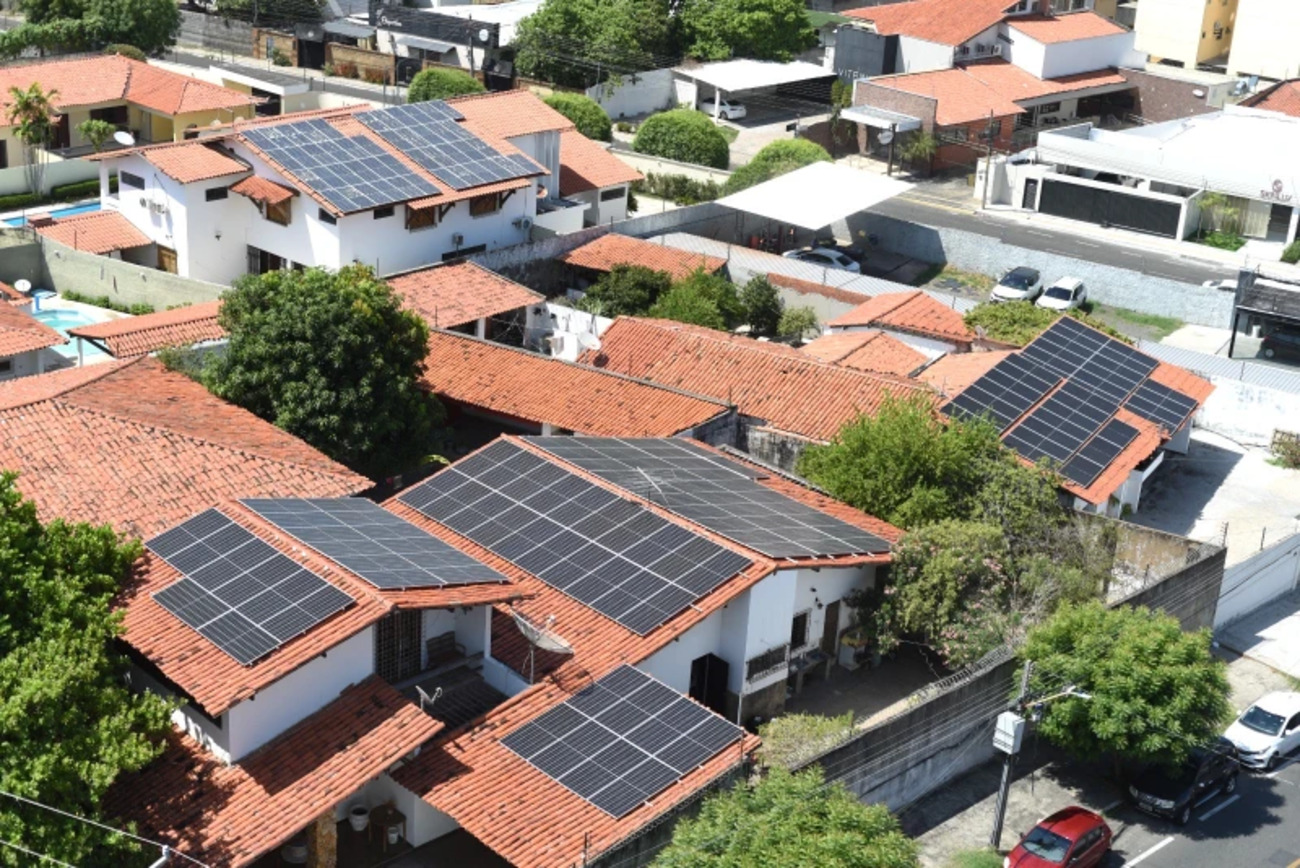

Studies at the time indicated that the Sahara receives more energy from the sun in just six hours than the world consumes in a year. The aim was to transform this abundance into a reliable source of clean electricity for two continents.
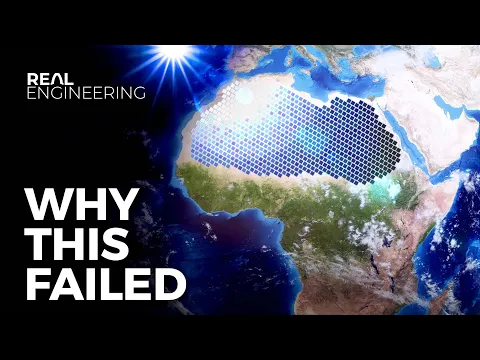

Why the Desertec Project Failed
Several factors explain why the Desertec project failed. Among the main ones are:
Political Instability
Starting in 2010, with the onset of the Arab Spring, North Africa faced a scenario of instability. Insecurity in the region deterred investors and made it difficult to reach agreements among the governments involved in the project.
High Costs
Desertec required investments on the order of €400 billion for the construction of power plants and transmission lines. Meanwhile, the price of solar energy in Europe began to fall rapidly, thanks to technological advancements and decentralized production on rooftops and lands close to consumer centers.
Technical Complexity
Building an integrated electricity network among various countries with different standards, regulations, and political interests proved to be a greater challenge than anticipated. The project encountered logistical and regulatory difficulties in connecting systems safely and efficiently.
Criticism of the Model
Organizations and experts questioned the centralizing concept of Desertec. The project was accused of reinforcing inequalities and even having traits of “eco-colonialism” by using lands and resources of African countries primarily to meet European demand.
What Remains of Desertec
Although Desertec failed as a global project, the idea of harnessing solar energy in the desert remains. Several countries in the region have progressed with their own renewable energy projects, such as the Noor complex in Morocco and Shams 1 in the United Arab Emirates.
The original consortium was dissolved and replaced by smaller initiatives, such as the TuNur project in Tunisia, which aims to export solar energy to Europe on a smaller scale. The Desertec Foundation continues to operate as an organization advocating for clean energy, but without large-scale projects underway.
The failure of Desertec demonstrated the limits of a model based on large energy export networks in politically unstable regions. The proposal to create a solar plant in the Sahara to serve Europe proved to be economically unviable and technically complex, at a time when distributed generation gained momentum worldwide.
Nonetheless, Desertec left a legacy: it helped to place the potential of deserts on the global agenda of the energy transition and inspired new regional projects that are more realistic and viable.








Seja o primeiro a reagir!