





 Portuguese
  English
  Spanish
  4 min of reading
  0 comments


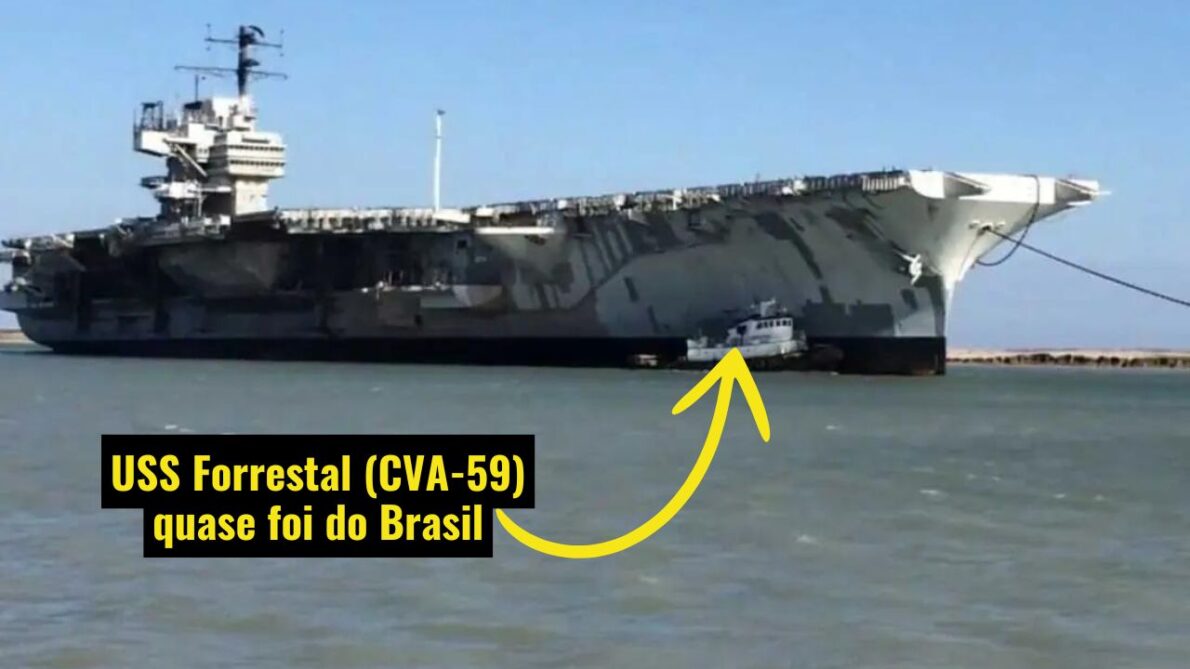
Behind the Scenes of Geopolitics After World War II, the United States Offered a Super Aircraft Carrier of the Forrestal Class to the Brazilian Navy, a Move That Would Have Significantly Elevated Brazil’s Naval Power.
In the post-war period, the United States, with an excess of military ships, proposed to transfer a super aircraft carrier of the Forrestal class to the Brazilian Navy. This offer, part of a broader strategy to reduce the American naval arsenal, promised to transform the Brazilian Navy into one of the most powerful in Latin America.
Brazil’s interest in strengthening its naval fleet dates back to 1945, after witnessing the devastating impact of aircraft carriers in World War II. The idea gained traction when the Brazilian Navy began to seek expansion, initially considering light aircraft carriers of the Independence class.
U.S. Offer of a Super Aircraft Carrier to the Brazilian Navy


However, the American offer did not materialize, primarily due to U.S. reluctance to provide aircraft carriers to Latin American countries, citing a lack of regional need for such vessels. Looking for alternatives, Brazil turned to Great Britain, acquiring the aircraft carrier Minas Gerais in 1950.
-
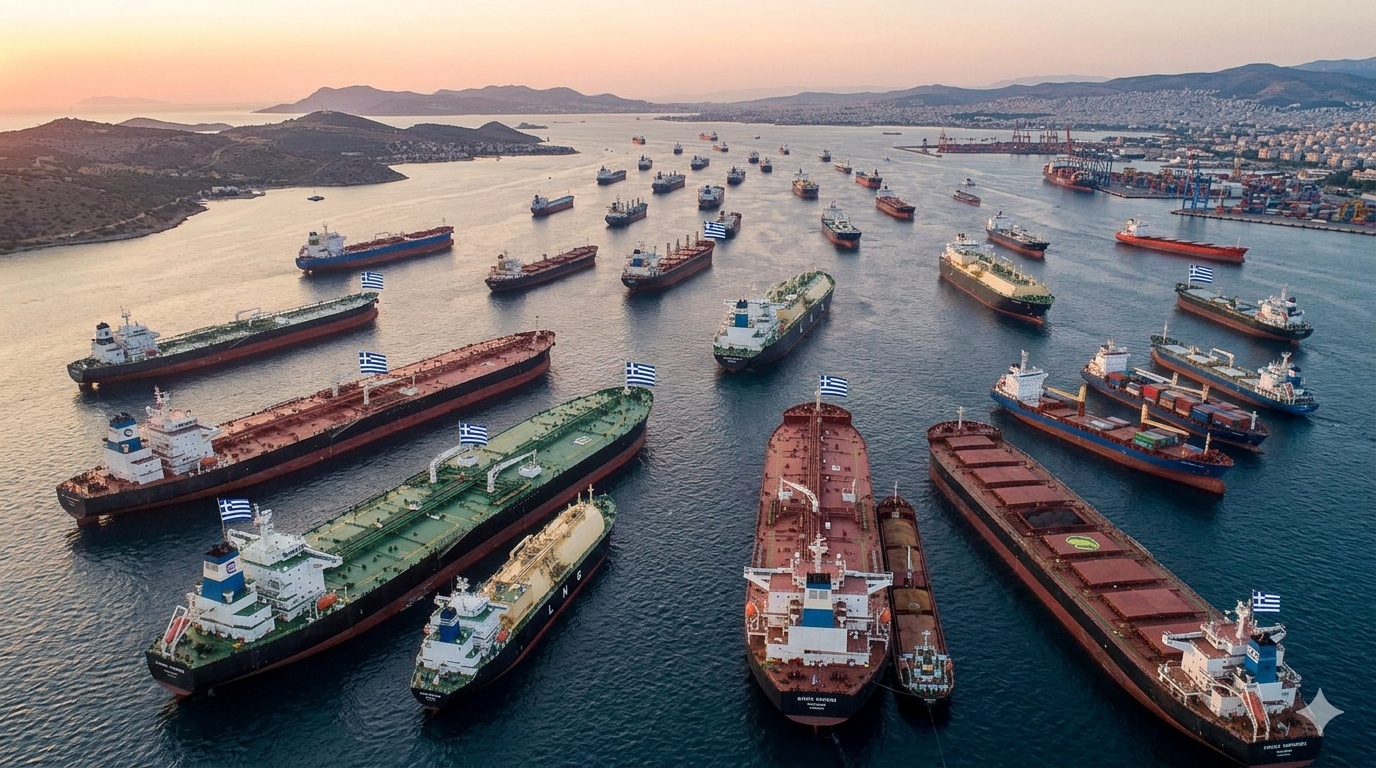
Neither the USA nor China: a small European nation has become one of the largest maritime powers on the planet, controlling one of the largest merchant fleets in the world with thousands of ships and dominating the global transportation of oil and strategic cargo.
-
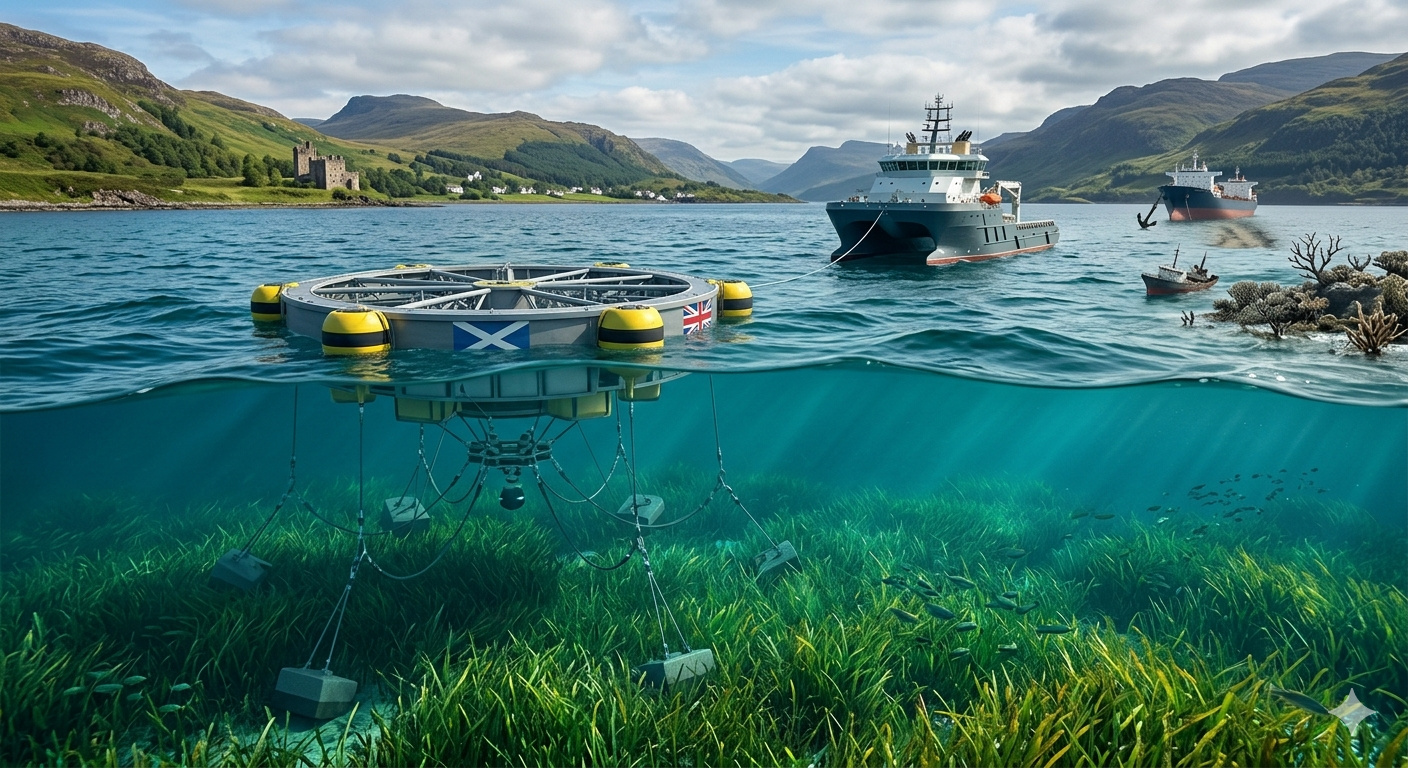
Scotland and the United Kingdom have created a new anchoring system that floats in the water without touching the seabed, after discovering that the current from a conventional anchor destroys up to 50 m² of seagrass meadow per event and that ship-damaged reefs showed no signs of recovery even ten years later.
-
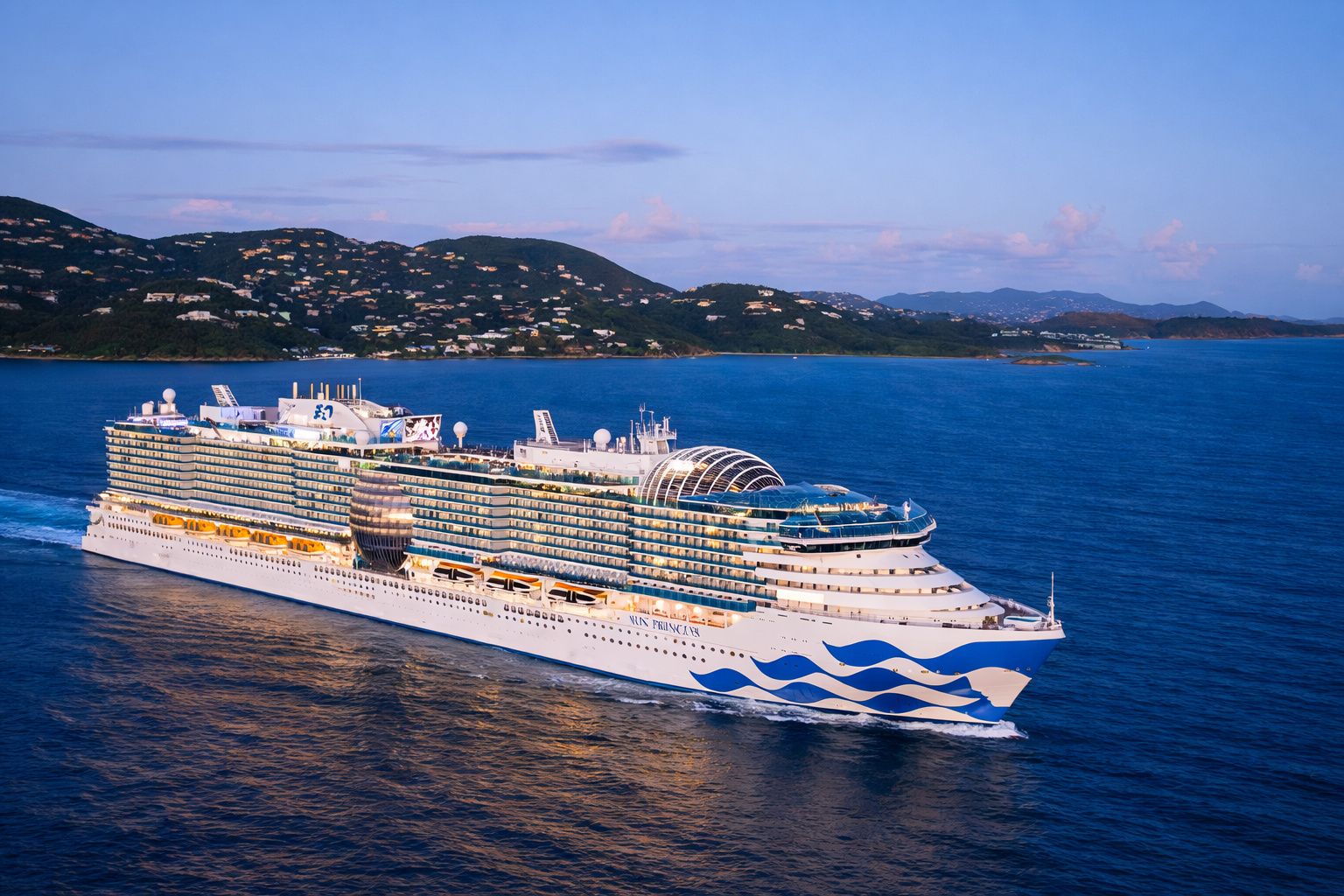
Weighing 175,500 Tons, Measuring 345 Meters Long, and With Capacity for Over 4,300 Passengers, the Sun Princess Becomes the Largest Ship Ever Built by Princess Cruises and Attracts Global Attention for Its Huge Glass Dome Inspired by Santorini’s Architecture Installed on Top of the Vessel
-
TX-10, The Colossus of The Sea: Largest Lifter Ship in The U.S., With Two Giant Barges, 73-Meter Tall Structure, and Strength to Raise 7,500 Tons of Sunken Oil Rigs

The possibility of integrating an American super aircraft carrier resurfaced in the 1990s, when Brazil planned to replace Minas Gerais with a vessel capable of operating more modern aircraft. Although the American offer was attractive, operational and cost limitations led Brazil to opt for the French aircraft carrier Foch, renamed São Paulo.
The narrative of the American proposal reflects the geopolitical changes and strategic needs of the Brazilian Navy. While the super aircraft carrier of the Forrestal class represented a qualitative leap, financial and operational implications led to a more pragmatic decision, marking an intriguing episode in Brazilian naval history.
The USS Forrestal (CVA-59)
The USS Forrestal (CVA-59) was a pioneer in the history of U.S. aircraft carriers, inaugurating the era of supercarriers. Launched in 1955, it was the first designed to accommodate the new generation of jets, marking a significant advancement in American naval capability. With innovations such as the angled flight deck and steam catapults, the Forrestal set the standard for future classes of aircraft carriers.
One of the darkest moments in its history occurred in 1967, when a devastating fire in Vietnam resulted in the deaths of 134 crew members. This incident highlighted the risks of air operations on ships and led to important safety reforms in subsequent aircraft carriers.
The classification of aircraft carriers into classes reflects technological and strategic evolutions. These categories help differentiate the ships by size, capacity, and technology, guiding navies in the composition of their fleets and defense strategies. Classes such as the Forrestal and the later Nimitz and Gerald R. Ford demonstrate the continuous evolution and specialization of these giants of the seas.
The Brazilian Navy
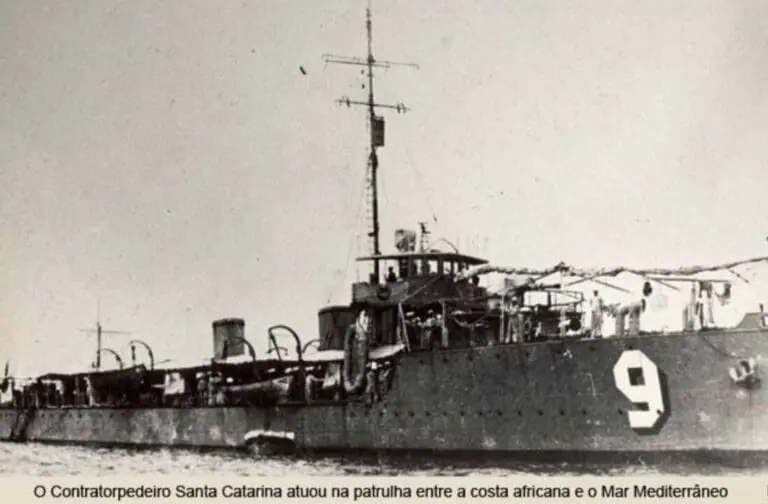
The naval history of Brazil is a chronicle of evolution and modernization. Since the colonial period, the Navy played a crucial role in defending and expanding Brazilian territory, in addition to aircraft carriers. During the Empire, Brazil made a mark by building one of the most powerful naval forces in South America, notably during the Paraguayan War (1864-1870), where it played a decisive role in the victory against Paraguay.
In the 20th century, the Navy continued to modernize and expand. After World War I, Brazil focused on strengthening its naval capability, integrating more modern and diversified ships. World War II marked a turning point, with Brazil actively participating in the Allied war effort, patrolling the South Atlantic and combatting Axis submarines.
The post-war era was a period of significant transformations, with the Brazilian Navy seeking to update and expand its fleet. This period included efforts to acquire aircraft carriers, such as Minas Gerais and, later, São Paulo, reflecting Brazil’s desire to project naval power and ensure maritime security along its vast coastline.
At the turn of the century, the Navy faced modernization challenges, balancing the need for advanced technology with budget constraints. The quest for a balance between tradition and innovation led to the incorporation of new technologies, such as unmanned aerial vehicles and nuclear-powered submarines, highlighting the Brazilian Navy as a progressive force in Latin America.










Seja o primeiro a reagir!