





 English
  Francês
  Alemão
  Italiano
  Japonês
  Norueguês
  Portuguese
  Spanish
  3 min of reading


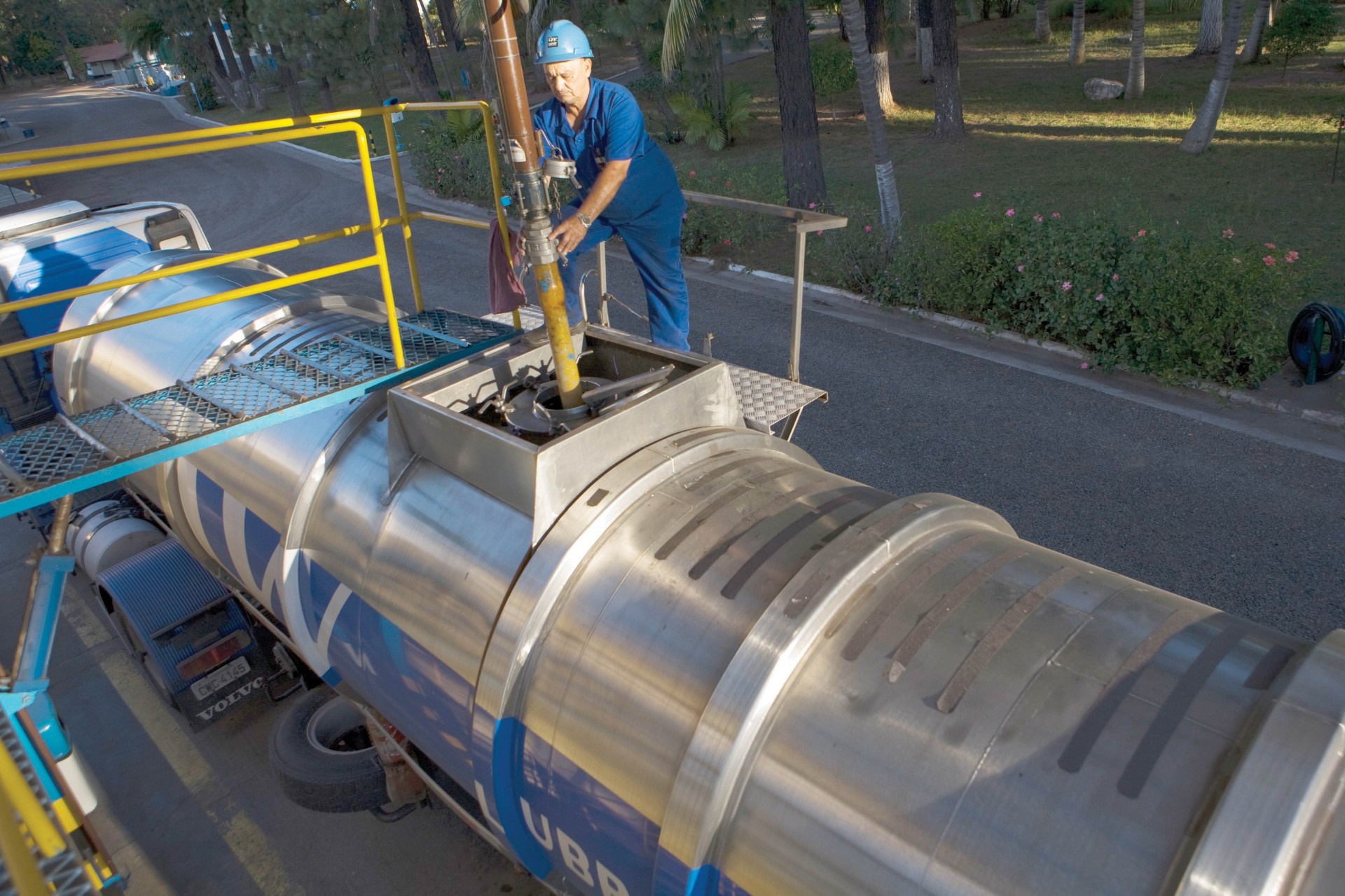
Post-Consumption Waste Management Is A Sustainable Alternative For Growth In Agriculture, Which Has Become One Of The Main Sectors Of The Economy Of Brazil
With significant growth rates in 2021, the Brazilian agribusiness has become one of the main sectors of the economy, and the demand for initiatives that promote sustainable development has grown in tandem with the sector, positioning Brazil among the top 5 markets in the world for the collection and rerefining of used and contaminated lubricating oil (ULOC). According to the National Supply Company (Conab), the agricultural harvest for the year is expected to reach a record total and an estimated growth of 5.7% compared to the previous year, which was already the largest in history.
Also Read
- Invisible Danger: Accidents From Ammonia Leaks And Other Refrigerant Gases Can Put The Lives Of Workers In The Industries At Risk
- One Of The Largest Construction Retail Chains Calls For Job Openings In São Paulo, Rio de Janeiro, And Espírito Santo
- Etesco Celebrates Extension Of Drilling Contract With The Brazilian Oil Giant
- Itaipu Dam, The Huge Hydroelectric Dam On The Paraná River, Between Brazil And Paraguay, Begins Implementation Of The First UGD Of The Biosphere Reserve In The World
- Ambev, Coca Cola, And JBS Are The First To Purchase Electric Trucks From Volkswagen Trucks And Buses Of The E-Consortium Together With Global Giants Such As Bosch, ABB, Siemens, And GDSolar
The growth in agriculture has also boosted the agricultural machinery market. According to the Brazilian Association of Machinery and Equipment Manufacturers (Abimaq), the expectation is for a 7% increase compared to 2020, which generated revenue of R$ 144.5 billion, considering both domestic and international sales.
High Demand For Agricultural Machinery Increases Post-Consumption Waste Generation
With the high demand for agricultural machinery, post-consumption waste generation has also increased, including used and contaminated lubricating oil (ULOC). Considered a Class I Hazardous Waste according to NBR-10004, ULOC is highly polluting and, if disposed of incorrectly, can cause significant damage to health and the environment.
-
While Russia dominates the global wheat market, Brazil emerges as an unexpected competitor in the Cerrado, offering grain available in July and August when stocks in the Northern Hemisphere are at their lowest point of the year.

-
China returned almost 20 Brazilian ships with soybeans, but now everything could change: the country that buys 80% of the grain is considering relaxing regulations after impurities held up shipments of thousands of tons and caused million-dollar losses.
-
Chinese giant worth nearly R$ 4 billion that manufactures cables for electric cars, solar energy, and robotics wants to open a factory in SC.
-
Many employers do not know, but the law guarantees domestic workers a 25% increase in salary during trips, 50% for overtime, 20% for night shifts, and 17 additional benefits that can lead to labor lawsuits if not paid.


The collection and recycling of used lubricating oil is one of the activities that support the circular economy and sustainability in agribusiness. Lubricating oil is the material used in machines, equipment, and engines, such as harvesters, motor cultivators, tractors, etc.
As it is used, the lubricant loses its functions and performance due to the degradation of certain additives. This leads to reduced cooling and increased friction, making oil change necessary.
Brazilian legislation requires that all used lubricating oil must be collected and sent for recycling through rerefining, and strictly prohibits the use of the waste as fuel, for burning, or for any other purposes.
Brazil Is Among The Top 5 Markets In The World In Terms Of Collection And Rerefining Of ULOC
Brazil is among the top 5 markets in the world in terms of collection and rerefining of ULOC. According to Aylla Kipper, manager of Institutional Relations and Sustainability at Lwart Environmental Solutions, there is a significant amount of ULOC that is still not disposed of properly. “Despite the 450 million liters of used or contaminated lubricating oil that are collected properly, a volume close to 150 million liters is disposed of inadequately and does not go through the legal rerefining process in Brazil. A significant portion of this collected volume in the country comes from agribusiness,” highlights the executive.
Lwart Environmental Solutions, a 100% Brazilian company based in Lençóis Paulista with operations in over 3,300 municipalities across the country, collected in 2020 alone, over 18 million liters of used lubricating oil just from the mining and agribusiness sectors.
A global reference in the rerefining of used lubricating oil, Lwart is the first rerefiner in Latin America to produce high-performance Group II base oils, the main raw material in the production of lubricating oil. The technology employed in the rerefining of ULOC by Lwart manages to reuse almost 100% of the waste that enters the industrial process. An eco-efficient process in which nothing is wasted, all raw material is utilized in some way.








Seja o primeiro a reagir!