





 Portuguese
  English
  Spanish
 5 min of reading
  0 comments


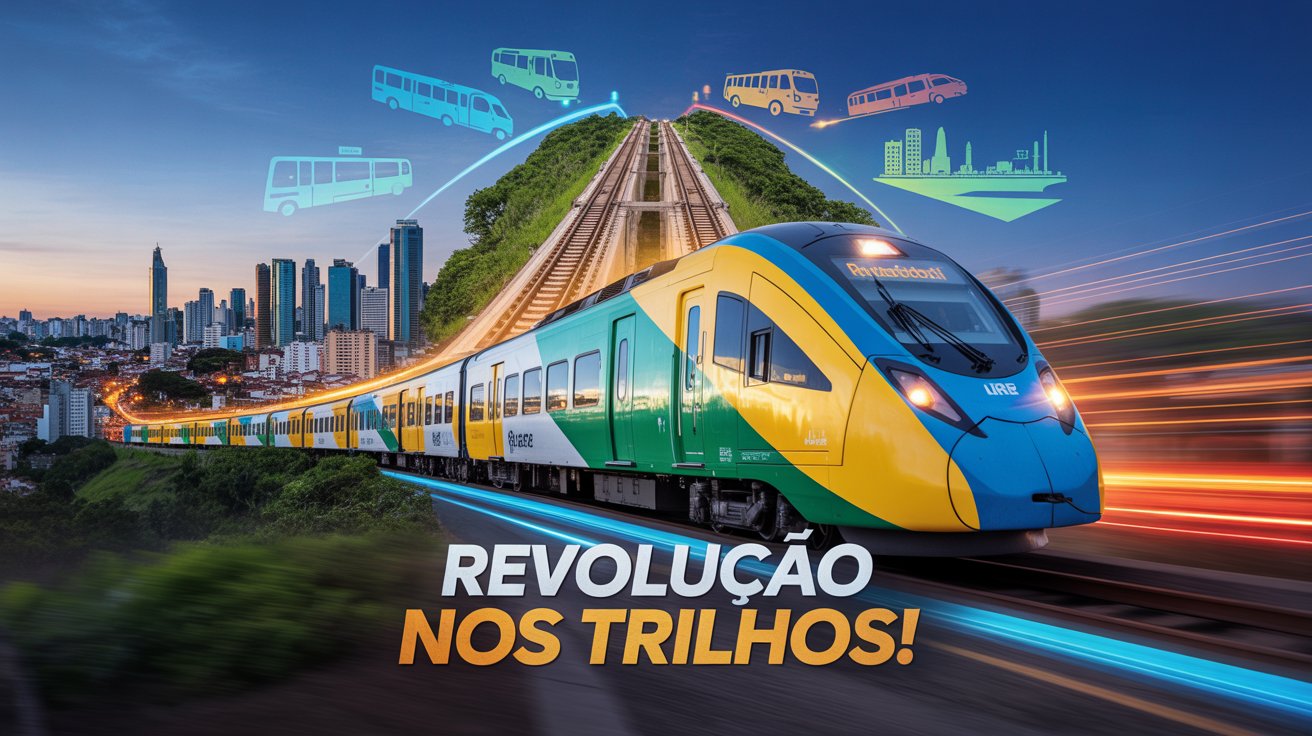
Railway Project Between Salvador and Feira de Santana Promises to Revolutionize Transport, Reduce Travel Time, and Impact the Baiana Economy with Total Integration Between Modalities. Estimated at 85 Thousand Passengers Per Day and Impact of R$ 73 Billion.
The construction of the railway to connect Salvador to Feira de Santana is advancing as one of the most ambitious initiatives to transform public transport in Bahia.
With the promise of reducing travel time between the two cities to just 35 minutes, the project bets on a new logic of mobility, benefiting up to 85 thousand passengers per day and enhancing the integration between different modalities.
The estimated investment is R$ 6.8 billion, while the economic impact could reach R$ 73 billion in the capital and neighboring regions, according to studies released in June 2025.
-
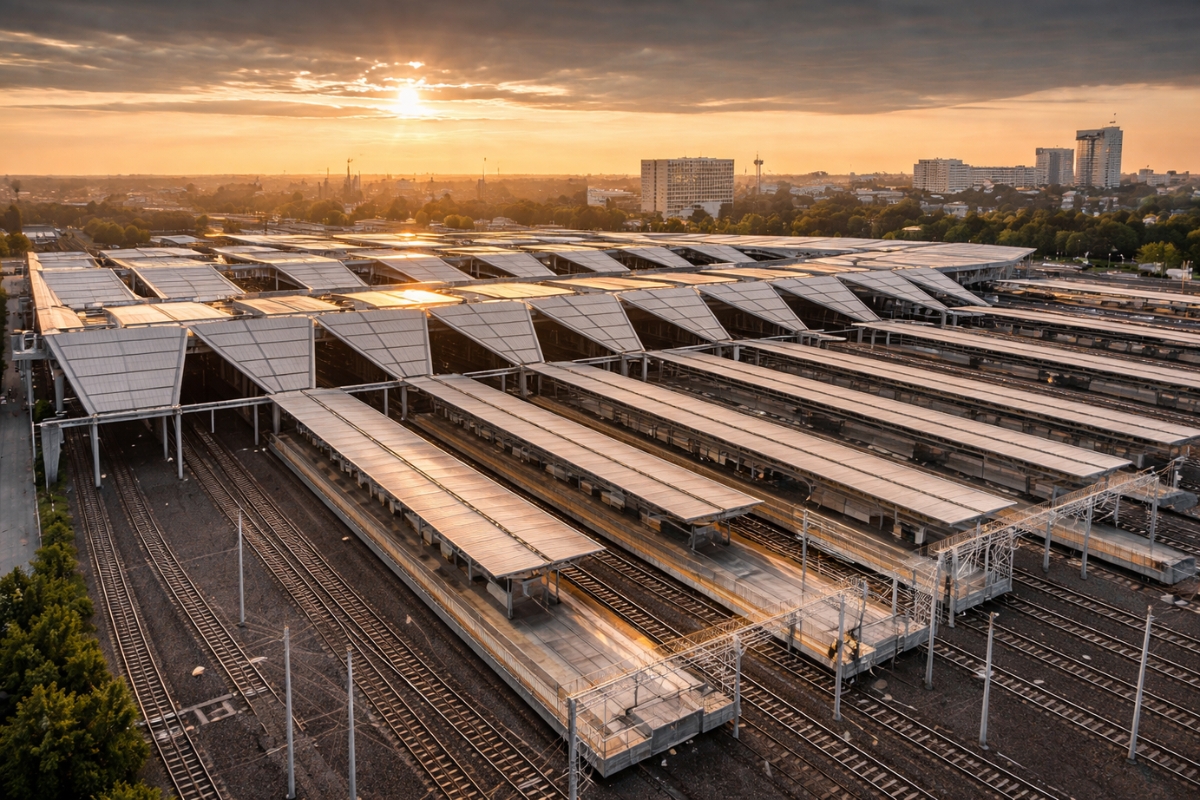
In A European City, The Country’s Largest Railway Junction Was Modernized Without Closing Its Doors, Kept Trains Running During Years Of Construction, Now Serves Up To 60,000 Passengers Per Day, And Installed Solar Panels That Generate About 30% Of Its Energy
-
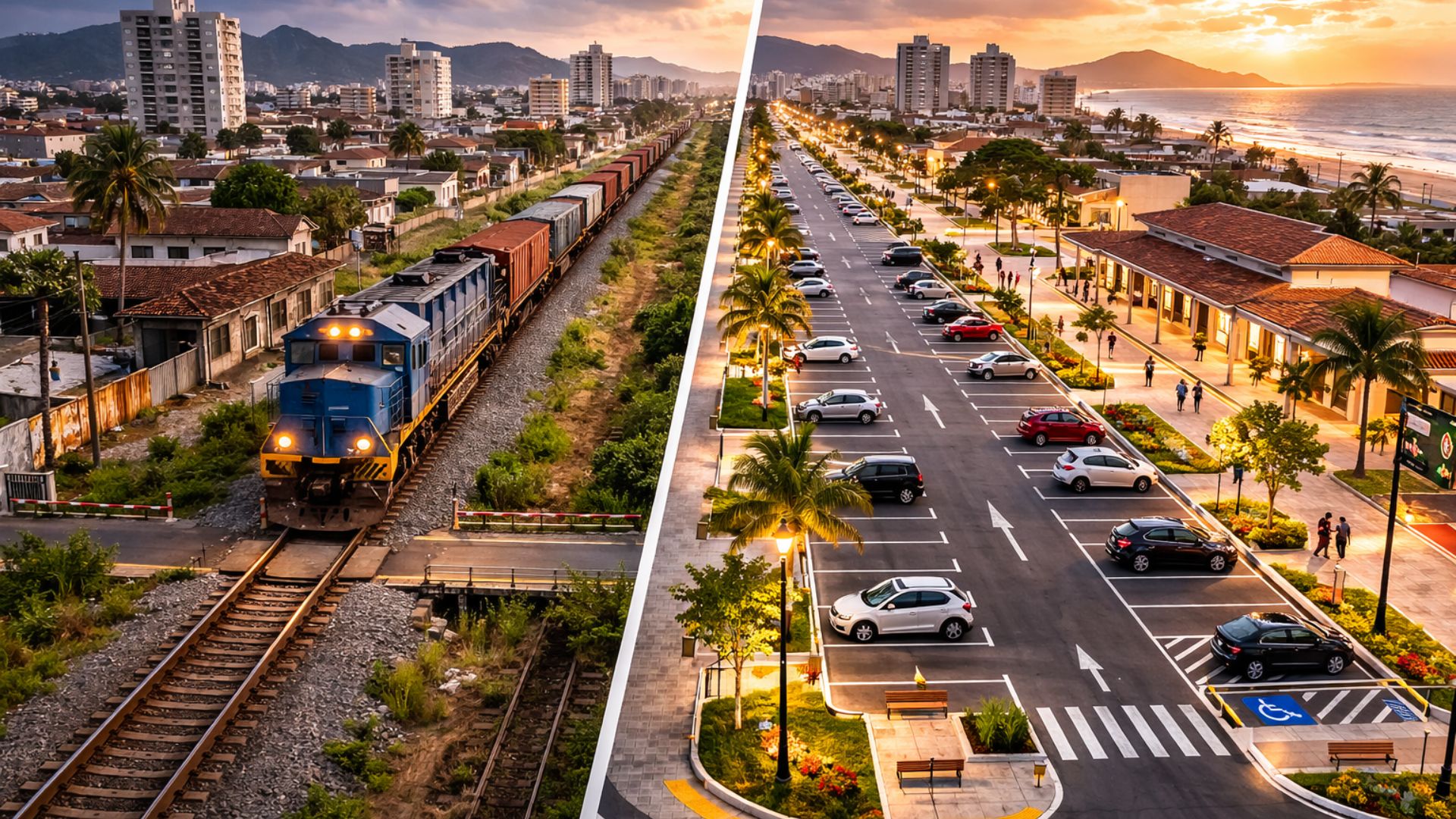
Famous Brazilian Railway May Become a Parking Lot
-
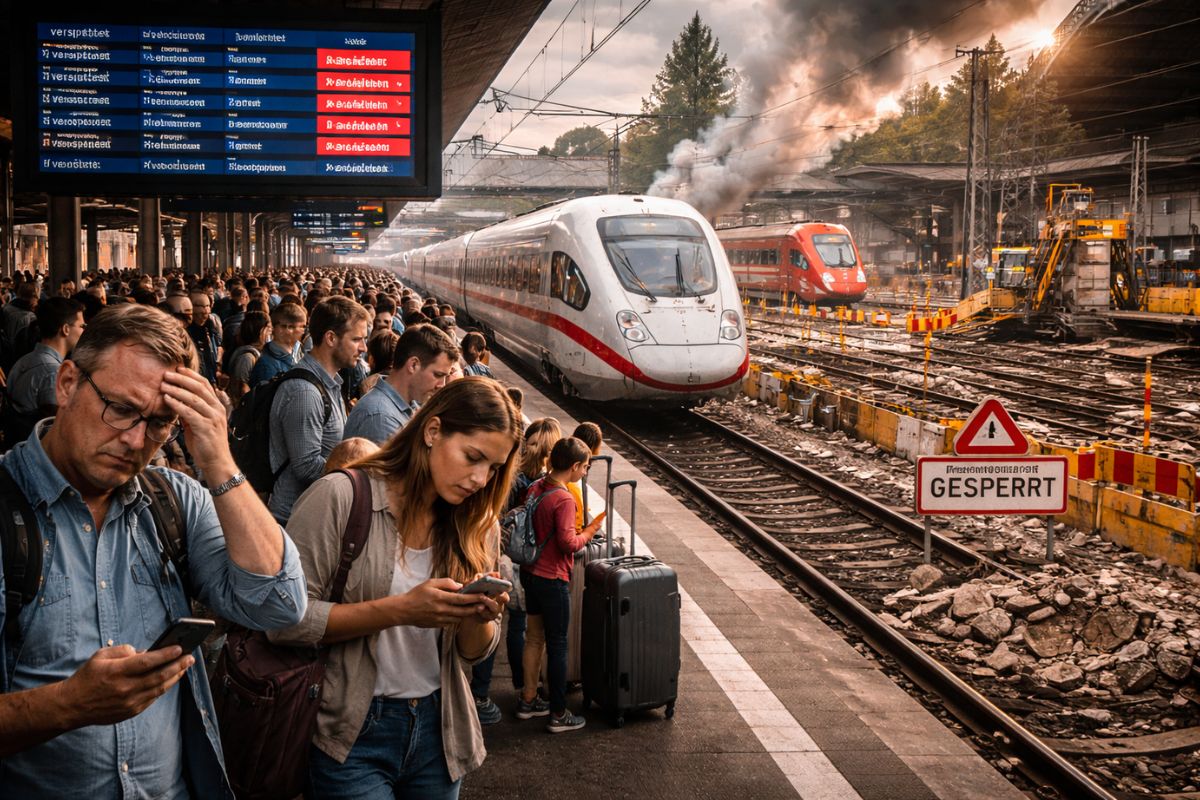
The Country of “Punctual As a Train” Admits It Has Lost Control: High-Speed Trains Delay, Stop, Disappear from the Map and Turn 6-Hour Trips into 10, While Deutsche Bahn Promises Restructuring in 2026 But Faces 19th Century Infrastructure, Staff Shortages and Sections Closed for Months
-
With an Investment of R$ 700 Million in One of the Country’s Main Rail Networks, VLI Reinforces Infrastructure, Receives 8 New Locomotives, and Expands the Corridor Connecting 7 States, Boosting Jobs and the Transportation of Grains, Ore, and Oil Products to the Port of Santos
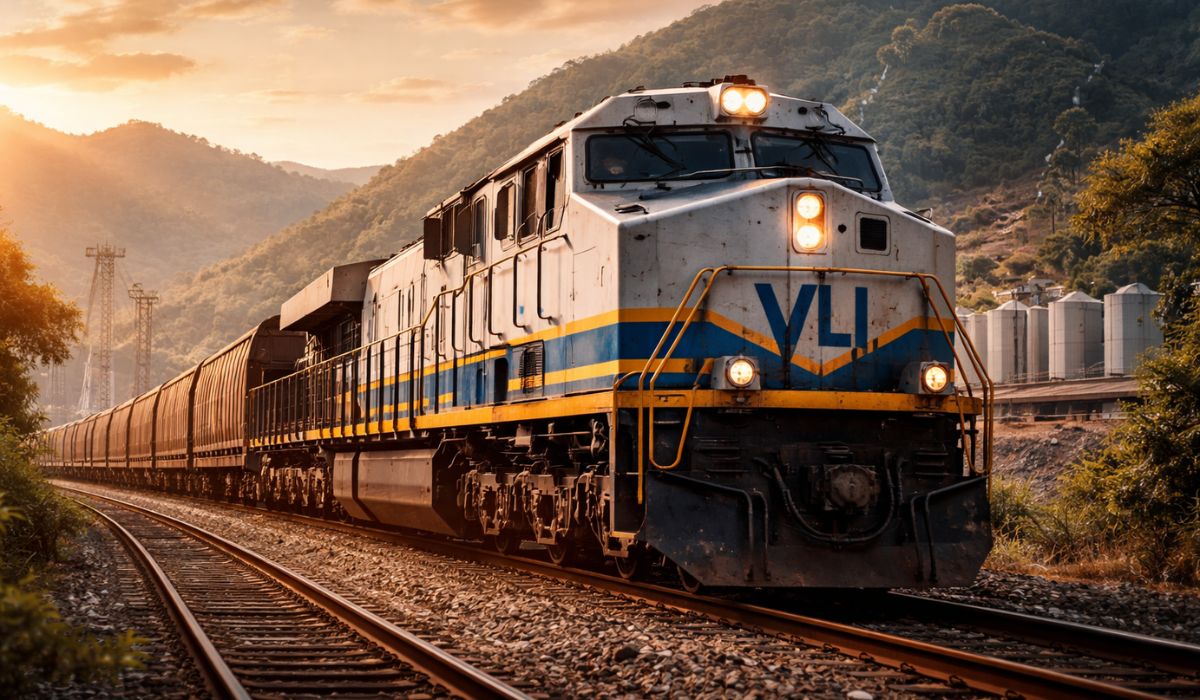

The Ministry of Transport detailed this week that the feasibility studies for the new railway modality are in the final adjustments and should be completed soon.
According to the portal A Tarde, in information published this Monday (14), the next stage, scheduled to occur still in the second half of 2025, will be the technical analysis by the National Land Transport Agency (ANTT), followed by a public hearing to present and discuss the results with society.
Salvador-Feira de Santana Railway: Advances and Stages
The Salvador-Feira de Santana railway is part of the Growth Acceleration Program (PAC), which prioritizes structural works in urban mobility throughout Brazil.
The project, developed by TIC Bahia Ltda., was officially presented in June to the Minister of Transport, Renan Filho, by Federal Deputy Zé Neto (PT-BA) and representatives of the company, including businessman Osvaldo Ottan and engineer Danilo Silva.
According to the official schedule, the granting request from TIC Bahia was published in the Official Gazette of the Union on May 29.
Two weeks later, the project was discussed with the minister, and on June 27, entrepreneurs detailed the layout and benefits of the undertaking to members of the state government during a meeting of the Intersectoral Working Group (GTI).
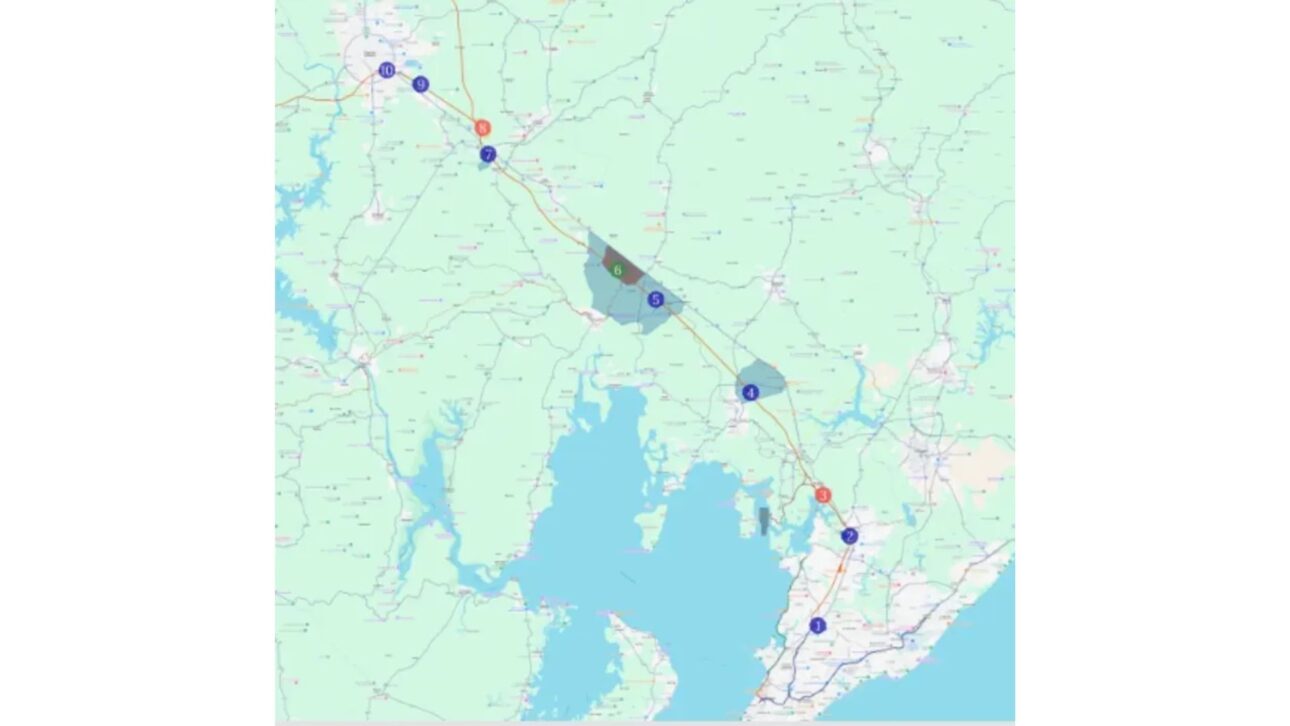
Reduction of Travel Time and Regional Impact
With 98 kilometers in length, the railway will be equipped to operate passenger trains at a maximum speed of 160 km/h.
The travel time between the two cities will drop from 1h11 to just 35 minutes, a factor that should change the dynamics of regional transport.
The project also plans to run freight trains at up to 120 km/h, facilitating the flow of products to the Port of Salvador and the industrial complex of Baía de Todos-os-Santos.
The line will have 10 stops, including eight passenger stations and two exclusive freight yards.
The route starts in Águas Claras, a neighborhood in the capital, a strategic point for integration with the Salvador and Lauro de Freitas Metro System (SMSL), with the Light Rail Vehicle (VLT) under construction and the new bus terminal expected to open by October this year.
Among the planned stations are Simões Filho, Candeias, São Sebastião do Passé, Santo Amaro, Conceição do Jacuípe, as well as Noide Cerqueira in Feira de Santana, and the Rodoferroviária Contorno Station.
The estimate is that the new railway corridor will directly serve a population of about 6 million inhabitants, connecting strategic municipalities and dynamizing access to services, employment, and education.
Modernization, Technology, and Total Integration
The project calls for the adoption of wide gauge (1,600 mm), an international standard for high-speed trains, with electrification at 25kV and an ETCS Level 2 control system — considered one of the most modern in the world to ensure operational efficiency and safety.
Compatibility with the main national railway corridors is also integrated into the planning, opening space for future route and service expansions.
In terms of infrastructure, the Salvador-Feira de Santana railway integrates with other mobility projects supported by the federal government in Bahia, such as the expansion of the metro to Campo Grande and the implementation of the Salvador VLT, reinforcing the policy of diversifying transport and reducing dependence on road transport.
Economic Impact and Forecast Revenue
According to data presented by TIC Bahia, the Salvador-Feira de Santana railway could generate up to R$ 73 billion in economic impact for the capital and nearby areas, with the potential to handle 23 million passengers annually, in addition to boosting industrial and logistics hubs in the vicinity.
In the metropolitan region of Feira de Santana, the estimated impact is R$ 17.2 billion, considering the strengthening of over 300 local industries.
The projected annual revenue for the intercity train is R$ 1.115 billion, with R$ 1.035 billion related to passenger traffic (with an average ticket of R$ 45) and another R$ 80 million from freight transport, consolidating the role of the railway as a vector for development.
National Planning and Future of Railways
The construction of the new railway is part of a set of national projects aimed at expanding mobility by passenger trains, also covering studies for connections between Brasília and Luziânia (GO), Londrina and Maringá (PR), Pelotas and Rio Grande (RS), Fortaleza and Sobral (CE), São Luís and Itapecuru Mirim (MA).
According to Minister Renan Filho, the definition of priority sections will depend on the completion of feasibility studies, which are under review until the end of 2025.
The investments are part of the new cycle of the PAC, which already allocates resources for various infrastructure works in Bahia.
The goal is to ensure more transportation options for the population and promote gains in economic competitiveness, while also seeking total integration between buses, metro, trains, and VLT, in an articulated and modern network.
The Future of Rail Transport in Bahia
With the promise of fast journeys, complete integration, and significant economic impact, the Salvador-Feira de Santana railway consolidates itself as one of the largest mobility projects ever planned in the state.





-

Uma pessoa reagiu a isso.