





 Portuguese
  English
  Spanish
  3 min of reading
  0 comments


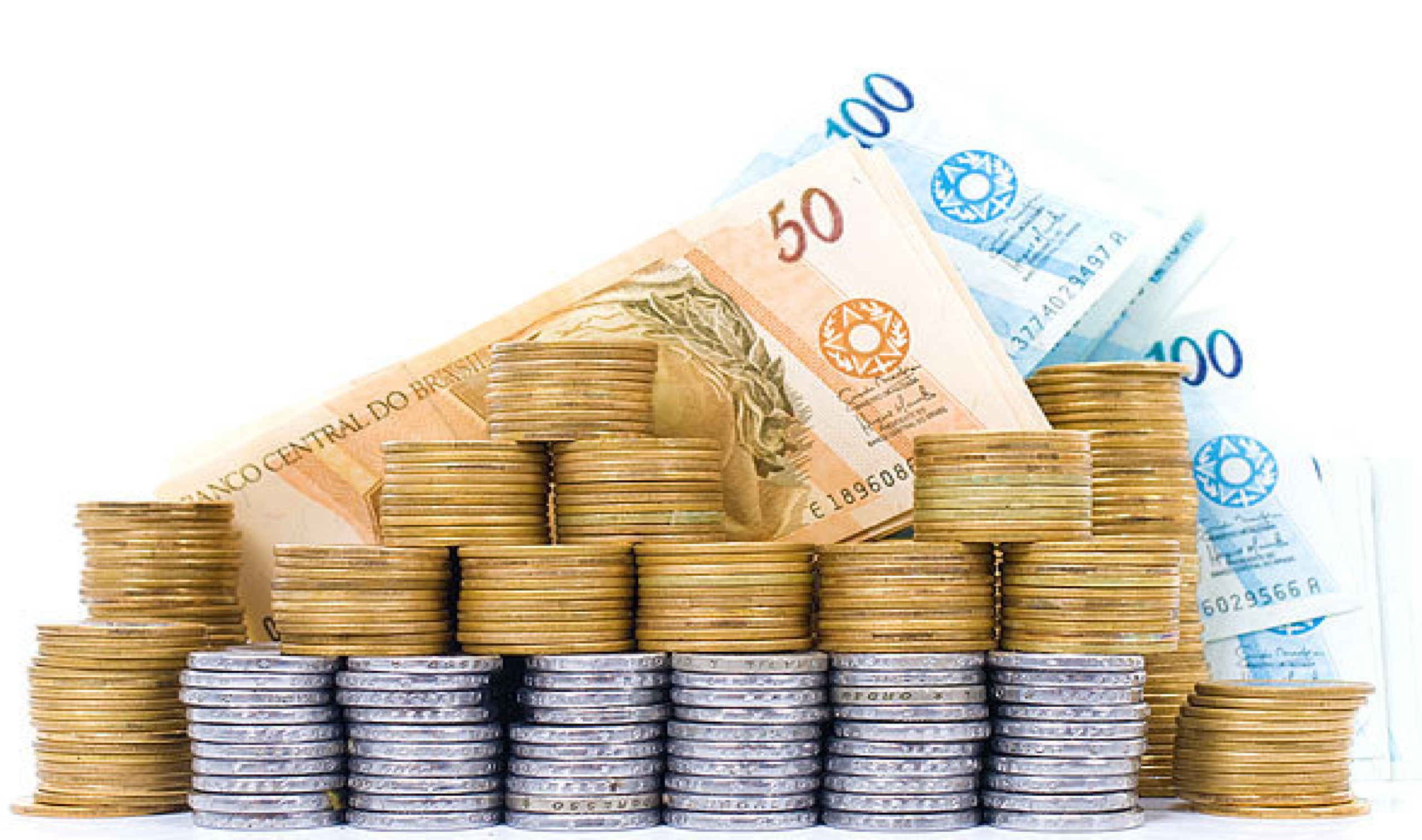
Discover The Fascinating Process Of Creating Brazilian Banknotes And Coins At The Iconic Mint In Rio de Janeiro
Have you ever wondered how coins and banknotes are made? In the video from the Manual do Mundo channel, which visited the Mint of Brazil in Rio de Janeiro, it was possible to discover how our money is manufactured. With over three hundred years of history, the Mint is the heart of currency and banknote production in Brazil, and is also responsible for crafting the medals for the 2016 Olympic Games.
Banknote Manufacturing At The Mint
The Mint has three main units: a printing house for passports and stamps, a coin factory, and a banknote factory. The visit begins in the section dedicated to banknote production.
- Paper Preparation: The paper used is not common; it is specially prepared for money manufacturing. This paper, which comes already colored and contains magnetic threads, is designed to withstand the complexities of banknote printing. When viewed against the light, it is possible to observe the watermarks that help prevent counterfeiting.
- Printing: The printing process is impressive. Unlike common printers that use four colors, Brazilian banknotes are printed with up to twenty-seven different colors, and the printing occurs on both sides of the paper simultaneously. Sophisticated machines apply invisible inks that only appear under ultraviolet light and micro-printings visible only with magnifying glasses.
- Engraving: After printing, the banknotes go through a process called engraving, which creates a relief in the ink. This high relief is an important feature that assists in authenticating banknotes, as it is difficult to replicate in counterfeit notes.
- Quality Check and Numbering: A highly trained team conducts a thorough visual inspection to detect printing defects. After this review, the banknotes receive a unique numbering, similar to an ID, which ensures control and security.
- Separation and Packaging: The banknotes are then separated and packaged. For example, hundred real notes are grouped in bundles of ten thousand reais and subsequently placed in boxes containing one hundred thousand reais. A package like this represents one million six hundred thousand reais in hundred real notes, ready to be sent to the Central Bank.


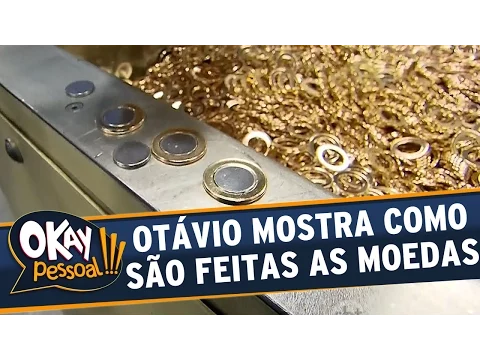
Now Let’s Go To The Coin Manufacturing Section At The Mint. The Process Includes:
- Metal Preparation: The base material for the coins, such as the stainless steel core coated with bronze for the one real coin, arrives in its raw form.
- Stamping: The metal discs go through a stamping machine, where they are pressed between two dies and a collar. This machine, which exerts a pressure of seventy-five tons, prints the details of the coins and shapes them into their final form.
- Quality Control: After stamping, the coins are counted and verified by sensors. They are packaged in bags of fifty units, which are then grouped into larger bags. Each bag contains five hundred reais in coins and is weighed to ensure accuracy. Extra coins are detected and rejected.
- Final Packaging: The coins are finally packaged on pallets, with one pallet containing one hundred and twenty-eight thousand one real coins. Each box within the pallet contains four thousand reais and weighs about thirty kilograms.
Inscreva-se
Entrar
0 Comentários
Mais recente










-

-

3 pessoas reagiram a isso.