






 Portuguese
  Spanish


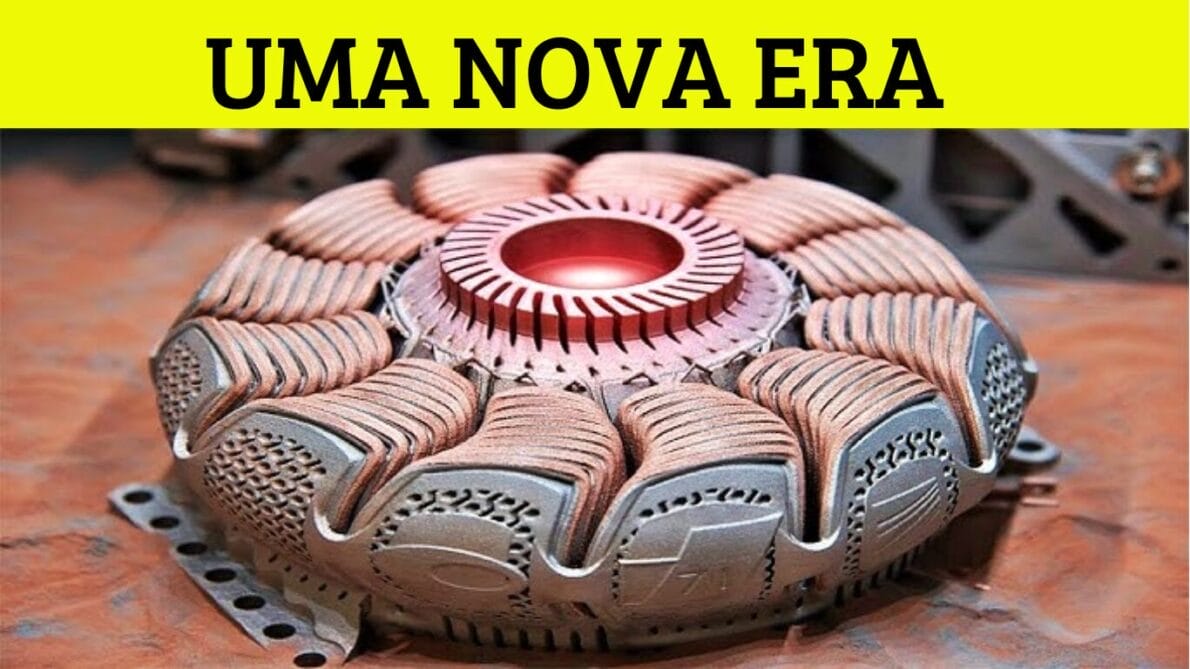

The Revolution of Electric Motors: 3D Printing and AI in Action Help Develop an Electric Motor with a Somewhat Peculiar but Extremely Efficient Design!
An open-source software called pico JK, developed with the help of artificial intelligence, is redefining the design of electric motors. Utilizing multimaterial 3D printing, the new motor promises to be more efficient and powerful, marking the beginning of a new technological era, according to mobilitychannel.
Artificial intelligence is once again showing its transformative potential, now in the field of electric motors. The new pico JK software, an open-source platform, uses multimaterial 3D printing to create motors with steel stators and copper coils printed in 3D. This innovative approach allows for greater flexibility in design, enabling the creation of custom motors with complex magnetic flows.
Multimaterial 3D printing not only offers a new way to manufacture motors, but also allows them to be adapted for a variety of applications, from electric vehicles to industrial equipment. With high power density and efficiency, these motors are ready to drive the next generation of sustainable technology.
-
Tesla injected an additional $250 million into the German factory, doubled the battery cell target, and opened its own production line for startups.

-
No more TV stuck on the wall: Samsung The Freestyle+, the new projector with over 400 lumens projects on walls, floors, and ceilings, bringing cinema to any corner of the house.

-
A Japanese governor single-handedly stalled the construction of the world’s fastest train for nine years, and only now has he agreed to allow a tunnel excavated at a depth of 1,400 meters.
-
Almost 1 billion euros, two gigafactories, and a million-dollar public investment, Chinese company aims to turn Spanish city into Europe’s new battery hub.



Challenges and Solutions in Electric Motor Design
Despite its promises, the technology still faces some challenges. The main disadvantage of the 3D printed motor is the loss of conductivity in the copper coils, which can be corrected with additional heat treatment. This refining process is essential to ensure that the motors operate at maximum efficiency and durability.
Additionally, scalability of production and long-term reliability are issues that need to be addressed before this technology can be adopted on a large scale. However, the developer community is optimistic that these obstacles will be overcome as more research and testing are conducted.
The Impact of 3D Printing on Motor Production
Multimaterial 3D printing has the potential to significantly reduce the production costs of electric motors. With the ability to create complex parts in a single step, manufacturers can save time and resources, making motors more accessible. Furthermore, this technology allows for customization of motors for specific applications, which is a significant advancement compared to traditional manufacturing methods.
Another positive aspect is sustainability. More efficient electric motors and lower emissions are crucial for transitioning to a greener future. The technology developed by pico JK could be an important step in this direction, helping to reduce carbon footprints and promote clean energy.
The Democratization of Electric Motor Design
The pico JK represents more than just a technological advancement; it symbolizes the democratization of electric motor design. By making technology more accessible to a larger audience, the software paves the way for innovations that were once restricted to large companies and research institutions. Now, anyone with access to the right tools can contribute to the development of next-generation electric motors.
“Just imagine,” says a technology enthusiast, “you could be in your garage creating an efficient and customized electric motor, all thanks to artificial intelligence and 3D printing.” This level of accessibility is revolutionary and promises to foster a wave of creativity and innovation in the field of electric motors.
A Promising and Sustainable Future
Therefore, the development of the electric motor through artificial intelligence and 3D printing marks the beginning of a new era. Despite the challenges, the technology promises to revolutionize the way we design and manufacture motors, making them more efficient, accessible, and sustainable. As we continue to explore and enhance these innovations, the future of electric motors looks brighter than ever.






Magnífico
Aceletronicsvedrs em quase tudo s nossa volta,por em quanto quase breve será tudo
Realmente esse tipo de matéria sem embasamento transparente começa a deixar dúvidas sobre a capacidade do site..
A pessoa não se deu o trabalho de checar o nome da empresa corretamente..
Fez correndo pra entregar e sair pra balada.. e os chefes aceitaram e publicaram a matéria correndo e sem checar pra sair pra balada.. vcs acham que estão escrevendo pra quem? Para anencéfalos ? Nos fazendo perder tempo com um lixo vago de matéria..