Portuguese
  Spanish




Since July, food and beverage industries and wholesale and retail companies have been expanding their capacities with the rental of temporary warehouses to meet the expected growth of physical and online retail sales, from the November clearance to the end-of-year holidays.
With the full recovery of retail, the progress of vaccination across the country, and the economic optimism generated by the proximity of important dates, such as Black Friday and the Christmas and New Year’s festivities, food and beverage industries and wholesale and retail companies are in the crosshairs of high demand. To meet the end consumer, ensuring stock, quick delivery, and good prices, since July many companies have been expanding their storage capacity to ensure nothing is lacking on the tables and in the homes of Brazilians.
It May Also Be Interesting
Watch a Video on Operational Logistics Planning for Black Friday


Large national players and providers of infrastructure and services prepare well in advance for the year-end storage peaks, a planning carried out at the beginning of the first semester, explains logistics expert Sergio Gallucci: “In the beverage segment, for example, we have the ‘summer plan’, which goes from spring until shortly after Carnival and moves the entire chain: raw materials, production, bottling, preparation, and storage, whether for containers, crates, glass packaging, finished products, distributors, and supermarkets, among many other items.”
According to Gallucci, one of the most commonly used solutions today by the market to expand storage capacity is to rent warehouses for a specific period, given the flexibility of use and speed of installation. “In addition to the setup of a warehouse of this type being able to be done on any ground, from any type of company, it is possible to structure a 1,000 square meter warehouse in less than a week,” he emphasizes.
-
New Smart Radar Begins Issuing Fines to Solo Drivers in Carpool Lanes, Uses Cameras to Count Occupants, Changing Traffic Enforcement Rules on Busy European Roads

-
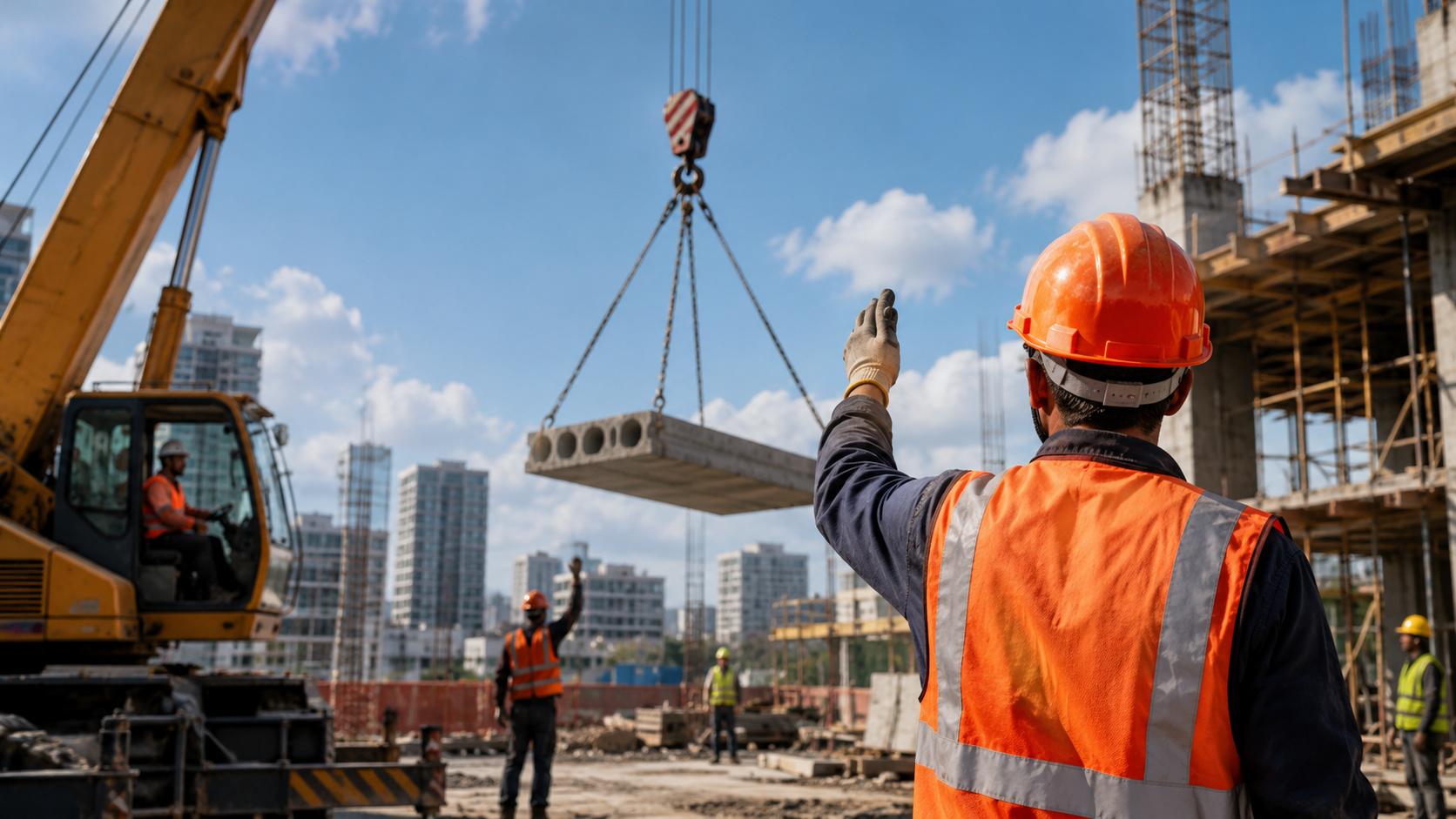
Why can the crane operator only obey the correct signalman on the construction site: among dozens of workers, a hand raised by the wrong person can confuse the maneuver and turn a load of tons into an immediate risk.
-
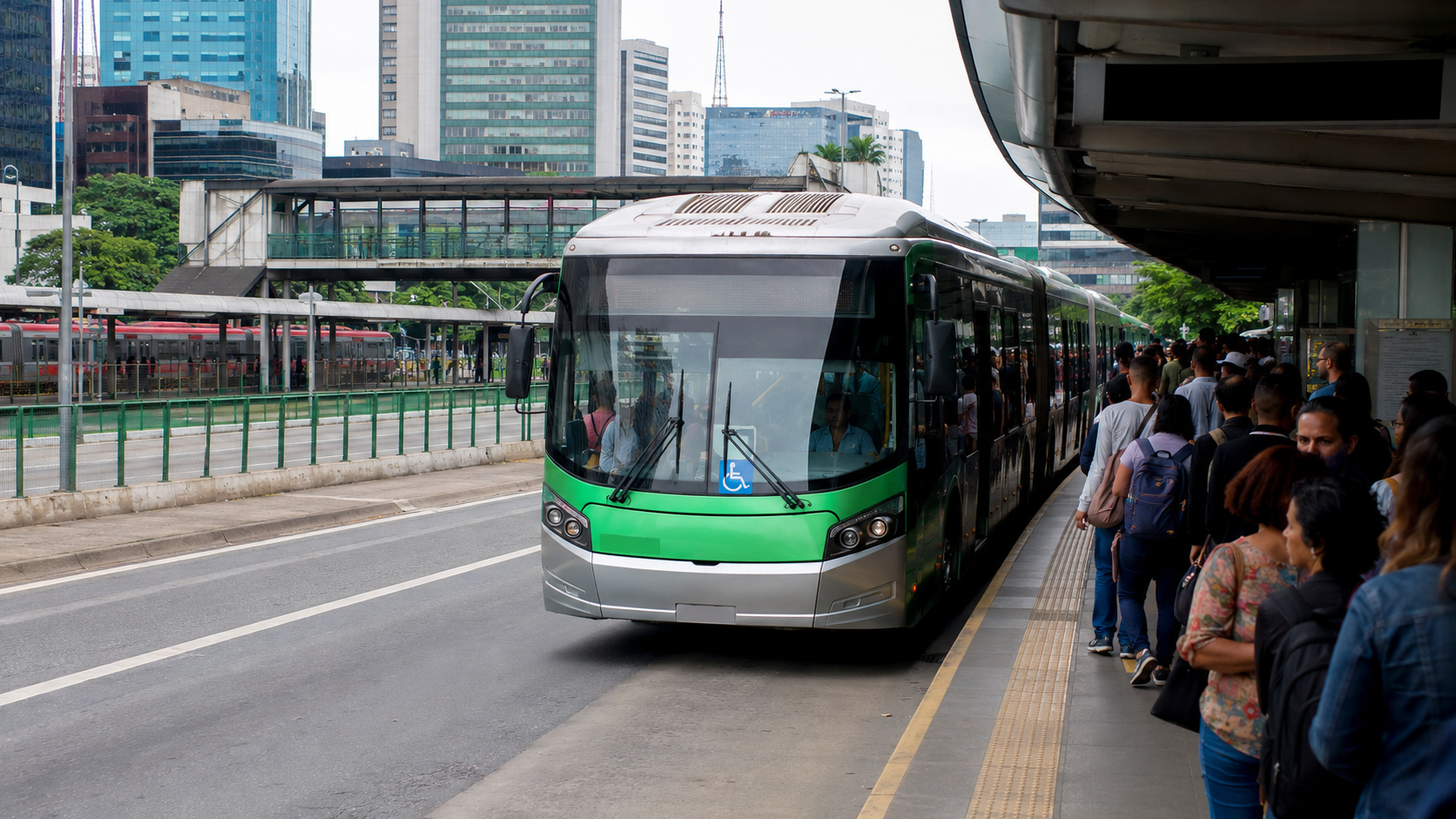
What changes with the new public transportation rules that can reduce pressure on fares and pave the way for zero fare in Brazil?
-
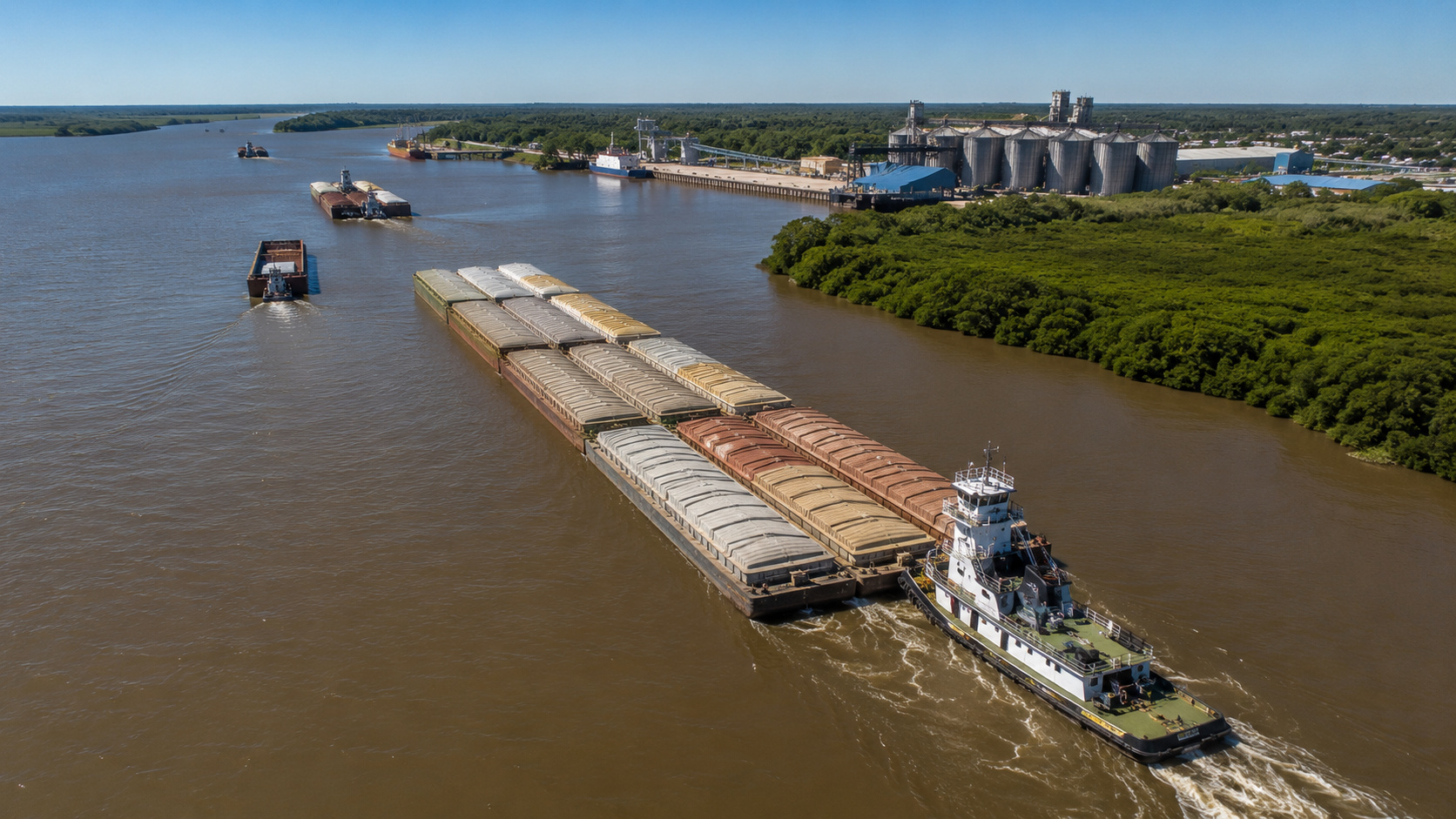
Argentina confirms Belgian giant to lead strategic Paraná River waterway and promises to reduce logistical costs on one of South America’s most important routes

Additionally, according to the expert, who is also the Commercial and Marketing Director of Tópico, a national leader in the manufacturing and rental of flexible warehouses and covers, the second half of the year accounts for 77.5% of the projects carried out annually for the food and beverage sector. “The volume set up during this period, considering the average of the years 2019, 2020, and the 2021 projection, will be three times greater than all our deliveries in the first six months of the year, given the impact of the festivities and the high brought by seasonality.”
Cost vs. Benefit
There are several reasons that lead companies to opt for this business model. The main one, the executive points out, is the need to quickly increase their own storage capacity. “But other strategic factors are taken into account, such as controlling the logistics operation within the client’s own site, reducing the total final cost of the logistics operation since the canvas warehouse has more competitive prices than brick-and-mortar structures and spaces in logistics condominiums, and the possibility of having a contract adjusted according to the period of use. Finally, the benefit of being able to change the size, layout, and type of product stored very quickly is another point of differentiation,” concludes Gallucci.
About Tópico
National leader in the manufacturing and rental of flexible canvas and steel warehouses for storage and covers for four decades, TÓPICO – a company of the private equity fund Southern Cross Group – occupies a prominent position in Brazil. There are over 2.5 million m² installed that serve different types of businesses in strategic economic sectors, from agribusiness to industry. Committed to aligning its activities with the Sustainable Development Goals (SDGs) of the United Nations (UN), Tópico has been investing in and improving its policies to meet environmental, social, and governance agendas (Environmental, Social and Corporate Governance – ESG). The company also integrates Brazil’s network of the Global Compact, the largest corporate sustainability initiative in the world. With over 750 active clients and 465 direct employees, it has its own factory and distribution center, both located at headquarters in Embu das Artes (SP). It also has an office in São Paulo (capital) and branches in Contagem (MG), Lauro de Freitas (BA), Parauapebas (PA), and Rondonópolis (MT). Learn more: https://topico.com.br