





 Portuguese
  English
  Spanish
  2 min of reading
  6 comments


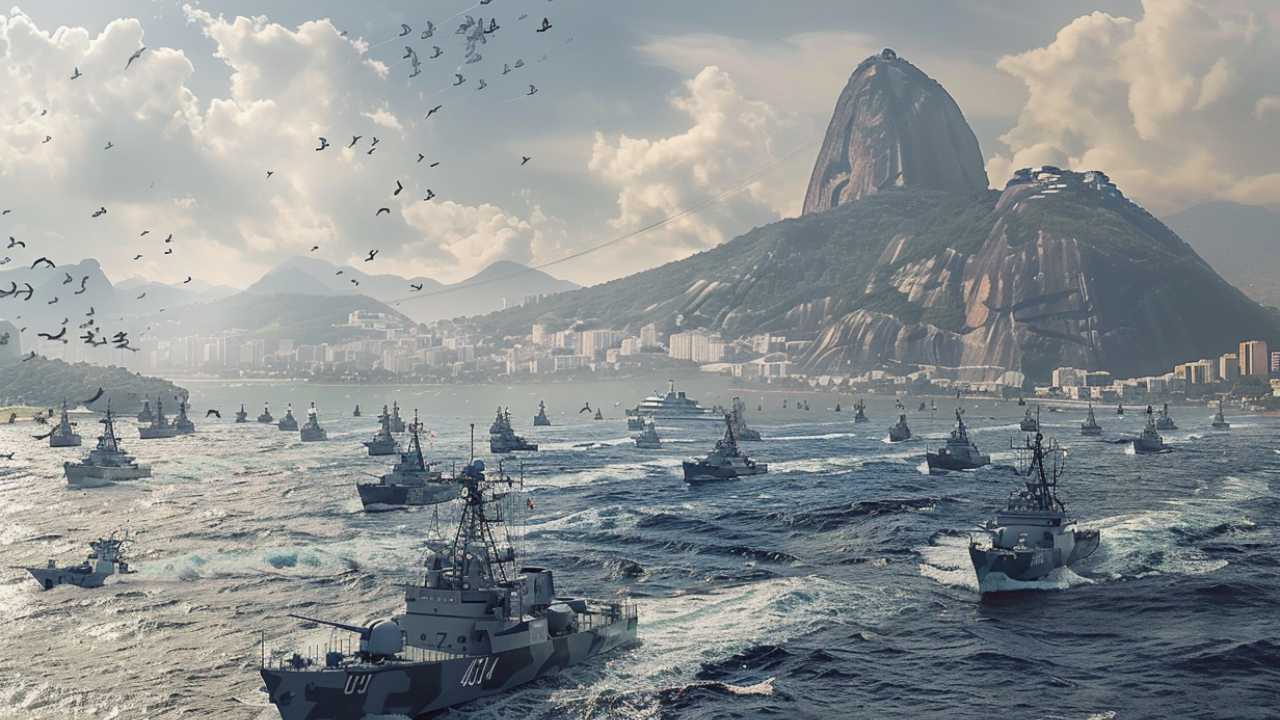

With the investment of R$ 2.8 billion in the Patrol Ship Acquisition Program (PRONAV), the Brazilian Navy strengthens its defense and maritime surveillance capacity, planning the incorporation of eight new ships, which will also boost the local shipbuilding industry and the national economy.
The Brazilian Navy is about to receive a significant reinforcement for its fleet with the construction of eight new patrol vessels. This expansion is part of PRONAV, a concentrated effort to enhance and modernize the country’s naval capabilities. Three of these ships will be specialized in mine countermeasures, complementing the patrol and surveillance functions.
The ships are being constructed at the Navy Arsenal in Rio de Janeiro, with over 50% of the content manufactured locally. The investment for this program amounts to 2.8 billion reais, reflecting Brazil’s commitment to revitalizing its shipbuilding industry and defending its vast coastline.
PRONAV Not Only Increases Brazil’s Naval Presence in Its Waters, But Also Strengthens the Country’s Economy
Recently, the NPA Maracanã, one of the ships in this series, has already been incorporated into the fleet, patrolling the waters under the jurisdiction of the Fourth Naval District Command, which includes the states of São Paulo and Paraná. The next ship, the NPA Mangaratiba, is scheduled to be launched in the second half of 2025.
-
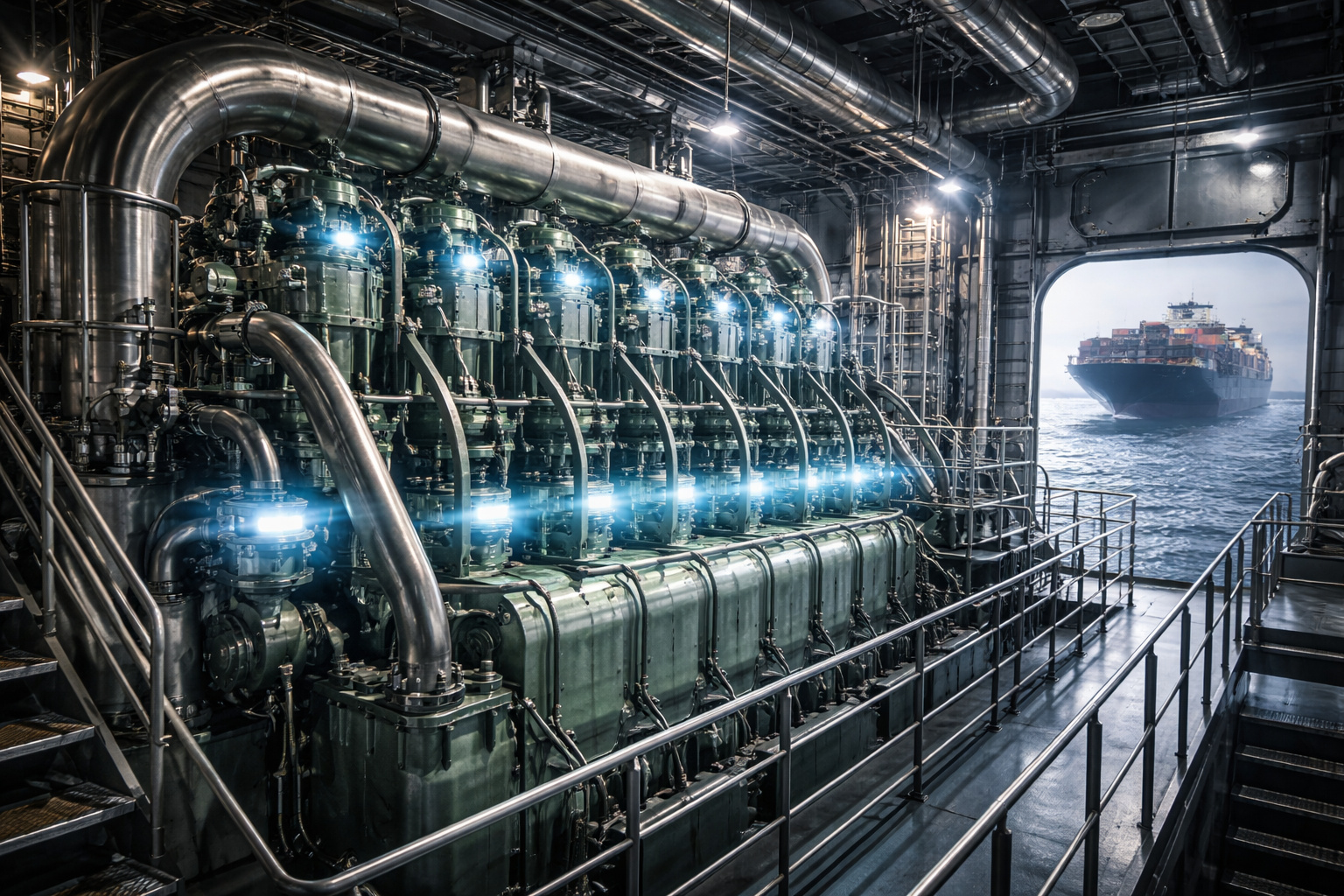
Europe is trying to create an ammonia-powered marine engine without auxiliary fuel, which could unlock the race for giant emission-free ships. The technology aims to eliminate one of the biggest obstacles to clean maritime propulsion.
-
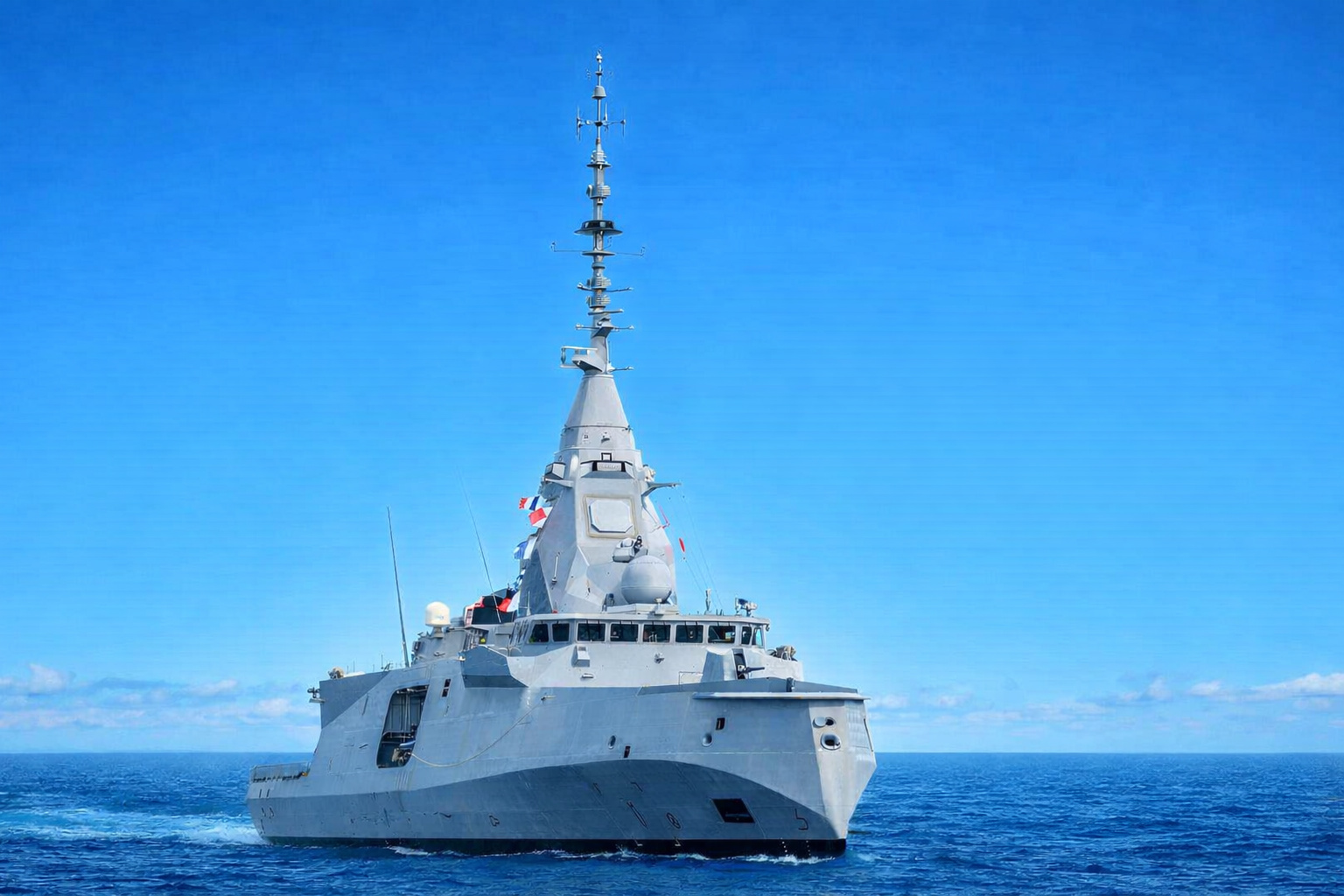
A 4,500-ton frigate with just over 100 crew members, state-of-the-art radar, and cruise missiles is being touted as the new standard of naval warfare in the 21st century.
-
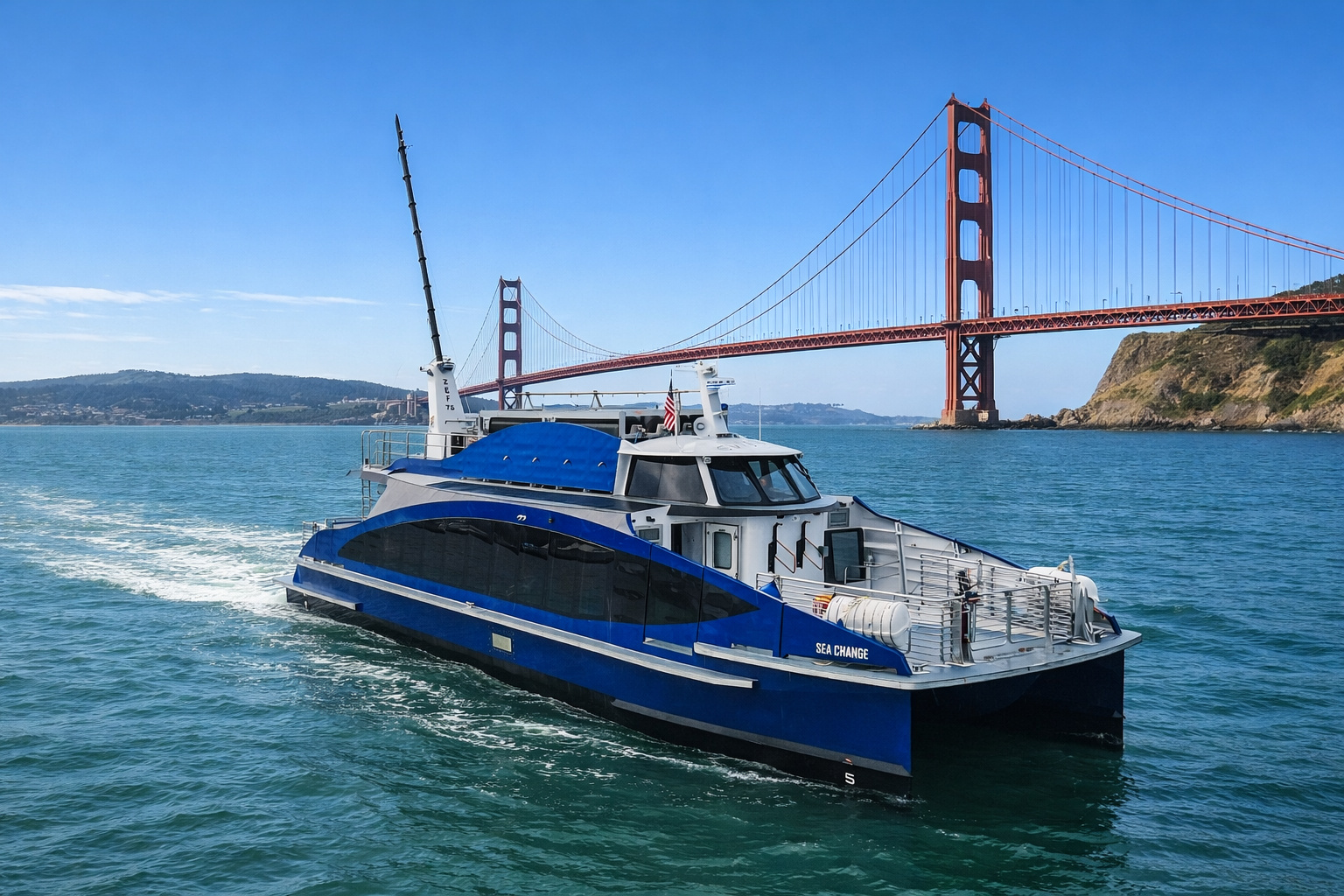
The first commercial hydrogen-powered ferry enters operation in the U.S., eliminates the use of diesel, uses fuel cells to generate clean energy on board, and transforms San Francisco Bay into a landmark of the new era of emission-free navigation.
-
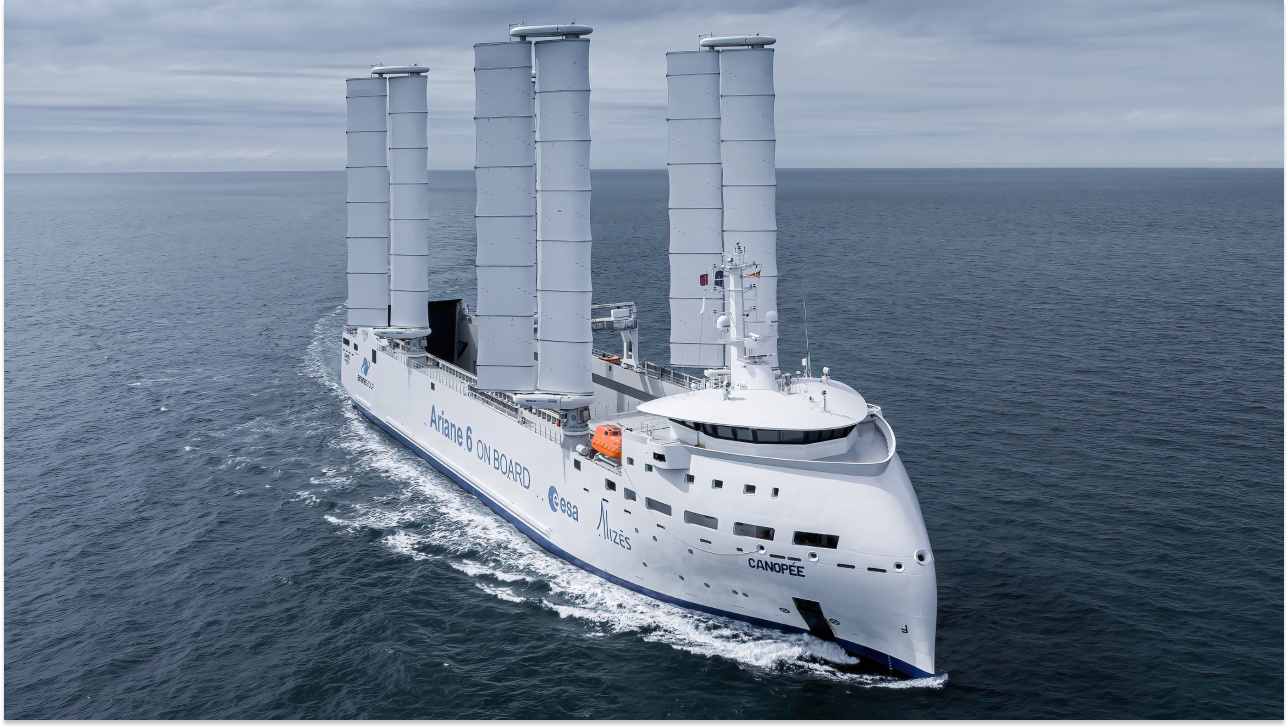
With a length of 121 meters and four rigid sails of 36 meters that automatically rotate to capture the wind, Canopée is the world’s first hybrid industrial cargo ship powered by wind, used to transport rockets and reduce fuel consumption by up to 30% on transoceanic routes.

PRONAV not only increases Brazil’s naval presence in its waters, but also strengthens the country’s economy. The construction of the ships generates thousands of direct and indirect jobs and promotes technological development through the increased industrial capacity of the Brazilian shipbuilding industry.
New Ships for the Brazilian Navy Are Equipped with Cutting-Edge Technology
The new ships for the Brazilian Navy are equipped with cutting-edge technology, including Oto Melara 40 mm cannons, machine guns, grenade launchers, air missile systems, as well as modern radars and sonars. Although these vessels do not have a dedicated helipad, they are capable of operating small helicopters for specific missions.
With PRONAV now included in the federal government’s Growth Acceleration Program (PAC), it is expected that the necessary financial resources will be secured to keep the program on schedule. This inclusion is a vital step to ensure that the Brazilian Navy continues to be one of the most capable forces in the region, protecting the so-called Blue Amazon and ensuring the security of the country’s maritime resources.









A Reportagem está errada , não há nenhum Navio deste tipo sob o comando do 4° Distrito Naval que abrange a área do Pará , Amapá, Piaui e Maranhão. E não São Paulo.
Esse navio é subordinado ao Comando do 8° Distrito Naval.
Parabéns aos milhares de empregos a ser gerados! Mas, nunca deveremos de esquecer, que a grande prioridade é, e sempre será, a Educação de Qualidade!
Principalmente ao estudo inicial, básico e médio! O Brasil precisa Ser culto 100%!
Dignidade, Respeito e Compreensão!
Ética, Perseverança e Diciplina!
Brasil Culto!
Nada impede que se faça as 2 coisas simultaneamente, se houver recursos suficientes para tal empreitada.
A guerra Naval está caminhando p/ embarcações de ataque não tripuladas c/ a guerra centrada em redes. Inclusive porta aviões ligeiros dotados de aeronaves de caça não tripuladas. Brasil precisa amadurecer mais essa visão.
Pode ser este o futuro, mas se até a Marinha estadunidense usa somente embarcações tripuladas então o Brasil estará ainda mais distante dessa realidade.