





 Portuguese
  English
  Spanish
  6 min of reading
  0 comments



Understand How Agriculture Boosts Biofuels Capable of Reducing Emissions During Carnival, Decreasing Diesel Use in Electric Trios, and Generating Positive Environmental Impact in Large Brazilian Cities.
The advancement of biofuels produced by the Brazilian agriculture is already directly impacting the reduction of emissions at large urban events, such as Carnival. According to an article published by CNN Brazil on February 17, in cities like São Paulo, where around 630 blocks parade through the streets, the necessary infrastructure to keep electric trios, trucks, and generators running concentrates a significant volume of carbon dioxide (CO₂) in just a few days of festivities.
According to parameters from the GHG Protocol cited by the sector, the average consumption of these vehicles is approximately 70 liters of diesel per trip. Considering the scale of the Carnival operation, activities can generate more than 100.8 tons of CO₂ just during the festive period. This is a temporary yet relevant environmental impact, concentrated in densely populated areas.
In this scenario, the expansion of biodiesel use — especially B100 — emerges as a concrete alternative to reduce the emissions associated with Carnival, strengthen the agriculture, and consolidate biofuels as a strategic short-term solution.
-
Brazil accelerates hydrogen and biofuel projects to consolidate the fuel of the future and reduce dependence on oil by 2026.

-
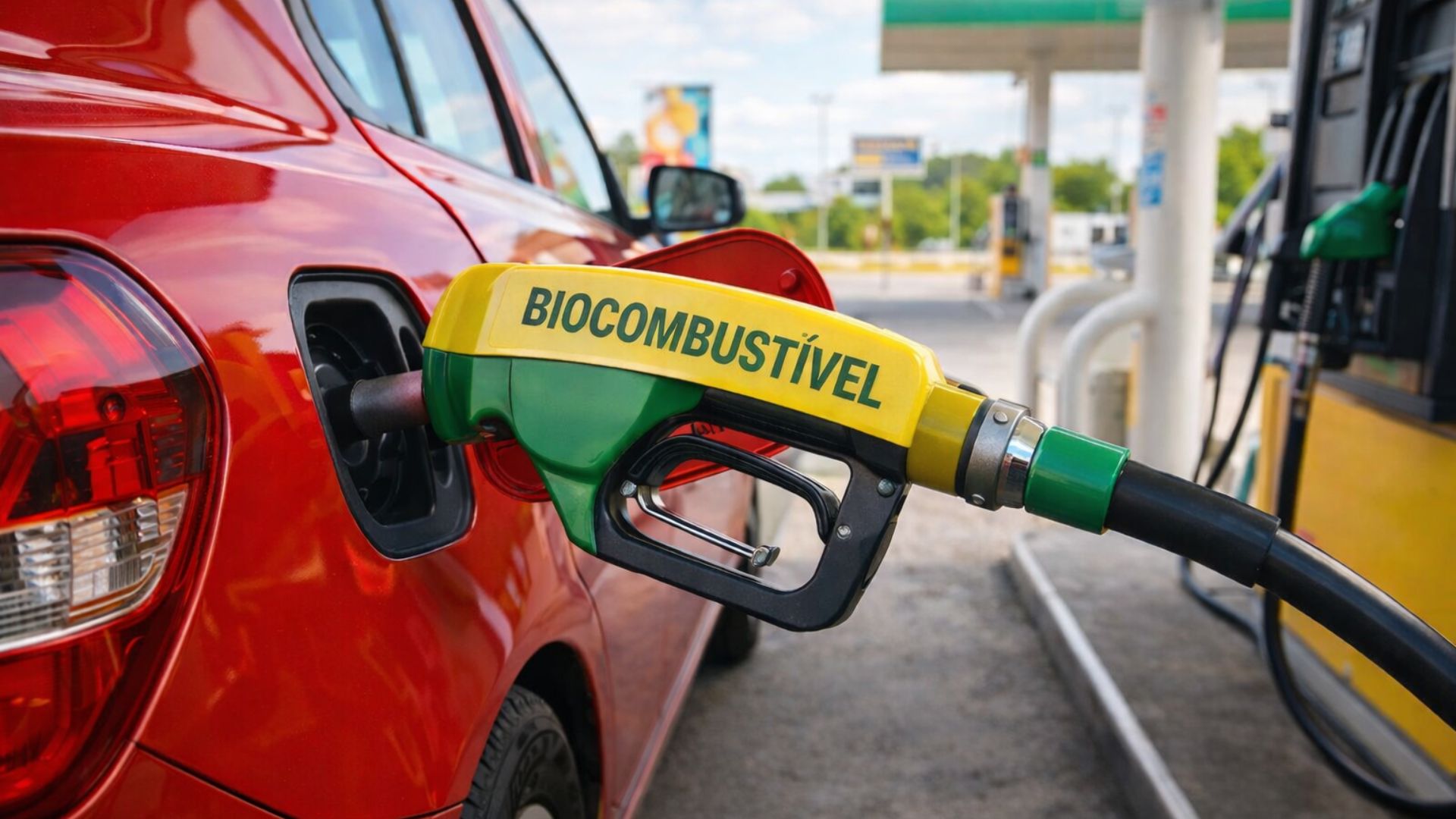
CNPE strengthens policy and prevents imported biodiesel from being mixed with diesel, aiming to strengthen the Brazilian industry and protect jobs by reducing external dependence amid tensions in the global market.
-
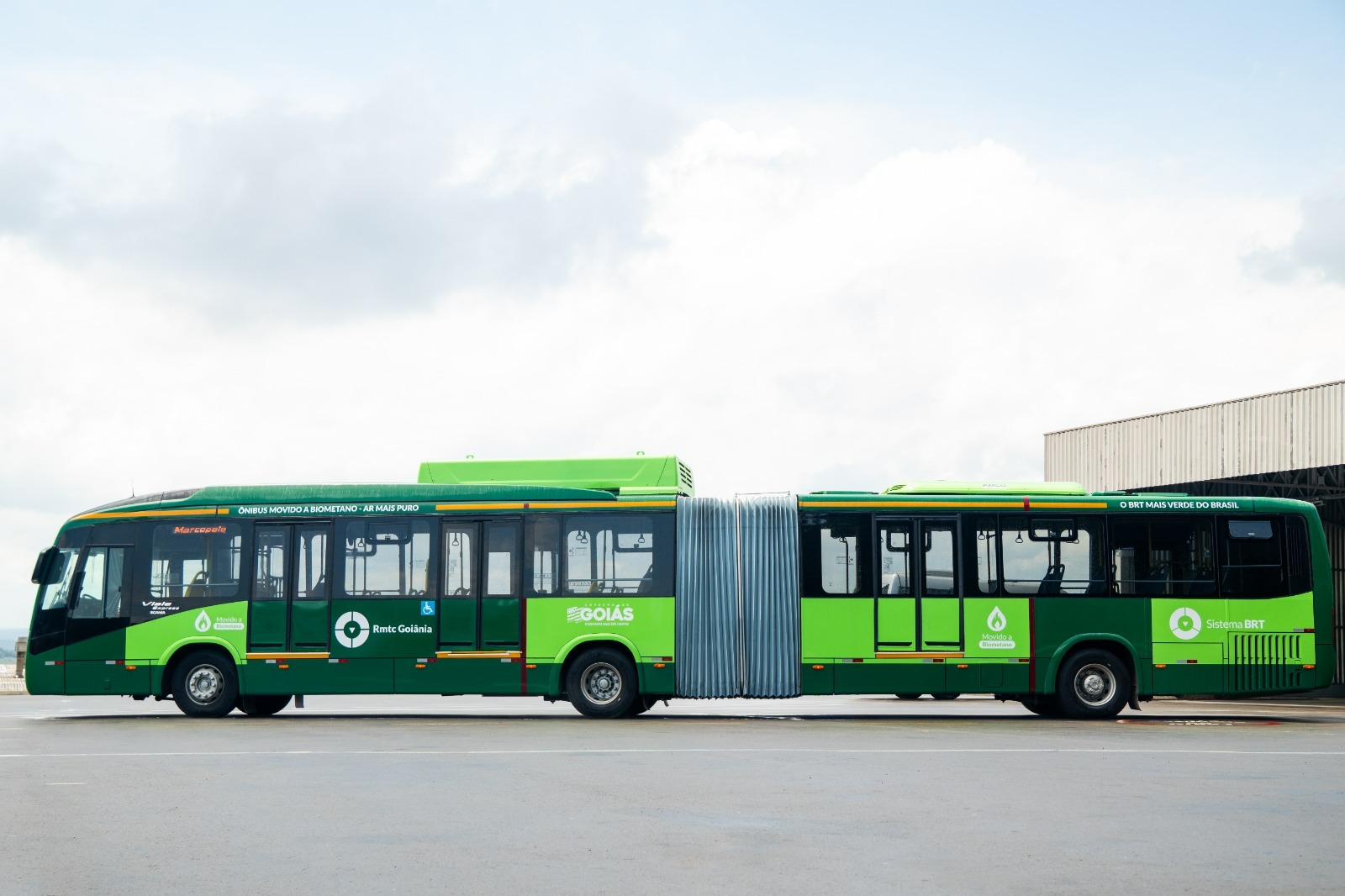
Revolution in public transport: Goiânia puts into circulation the first articulated buses powered by biomethane in Brazil and promises to drastically reduce pollution on the Anhanguera Corridor.
-
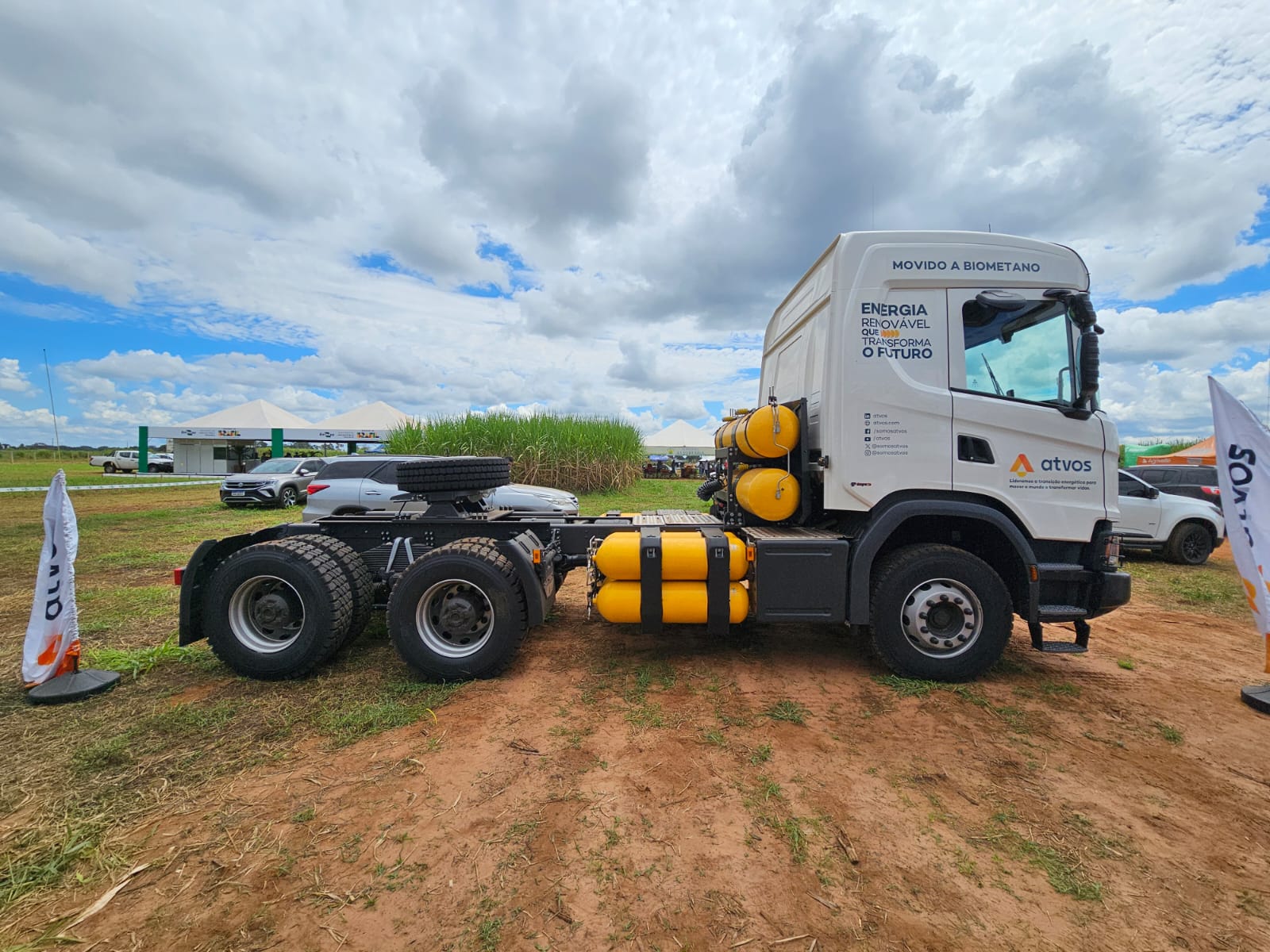
From the field to the pipelines: Mato Grosso do Sul accelerates the energy transition and consolidates a new axis in renewable energy with the arrival of a giant biogas plant.
Street Carnival Structure Concentrates Emissions in Few Days
The Carnival street event moves millions of people and requires complex logistics. Electric trios operate for hours on end, accompanied by support trucks and generators that ensure sound, lighting, and infrastructure for the blocks.
As diesel is still the main fuel used in this equipment, continuous operation during the festive period results in the release of CO₂ and other atmospheric pollutants. Even with the mandatory blending of biodiesel in the diesel sold in Brazil, most of the fuel consumed is still of fossil origin.
Since the enactment of Law No. 15.082/2024, in October 2024, all diesel sold in the country contains 15% biodiesel (B15). This represents an important advancement, but still maintains 85% fossil composition. Therefore, increasing the use of biofuels can significantly reduce the emissions concentrated during Carnival.
Agriculture and Biofuels as Immediate Alternatives to Reduce Emissions
The Brazilian agriculture is responsible for the production of the main raw materials used in the manufacturing of biofuels, such as soy, corn, and sugarcane. This productive base allows the country to maintain a prominent global position in biodiesel and ethanol production.
According to calculations produced by the sustainability team at Binatural, a Brazilian producer specializing in biodiesel, if the vehicles used in the parades operated with B100, the volume of emissions would drop from more than 100.8 tons to about 18.9 tons of CO₂ during the Carnival period.
The difference represents an approximate reduction of 81% in greenhouse gas emissions, which could reach 90% if generators are also considered. Practically, this would mean avoiding the release of almost 82 tons of carbon into the atmosphere just during Carnival.
These numbers indicate that the substitution of fossil diesel with biofuels is an available, national, and immediately applicable solution, supported by the productive capacity of the agriculture.

How the Future Fuel Law Boosts Agriculture and Expands Biofuels
The Brazilian government has intensified public policies focused on energy transition and the reduction of greenhouse gas emissions. Among the most relevant initiatives is the so-called Future Fuel Law, which establishes a schedule for the gradual increase of biofuels in the energy matrix.
The proposal includes increasing the ethanol blend in gasoline, raising the percentage of biodiesel in diesel, and encouraging new technological routes, such as SAF (sustainable aviation fuel) and biomethane.
This advancement creates direct opportunities for agriculture, as the increased demand for renewable fuels boosts the consumption of agricultural raw materials. Sugarcane, corn, soy, and livestock waste become part of strategic chains linked to low-carbon energy. By strengthening these chains, Brazil enhances its capacity to reduce emissions across different sectors, including urban events like Carnival, where the impact is concentrated and measurable.
Carnival as an Urban Laboratory for Decarbonization
Large urban events can function as true laboratories for energy transition. The Carnival, due to its size and international visibility, is a strategic environment to test and expand sustainable solutions already available in the market.
The adoption of B100 in electric trios and generators demonstrates that it is possible to align cultural tradition, economic impact, and environmental responsibility. The agriculture, by providing the raw material and supporting the production of biofuels, enables the reduction of emissions to occur without the need for complex structural changes.
Moreover, replacing diesel with biodiesel contributes to improving air quality in large cities during the festive period. While the main focus is on reducing CO₂, there is also a positive impact on the decrease of pollutants associated with burning fossil fuels.
Installed Capacity of the Sector Guarantees Offer for Large Events
Brazil has installed biodiesel production capacity that exceeds current demand. This means it is possible to increase the use of B100 in specific applications, such as urban transport and temporary energy generation, without immediate need for new structural investments.
This scenario reinforces the potential for initiatives aimed at Carnival, especially in capitals that host hundreds of blocks and use large volumes of diesel in just a few days.
At the same time, strengthening biofuels enhances the leading role of agriculture in the climate agenda. The reduction of emissions moves from being merely an institutional commitment to a concrete practice in events of high visibility.

International Expansion Reinforces Competitiveness of Agricultural Biofuels
The Brazilian Association of Biofuel Producers (APROBIO) has defined its international action as a priority to strengthen the image of Brazilian biodiesel abroad throughout 2026. The strategy aims to open markets and position the national product as a global reference in renewable energy.
According to the entity, the country has a competitive product capable of serving both domestic and external markets. This movement strengthens agriculture, increases the scale of biofuel production, and helps reduce emissions both inside and outside Brazil.
The greater the production and competitiveness, the stronger the economic viability of expanding the use of biodiesel in initiatives like Carnival, transforming cultural events into showcases for energy transition.
New Investments Expand Biofuel Production and Reduce Emissions
The sector is also advancing with new industrial investments. Inpasa, the largest corn ethanol producer in Latin America, plans to invest R$ 7 billion in new units in Brazil in 2026. The expansion reinforces the strategic role of corn ethanol in the decarbonization process.
According to the company, the biofuel produced from the safrinha corn is a relevant tool for the reduction of global emissions. Just like sugarcane ethanol, it is ready to be used in the energy transition.
These investments strengthen agriculture, expand the supply of biofuels, and consolidate Brazil as an international reference in renewable energy. The impact can also be observed in urban applications, such as the expanded use of renewable fuels during Carnival.
Culture, Economy, and Sustainability Walk Together
The integration between agriculture, biofuels, reduction of emissions, and Carnival demonstrates that economic development and environmental responsibility are not opposing agendas. On the contrary, they can be complementary.
The data indicates that substituting fossil diesel with B100 could reduce emissions from more than 100.8 tons to about 18.9 tons of CO₂ during the Carnival period in São Paulo, avoiding approximately 82 tons of carbon in the atmosphere.
With ongoing public policies, installed productive capacity, and new billion-dollar investments, Brazil has the technical and economic conditions to transform large events into concrete examples of energy transition.
By consolidating biofuels as a viable and immediate solution, agriculture reinforces its strategic role in building more sustainable cities — even during the most intense festive days in the country.









Seja o primeiro a reagir!