





 Portuguese
  English
  Spanish
  5 min of reading
  0 comments


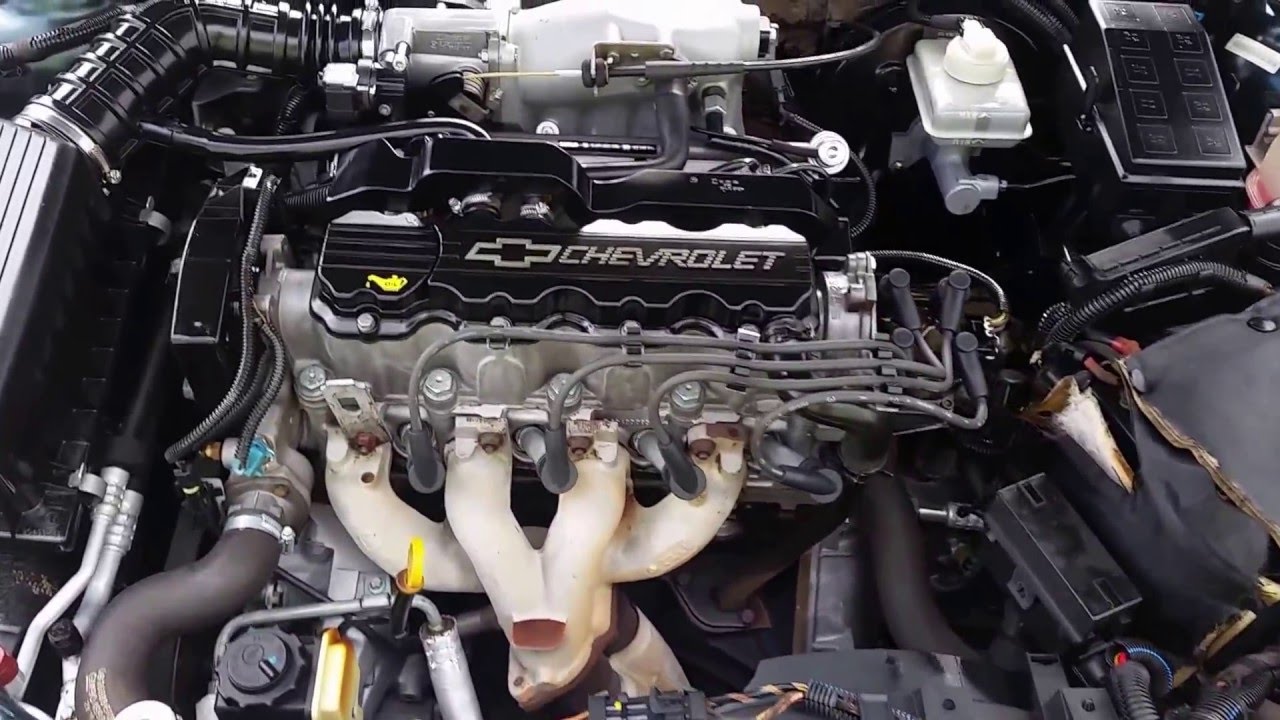
Although Out of Production for Over a Decade, the Chevrolet Vectra Remains Valued Among Fans of Mid-Size Sedans. Find Out Why This Car, Which Has the Presence of Opala, Still Attracts So Many Admirers in the Used Car Market
The Chevrolet Vectra, although out of production since 2011, continues to be a reference among mid-size sedans sold in Brazil. With an imposing design, comfort typical of higher models, and the DNA of General Motors (GM), Chevrolet’s robust mid-size sedan still attracts attention in the used car market from those seeking sturdiness and reliability. This continued demand is explained by the reputation built over decades and the technical and visual qualities that give the car the presence of Opala.
Chevrolet Vectra: A Robust Mid-Size Sedan from Chevrolet That Marked Generations
Launched in Brazil in 1993, the Chevrolet Vectra was one of the first mid-size sedans to bring a more sophisticated package, going beyond the essentials.
Throughout its three generations in the country, the model underwent significant changes, establishing itself as Chevrolet’s mid-size sedan with the greatest appeal among consumers seeking a balance between comfort, performance, and design.
-
The car stored for 38 years: when opening the barn door, what appears is breathtaking and looks like a scene from a movie!

-
Fiat works miracles in the Brazilian market, lowers the price of its 0 km hatch to R$ 69,990, reestablishes the model as the cheapest car in the country, and reignites the battle against Kwid and C3.
-
Chevette with cooking gas: How the gas cylinder ends up being used in cars clandestinely and why this makeshift solution can result in leaks, explosions, damaged engines, and seized vehicles.
-
Fiat launches the new 2027 Toro hybrid with 48V, 176 hp, an electric motor of 15.5 hp, a 0.85 kWh battery, up to 7% fuel savings, 8% fewer emissions, and possible exemption from IPVA.



The second generation, launched in 1996, was the most striking in terms of style and performance. This version became known for its bold appearance, refined interior finish, and good mechanical performance. The third and final generation, from 2005 to 2011, was based on the European Chevrolet Astra, retaining the Vectra name due to the brand’s prestige.
Comfort of a Large Car with the Presence of Opala
The Vectra GLS, in particular, became known for delivering comfort worthy of higher models. The well-calibrated suspension, acoustic insulation, and ergonomics of the seats ensured a driving experience well above the average of the category.
In many aspects, it recalled the classic Opala, a reference among large sedans from Chevrolet in the 70s and 80s.
In addition to comfort, the Vectra radiated imposing presence. Its sturdy design, with a long hood and well-defined rear, gave it an executive car vibe. This combination of elements caused the model to be associated with a “car with the presence of Opala,” even belonging to a lower category.

Internally, the instrument panel, materials used, and the level of finishing reflected GM’s attention to its more demanding audience. In its more complete versions, the sedan offered features such as electric sunroof, rain sensor, and a sound system with steering wheel controls—items that were rare in the category at the time.
GM Project Focused on Durability
The engineering applied by GM in the Vectra was designed to offer longevity. Equipped with reliable engines, such as the 2.0 8V and 2.4 16V, the sedan demonstrated excellent performance both in the city and on the road.
Simple revisions, relatively accessible maintenance, and the abundant supply of parts on the market are factors that ensure the model’s attractiveness to this day.
An important point is the reinforced structure of the vehicle. The body presents good torsional rigidity, which contributes to safety and the durability of the suspension. This also makes it ideal for those looking for a robust mid-size sedan from Chevrolet capable of handling daily use without compromising comfort.
The five-speed manual transmission, present in the simpler versions, is still praised today for its precision in shifting. The four-speed automatic transmission, although more limited in technology, was reliable and well-suited for drivers who prioritized comfort.
Used Car Market and Valuation of the Chevrolet Vectra
According to Fipe (Foundation for Economic Research), prices for the Chevrolet Vectra range from R$ 17,000 to R$ 32,000, depending on the year and version. This competitive price, combined with the quality of the mechanical set and the comfort offered, makes it a very interesting option in the used segment.
Another positive point is the model’s reputation among mechanics and industry experts. The Vectra is often cited as a good choice for those wanting a mid-size car with simple maintenance and mechanical resilience. Additionally, there is an active community of enthusiasts sharing tips, parts, and technical solutions, making life easier for those choosing the model.
In general, insurance presents reasonable values compared to other mid-size sedans in the same price range. This contributes to keeping the cost of ownership attractive, even years after production ended.
Technical Features That Still Impress in Chevrolet’s Mid-Size Sedan
Even with more than a decade out of production, some specifications of the Chevrolet Vectra still stand out. The Elite 2.4 automatic version, for example, offered 146 hp of power with gasoline, four-speed automatic transmission, and features such as digital air conditioning, leather seats, trip computer, and cruise control.
These features were considered high standard for a mid-size sedan from Chevrolet at the time, showing how the model was ahead of many competitors. Additionally, the trunk with a capacity of over 520 liters was another differential for those seeking practicality in everyday use or on trips.
It is also worth mentioning the Expression version, aimed at the corporate market, with simpler finishing but maintaining the robust mechanical set. This strategy allowed GM to reach different consumer profiles with the same model.
Comparisons with Direct Rivals in the Segment
Throughout its journey, the Chevrolet Vectra had as main competitors the Ford Mondeo, Volkswagen Santana, and later, the Honda Civic and the Toyota Corolla. Despite the growing modernization of Japanese rivals, the Vectra remained competitive until the end of production, offering a balanced set of comfort, performance, and brand status.
The Civic gained space with its bold design and Japanese reliability. The Corolla stood out for its efficient after-sales service and low maintenance costs. Still, the Vectra remained a rational choice, especially among consumers who prioritized comfort and visual presence.
Its discontinuation in 2011 was motivated by a global strategy from GM, which replaced the model with the Chevrolet Cruze. Nonetheless, the Vectra left an important legacy for the brand, establishing itself as the robust mid-size sedan from Chevrolet that marked its time.
Why Does the Vectra Still Win New Admirers?
Even after more than ten years since the end of production, the Chevrolet Vectra remains a valid choice for those seeking a reliable, comfortable mid-size sedan from Chevrolet with a striking design. Its solid history, aligned with GM’s robust engineering and visual inspiration inherited from Opala, make it a balanced option in the used car market.
The cost-benefit relationship remains relevant, especially in times of rising prices for new cars. The Vectra delivers a lot for an accessible investment, in addition to offering a pleasant and safe driving experience. For car enthusiasts from the 2000s, it represents a symbol of quality, status, and tradition.
Whether for the cost-benefit ratio, imposing presence, or the feeling of driving a car that marked a generation, the Vectra remains sought after among those who value quality and tradition. A true example of how a good project can withstand the test of time and technological advancement without losing relevance.









-

-

2 pessoas reagiram a isso.