





 Portuguese
  English
  Spanish
  3 min of reading
  0 comments


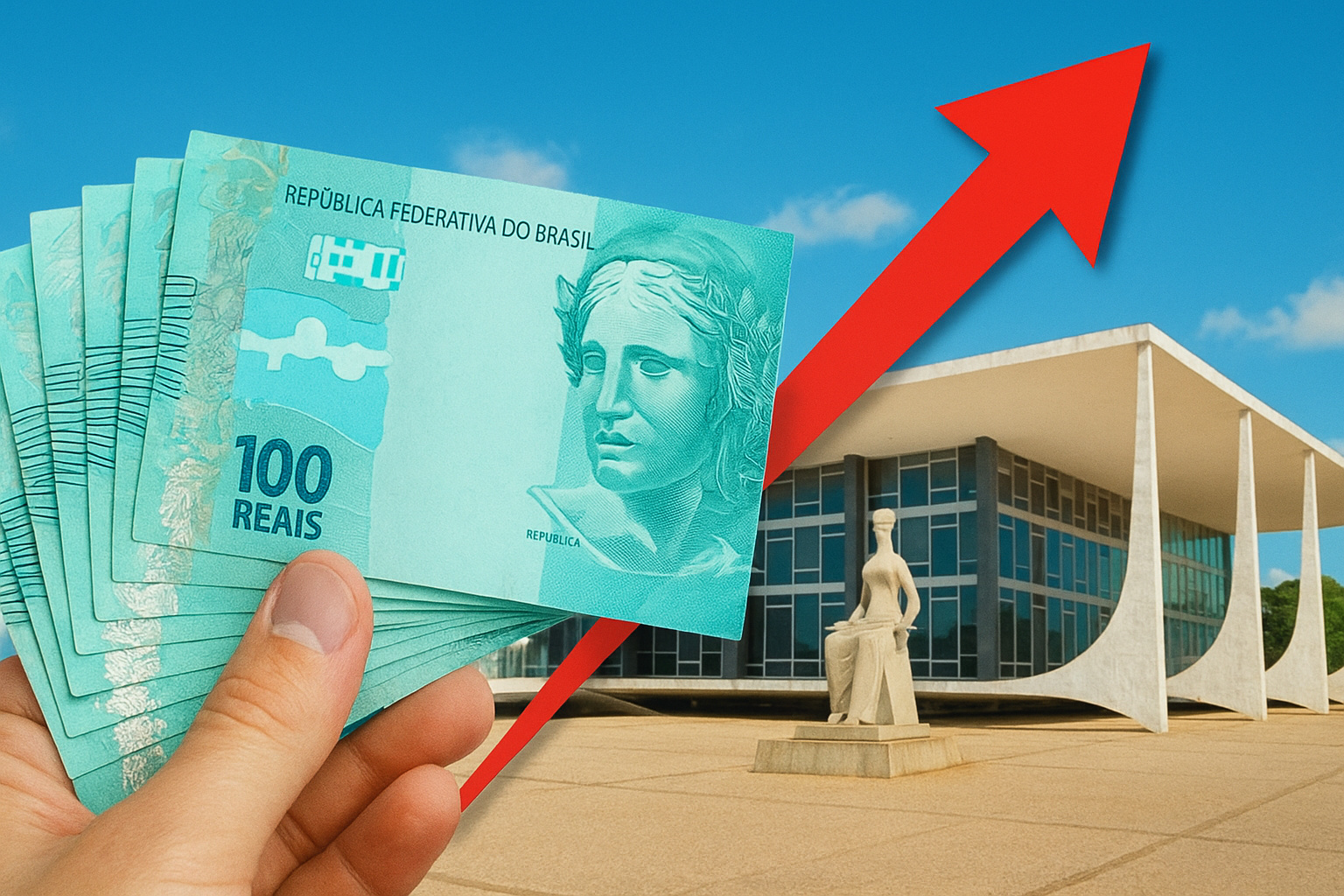
STF Proposes 8% Salary Increase to Congress. See How Much Judicial Workers Could Earn by 2028 and the Impact on Brazil.
STF Pressures Congress with Judicial Salary Increase Bill
The Federal Supreme Court (STF) sent to the National Congress a bill that provides for an annual salary increase of 8% for federal judicial employees.
The text, submitted this week by the STF, guarantees staggered increases between July 2026 and July 2028, totaling a multi-billion dollar impact on public finances.
The proposal arrives at a time of intense debate about spending in Brazil. According to the STF, the increases respect the administrative and financial autonomy of the Judiciary, as outlined in Article 99 of the Constitution.
-
The noise law will no longer be in effect at 10 PM starting in June with a new rule valid during the 2026 World Cup.

-
The Chamber opens a debate on driver’s licenses at 16 years old as part of a reform that includes around 270 proposals to change the Brazilian Traffic Code and may redesign rules for licensing, enforcement, and circulation in the country.

-
The new Civil Code could revolutionize marriages in Brazil with “express divorce” and changes that could exclude spouses from inheritance.

-
Banco do Brasil sues famous influencer for million-dollar debt and intensifies debate on delinquency, risks of seizure, and direct impact on Gkay’s credibility.


The president of the STF, Luís Roberto Barroso, argued that the increases are “necessary to maintain the attractiveness of the career and the proper functioning of Justice.”
Who Signs the Bill and How Increases Work
Bill PL 4.750/2025 is not only signed by Barroso. It is also supported by the presidents of Brazil’s main superior courts: Cármen Lúcia (TSE), Herman Benjamin (STJ), Aloysio Corrêa da Veiga (TST), Maria Elizabeth Guimarães Teixeira Rocha (STM), and Waldir Leôncio Júnior (TJDFT).
The salary increase will be implemented in three stages:
- July 2026: salaries will increase by 8%, reaching R$ 18,812.93 at the top of the career.
- July 2027: a new increase will raise the salaries to R$ 20,317.96.
- July 2028: the final planned increase will raise earnings to R$ 21,943.40.
Despite being substantial, the increases do not apply to the STF ministers, who already receive the constitutional ceiling for civil servants, currently at R$ 46,300.
STF Sends Salary Increase Bill to Congress and Fiscal Impact Is Already Anticipated
The STF forwarded to the National Congress a bill that provides for a salary increase for federal judiciary employees. According to the justification submitted, the financial impact is already accounted for in the Annual Budget Law Project (PLOA) for the upcoming year.
According to the Judiciary, there will be no surprises in the budget, although opposition lawmakers warn of potential additional pressures on public finances.
The bill will follow the traditional procedure: it will first go to the Chamber of Deputies, then to the Federal Senate. If approved, it will be sent for presidential sanction.
Thus, the final decision will depend on the political maneuvering between Congress and the government, reinforcing the STF’s role as a key player in the salary increase proposal.
Salary Increase and Political Debate in Brazil
The salary increase for the Judiciary reignites old discussions in Brazil. On one hand, employees celebrate the proposal as a form of professional recognition.
On the other hand, critics argue that the increases widen inequalities, as public sector salaries generally exceed those in the private sector.
Additionally, the increase occurs amid calls for fiscal responsibility. While social sectors push for more investment in health and education, the Judiciary seeks to secure space in the budget.
What to Expect Moving Forward from the STF
If approved, the project will solidify one of the largest recent salary increases in the public service. The STF is counting on support from the governing coalition to ensure rapid approval in Congress, while opponents promise to resist in defense of fiscal balance.
Thus, the debate on the salary increase in the Judiciary is expected to gain increasing prominence on Brazil’s political agenda in the coming months.










-

-

-

-

-

6 pessoas reagiram a isso.