





 Portuguese
  English
  Spanish
  2 min of reading


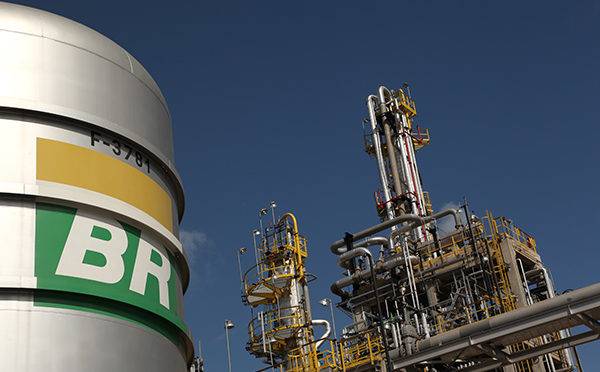
Leggio’s Studies Indicate That Petrobras Refinery Sales Are Insufficient to Generate Competition in the Oil and Gas Market, May Be Further Than Expected
Last year, Petrobras initiated the sale of its stake in eight refineries. However, the idea of market competition in the oil and gas sector may be further from reality than imagined. A study conducted by Leggio states that the sale is not sufficient to generate competition in this market.
You May Be Interested In:
- 11 Thousand Job Openings for Expansion Works at Bracell Factory Secured After Intense Negotiations in Davos
- Global Leader in the Pulp and Paper Market, Suzano Opens Massive Selection Process for Various Regions of Brazil
- Icon Energy Requests Professionals for Job Openings in Rio Grande do Norte
The study states that this will only happen if there is an expansion of infrastructure for the movement of fuels through pipelines, railways, and ports, as only then can the products produced by the refineries reach consumer regions.
-
Mercado Livre has just started selling medications with delivery in up to three hours to your door, and this move could completely change the way Brazilians buy medicines on a daily basis.

-
In Dubai, rising tensions from the war in the Middle East are causing super-rich individuals to leave the Gulf and direct their fortunes to a new financial refuge in Asia.

-
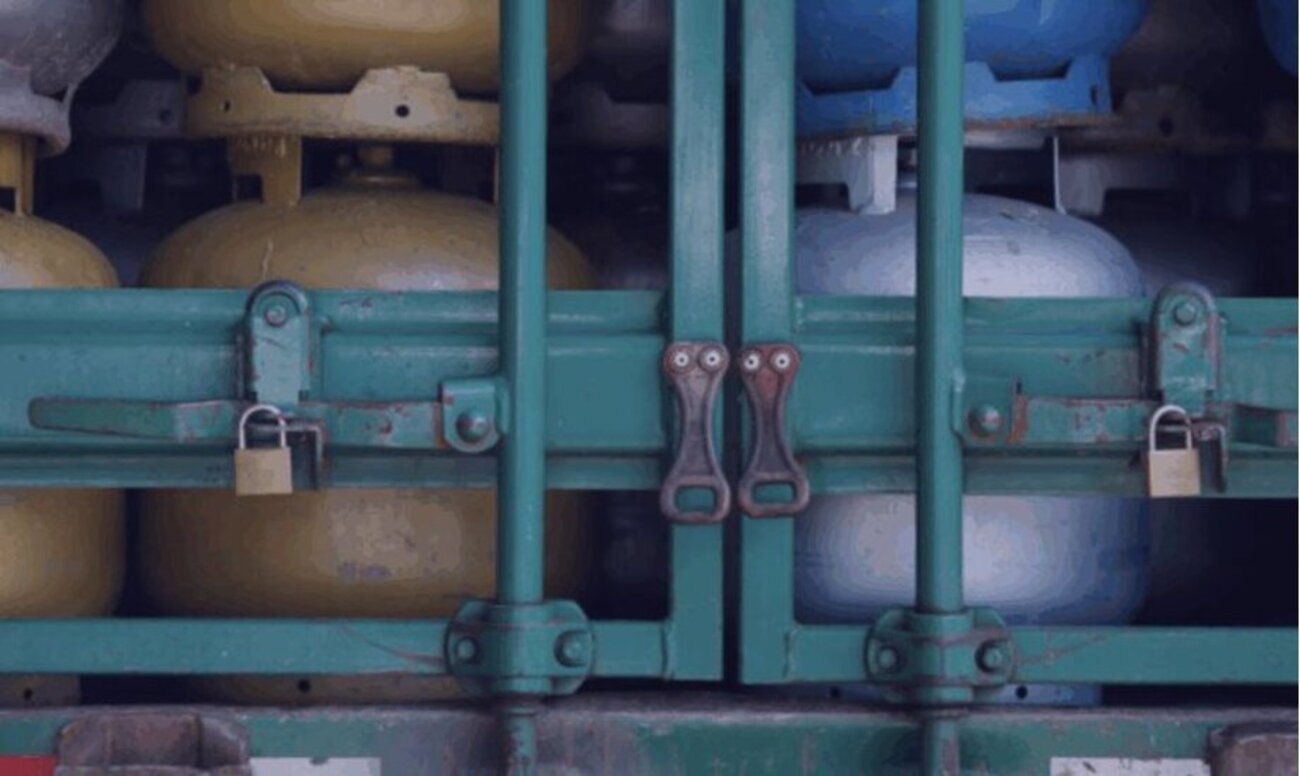
Petrobras evaluates suspension of sales to distributors and considers canceling the cooking gas auction following guidelines from the Federal Government.
-
“No one will make us change the Pix,” says Lula after the US report.


The Petrobras, when it built the eight refineries currently for sale, did not design them to compete with each other, as they are located kilometers apart. Therefore, for the product to be distributed throughout the country, optimization of the country’s infrastructure would also be necessary.
For example, in Bahia, the throughput capacity of the Aratu port terminal represents only 5% of the production volume of the refinery being sold, RLAM, which limits competition with other products from different origins in this market. In Rio Grande do Sul, there is the same dilemma. The Port of Rio Grande is far from the Refap refinery, and there are no terminals in the northern coast of the state or southern Santa Catarina.
To address issues like these, the alternative for competition would be the transport of fuel from other refineries through highways, although limited by cost.
Increasing cabotage transport, expanding port infrastructure, and internationalizing products via pipelines and railways are fundamental aspects according to the conducted study.
Additionally, another important point would be the expansion of the “BR do Mar” program, which currently focuses on container transport, with specific measures to reduce cabotage costs for liquid bulk, whether fuels or chemicals.





Seja o primeiro a reagir!