





 Portuguese
  English
  Spanish
  6 min of reading
  0 comments


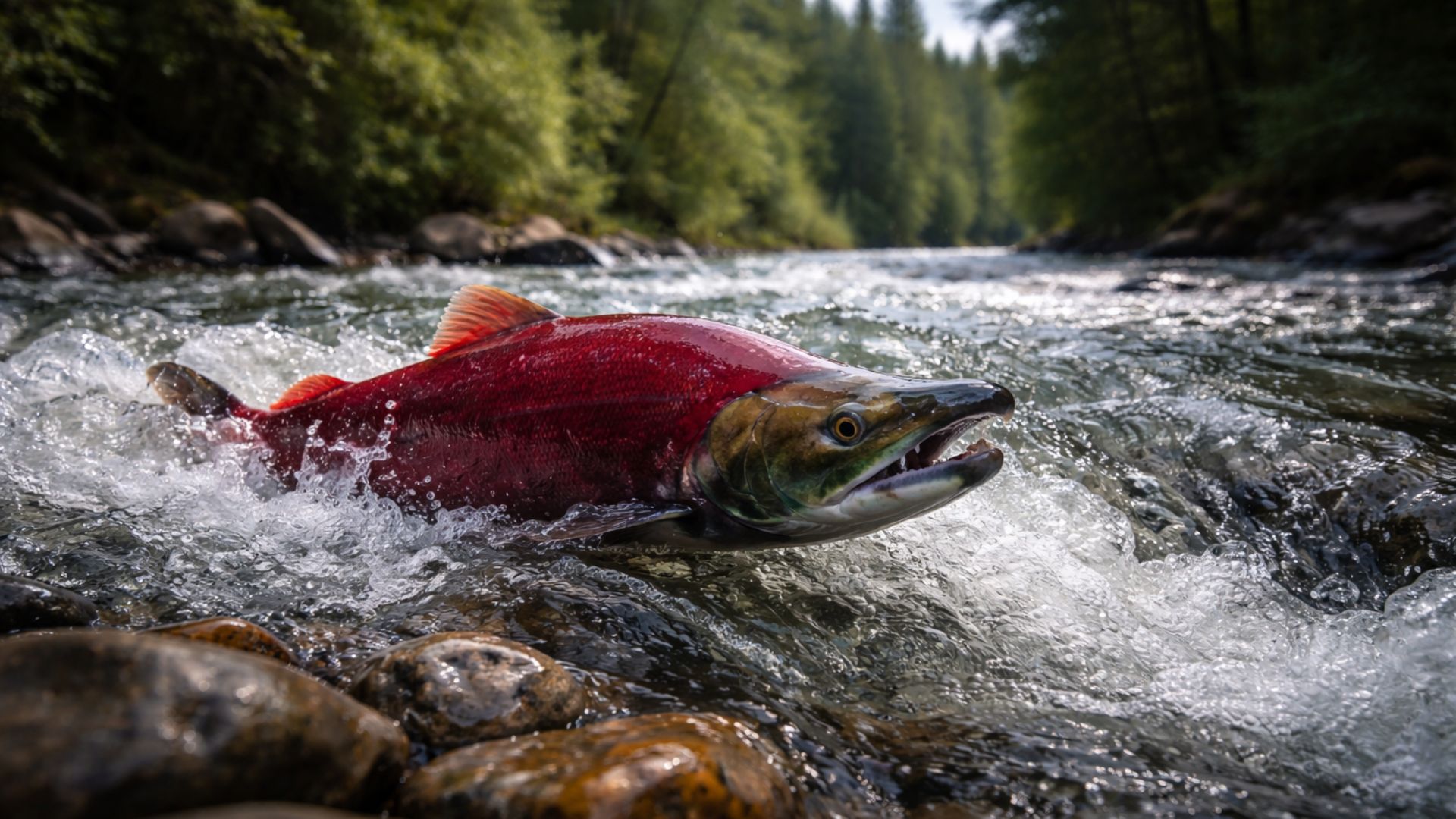
Melting Ice, Rain, and Ocean Currents Guide Migrations that Connect Continents, Shape Ecosystems, and Expose Species to Extreme Risks During Reproduction, Revealing How Natural Cycles and Environmental Changes Determine Routes, Survival, and Balance of Wildlife in Different Regions of the Planet.
With the arrival of summer in the northwestern Pacific, an increase in the volume of rivers fed by melting snow signals the start of one of the most studied movements of aquatic fauna.
The return of salmon to the freshwater where they were born to reproduce involves precise navigation, high physical exertion, and constant exposure to natural hazards.
The movement has been documented for decades by researchers and occurs regularly in various river systems in the region.
-
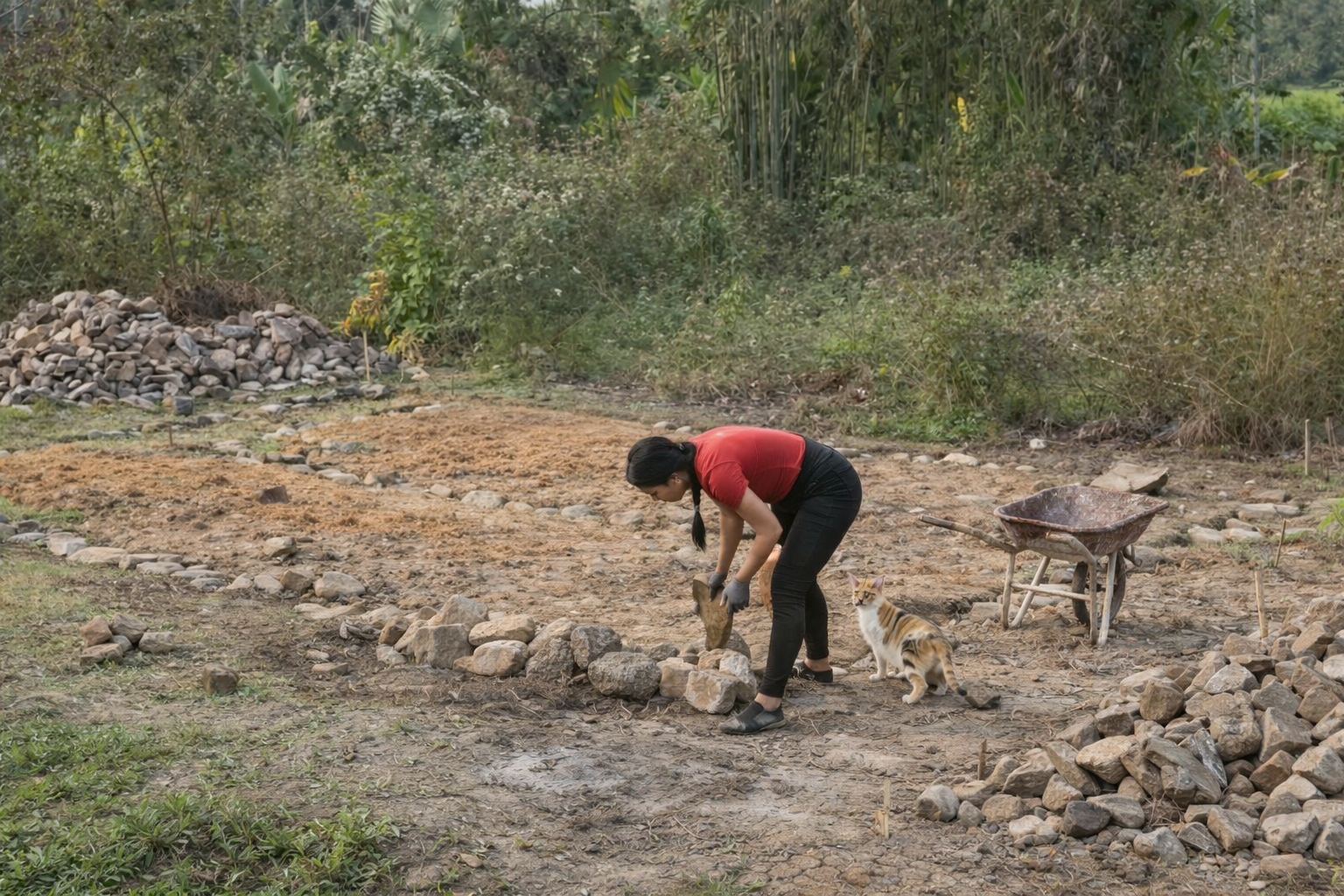
Without help and without heavy machinery, a woman builds a house from scratch with stone, wood, and cement, erects a chimney, creates a complete leisure area, and transforms an empty lot into her dream home.
-
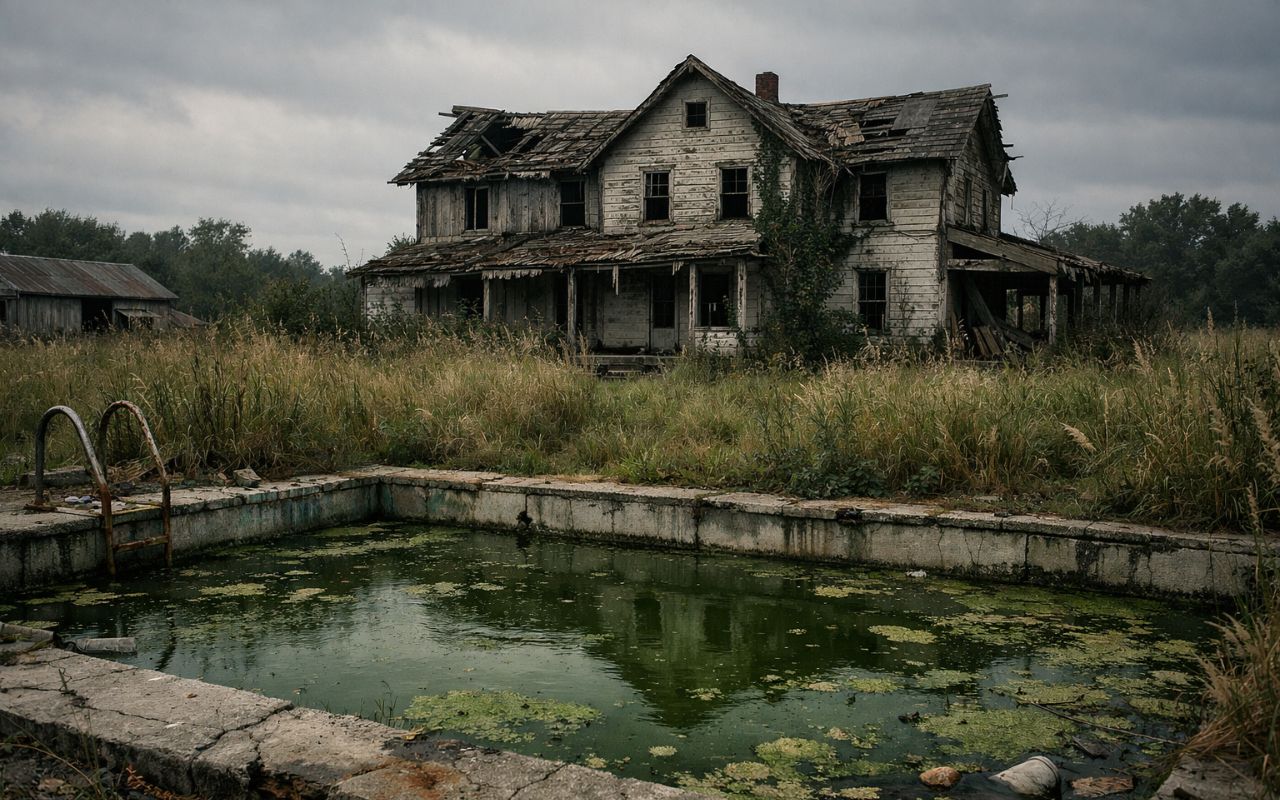
Couple transforms abandoned house after years of being closed; residence was overgrown with weeds, had a green pool, and a deteriorated structure in the interior of Rio de Janeiro.
-
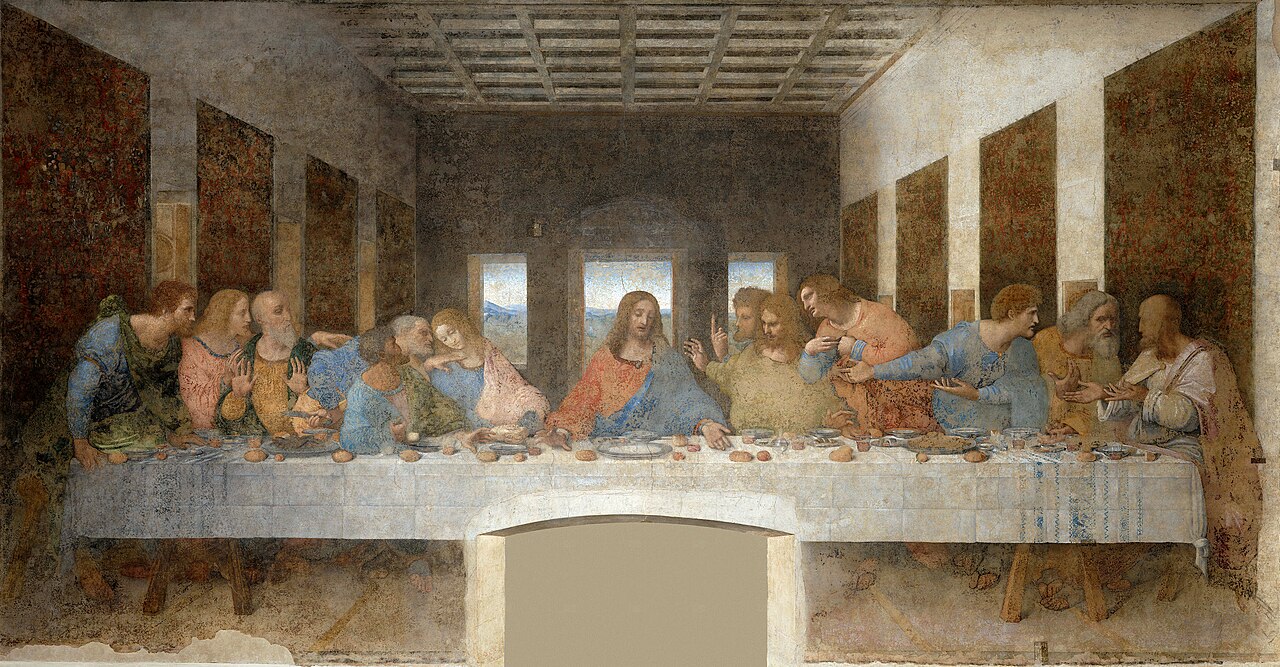
Hidden marks on the walls of the site associated with the Last Supper of Jesus for centuries have been deciphered in Jerusalem, revealing medieval inscriptions left by pilgrims, European nobles, and travelers from the Middle East.
-
One of the most important lakes in the United States for birds, the balance of nature, and the climate has dried to historic levels, leaving boats stranded, revealing salt flats, and showing how the lack of water can transform an entire landscape.

After spending years in the ocean searching for food, salmon begin their migration back to the rivers.
Studies suggest that, in open water, navigation may be associated with the perception of the Earth’s magnetic field.
In the final stages, olfaction takes on a central role, allowing fish to identify the stream of origin.
The crossing occurs without prolonged pauses.
For weeks, the animals swim against the current, facing cold waters and stretches of strong turbulence.
The original text describes a route of about 200 kilometers, with continuous movement even in the face of extreme wear imposed by the journey.
Physical Changes and Risks Along the Migration
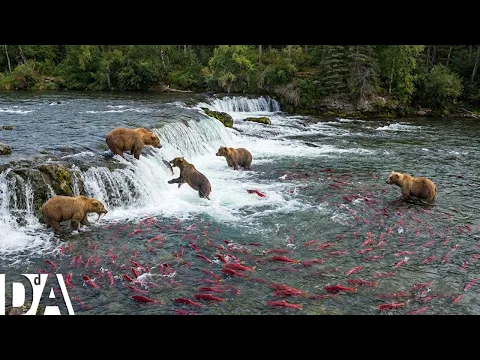

As they move upstream, salmon enter a reproductive phase and undergo noticeable bodily changes.
In species like the sockeye salmon, the coloration intensifies.
Changes in the head and jaw become more evident in males, a phenomenon associated with competition for females and spawning areas, according to researchers.
These transformations are part of the species’ natural cycle.
At the same time, more intense coloration may increase exposure to predators.
In lower stretches of the rivers, bears concentrate at strategic points, taking advantage of the fish passage.
Field reports describe how lower water levels tend to favor hunting by limiting escape routes.
In this scenario, selection occurs meter by meter.
Each jumping attempt, every change in current direction, and every miscalculation can determine whether the animal continues its journey.
Individuals that escape continue moving towards areas described as more preserved.
Among them is the vicinity of Lake Iliamna, mentioned in the text as one of the least impacted river routes in North America.
Spawning, Death, and Nutrient Recycling

Reaching the spawning areas does not end the effort.
Males and females compete for the best spots on the riverbed to deposit eggs.
After this process, many individuals reach their physiological limit and die.
The original text summarizes this moment with the phrase “and then they fall,” used to mark the end of the individual cycle.
According to scientific literature, the death of salmon after reproduction plays a relevant role in balancing the ecosystem.
The decomposing bodies release nutrients that enrich the water and the banks.
This process benefits aquatic and terrestrial organisms.
The dynamic reinforces the idea, present in the account, of a “complete life cycle”, in which the end of one generation contributes to the beginning of the next.
Lake Natron and the Breeding of Flamingos
In northern Tanzania, the logic of migration follows a different environmental trigger.
The Lake Natron, known for its highly saline waters and high temperatures, becomes one of the main breeding sites for the lesser flamingo when the rainfall regime favors the formation of flooded areas.
With the arrival of storms, the lake expands and begins to concentrate large flocks.
According to the text, the mineral-rich water stimulates the growth of salt-adapted algae, the food base for the species during the breeding period.
The gathering in large numbers coincides with collective courtship rituals.

These rituals are described as synchronized movements among individuals.
Nests appear in mounds of mud in shallow waters.
The choice of location is associated with both food availability and protection.
The high salinity makes it difficult for predators to approach, according to the account.
Researchers describe this strategy as recurring for the species in extreme environments.
This protection, however, is temporary.
As the dry season progresses, the water evaporates.
The soil becomes exposed, forcing chicks to leave their nests before they are fully developed.
The text mentions displacements of dozens of kilometers in search of freshwater.
The losses along the way are part of this process.
The flamingos adjust their routes according to the irregular distribution of rainfall.
Christmas Island and the Migration of Red Crabs
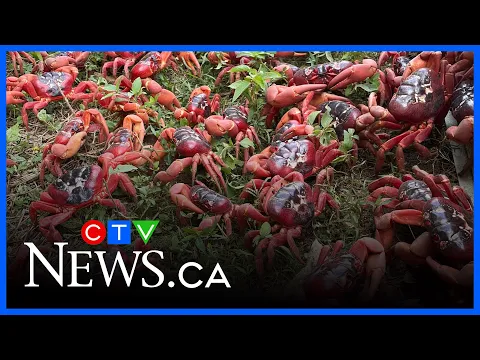
In November, in the Indian Ocean, Christmas Island undergoes another migration marked by the onset of rains.

Red crabs leave the forest and head toward the sea to reproduce.
The behavior has been described as recurring for thousands of years.
The journey now occurs in an environment modified by human presence.
Roads, walls, and heavy traffic pose additional risks.
To reduce impacts, structures such as overpasses and tunnels have been implemented.
These measures aim to balance migration with the island’s occupation.
The spawning occurs in a short timeframe.
The account mentions the arrival of millions of individuals at the beach in a single night.
Each female carries tens of thousands of eggs, released into the sea.
The majority of the larvae do not survive.
Mortality is associated with predation and the action of ocean currents.
When conditions are favorable, a portion returns to the island.
The crossing back to the forest exposes the chicks to new risks.
Among these are attacks from other crabs and specialized predators.
Only the survivors complete the cycle.
They remain hidden in the vegetation for years until the next breeding period.
Peru and the Concentration of Seabirds
In the Pacific, off the coast of Peru, the concentration of seabirds during the breeding season is linked to the abundance of anchovies.
The text associates this scenario with the influence of the cold Humboldt Current.
This system is responsible for bringing nutrients to the coastal waters.
The process favors the development of plankton.
Species like boobies and cormorants explore schools of fish close to the surface.
Diving occurs repeatedly.
In parallel, dolphins push the fish into shallower areas.
Experts describe this type of interaction as indirect cooperation.
Different predators benefit from the same prey behavior.
There is no deliberate coordination between the species.
The result is a short period of intense feeding.
In less than half an hour, large schools can be consumed.
This process meets the energy needs of seabirds and marine mammals.
Walruses in Russia and the Reduction of Sea Ice
In northeastern Russia, the text describes large aggregations of walruses on narrow strips of sand.
The explanation presented relates to the retreat of sea ice.
The reduction of ice diminishes the traditional resting areas used by the animals.
These areas are important during dives for feeding.
The concentration on land increases the risk of trampling.
Calves are among the most affected.
Field observations have recorded difficulties in movement.
There are episodes of separation between mothers and calves.
In stressful situations, some individuals attempt to climb cliffs.
The return can result in fatal falls.
Researchers indicate that this type of aggregation has been occurring for decades.
The scale tends to increase as the ice retreats from shallow areas.
These areas are crucial for the walruses’ feeding.
The phenomenon is cited in the text as a sign of ongoing transformations in the Arctic environment.
By gathering such distinct movements, the account points out that rain, melting, ocean currents, and food availability continue to determine routes and periods of migration.
What other silent movements of wildlife are occurring now and may be altered before they are even fully understood?





-

-

2 pessoas reagiram a isso.