





 Portuguese
  English
  Spanish
  3 min of reading
  0 comments


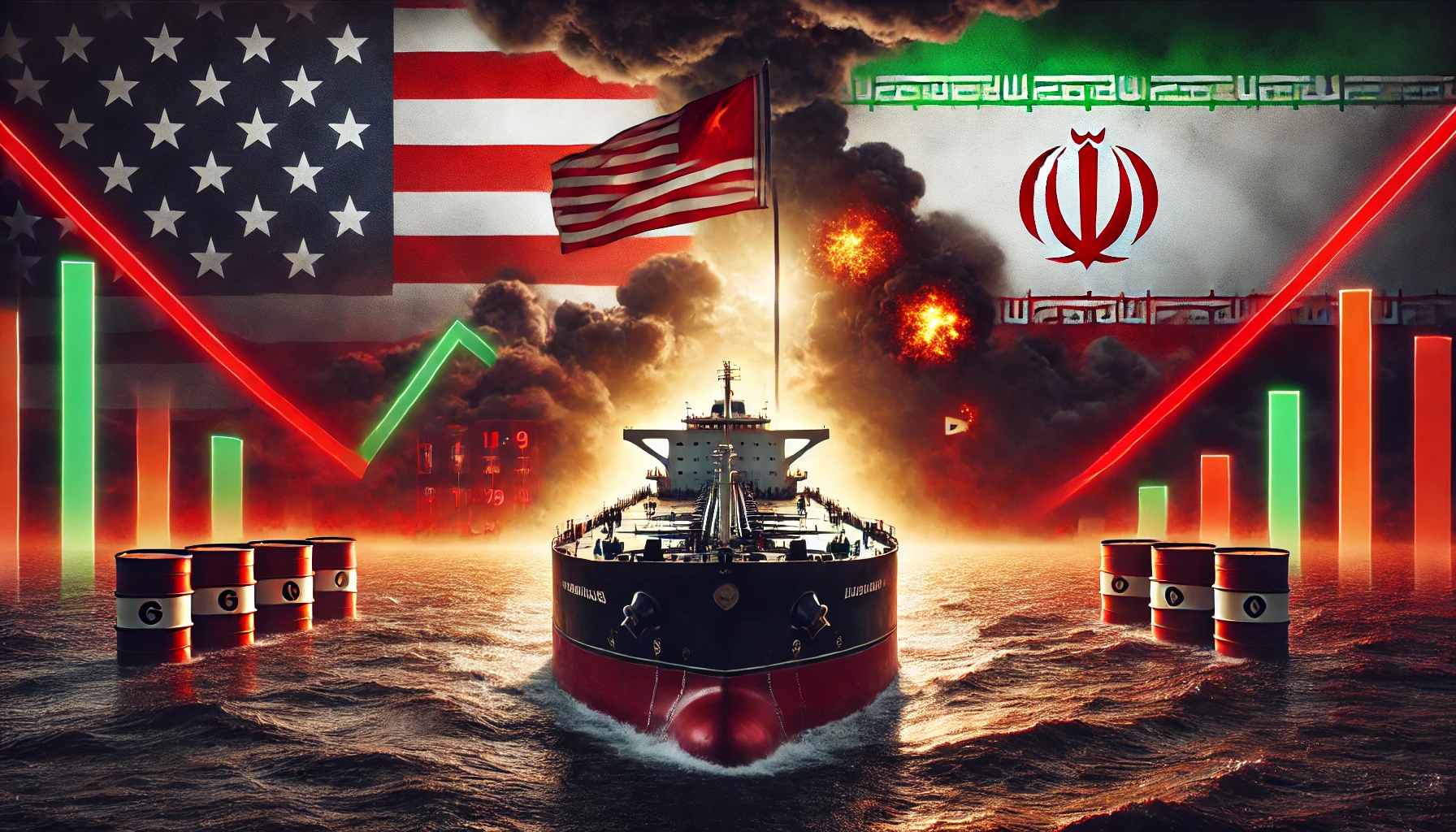
US Sanctions Against Iran, Driven by Tensions in the Middle East, Are Redesigning Oil Supply Routes, Directly Impacting Chinese Imports. Independent Refineries in China Face Challenges with Reduced Iranian Exports and Price Volatility as the Global Market Adjusts to New Geopolitical and Economic Dynamics.
The global oil market is in constant transformation, influenced by a range of geopolitical and economic factors.
Among the most significant events is the intensification of US sanctions against Iran, which have profoundly affected the dynamics of supply and demand for the commodity.
US Sanctions Against Iran: Context and Implications
In October 2024, the United States expanded its sanctions against Iran, aiming to further restrict the country’s ability to export oil.
-
The rise in oil prices could ensure an extra revenue of R$ 100 billion for the Federal Government, indicates a recent economic study.

-
Naturgy begins an investment of R$ 1.6 million to expand the gas network in Niterói and benefit thousands of new residences and businesses.
-
A major turn in the Justice system suspends tax increases and directly impacts oil and gas companies in Brazil by affecting costs, contracts, and financial planning, leaving uncertain what could happen to the sector if these costs had increased.

-
Brava Energia begins drilling in Papa-Terra and Atlanta and could change the game by reducing costs in oil while increasing production and strengthening competitiveness in the offshore market.
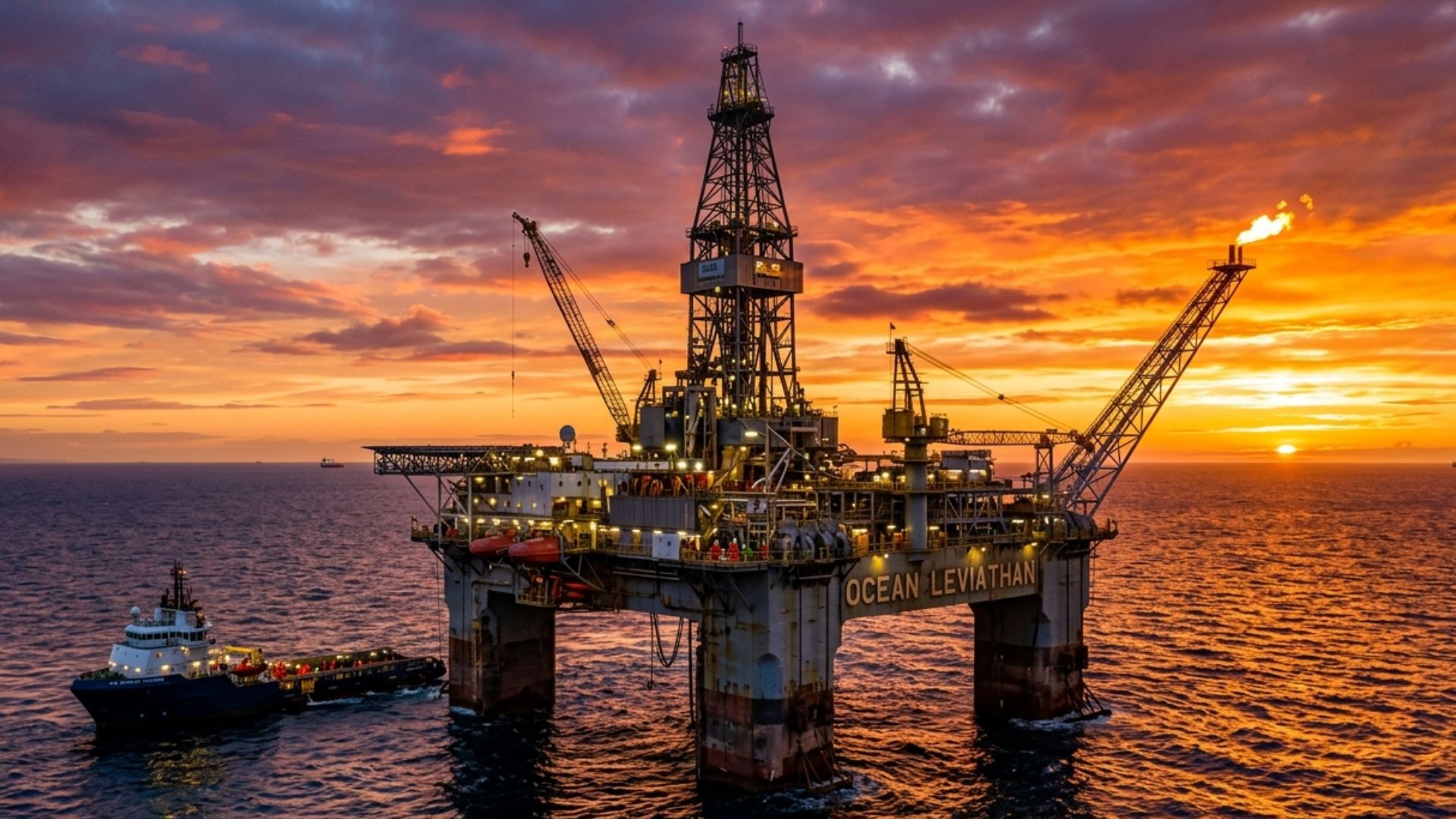

These measures directly affected 23 vessels and 16 entities linked to oil transportation, as reported by the portal O Petróleo.
The intensification of sanctions raised transportation costs and brought uncertainties to the market, particularly impacting independent Chinese refineries that rely on Iranian oil for their operations.
Impact on Chinese Oil Imports
China, the world’s largest oil importer, has faced significant challenges due to sanctions against Iran.
In September 2024, Chinese imports of Iranian oil recorded a 5.8% increase, totaling approximately 1.57 million barrels per day, according to data from Estadão.
However, subsequent sanctions began to restrict these flows, resulting in a reduction in Iranian exports and rising shipping costs.
This situation further pressured the profit margins of independent Chinese refineries, which were already facing challenges due to weakened domestic demand.
Price Volatility in Oil
Oil prices have shown significant volatility in 2024. In October, Brent fell more than 4%, trading at US$ 74.25 per barrel, the lowest value since the beginning of the month, as reported by Valor Investe.
This decline reflects concerns about global demand, which appear to outweigh the risks of supply disruptions due to conflicts in the Middle East.
Analysts predict that this volatility will continue, influenced by factors such as OPEC+ decisions, US policies, and persistent geopolitical tensions.
Outlook for the Oil Market
For 2025, moderate demand for oil is expected, driven by slower economic growth in major economies, including the United States, China, and the eurozone, according to an analysis by El País.
On the other hand, supply is expected to expand, especially in the Americas, although US shale production may be affected by lower prices.
OPEC+ plans to gradually normalize its production in the first half of 2025, which may maintain a downward trend in prices, with estimates suggesting that Brent could reach an average of US$ 73 per barrel.
Challenges for Chinese Refineries
Independent Chinese refineries are facing increasing challenges due to sanctions and price volatility.
With reduced imports of Iranian oil and rising shipping costs, these refineries operate with increasingly narrow profit margins.
Additionally, weakened domestic demand adds pressure on these companies, which are seeking alternatives to maintain the economic viability of their operations.
Final Considerations
The oil market in 2024 and prospects for 2025 indicate a scenario of ongoing volatility and uncertainties.
US sanctions against Iran, tensions in the Middle East, and changes in global demand are factors that will continue to influence prices and supply routes.
Chinese refineries, especially the independent ones, will need to adapt their strategies to navigate this challenging environment and ensure the country’s energy security.
Do you believe that international sanctions are effective in controlling geopolitical tensions in the oil market, or do they only increase volatility and economic challenges for the involved countries? Share your opinion in the comments.








-

Uma pessoa reagiu a isso.