





 Portuguese
  English
  Spanish
 4 min of reading
  0 comments


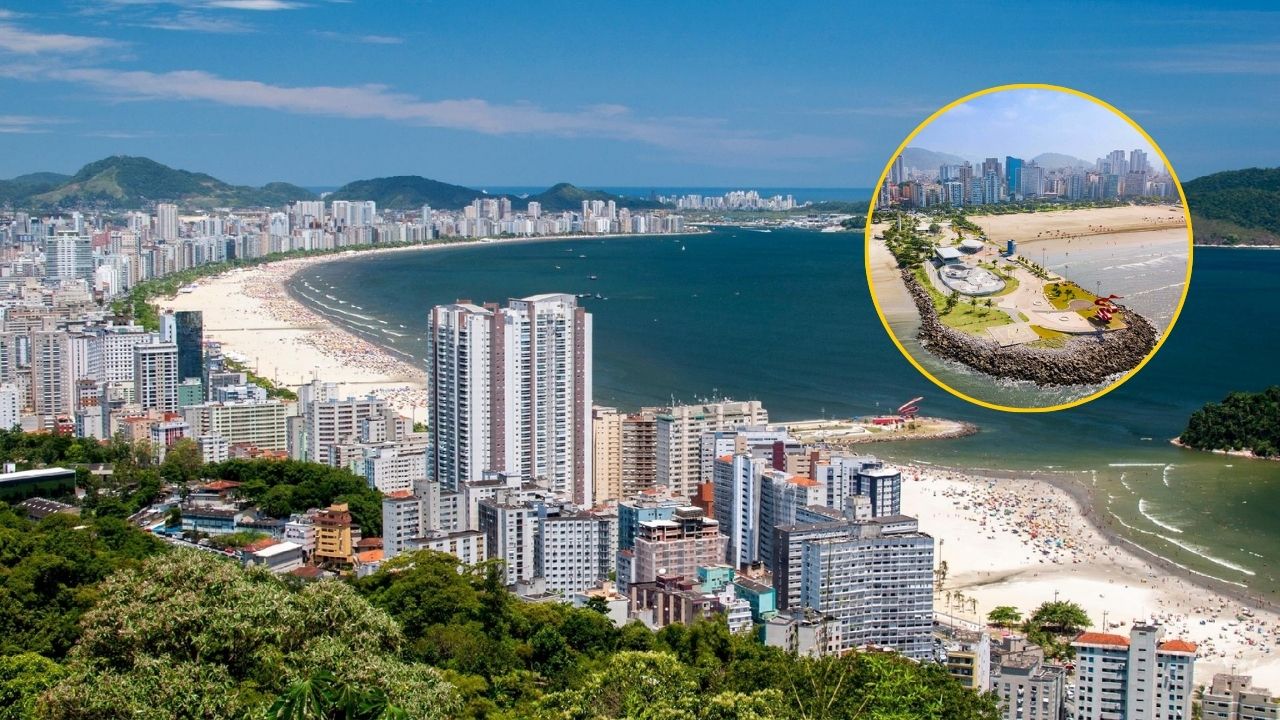
Santos Stands Out as the Most Feminine City in Brazil, with a Majority of Women and Direct Impacts on Urban Daily Life.
What makes Santos, on the São Paulo coast, such a unique municipality? The city, which has 418 thousand inhabitants, was identified by IBGE as the most feminine city in Brazil, gathering one of the highest proportions of women in the country.
The data, released after the 2022 Census, reinforces a demographic profile that has already influenced local daily life, from services to the use of public spaces.
At the same time, the municipality is home to the largest beachfront garden in the world, installed along the seafront.
-
Furniture made with aluminum and glass does not warp and has become an alternative to replace MDF in Brazil.

-
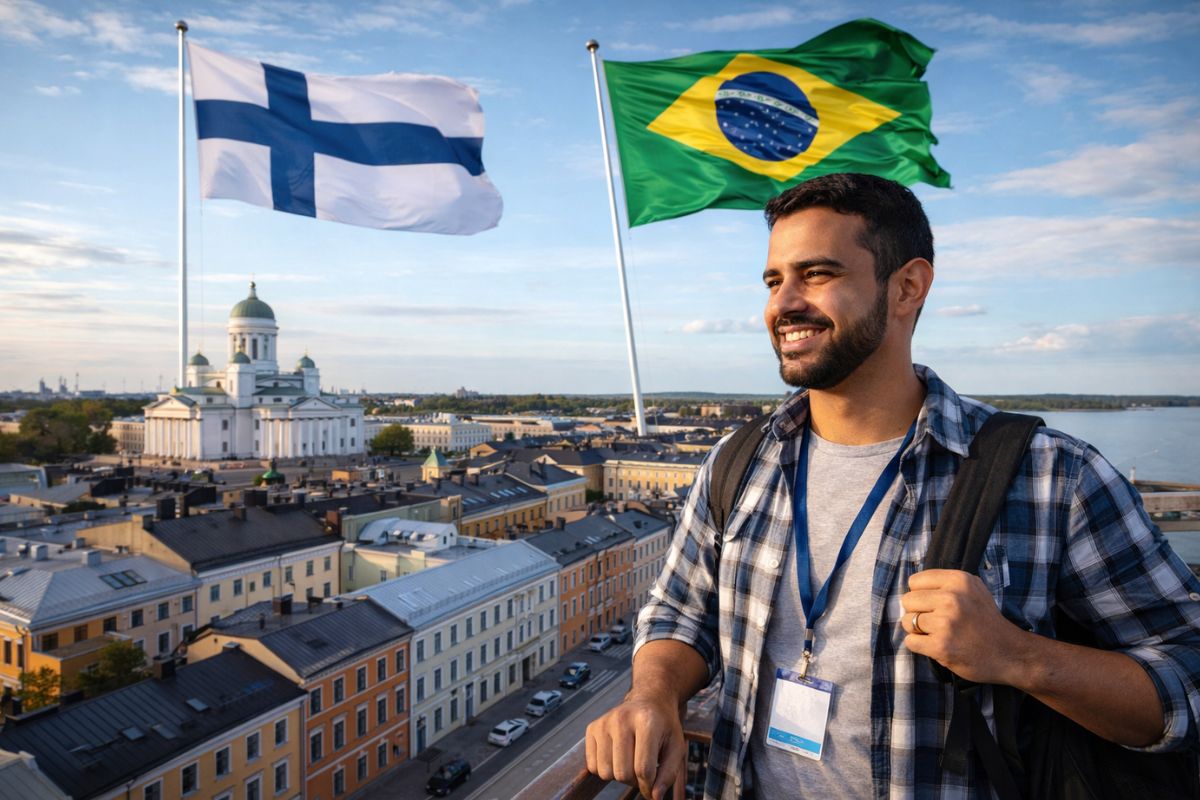
Finland, the happiest country in the world, wants to hire 140,000 technology professionals and is eyeing Brazilians: visas are issued in just two weeks and salaries with a 37-hour workweek are surprising.
-
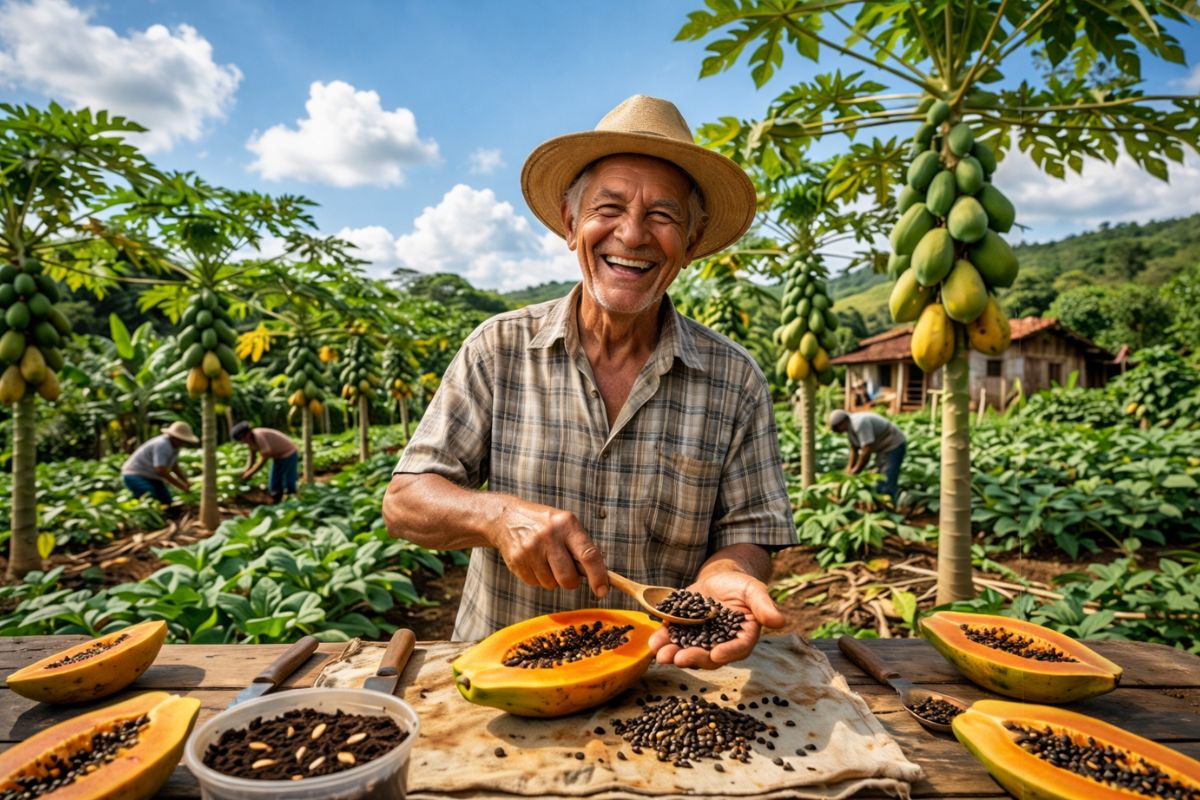
Mr. Mário reveals the technique of the caipira papaya: he cuts the fruit in half, discards the seeds from the tip, and plants the ones from the back to increase the chance of a productive female tree.
-
Few remember, but the submarine that disappeared in 1968 with 52 crew members was found after 51 years at the bottom of the sea at more than 2,000 meters, intriguing the entire world.


This combination is today one of the main postcards of the region and helps explain why Santos has become a reference in urban planning, well-being, and community life.
Santos: The Most Feminine City in Brazil
Santos occupies a prominent place in the national demographic landscape. According to IBGE, 54.68% of the population is made up of women, which means that for every 100 resident women, there are only 82.9 men.
This significant difference places the municipality at the top of the national ranking.
Furthermore, this scenario contributes to transforming urban dynamics. The larger female presence changes, for example, consumption behavior, the profile of local commerce, and demands for safety, mobility, and leisure.
Thus, the most feminine city in Brazil adapts its services and public policies to keep up with the reality of its predominant population.
Social and Cultural Impacts of This Demographic Profile
The strong female presence directly influences the organization of the city. Health services, sports practices, cultural projects, and well-being initiatives tend to be shaped to meet the needs of the female residents, who become the social hub of the community.
Additionally, with greater longevity, women expand the older age segment of the population.
This requires specific policies, such as accessible sidewalks, adapted transportation, and actions aimed at active aging.
On the other hand, even though they are the majority, the female presence still does not proportionally reflect in politics.
In recent elections, for example, only two women secured seats in the City Council, revealing a gap between representation and population reality.
Santos Houses the Largest Beachfront Garden in the World
Another highlight of the municipality is its waterfront, where the largest beachfront garden in the world stretches, recognized by the Guinness World Records.
Spanning 218.8 thousand square meters, it is laid out over more than 5.3 kilometers, in a set of beds that combines beauty, environmental preservation, and history.
The space gathers around 70 species of plants, more than 1,700 trees, and hundreds of carefully planned beds to create a continuous landscape.
For residents and tourists alike, the garden serves as a natural retreat amid the urban pace.
Walks, sports activities, contemplation, and sunset strolls are part of the routine for those who visit the waterfront.
The structure also features sculptures and monuments that resonate with the city’s memory, forming a kind of open-air museum.
Quality of Life Shaped by the Relationship with the Waterfront
The largest beachfront garden in the world is not just a tourist attraction. It contributes to the local microclimate, helps reduce temperatures in the waterfront area, and fosters social interaction.
Moreover, it reinforces the idea that planning cities with a focus on sustainability and well-being yields visible results for the population.
For Santos, this care reflects in quality of life rankings and the positive perception of its residents.
The most feminine city in Brazil thus maintains a loving relationship with its greatest natural and urban asset: the sea and the garden that accompanies it.
A City That Combines History, Nature, and Female Leadership
By merging the title of the most feminine city in Brazil with the privilege of having the largest beachfront garden in the world, Santos creates a unique identity.
The strength of its female population meets the grandeur of its coastal landscape, forming a municipality that values both its residents and its public spaces.
This combination makes it clear that Santos goes beyond numbers: it represents a model of human, inclusive, and nature-connected urbanism — characteristics that not only captivate the eye but shape the city’s future.







-

-

-

4 pessoas reagiram a isso.