





 Portuguese
  English
  Spanish
  4 min of reading
  0 comments


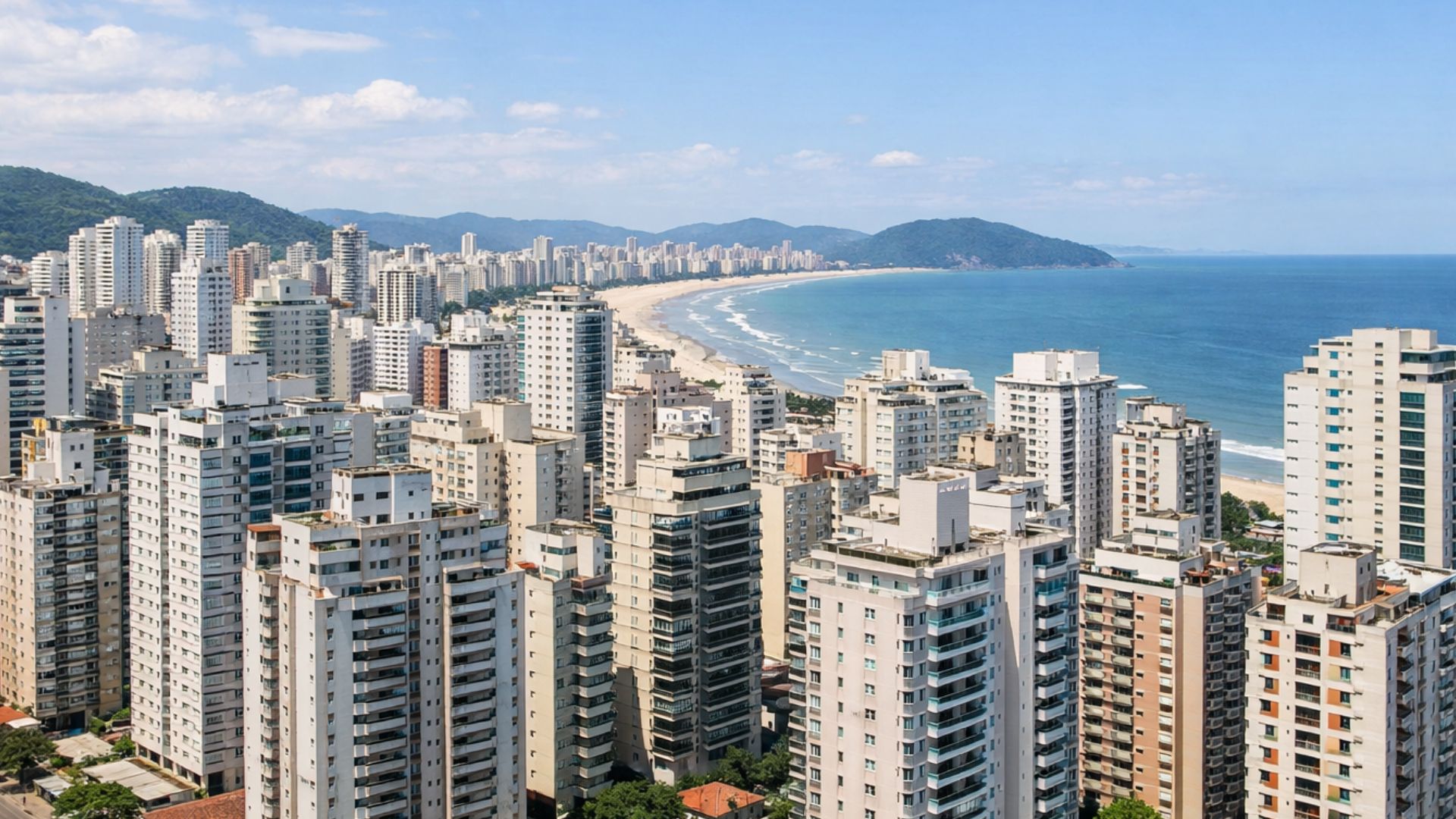
Santos, On The São Paulo Coast, Concentrates More Than 63% Of Its Population In Apartments, A Figure Significantly Higher Than The National Average Of 12.5%, Revealing How Coastal And Vertical Cities Develop Radically Different Housing Dynamics Compared To The Rest Of Brazil.
Santos, on the coast of São Paulo, comfortably leads the national ranking of cities with the highest proportion of residents living in apartments, with 63.45% of the population residing in this type of housing, according to the data from the 2022 Census of the Brazilian Institute of Geography and Statistics (IBGE).
This figure places Santos well ahead of the second place, Balneário Camboriú (SC), which registers 57.22% of its residents in apartments, and the third place, São Caetano do Sul (SP), with 50.77%, highlighting the concentration of intense verticalization in municipalities with specific territorial occupation characteristics.
The phenomenon reflects decades of urban densification in a city that faces natural geographic limitations by being set on an island and a small continental area, which historically has driven vertical growth as an alternative to horizontal expansion of buildings.
-
Spain surprises the world by erecting 62 artificial dunes, mixing sand with natural remains of posidonia, and causing the structure to lose only 1.4% of its volume in 1 year.

-
With 16 Bulava missiles, improvements in acoustic stealth, and a design focused on silent patrols, Russia’s nuclear submarine was born to ensure Moscow’s invisible retaliation and has become one of the pillars of its maritime strength.

-
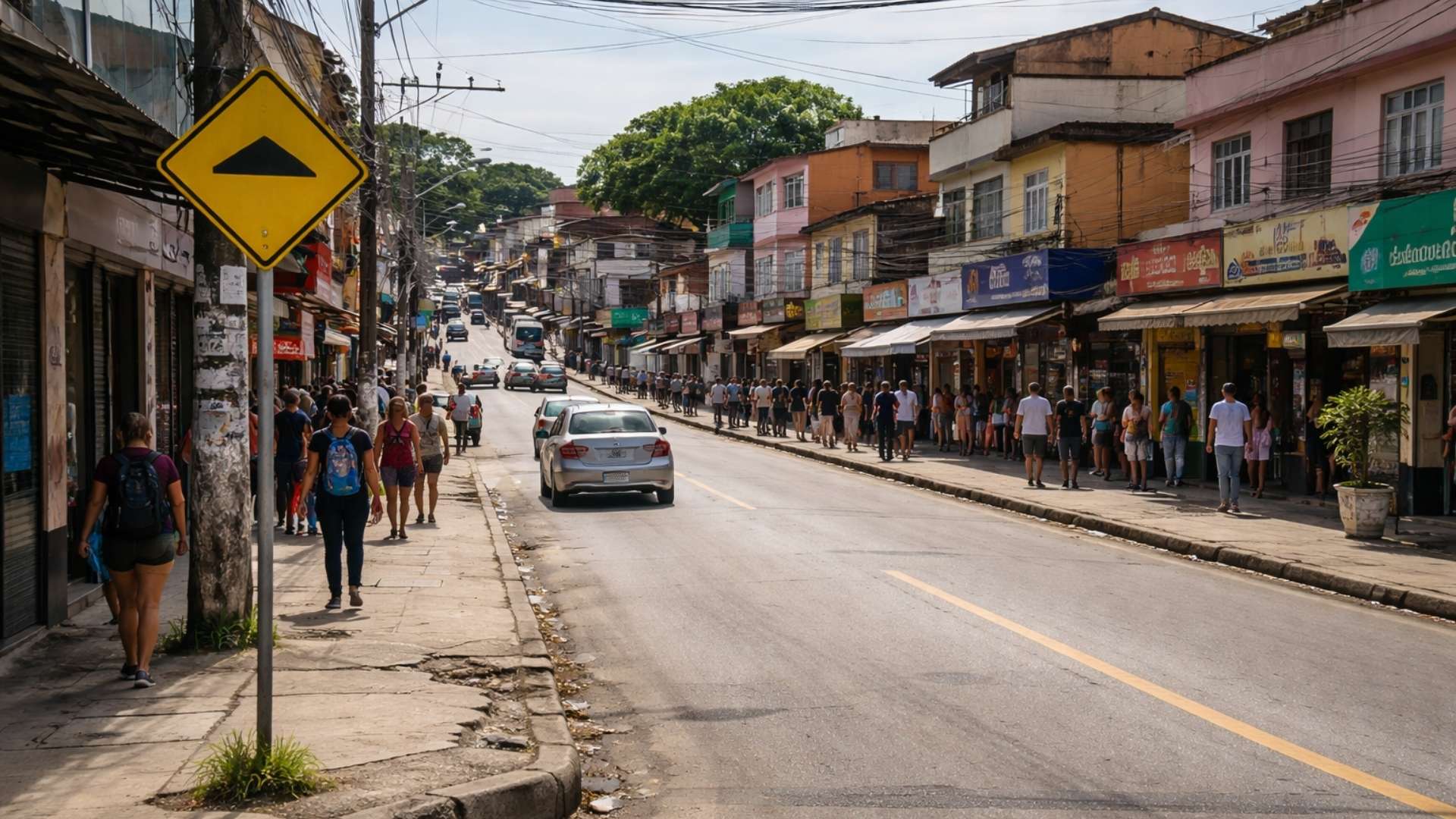
‘Populous’ city in Rio among the worst in Brazil in national ranking and exposes silent development crisis.
-
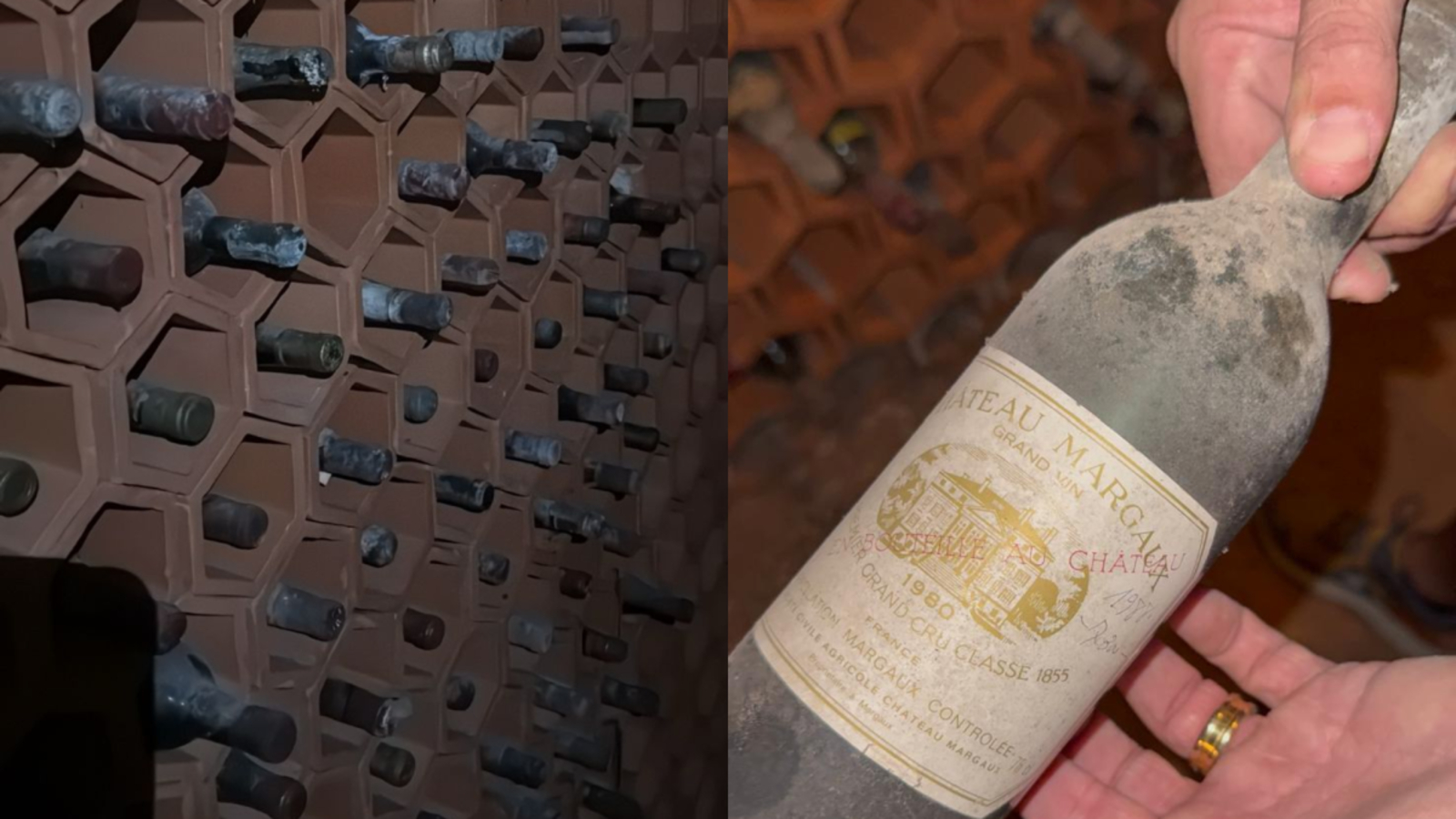
Couple buys house in the South Zone of São Paulo, opens a hidden door in the garage, and finds a secret wine cellar with dozens of old wines forgotten since the 1970s.

Complete Ranking Of Cities With The Most Apartments In Brazil


The complete survey based on the data from the 2022 Census points to the ten Brazilian cities with the highest concentration of residents living in apartments:
- Santos (SP): 63.45%
- Balneário Camboriú (SC): 57.22%
- São Caetano do Sul (SP): 50.77%
- Vitória (ES): 45.4%
- Porto Alegre (RS): 42.36%
- Viçosa (MG): 41.68%
- São José (SC): 41.05%
- Niterói (RJ): 40.2%
- Itapema (SC): 38.76%
- Florianópolis (SC): 38.64%
The presence of four municipalities from Santa Catarina in the ranking — Balneário Camboriú, São José, Itapema, and Florianópolis — demonstrates how the Santa Catarina coast has developed a markedly vertical housing pattern in recent decades, driven by tourism, real estate appreciation, and the constant arrival of new residents from other regions of the country.
Brazil Is Still A Country Of Houses, With 84.8% Of The Population
Despite the evident verticalization in some municipalities, the national scenario is radically different: according to the data from the 2022 Census, 84.8% of the Brazilian population still lives in houses, while only 12.5% of the total inhabitants of the country reside in apartments, equivalent to about 25 million people.
The data reveals that 59.6 million houses were visited during the Census, which house 171.3 million people, confirming that horizontal housing remains largely dominant in Brazil, both in absolute volume and in percentage of the total recorded population.
The Piauí is the state with the highest concentration of residents living in houses in the country, with an impressive 95.6% of the state population residing in this type of housing, reflecting the predominantly horizontal profile of territorial occupation in the inland regions of Northeast and North Brazil.

On the other hand, the growth of housing in apartments over the censuses is noticeable and consistent: in 2000, 7.6% of Brazilians lived in apartments; in 2010, this percentage rose to 8.5%; and in 2022, it reached 12.5%, an upward trajectory reflecting the growing urbanization and verticalization of capitals and mid-sized cities over more than two decades.
Southeast Leads In Apartments; North Records The Lowest Index In The Country
Among Brazilian regions, the Southeast has the highest proportion of residents living in apartments, with 16.7% of the regional population residing in this type of property, a result of the historical process of intense urbanization in states like São Paulo, Rio de Janeiro, and Espírito Santo throughout the 20th century.
At the opposite extreme is the North region, where only 5.2% of citizens live in apartments, a figure that reflects both the lower urban density and the geographical and cultural characteristics of Amazonian territorial occupation, where horizontal construction is still largely predominant among different housing profiles.
In addition to houses and apartments, the 2022 Census also cataloged other forms of housing found throughout Brazil:
- Villas or condominium houses: 2.4% of the population
- Rooms or tenements: 0.2%
- Indigenous housing without walls or malocas: 0.03%
- Degraded or unfinished permanent residential structure: 0.04%
The numbers show that, although verticalization has been consistently advancing in recent decades, Brazil is still far from a structural transformation in housing patterns, and the predominance of houses is likely to remain for several generations, especially in regions with lower urban concentration and lesser dynamism in the real estate market.
Nonetheless, the case of Santos serves as a reference for understanding how the combination of geographical, economic, and cultural factors can radically transform the housing profile of a municipality, making the apartment not just an option among others, but the absolutely dominant form of housing for the vast majority of its inhabitants.







Seja o primeiro a reagir!