





 Portuguese
  English
  Spanish
  3 min of reading
  0 comments


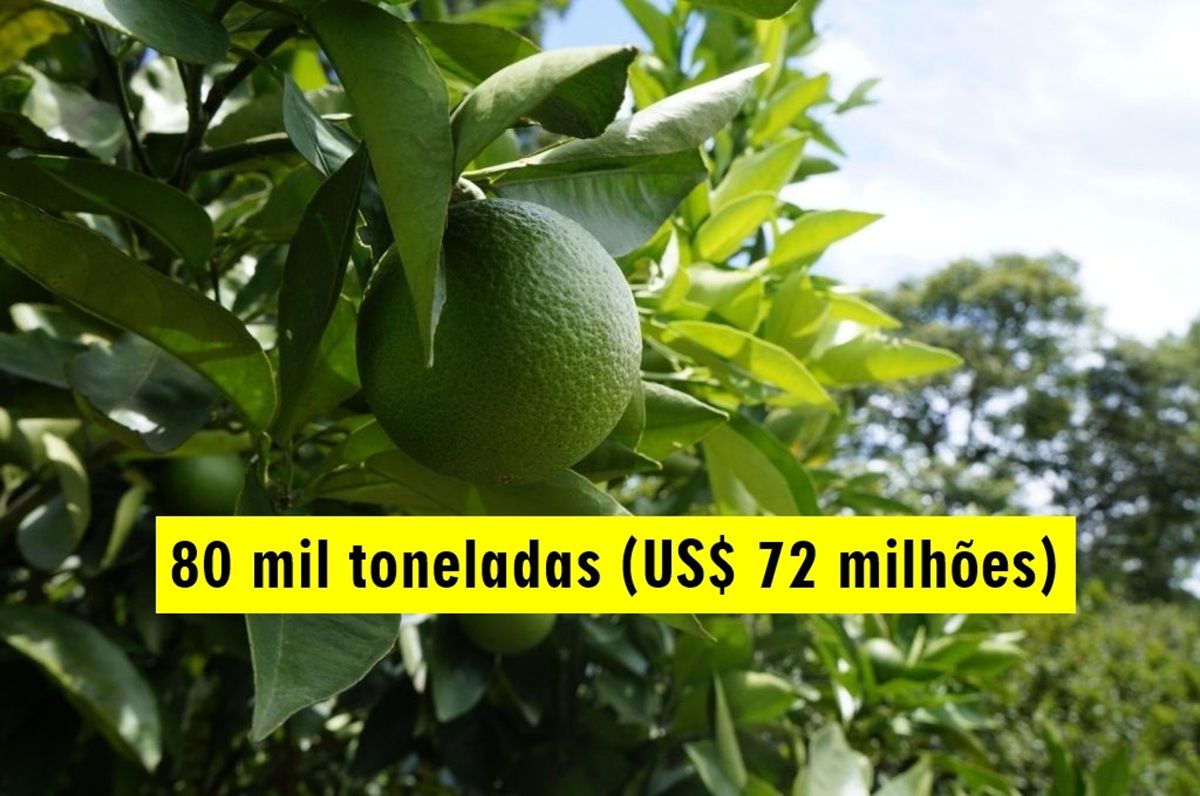
São Paulo Consolidates Position as Largest Producer and Exporter of Lemons in the Country, with 21% Increase in Exports and Strong Presence in Europe.
The state of São Paulo leads lemon production in Brazil. In 2024, according to the Agricultural Economy Institute (IEA – Apta), linked to the Department of Agriculture and Supply of SP (SAA), more than 1.1 million tons were cultivated.
The performance was also reflected in exports. In the first half of 2025, over 81,000 tons already left the state.
The value reached US$ 72 million, a 21% increase compared to the same period last year.
-
The sugar-energy sector advances with agricultural technology, but agricultural productivity still raises concerns.

-
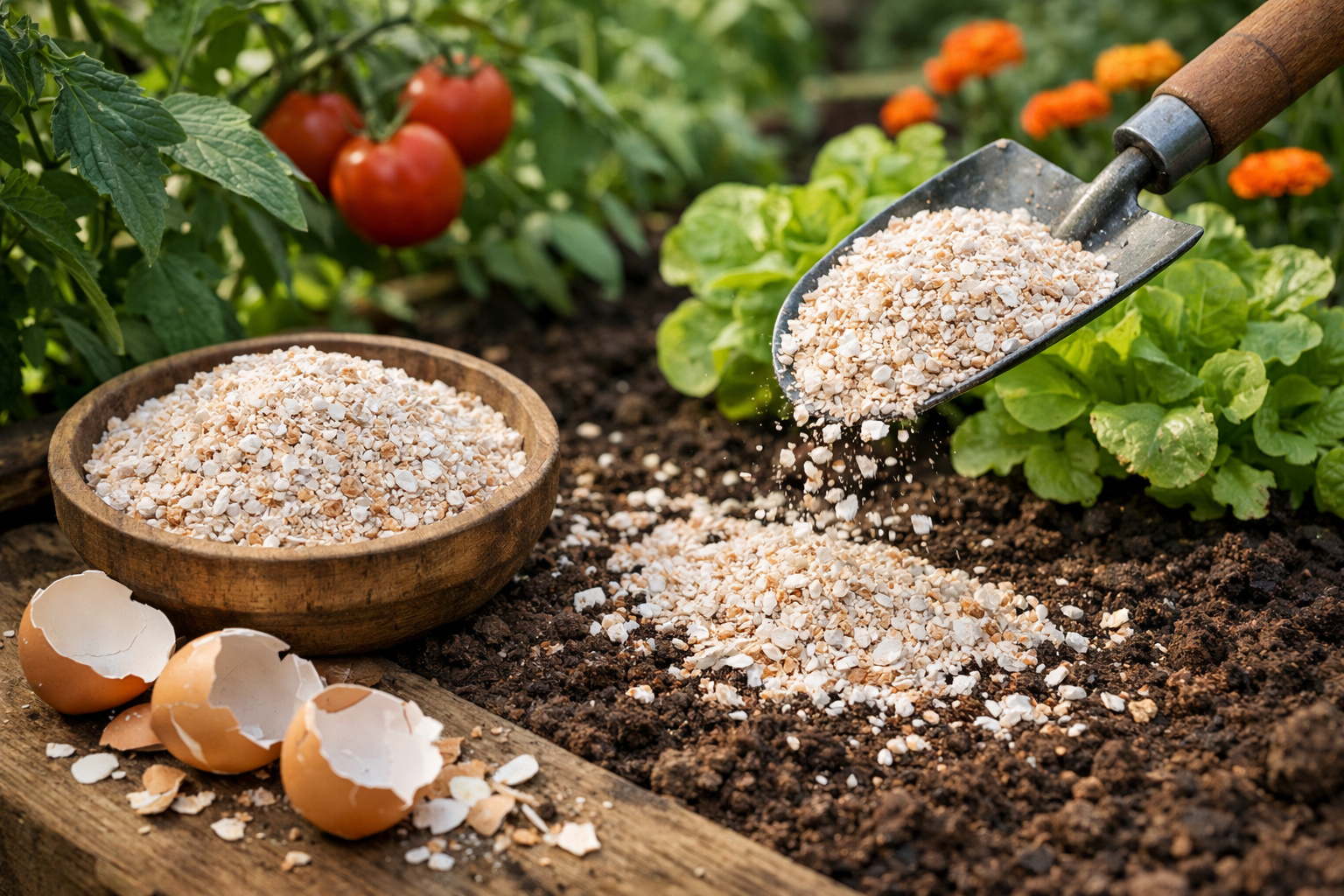
The eggshell that almost everyone throws away is made up of about 95% calcium carbonate and can help enrich the soil when crushed, slowly releasing nutrients and being reused in home gardens and vegetable patches.
-
This farm in the United States does not use sunlight, does not use soil, and produces 500 times more food per square meter than traditional agriculture: the secret lies in 42,000 LEDs, hydroponics, and a system that recycles even the heat from the lamps.

-
The water that almost everyone throws away after cooking potatoes carries nutrients released during the preparation and can be reused to help in the development of plants when used correctly at the base of gardens and pots, at no additional cost and without changing the routine.

This growth reinforces the importance of the sector for the São Paulo economy. Furthermore, it opens new perspectives for fruit growing in the international scenario.
Europe as Main Destination
The European market is the largest buyer of São Paulo lemons. The Netherlands leads the ranking, with 62,200 tons received.
The Port of Rotterdam serves as a gateway for distribution to other European Union countries.
Other relevant destinations include the United Kingdom, which imported 11,600 tons, Russia, with 1,300 tons, and Canada, which received 970 tons.
“The trade between the Netherlands and Brazil is a dynamic example of complementary agricultural markets,” said the agricultural advisor at the Consulate General of the Netherlands, Alf de Wit.
He highlighted the significant participation of Dutch importers at the Fruit Attraction fair in São Paulo.
Itajobi, the Lemon Capital
In the interior of São Paulo, Itajobi, in the São José do Rio Preto region, has established itself as the national lemon capital. The city stands out in the production of the Tahiti variety.
Pimentel Itajobi, a family business with 30 years of operation, is an example of local prominence. In 2024, it exported over 4,000 tons, mainly to the United Kingdom and the European Union.
“It was a prosperous year, even with severe drought. We invested in the packing house and increased our capacity,” explained export analyst Alison Dejavite.
He reinforced that the expectation for 2025 is continuous growth, aiming for 2026 to be even more positive.
Certification as a Differentiator
The head of the Department of Sanitary Defense and Plant Inspection, Alexandre Paloschi, highlighted the advances in certification. “We continuously invest to ensure quality and safety. The registration and supervision of crops ensure competitiveness, new markets, and income for producers,” he said.
This process involves integration among producers, the private sector, and official services. The result is the opening of more opportunities for São Paulo citrus growers abroad.
Credit to Stimulate the Sector
The growth of São Paulo lemons also relies on financial support. The Agribusiness Expansion Fund (FEAP), from the SAA, offers a special line of credit for citrus growers.
According to the executive secretary of FEAP, Felipe Alves, the Sustainable Agriculture Paulista credit line finances the renewal and expansion of orchards with certified seedlings, efficient irrigation, and other investments.
The ceiling is up to R$ 250,000 for individuals and R$ 500,000 for legal entities. Payment can be made over 84 months, with a grace period of 12 months.
The data reveals a scenario of continuous expansion of São Paulo lemons in the international market.
The increase in exports, diversification of destinations, and investments in technology and certification reinforce São Paulo’s position as a leader.
Most importantly, the combined efforts between government, producers, and companies are showing concrete results.
São Paulo lemons not only ensure income for farmers but also strengthen Brazil’s presence in the global fruit trade.










-

Uma pessoa reagiu a isso.