





 Portuguese
  English
  Spanish
  6 min of reading
  0 comments


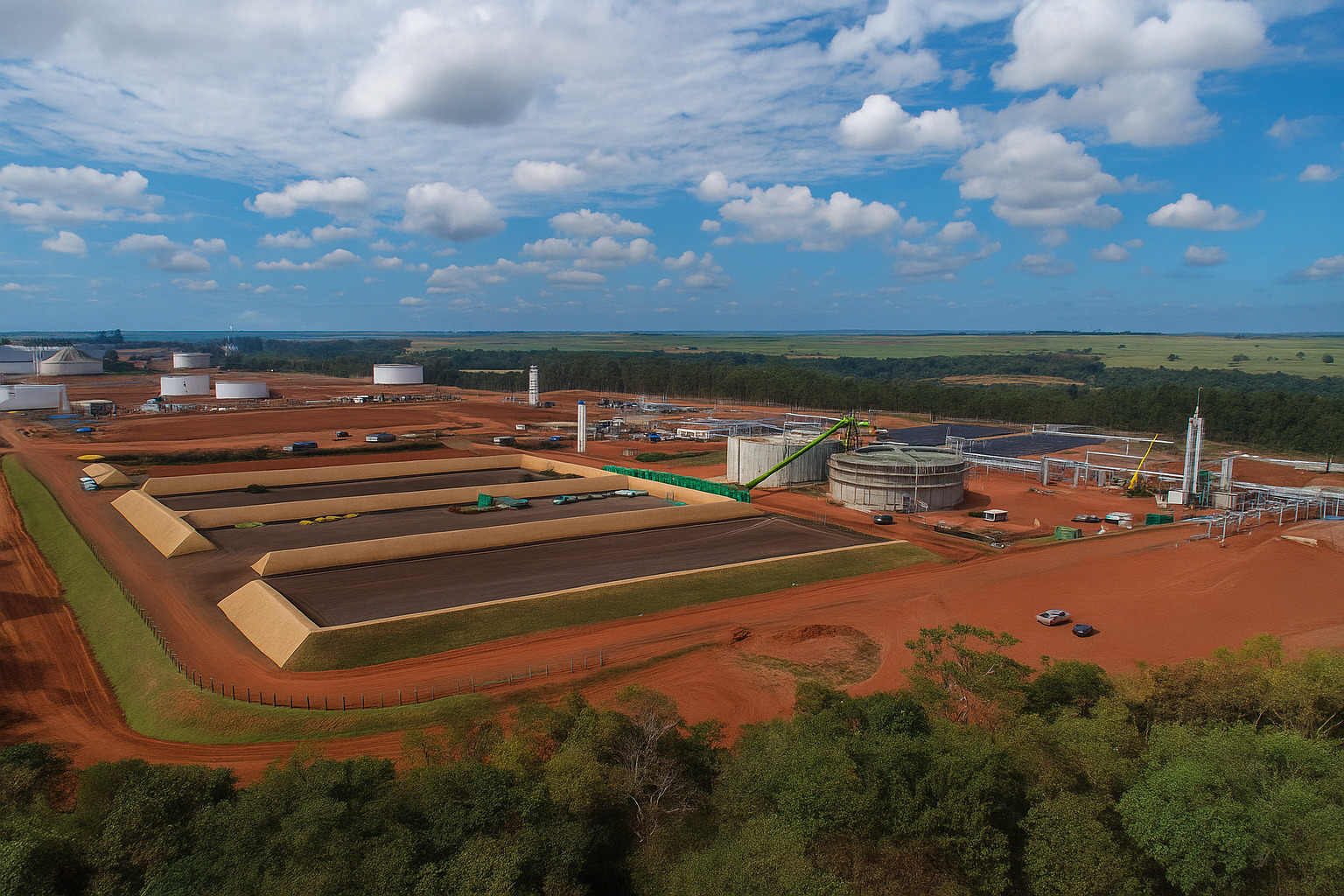
Increase Participation in Building the Biomethane Certification in São Paulo, with Extended Deadline for Public Consultation and Debate on Traceability and Market.
The biomethane certification has been gaining more attention in Brazil; therefore, São Paulo seeks to consolidate public policies aimed at energy transition and sustainability.
Recently, the Environmental, Infrastructure and Logistics Secretariat of the State of São Paulo (Semil) extended the public consultation deadline regarding the creation of the guarantee of origin certificate for São Paulo’s biomethane.
This measure, published in the State Official Gazette, increases the participation of society, companies, and entities in building a mechanism that ensures traceability and environmental valuation of biomethane.
-
The Economist states that Brazil has a “secret weapon” against expensive oil and highlights how the country can reduce economic impacts even in international scenarios of high volatility.

-
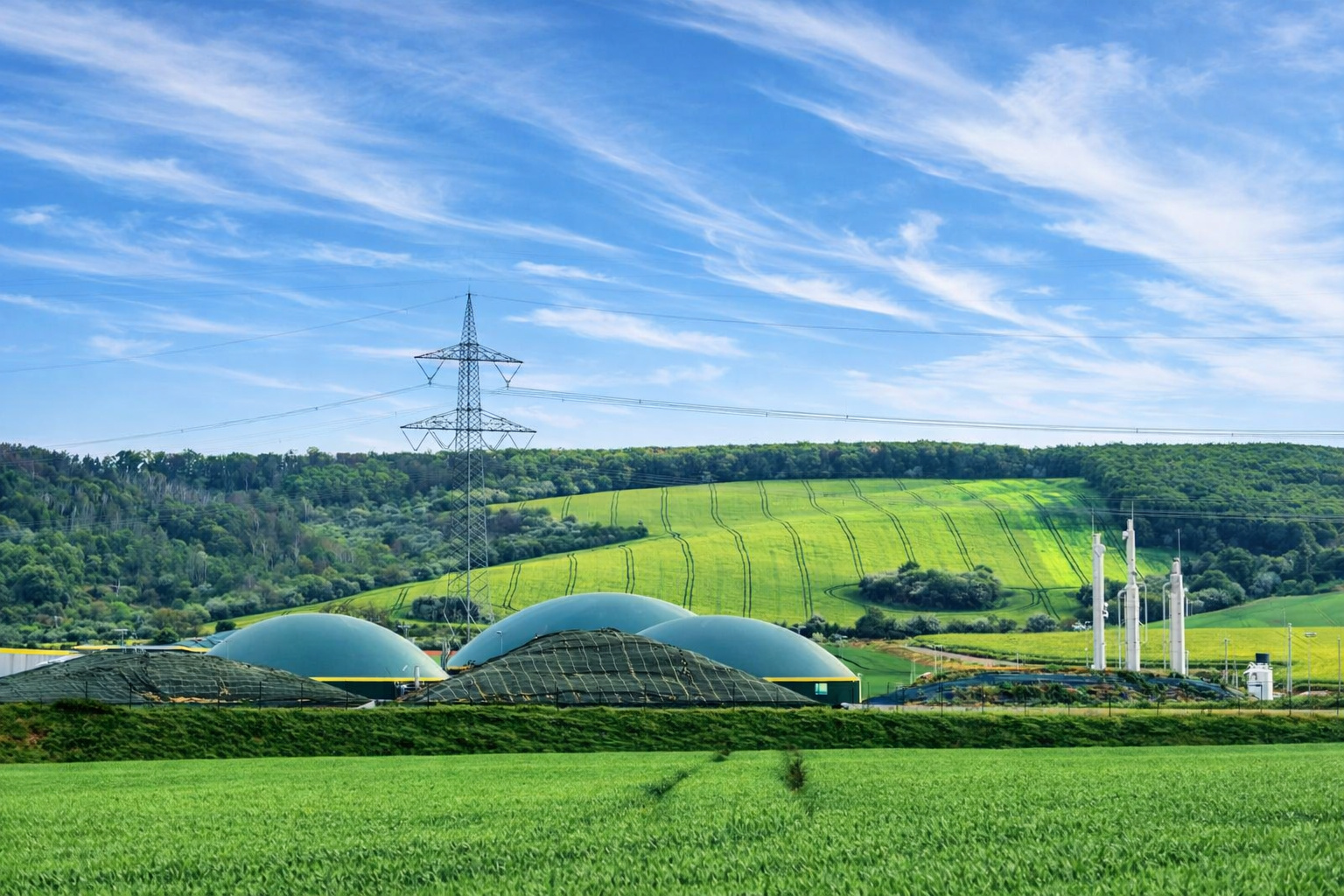
Brazil accelerates decarbonization in the South: International forum in Foz do Iguaçu gathers leaders to discuss the advancement of biomethane in the energy matrix and the potential of “caipira pre-salt.”
-
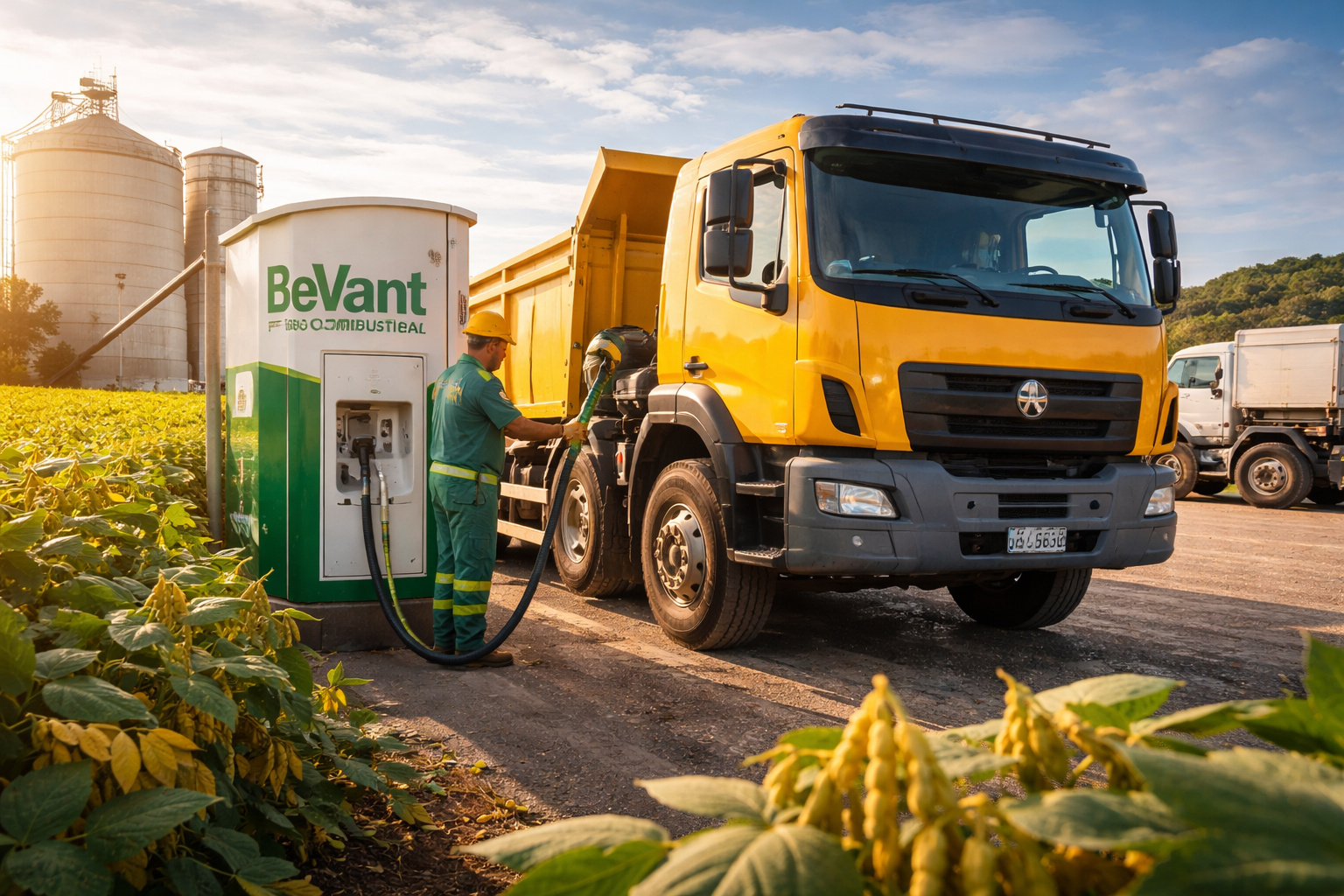
As diesel prices soar due to conflicts in the Middle East, a Brazilian city decides to test a little-known biofuel that promises to completely replace fossil fuel without adaptation and could change the future of energy in the country.
-
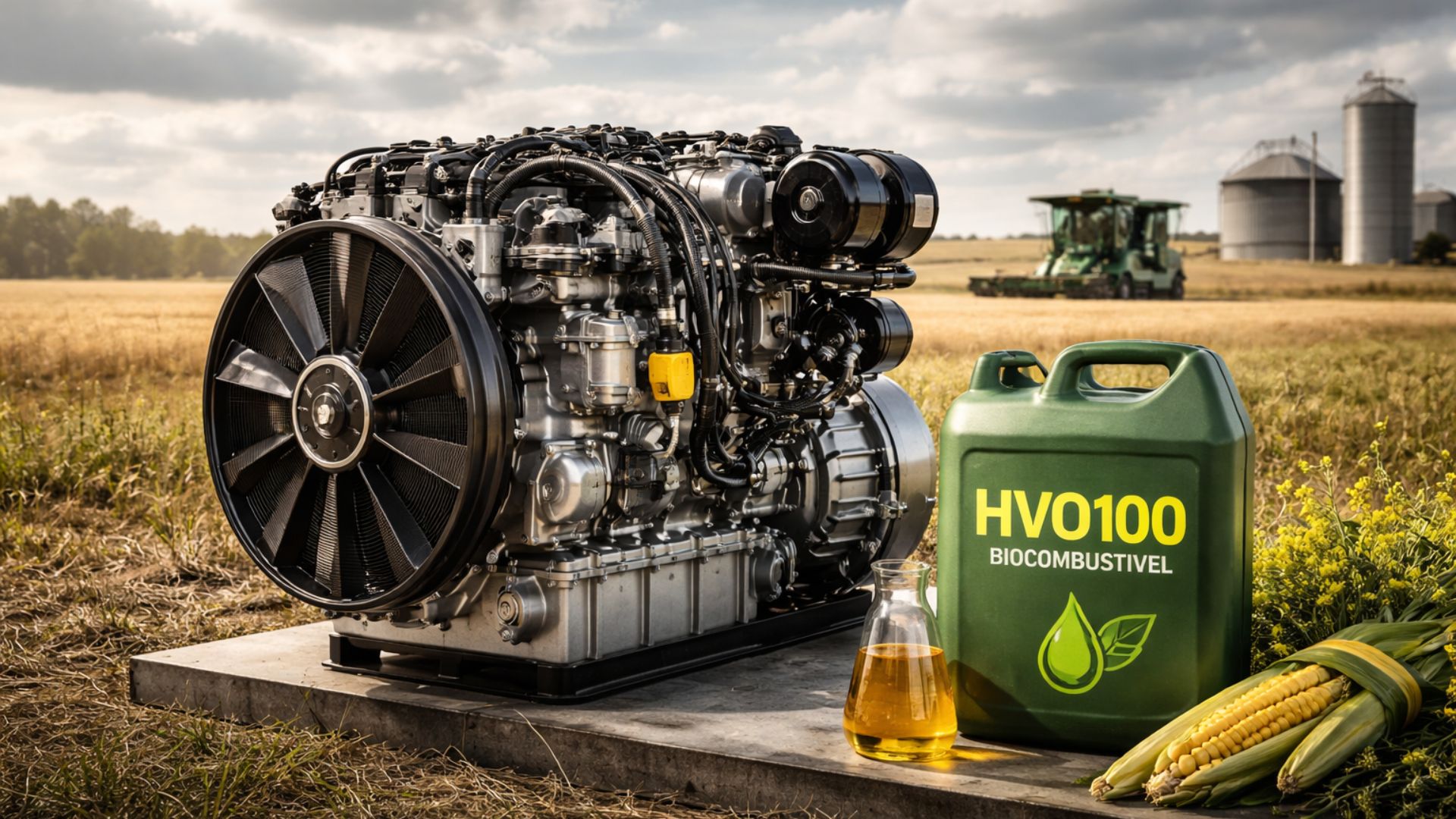
Innovation with biofuel engines transforms agribusiness by replacing diesel without the need for major adaptations, ensuring energy efficiency and helping to reduce dependence on oil.

Historically, biomethane emerges as a clean energy alternative derived from organic waste, which can, consequently, partially replace fossil natural gas.
In Brazil, biomethane production still shows reduced volume; however, it demonstrates great growth potential, especially when associated with circular economy and reduction of greenhouse gas (GHG) emissions.
The state of São Paulo, in turn, with its consolidated sugar-energy sector, estimates a production potential of up to 6.4 million cubic meters of biomethane per day. About 80% of this volume comes from the transformation of bagasse and vinasse from the sugar and alcohol industry.
In addition to the sugar-energy sector, other agricultural and agro-industrial activities can benefit from biomethane production. For example, the treatment of food waste, dairy, and fruit processing industries.
Therefore, diversifying sources increases energy security and creates regional development opportunities, generating jobs and promoting the efficient use of natural resources.
Objectives and Importance of Biomethane Certification
The biomethane certification aims to separate the environmental attribute of the gas from the physical molecule of the fuel. Thus, even if the biomethane does not physically reach the consumer, it can be counted as a renewable resource.
In this way, it offers legal security for companies that wish to register the reduction of their GHG emissions in their inventories.
Additionally, the mechanism allows voluntary natural gas consumers to prove the use of biomethane in their environmental reports, following international certification models that prevent double counting of environmental credits.
The advancement of biomethane certification in São Paulo reflects a global trend towards valuing renewable resources; in this sense, European countries have been using guarantee of origin certificates for biomethane for over a decade.
This allows companies and consumers to transparently monitor the production and consumption of clean energy.
In Brazil, the São Paulo initiative is pioneering and, therefore, demonstrates the state’s commitment to listening to society and stimulating the creation of a solid and reliable environmental attributes market.
Moreover, certification creates an economic incentive for companies to invest in biomethane production infrastructure, such as anaerobic digestion plants and gas purification units.
Consequently, a robust certification system ensures greater security for investors, and consequently, projects that integrate sustainability and financial return gain strength.
Social Participation and Governance of the Process
According to the Undersecretary of Energy and Mining of Semil, Marisa Barros, the extension of the public consultation period acknowledges the complexity involved in biomethane certification; therefore, the measure ensures that different viewpoints are taken into account.
This strengthens the debate on how to structure a certificate that meets technical requirements and market needs.
This participatory process thus creates a robust and reliable governance, capable of driving the large-scale adoption of biomethane.
The public consultation outlines guidelines on the construction of the certificate and the governance it involves.
In this way, the contributions received will help define criteria for emissions accounting and ensure compatibility with international standards, avoiding market distortions.
Furthermore, the initiative offers a voluntary solution for companies looking to offset their GHG emissions, promoting a sustainable business model aligned with decarbonization goals.
The participation of civil society, universities, and research centers also plays an essential role; thus, the technical and scientific debate identifies best practices, emerging technologies, and ways to integrate biomethane into energy efficiency programs.
This ensures that the certificate is genuinely effective and reliable.
Role of the Industrial Sector and GHG Inventories
The São Paulo industrial sector plays a central role in this process; therefore, industries and significant emitting activities must submit their GHG inventories, including scopes 1 and 2, as determined by the Environmental Company of the State of São Paulo (CETESB).
Scope 1 covers direct emissions, such as the combustion of fossil fuels in industrial equipment.
Scope 2 considers indirect emissions related to energy consumption acquired from third parties.
Thus, these data allow for monitoring the effectiveness of emission reduction policies and providing technical support for biomethane certification.
The implementation of a biomethane certification in São Paulo contributes to the decarbonization of the energy matrix and creates economic opportunities; for example, the biomethane market could generate up to 20,000 jobs and improve the financial viability of renewable energy production projects.
Additionally, the utilization of organic waste, such as that from the sugar-energy sector, strengthens the relationship between energy transition and circular economy.
This shows that it is possible to align economic development and environmental sustainability.
Companies that adopt the certificate can, consequently, improve their corporate image and meet the demands of investors and consumers attentive to sustainability.
Thus, competitiveness strengthens and the domestic biomethane market expands.
Advances and Future Perspectives
Historically, Brazil has progressed slowly in the use of biofuels; however, the adoption of mechanisms such as biomethane certification represents an important leap.
For this reason, the measure encourages private investments and strengthens public policies aimed at energy innovation.
It allows companies and consumers to voluntarily participate in reducing GHG emissions.
Thus, by creating a regulated and transparent market, São Paulo positions itself as a reference model for other states and regions in the country.
Moreover, the biomethane certification reinforces the importance of a governance system that ensures the traceability of the resource.
Therefore, this traceability ensures that the environmental credits are legitimate and reliable, avoiding fraud or double counting.
By following international standards and robust accounting principles, certification becomes a strategic tool for corporate consumers seeking to transparently demonstrate their environmental commitment.
The potential of biomethane in São Paulo also promotes the integration of different sectors of the economy. In this sense, producing energy from organic waste connects agriculture, industry, and the energy sector.
This generates value from materials previously discarded and contributes to environmental sustainability, economic competitiveness, and technological innovation.
Thus, the state solidifies itself as a protagonist in Brazil’s energy transition.
Biomethane Certification as a Development Strategy
The biomethane certification goes beyond simply validating an energy resource; therefore, it symbolizes São Paulo’s commitment to a more sustainable future, reduction of GHG emissions, and strengthening a reliable clean energy market.
The extension of the public consultation allows more voices to participate in the process, making it more democratic and representative.
By combining transparency, innovation, and environmental responsibility, São Paulo demonstrates that it is possible to advance in building a low-carbon economy by leveraging the opportunities that biomethane production offers.
In summary, the São Paulo initiative to extend the public consultation deadline and create a guarantee of origin certificate for biomethane marks the history of renewable energy in Brazil.
Consequently, it strengthens environmental governance, promotes participation from society and companies, and establishes solid foundations for developing a clean and sustainable energy market.
Therefore, biomethane certification represents a technical, economic, and environmental advance that can inspire other states to follow the same path.
It consolidates the role of biomethane as a strategic resource in the national energy matrix.










Seja o primeiro a reagir!