





 Portuguese
  English
  Spanish
  5 min of reading
  0 comments


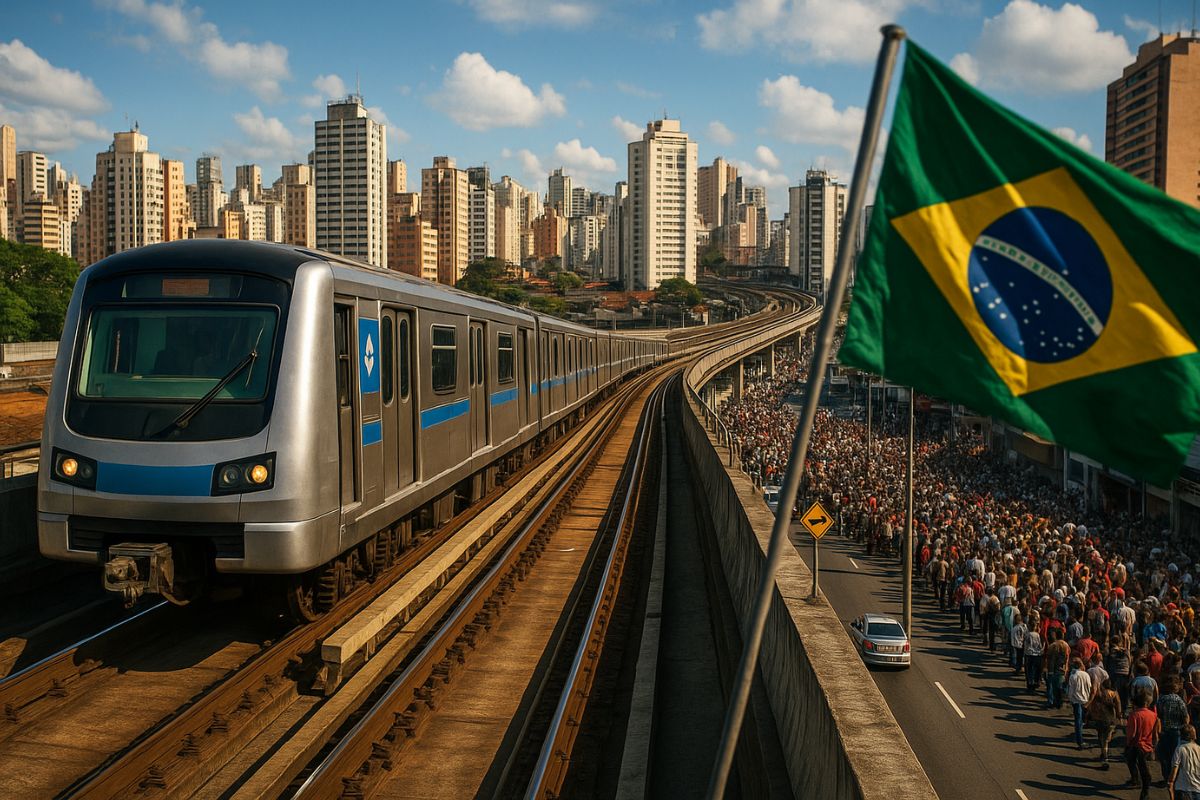
Even With The Largest Metro And Train System In South America, The Network Has Not Kept Up With The Growth Of The City And Remains Below Daily Demand.
São Paulo operates the largest metro and train system in South America, the result of decades of investments and a network that integrates metro lines, metropolitan trains, and monorails. Even so, the service is insufficient to connect, with speed and regularity, a metropolis that has grown faster than its tracks.
The mismatch between urban expansion and network expansion explains much of the queues on the platform, overcrowding, and wasted time during commutes. Without increasing capacity and reach, the largest metro and train system in South America will continue to be pressured by demand and by reliance on individual transport.
Who Uses It And Why Is There A Lack: Giant Demand, Concentrated Supply
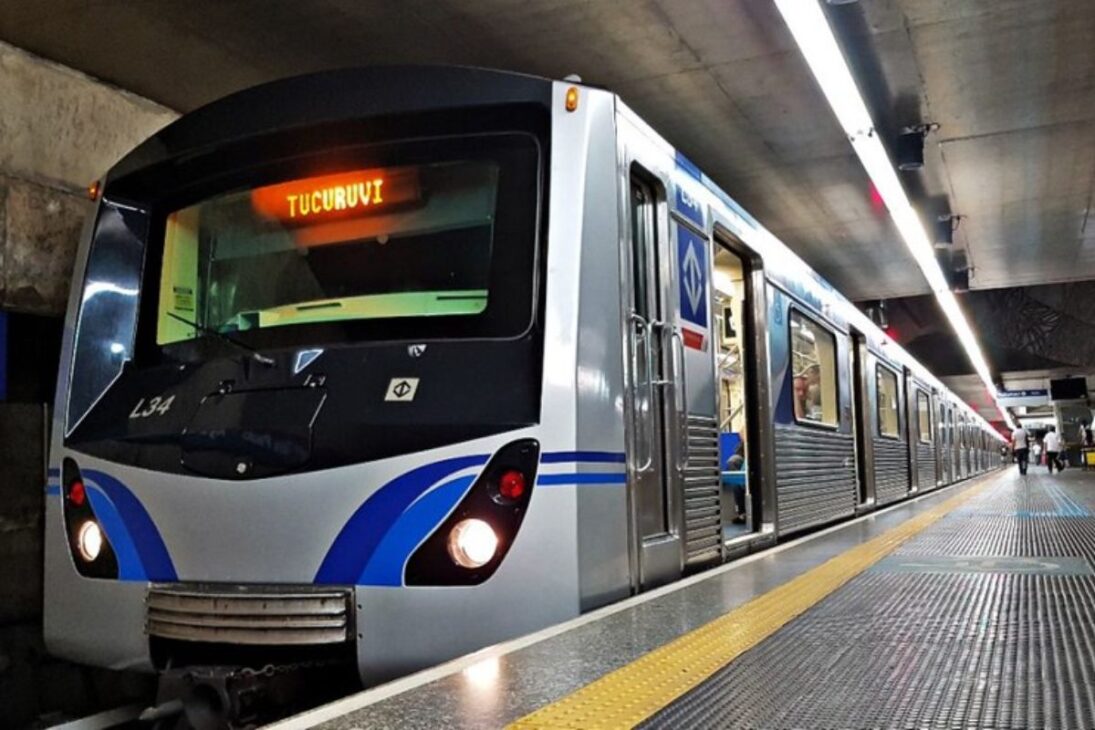
The system serves millions of passengers daily and concentrates flows in historical axes of density, close to the expanded center.
-
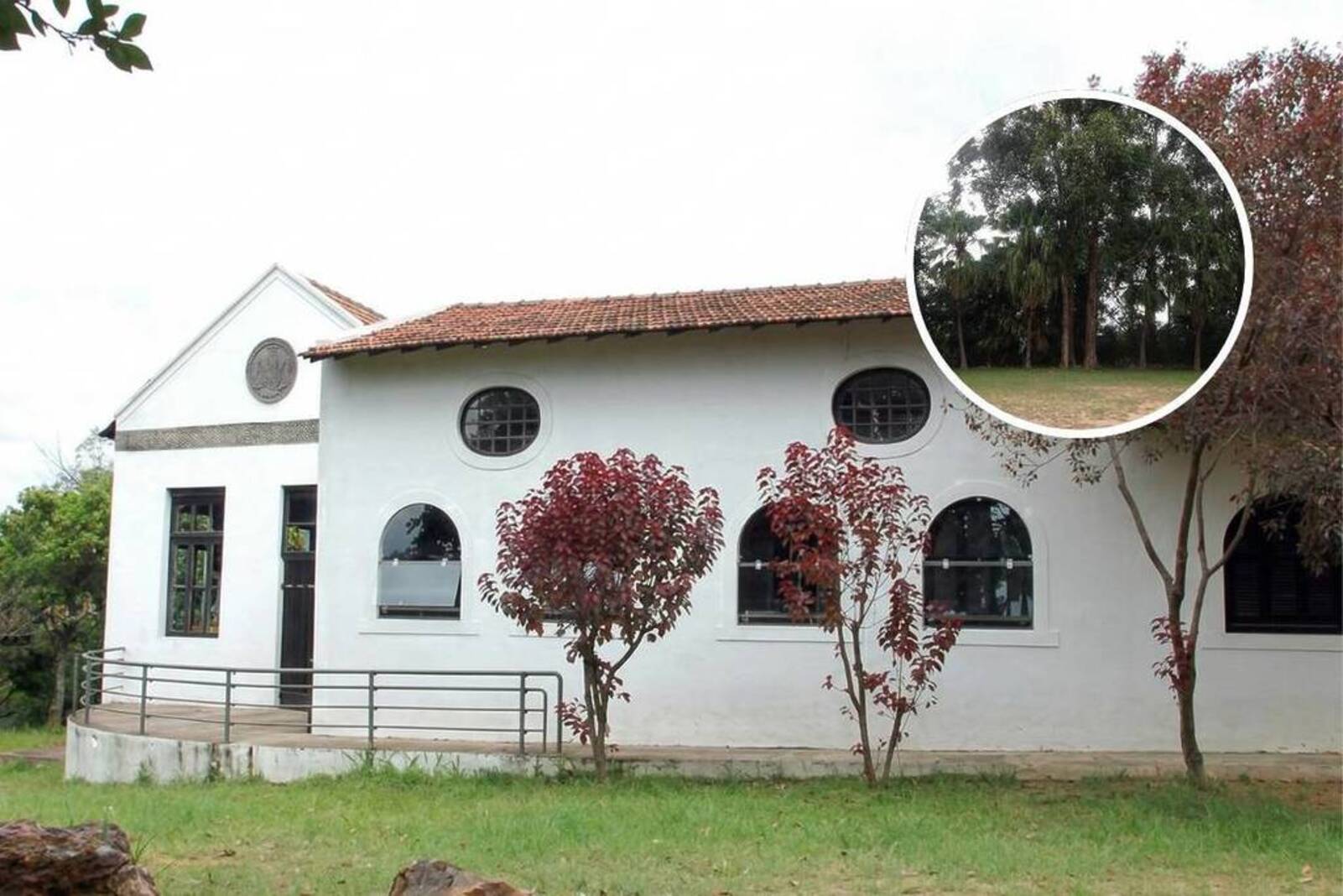
After 14 years of waiting, a rammed earth mansion built in 1702 in the North Zone of São Paulo will become a park with leisure facilities and green areas, with a million-dollar investment.
-
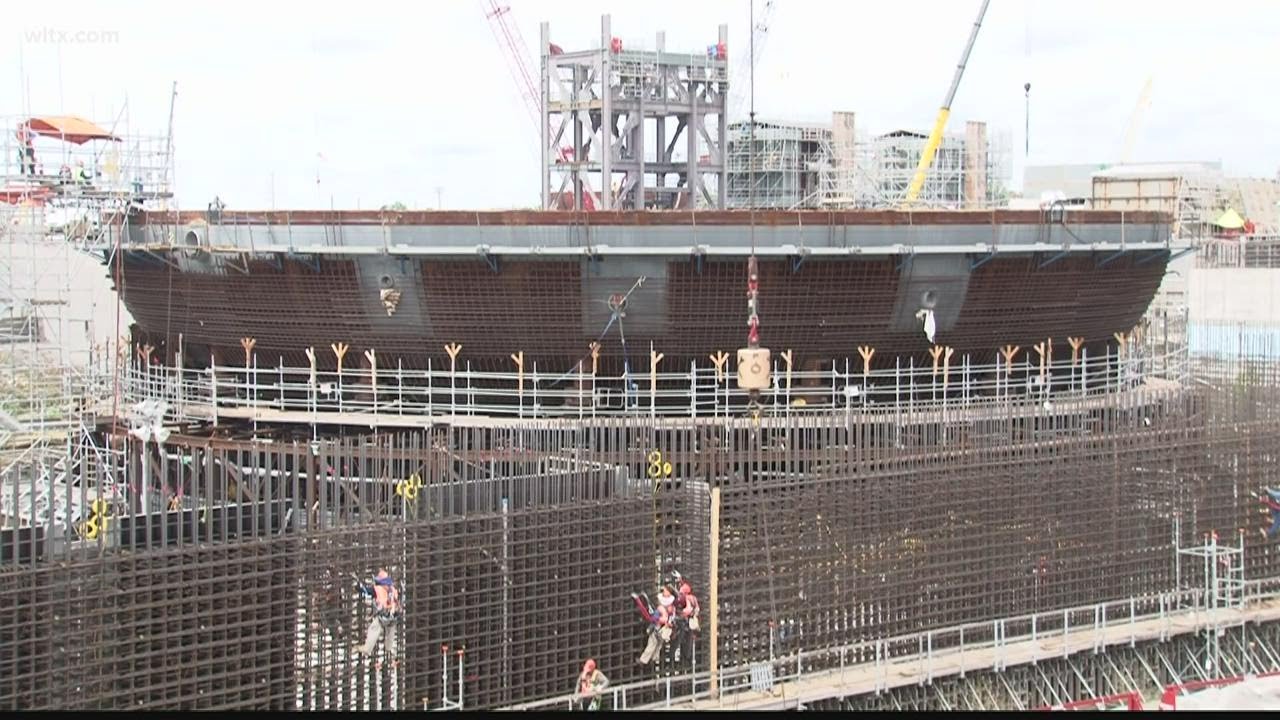
With 2 unfinished nuclear reactors, up to 25 billion in costs, and proven fraud, the Nukegate case has left 800,000 consumers still paying today for energy that will never be produced.
-
The household appliance that consumes the most energy in Brazilian homes is not the air conditioner; it is located in the smallest room of the house, is used daily, and can account for up to 25% of the electricity bill, while an alternative in the same outlet can reduce this cost by up to 75%.

-
Son of a seamstress from the rural area of Ceará who did not speak English wins a scholarship of over 2 million reais at Williams College, one of the top 10 universities in the United States, covering everything including dormitory, meals, and annual trips to Brazil.


Peripheral neighborhoods still have limited access to nearby stations, which stretched routes and reinforced the dependence on buses, often slow and subject to traffic.
Even with the largest metro and train system in South America, spatial coverage has not grown at the same rate as the city.
This keeps saturated corridors during peak hours and disparate travel times between those who live near structural axes and those who rely on long transfers.
Where The Rail Does Not Reach: Inequality Of Access And Time
On the edges of the city, the combination of low supply on tracks and congested roadway extends daily commutes.
A worker at the extremities can spend more than an hour just to reach a high-capacity line, even before continuing their journey.
The effect is cumulative: more cars on the streets, slower buses, and overcrowded stations when finally reaching the train or metro.
Without coordinated expansion, the title of largest metro and train system in South America coexists with access inefficiencies.
How The Network Got Here: Slow Advancements And Constant Pressures
The network began operations in 1974 and evolved in waves, alternating between expansions and periods of slow growth. While the population and urban perimeter exploded, the increase in lines and stations did not keep pace with the speed of growth.
This history created a structural lag difficult to recover.
Even with new construction underway, repressed demand, the need for heavy maintenance, and the complexity of building in densely occupied areas maintain pressure on deadlines and operation.
Operation At The Limit: Failures, Overcrowding, And The Domino Effect
Daily operations deal with extreme peaks of demand, which makes any equipment, power, or track failure a trigger for the domino effect: reduced speed, accumulation of trains, and crowded platforms.
On days of heavy rain, the resilience of the infrastructure is tested to the maximum.
To mitigate, management has been betting on monitoring and preventive maintenance, as well as modernizing fleet and systems.
Still, the maintenance window is short, as the network needs to operate practically all day a delicate balance between availability and reliability.
What Is Under Construction And Why It Matters: Expansion And Integration
Projects for new lines and extensions aim to increase reach and capacity, with deliveries planned in phases.
The expansion of axes such as Line 2-Green, the implementation of Line 6-Orange, and the connection of the monorail of Line 17-Gold to the airport are turning points as they tackle strategic bottlenecks.
The challenge is not just to open stations: it’s to ensure real integration with trunk buses, terminals, and access bike networks, so that door-to-door trips become faster. Without last-mile planning, the new station does not reduce overall travel time as it could.
Management, Models, And Controversies: Who Operates And Who Enforces
The network combines public operations and concessions. This mix demands clear goals, comparable indicators, and effective oversight, so that users perceive a quality standard regardless of the operator.
Transparency in contracts and accountability is crucial to maintain trust and direct investments.
There is debate about privatizations and performance: some users and unions report service declines in certain granted segments, while operators point to legacies of old infrastructure and the need for modernization.
More than labels, what matters is the result measured at the turnstile: regularity, overcrowding, time, and safety.
Technical Priorities: Capacity Per Hour, Regularity, And Resilience
For an already large system, capacity gains will not come only from new kilometers. Modern signaling, platform doors, predictive maintenance, interval management, and real-time information platforms increase trains/hour and reduce variability.
In infrastructure, drainage, containment, and energy redundancies increase climate resilience. Interventions at bottleneck points (junctions, old tunnels, yards) generate systemic benefits greater than isolated works where demand is lower.
Why The Title Is Not Enough: Greatness Without Capillarity Is A Bottleneck
Being the largest metro and train system in South America is an asset, but it does not solve the equation alone.
Capillarity, frequency, fare integration, and reliability define the real experience of the passenger. If the door-to-door trip remains long, adherence decreases and the car starts to seem like a solution again, intensifying congestion.
The expansion needs to be continuous and coordinated, targeting peripheries, job hubs, and intermunicipal connections.
Without this alignment, the system grows in size, but not in social efficiency.
Do you use the system during peak morning or afternoon hours? Where is there a real lack of integration? Which segment has the most impact on your routine?
Tell us in the comments how long it takes from your front gate to the platform and which connections are most challenging in your daily life. Your account helps to show where the largest metro and train system in South America needs to gain capillarity, frequency, and comfort first.






-

-

-

-

-

18 pessoas reagiram a isso.