





 Portuguese
  English
  Spanish
  4 min of reading
  6 comments


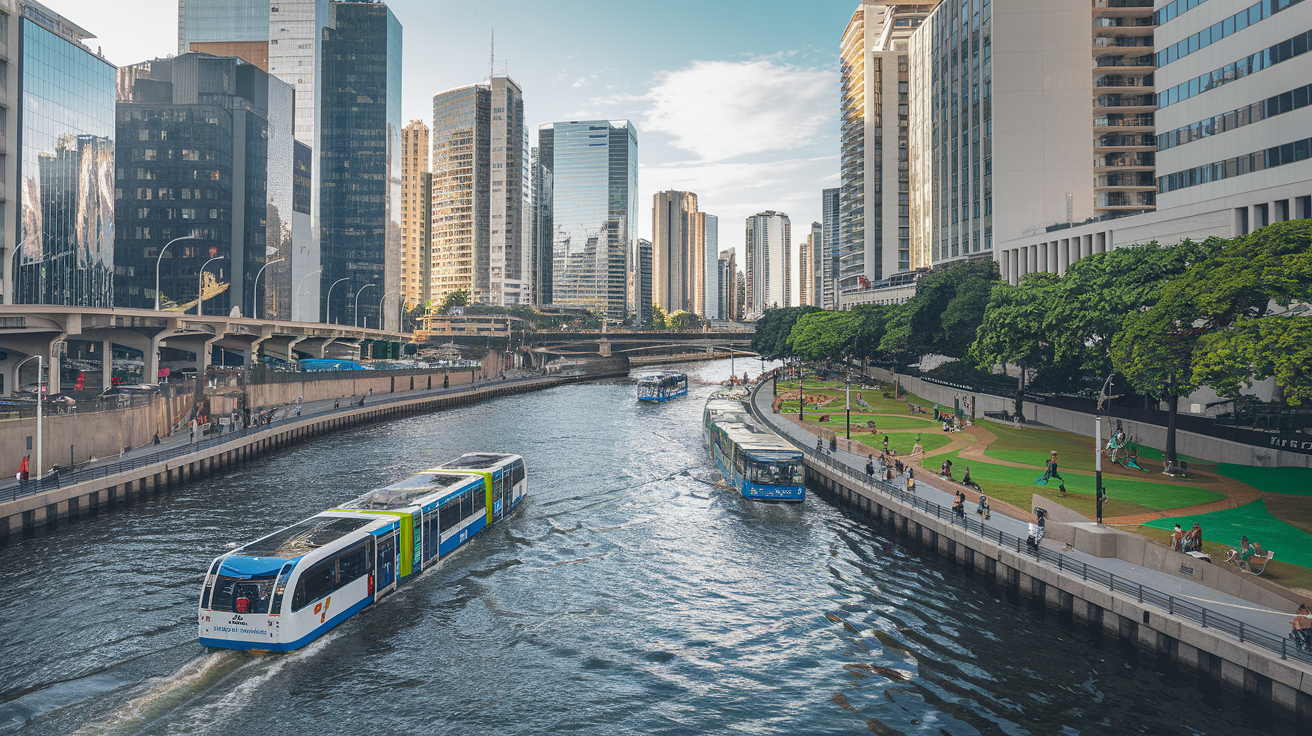


São Paulo Is About to Revolutionize Its Urban Mobility with PlanHidro SP. The Project Foresees the Use of the Pinheiros River for Passenger and Cargo Transport, as Well as the Revitalization of the Banks and Creation of River Parks.
In the heart of the largest metropolis in Brazil, a bold initiative is about to transform the chaotic traffic and the relationship of Paulistanos with the city’s rivers.
A plan that once seemed distant from reality is starting to take shape and promises something unprecedented: an aquatic transport system on the famous Pinheiros River, combining innovation, sustainability, and a new perspective for urban mobility.
What seems like a futuristic dream already has a start date and includes a comprehensive yet well-defined schedule. What is behind this revolutionary plan?
-
The government requests the Federal Revenue Service for a new system to automate the income tax declaration, reducing errors, time, and bureaucracy for millions of Brazilians.

-
Pix in installments, international Pix, and contactless payment without internet: the Central Bank revealed the new features coming to the tool that is already used by almost every adult in Brazil.

-
Mercado Livre has just started selling medications with delivery in up to three hours to your door, and this move could completely change the way Brazilians buy medicines on a daily basis.

-
In Dubai, rising tensions from the war in the Middle East are causing super-rich individuals to leave the Gulf and direct their fortunes to a new financial refuge in Asia.


And how does it intend to impact the daily lives of millions of people? Discover the details of this venture that promises to make history in São Paulo.
PlanHidro SP: The New Era of River Mobility
At the end of October 2024, the City Hall of São Paulo presented the PlanHidro SP, a project aimed at creating a waterway transport system for goods and passengers over up to 180 km of navigable routes.
Additionally, the plan includes actions for revitalizing the riverbanks and the construction of river parks, integrating infrastructure and mobility.
According to information released by Via Trolebus, the proposal was developed by an Interdepartmental Working Group with the participation of 18 specialized technical agencies.
This initiative also involved a public consultation and a hearing held to discuss the project in detail.
Planned Infrastructure: Locks, Boats, and Eco-stations
PlanHidro SP envisions the construction of a complex and modern infrastructure to enable urban navigation. Among the planned works are:
- Construction of locks and pedestrian bridges.
- Dredging of over 1.3 million cubic meters of material to facilitate navigation.
- Installation of leisure docks and eco-stations, encouraging recreational activities and the sustainable use of riverbanks.
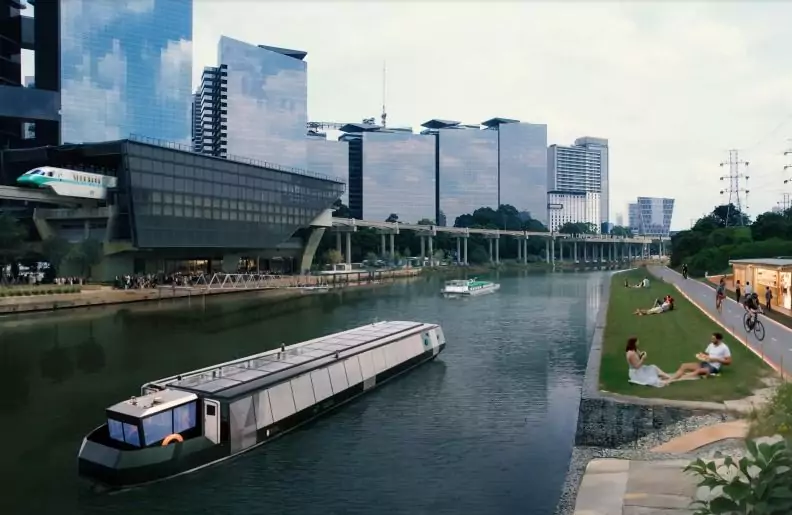
Details of the Waterways on the Pinheiros River
Lower Canal of the Pinheiros River
The section of the Lower Canal will be 10 km long and will be the first to be implemented, with an estimated cost of R$ 927.2 million. It will connect Vila Leopoldina to the Traição Lock. Highlights include:
- Expected boats: 10 for passengers, 12 for cargo, and 4 for services.
- Eco-stations: Vila Leopoldina, Jaguaré, Pirajuçara, Córrego Verde, Jockey, and Uberaba.
- Pedestrian bridges: two between Vila Leopoldina and Jaguaré, and one near the Eusébio Matoso Bridge.
- Leisure docks: in Jaguaré, Pirajuçara, Jockey, and Uberaba.
Upper Canal of the Pinheiros River
The Upper Canal will have a length of 17 km and a connection between the Traição Lock and the branches of the Pedreira and Guarapiranga locks, with a budget of R$ 1.8 billion. The proposed structure includes:
- Expected boats: 11 for passengers, 12 for cargo, and 4 for services.
- Eco-stations: Panorama, Morumbi, Santo Amaro, and Zavuvus.
- Pedestrian bridges: in Panorama and Zavuvus.
Project Timeline and Goals
According to the presented data, the start of the works is scheduled for 2027, with an expected completion date in 2035.
The project aims to reconfigure mobility in São Paulo, integrating waterway transport with other modalities and improving access to the riverbanks.
Impacts and Challenges
The PlanHidro SP promises benefits such as reducing traffic on the city’s streets and avenues, as well as a more harmonious connection between urban spaces and the rivers.
However, there are considerable challenges, such as the high costs involved and the need to ensure continuous cleaning and maintenance of the waters of the Pinheiros River.
As highlighted by Via Trolebus, the success of this plan will depend on integrated management and public-private partnerships to enable investments.
Do You Believe in the Future of Rivers as Transport Routes in São Paulo?
With a billion-dollar investment and high expectations, PlanHidro SP is a milestone for the city’s mobility. Will Paulistanos embrace this new mode of transport?
Or will environmental and financial challenges hinder the project’s launch? Share your opinion in the comments!








Muitos morreram e não vão ver isso acontecer
Kkkkkk paulista é engraçado mesmo, vai passear de barco no esgoto
Quando a Zona Leste será contemplada? Há um enorme contingente que atravessa a cidade para trabalhar que precisa desse meio de transporte e do lazer que esta proposto nesse projeto. Rio Tietê faz parte da Cidade.