





 Portuguese
  English
  Spanish
  4 min of reading
  0 comments


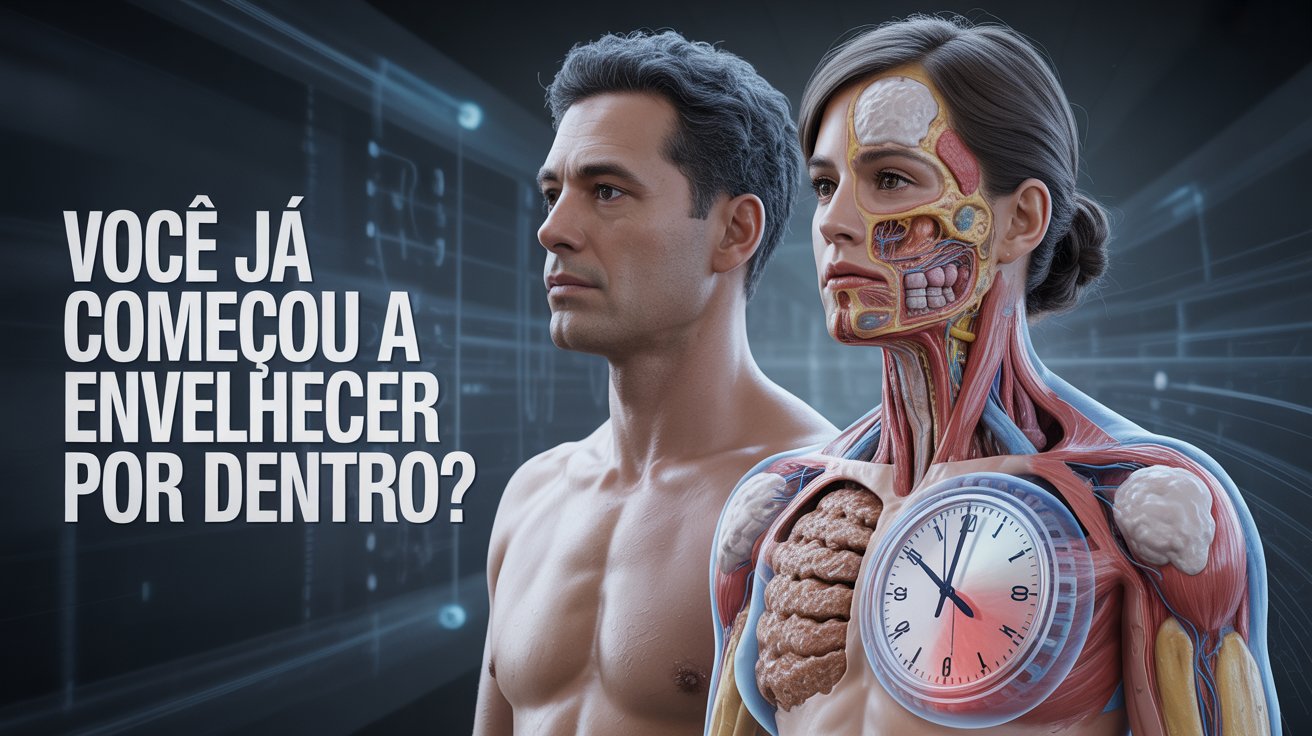


Groundbreaking Stanford University Study Analyzes Blood Proteins and Defines When the Human Body Begins to Lose Essential Functions Without Visible Signs.
A study conducted by researchers at Stanford University in the United States provided new evidence on when the human body begins to age in a measurable way.
The research examined blood tests from 4,263 people aged 18 to 95, accurately revealing the age at which the body begins its biological decline, regardless of the cultural or subjective perception of what it means to be “old”.
According to the researchers, blood plasma proteins were the most reliable elements for identifying age-related changes.
-
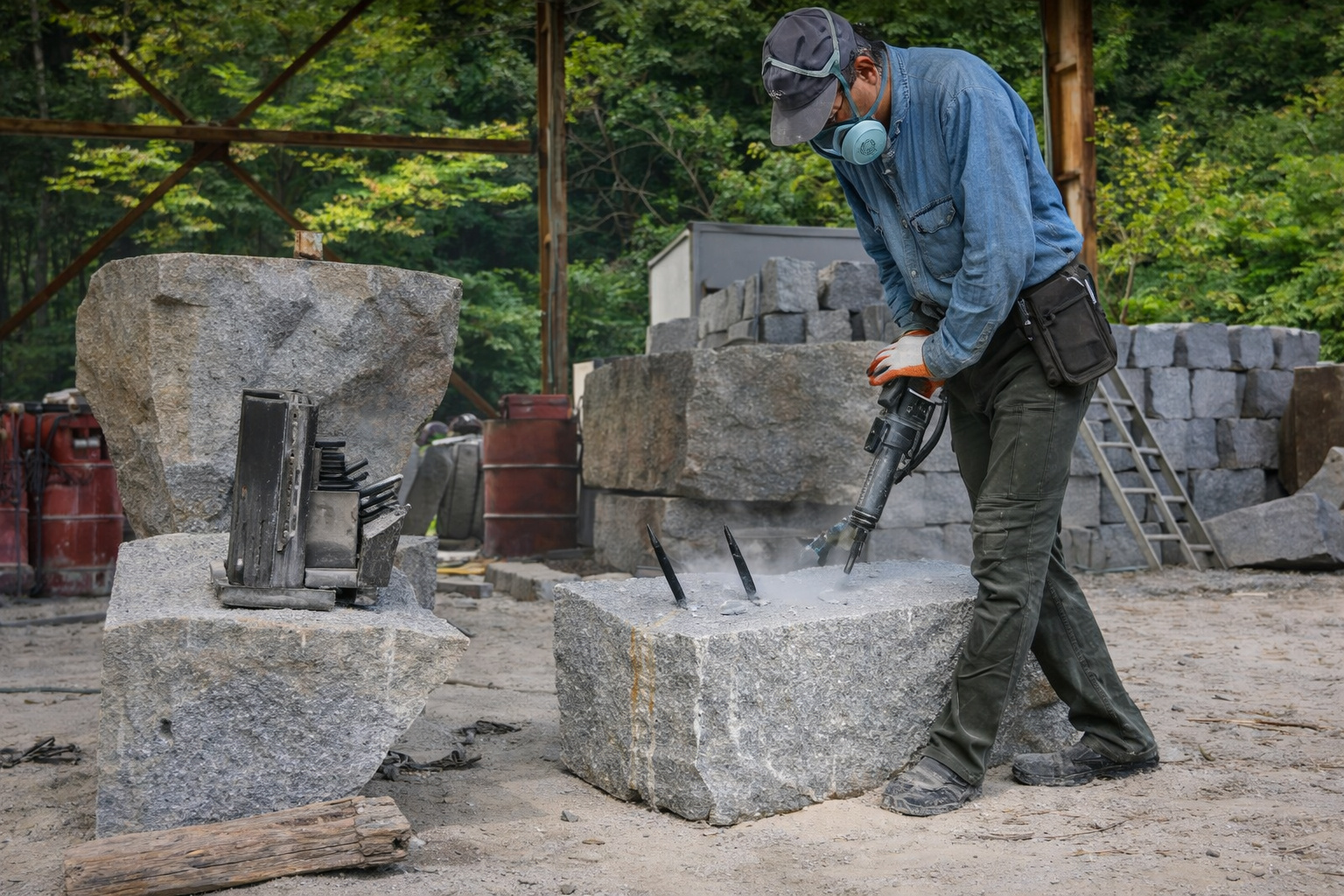
A Japanese mason transforms raw granite into small cups and handcrafted utensils, collects giant stones, cuts with precision, and impresses with detailed manufacturing and finishing.
-
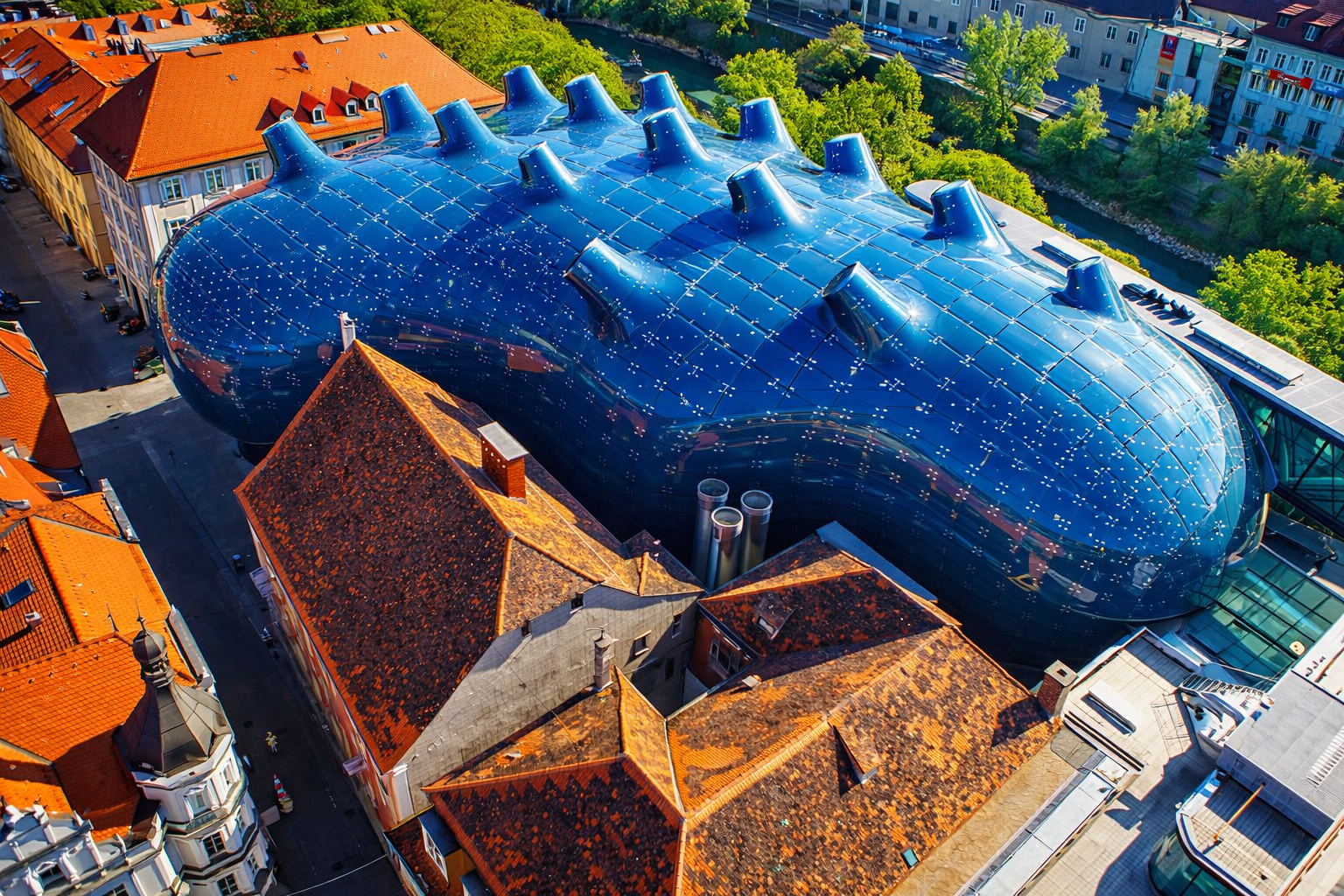
With 1,066 acrylic panels, the building known as the friendly alien is supported by a steel skeleton, has a façade that functions as a giant screen, and impresses the world without any internal columns.
-
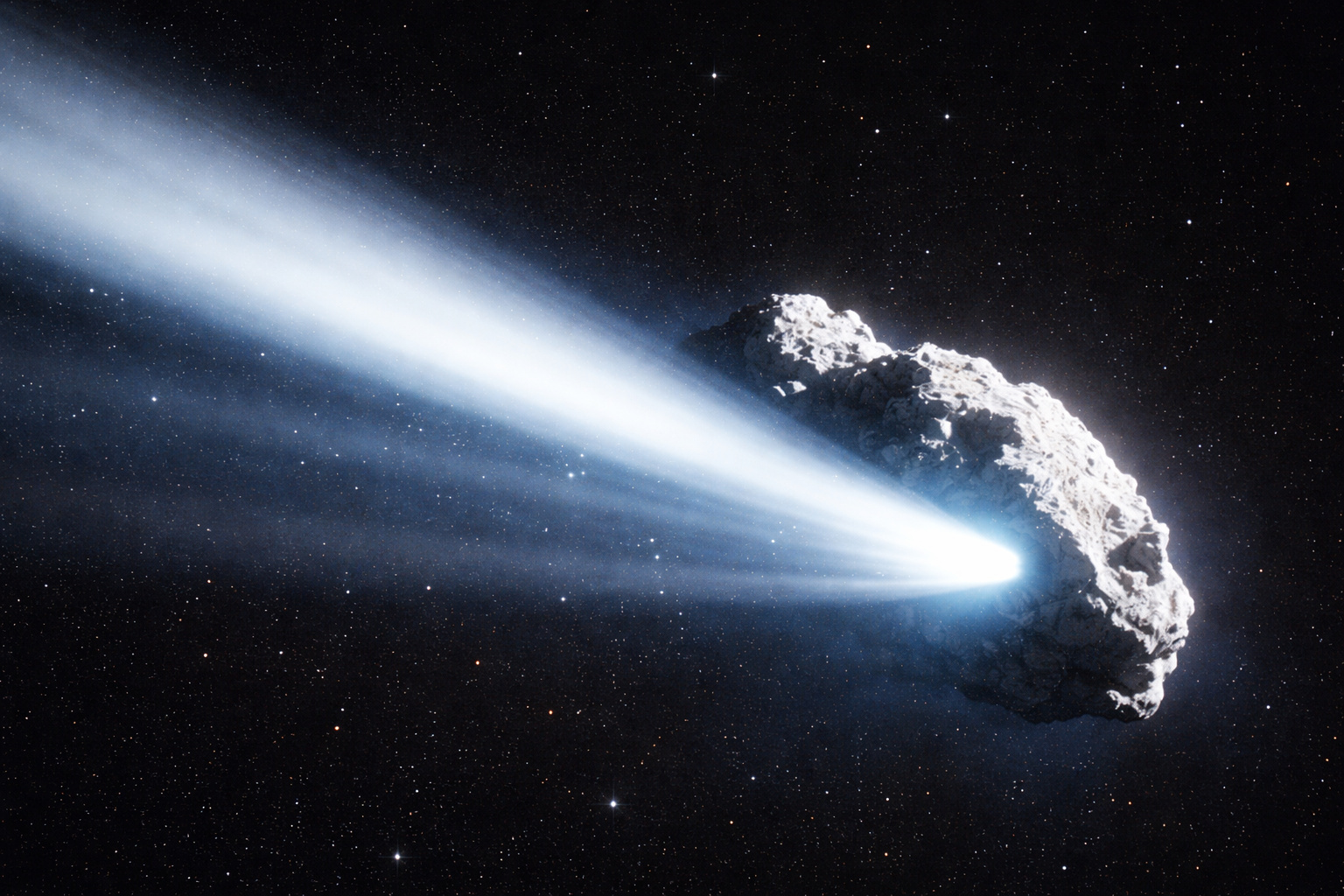
Scientists warn that a comet about 1 km in size that has started to release gases may actually change direction in space. It was spotted by NASA and surprises with potential impacts near Earth.
-
After decades of failed attempts, Brazil is once again looking to space with an orbital rocket measuring 12 meters, weighing 12 tons, costing R$ 189 million, and scheduled for launch in 2026, in a new race to finally achieve autonomous access to orbit.


Over 3,000 proteins were examined in each volunteer, and 1,379 of them showed variations linked to aging.
With only 373 of these proteins, scientists were able to predict the chronological age of participants with good accuracy, indicating that aging can be mapped based on concrete biological markers.
The study pointed out that the first signs of internal wear begin at around 34 years old, an age that many people still consider part of youth.
From this age on, the production of essential proteins for cellular function begins to decline, compromising metabolism, cellular regeneration, and the immune system.
Three Stages of Aging Identified by Science
Based on the collected data, scientists classified human aging into three large distinct phases.
The first spans from 34 to 60 years, termed the adult life phase, during which the body retains much of its vitality but already shows internal signs of decline.
The second, between 60 and 78 years, corresponds to the advanced maturity phase, with visible changes in mobility, memory, and physical strength.
The third begins at age 78, being considered the actual old age phase.
“As we age, protein production loses consistency and begins to decline,” explained the authors of the study.
This decline undermines the body’s ability to repair DNA and maintain basic cellular functions.
As a result, the chances of chronic diseases, loss of strength, cognitive decline, and other age-related complications increase.
The research also demonstrated that the biological clock is more accurate than the age on the documents.
Chronological age may not reflect the actual condition of the body, while cellular aging can be measured through changes in specific proteins.
Most Common Signs of Physical and Biological Aging
The study identified a pattern of aging symptoms present in most older participants.
These signs include:
- Slower metabolism, making it difficult to maintain weight and increasing the risk of metabolic diseases.
- Loss of bone and muscle mass, reducing strength and increasing fragility.
- Cognitive decline, such as memory and attention lapses.
- Changes in sleep, with reduced duration and quality.
- Compromised vision and hearing, affecting sensory perception.
- Skin appearance, with the emergence of wrinkles, spots, and sagging.
- Reduced mobility and slowness in movements, limiting autonomy.
These effects are direct consequences of the decline in the production of essential proteins for the functioning of the body, which affects tissues, muscles, joints, and the nervous system.
The Concept of Old Age Involves Biology, Culture, and Lifestyle
Despite the scientific backing, researchers acknowledge that the definition of old age varies according to social and cultural aspects.
In some countries, a person is considered elderly at 60; in others, at 70 or 80.
In Brazil, legislation defines senior age starting at 60, as established by the Elderly Statute.
Nonetheless, the study emphasizes that the biological clock begins to accelerate around the age of 34, much earlier than social conventions indicate.
Moreover, factors such as diet, sleep, stress, physical exercise, smoking, and family history directly influence the rate of aging.
“Understanding aging as a measurable biological phenomenon allows for preventive and personalized interventions,” the scientists highlight.
This has direct implications for the future of medicine, which is likely to increasingly focus on personalized treatments based on each individual’s biological age.
Other international research supports the conclusion.
Studies published in Nature Medicine indicate that healthy habits can slow the effects of cellular aging, preserving cognitive and physiological functions even at advanced ages.
Advances in Medicine May Accurately Measure Body Age
With advances in technology and precision medicine, blood tests may in the future accurately measure metabolic age and the aging status of cells.
This will enable early detection of age-related diseases, such as Alzheimer’s, osteoporosis, and hypertension.
The so-called metabolic age may become a new medical parameter, indicating whether the body is aging faster or slower than it should.
This could revolutionize how treatments and preventions are conducted in public health.
If science can already accurately point out when the body begins the aging process, are we really prepared to deal with the implications of this discovery in our daily lives?





A partir dos 30 anos tanto homens como mulheres começam a perder hormônios Testosterona no Homem e na Mulher e Estradiol na mulher. Isso faz com que a absorção de proteínas, vitaminas, **** e oligamentos seja prejudicada iniciando o envelhecimento. Os hormonios sao a verdadeira fonte da juventude. Os hormonios estão em todas as células e no metabolismo do corpo. Com 30 anos tanto homens como mulheres devem iniciar fazer reposição hormonal se quiser ter saúde , qualidade de vida e longevidade.