





 Portuguese
  English
  Spanish
  3 min of reading
  0 comments


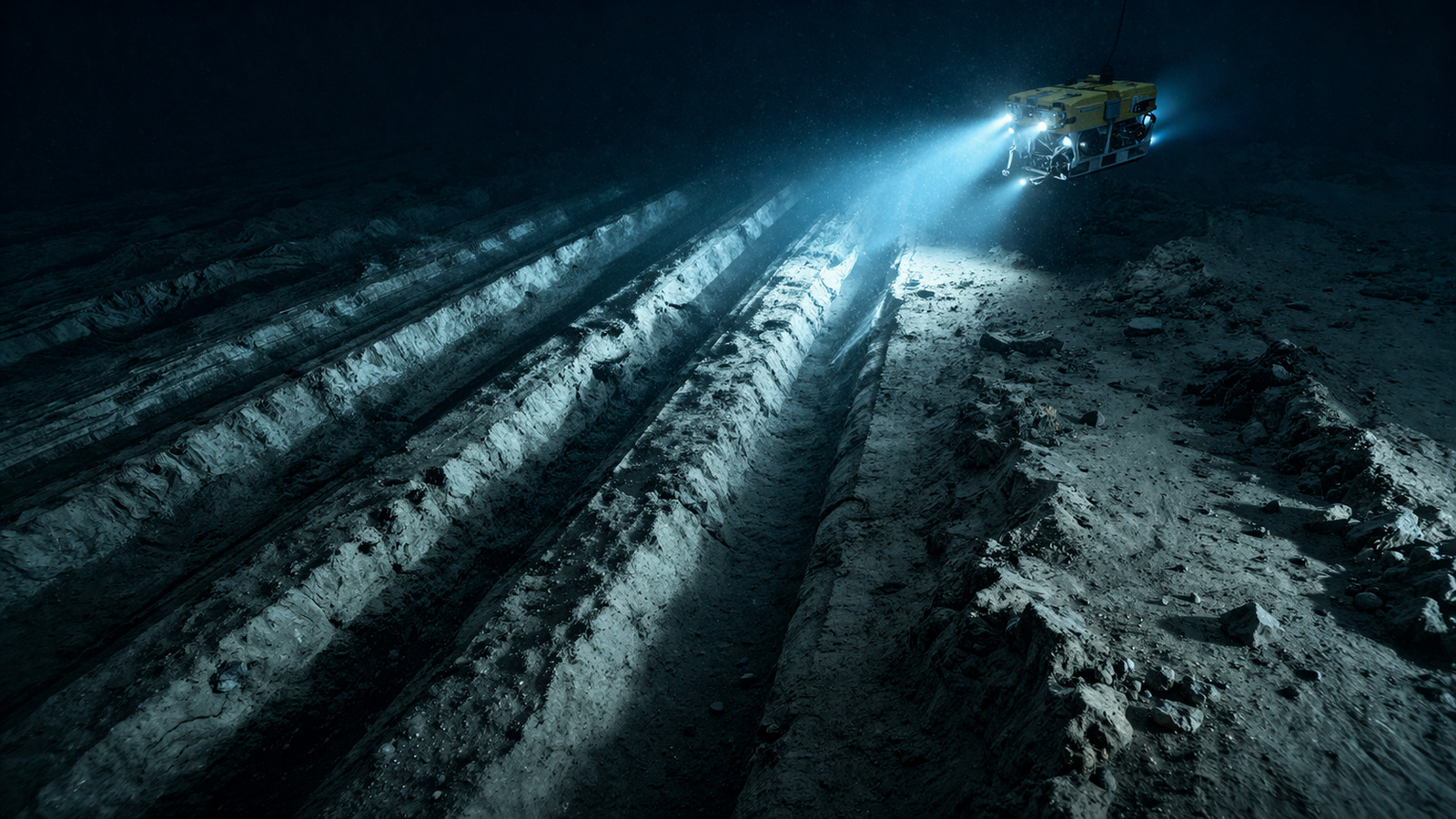
Grooves left by giant icebergs on the bottom of the North Sea reveal how ice responded to rapid warming and help to project changes in Antarctica
Marks left by icebergs on the seafloor of the North Sea allow scientists to reconstruct the behavior of ice sheets from about 20,000 years ago and use this framework to assess risks in Antarctica and global sea level.
Preserved grooves reveal ice dynamics
A team led by the British Antarctic Survey identified grooves carved by icebergs in the seabed that are kilometers long and hundreds of meters thick.
These marks on the seabed have been buried by mud and sediments over thousands of years. Now, they form a detailed archive of ice dynamics during a period of rapid warming.
-
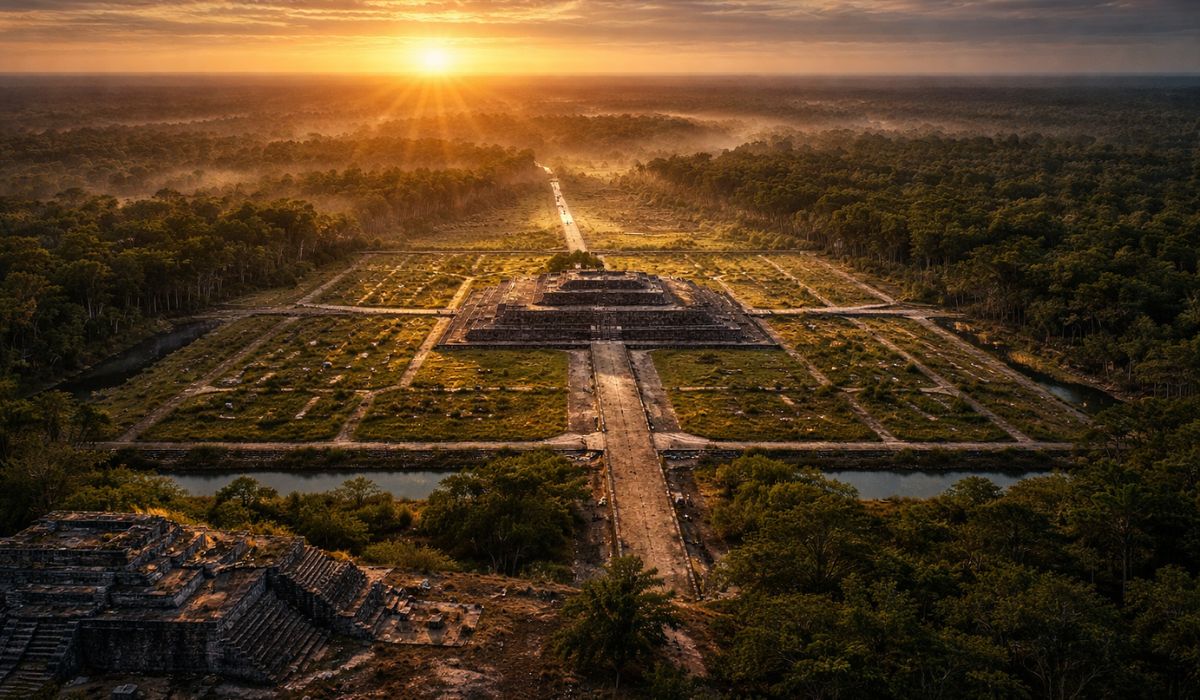
In Mexico, a 3,000-year-old Maya site with the dimensions of an entire city may have been built as a colossal map of the cosmos, created to represent the order of the universe and reveal how this people organized space, time, and rituals.
-
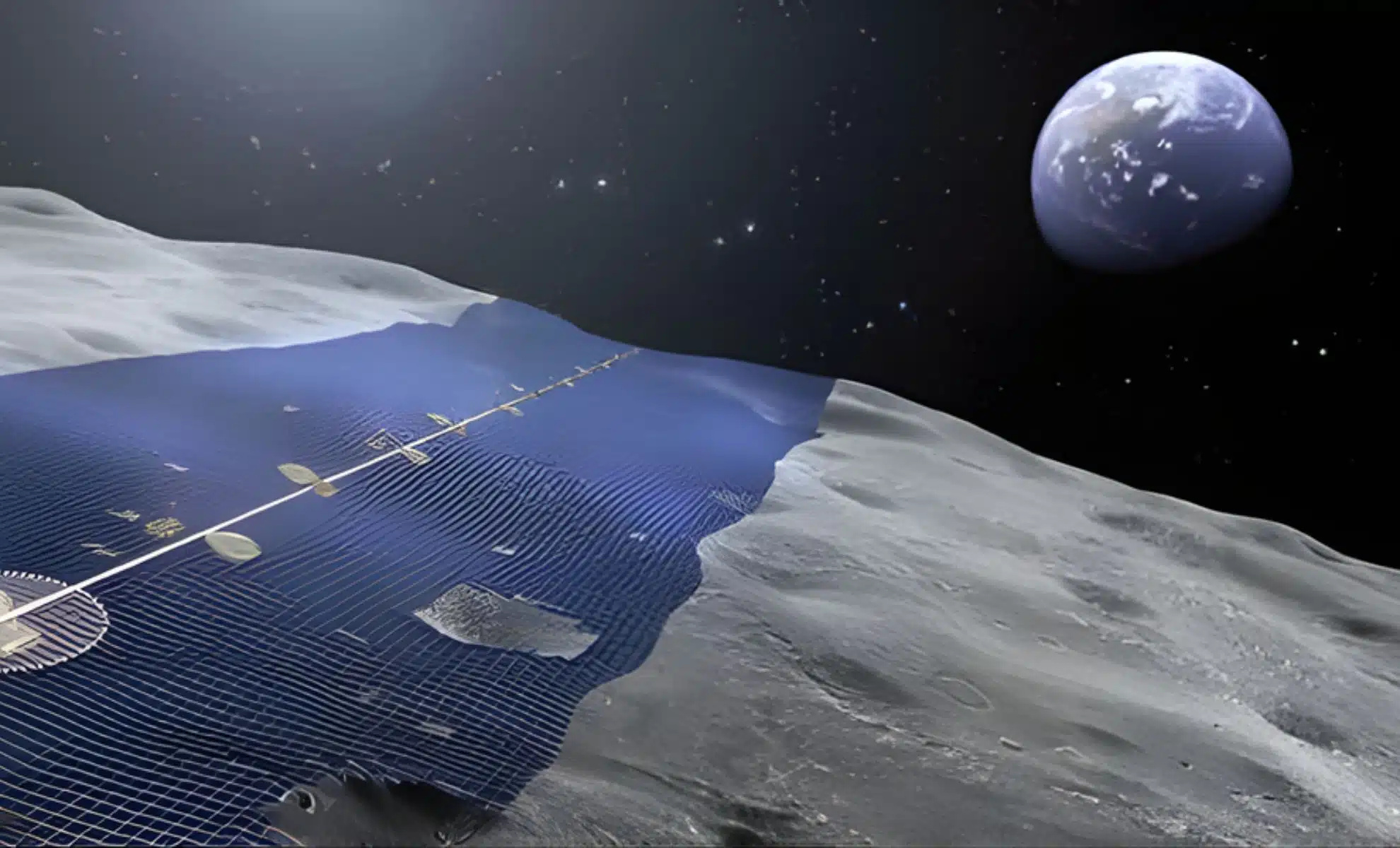
Japan wants to build a solar ring of 10,900 kilometers on the Moon to continuously send energy to Earth.
-
Weighing almost 1 ton, with temperatures of up to 3,000°C, the ability to launch 10,000 fragments within a radius of 1 km, capable of penetrating concrete and melting steel, Turkey’s terrifying bomb emerges as one of the most destructive non-nuclear weapons ever presented.

-
After a submarine disappeared beneath the “Doomsday Glacier,” scientists announce a new monstrous machine capable of operating at 3,000 meters depth to return to the heart of the ice and investigate a threat that could raise sea levels worldwide.


The structures show how ice blocks reacted when the air and ocean warmed rapidly. This understanding is essential for projecting sea level rise in the coming decades.
How scientists located these marks
To find the features, researchers used seismic survey data originally gathered by the oil and gas industry.
The seismic images function like an ultrasound of the subsurface. They revealed long, straight, and wide trails left when icebergs too large to float dragged their bases across the ancient landscape, which was largely emerged at the time.
From these marks, scientists estimate the depth and volume of the lost ice.
What the trails indicate about past climate
By analyzing the orientation and shape of the grooves, researchers infer the directions of ice movement, the intensity of currents, and the rate of melting during different phases of warming.
This reading allows for a comparison of the retreat speed of ice sheets with the accelerated retreat observed today in glacial ice masses, such as those in West Antarctica.
The data are also combined with paleoclimatic records, including marine sediment cores and preserved pollen records.
With this integration, scientists reconstruct scenarios of temperature changes in the air and ocean. They also assess how these changes affected large ice systems tens of thousands of years ago.


The connection to present-day Antarctica
The central word of this investigation is Antarctica. The structures observed in the North Sea resemble features left by blocks that today break off from Antarctic ice shelves.
Recent icebergs like A23a and A68a, with areas comparable to those of countries, offer a parallel to the colossi that circulated near the British coast at the end of the Ice Age.
To understand the potential for sea level rise, scientists gather lines of evidence. Among them are geological records, satellite observations, and models that simulate the behavior of ice, ocean, and atmosphere.
This combination helps clarify how processes seen now may evolve in a warming scenario, impacting coastal regions around the globe.
Changes in the shape of the grooves indicate fragmentation
One of the findings of the study is the gradual transformation of long, straight grooves into smaller, winding, and fragmented channels.
This change suggests that ancient giant icebergs were breaking into smaller blocks as ocean and air temperatures rose between 20,000 and 18,000 years ago, during a period of rapid warming.

Recent phenomena help illustrate this process, such as the collapse of the Larsen B ice shelf in 2002 and the fragmentation of iceberg A68a starting in 2021.
Researchers monitor parameters that may indicate signs of instability in sectors more sensitive to ocean warming.
Among the observed points are the fragmentation of large icebergs, the contribution of sectors of Antarctica to sea level, and effects on coastal communities, such as flooding, erosion, and salinization of aquifers.
With information from Revista Oeste.






Seja o primeiro a reagir!