





 English
  Francês
  Alemão
  Italiano
  Japonês
  Norueguês
  Portuguese
  Spanish
  3 min of reading
  0 comments



A new study from the Los Alamos National Laboratory indicates that future Artemis missions could use optical fiber cables to detect lunar quakes over great distances, expand knowledge about the internal structure of the Moon, and enhance the safety of astronauts and equipment on the surface
A study from the Los Alamos National Laboratory indicates that Artemis missions could use optical fiber cables to monitor lunar quakes, expand knowledge, and enhance safety on the surface.
New proposal to detect tremors
The research presents an alternative to the instruments used since the Apollo era to monitor lunar seismic activity.
The idea is to transform optical fiber cables into distributed sensors capable of recording vibrations over distances.
-
350-year mystery may have been solved: remains of a soldier who inspired the hero of The Three Musketeers found beneath a church in the Netherlands.

-
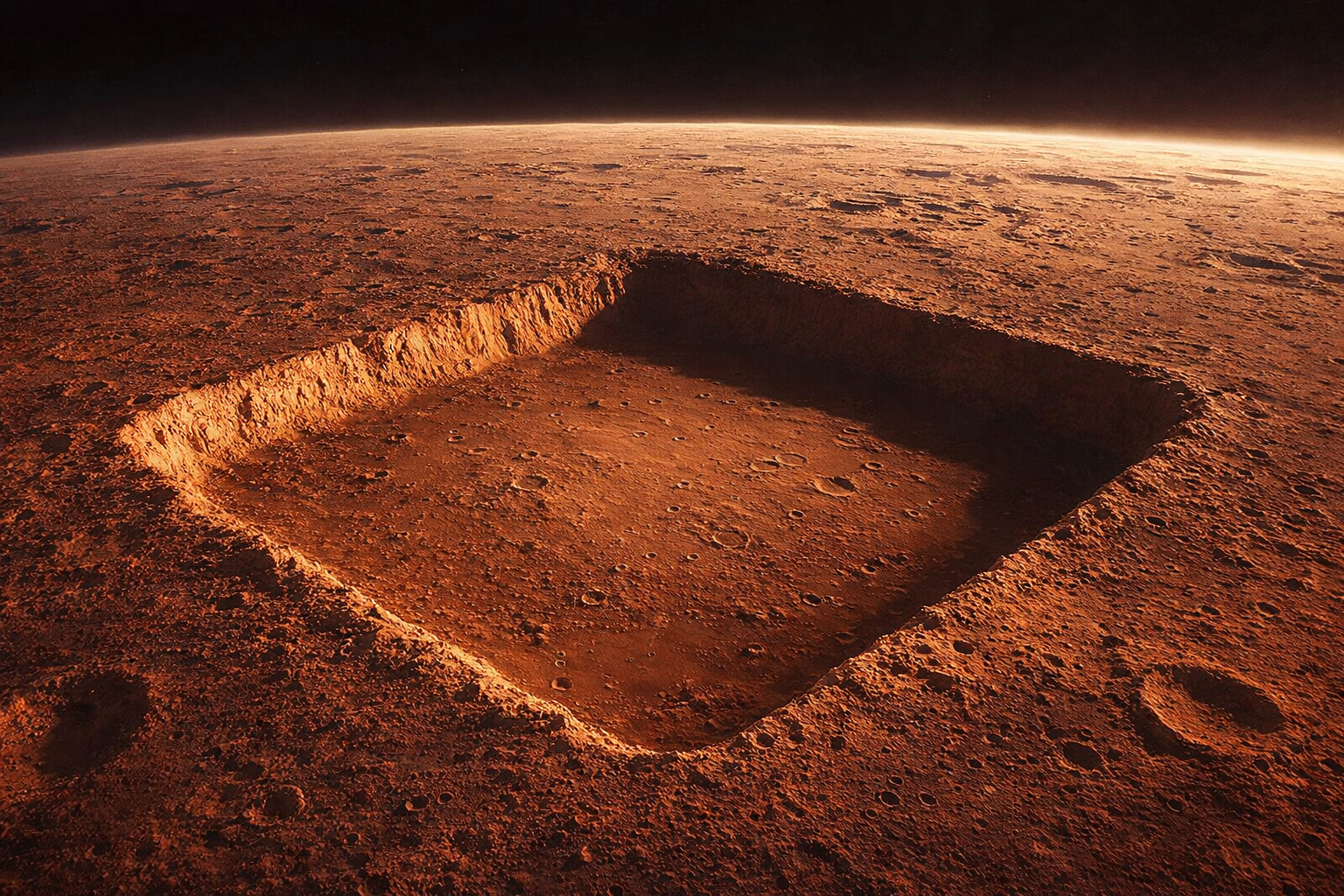
NASA photographed a nearly perfect square with 3 km sides on Mars, 13 times larger than the Great Pyramid of Giza, but the official explanation is natural erosion; still, no one has explained why the four sides have almost identical lengths.
-
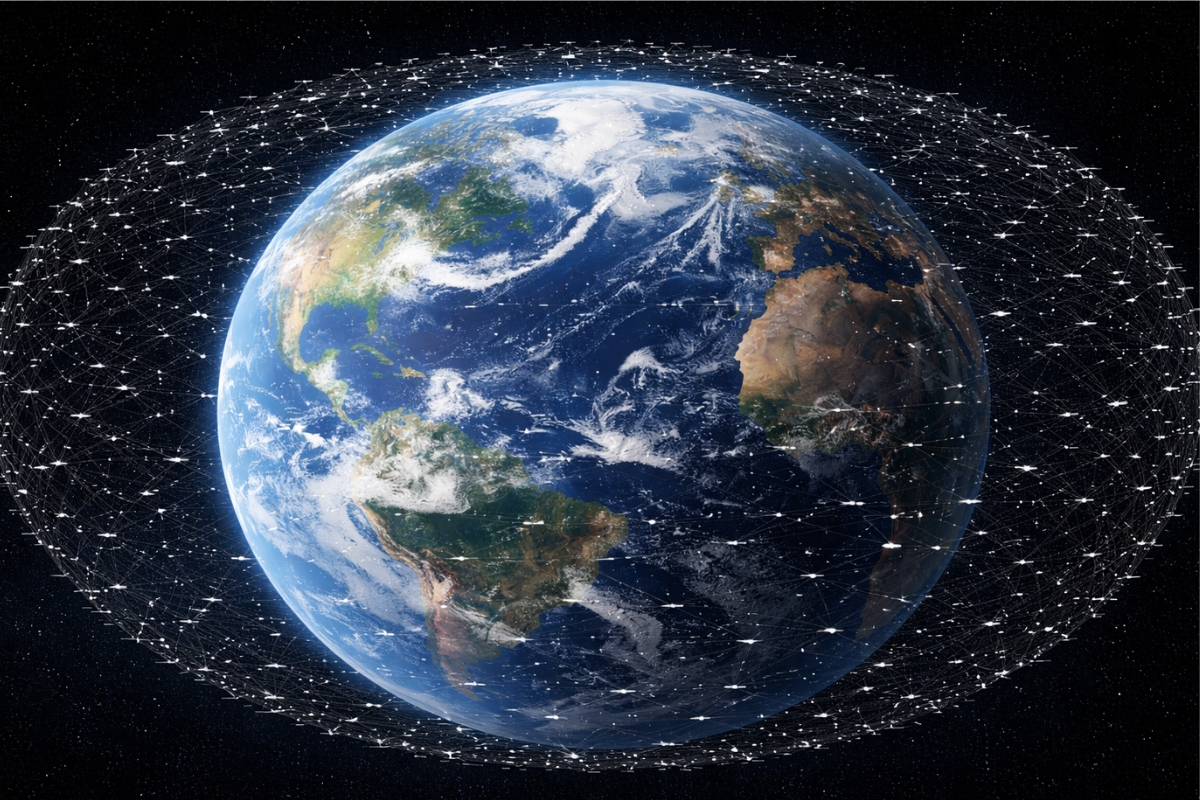
Starlink breaks the barrier of 10,000 satellites in orbit and takes its expansion to an unprecedented level, with a direct impact on global internet, technological competition, and the race for space.
-
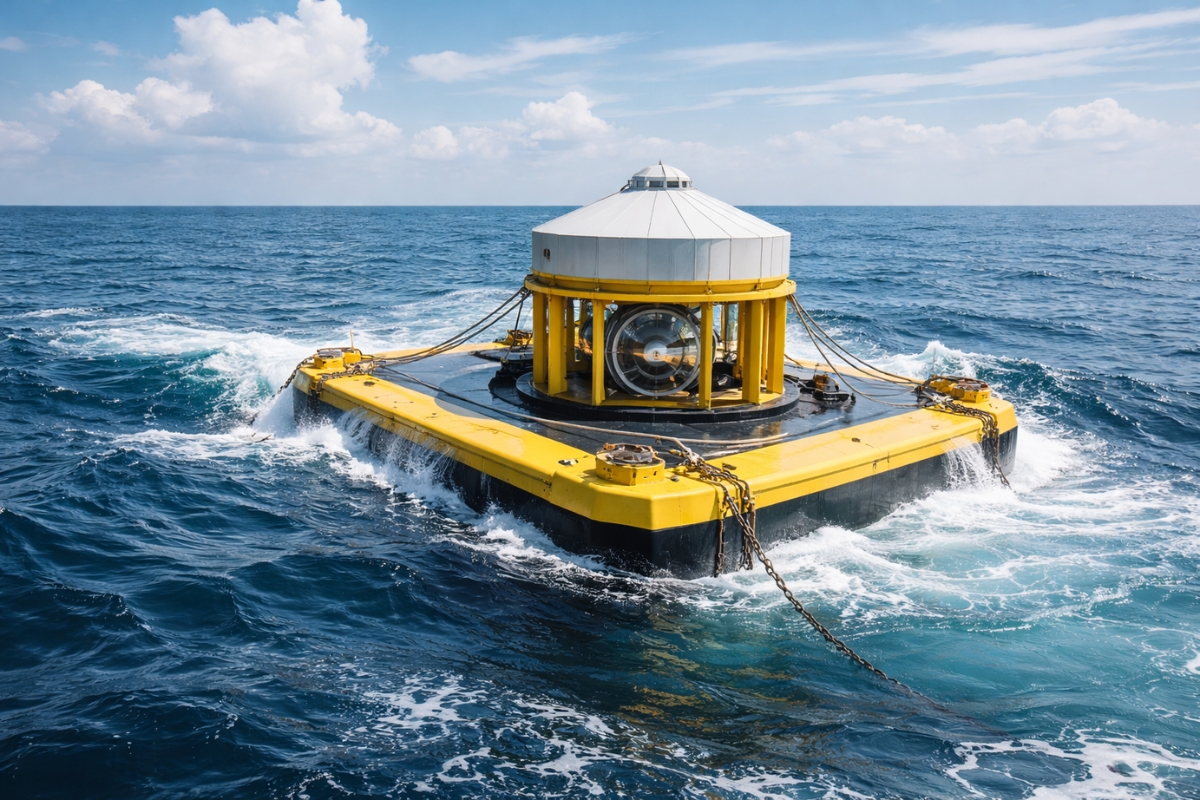
Japan finds an alternative to oil amid rising prices by transforming ocean balance into electricity with a new technology that maintains efficiency even when the sea changes.

According to the study, the Moon is not geologically silent. Beneath the dusty surface, subtle tremors traverse the crust. These lunar quakes hold clues about the interior of the satellite but remain difficult to track.
Carly Donahue, a scientist at the Los Alamos National Laboratory and corresponding author of two papers, stated that deploying sensors like seismographs on the Moon is difficult and expensive.
How optical fiber works
The researchers argue that the cables, used on Earth for telecommunications, can detect vibrations along their entire length.
Thus, kilometers of cable would act as a continuous seismic sensing system.
In conventional seismographs, data is collected at a single point. On the Moon, installing equipment incurs high costs, creating a bottleneck in the collection of data about lunar quakes.
Detection through optical fiber uses the method of distributed acoustic sensing, known by the acronym DAS. Laser pulses sent through the cable identify minimal disturbances, and each segment functions as an individual sensor.
Robots can install kilometers of cable
Donahue explained that the team wanted to know if it would be possible to use a robot or exploratory vehicle to lay optical fiber cables several kilometers across the lunar surface, without burying them, and still obtain useful data.
This concept would create a scalable alternative. Instead of multiple stationary instruments, a single exploratory vehicle could install kilometers of sensors in one mission, reducing costs and complexity.
The use of robots would also eliminate time-consuming and risky tasks for astronauts. Donahue stated that if it works, the method will be cheaper and more efficient, without requiring long trips to install sensors or the support systems of the Apollo missions.
Relationship with the Artemis program
The proposal aligns with NASA’s vision for the Artemis program, which emphasizes sustainability, automation, and long-term infrastructure on the Moon. Fiber optic systems could integrate into a permanent lunar network.
In addition to monitoring lunar quakes, this network could support communication systems. Data collection would help future missions observe surface areas without multiple heavy instruments.
Impact on safety and science
Understanding lunar quakes goes beyond scientific interest. These signals provide information about the Moon’s internal layers, its thermal evolution, and tectonic activity, as well as practical implications for future lunar structures.
Frequent or unexpected seismic activity can pose risks to equipment, habitats, and astronauts.
A distributed system would allow mapping of higher risk zones and designing safer landings and habitats on the lunar surface.
The data could refine models of how the Moon formed and evolved, shedding light on processes in the solar system.
With information from Daily Galaxy.






Seja o primeiro a reagir!