





 English
  Francês
  Alemão
  Italiano
  Japonês
  Norueguês
  Portuguese
  Spanish
  6 min of reading
  0 comments


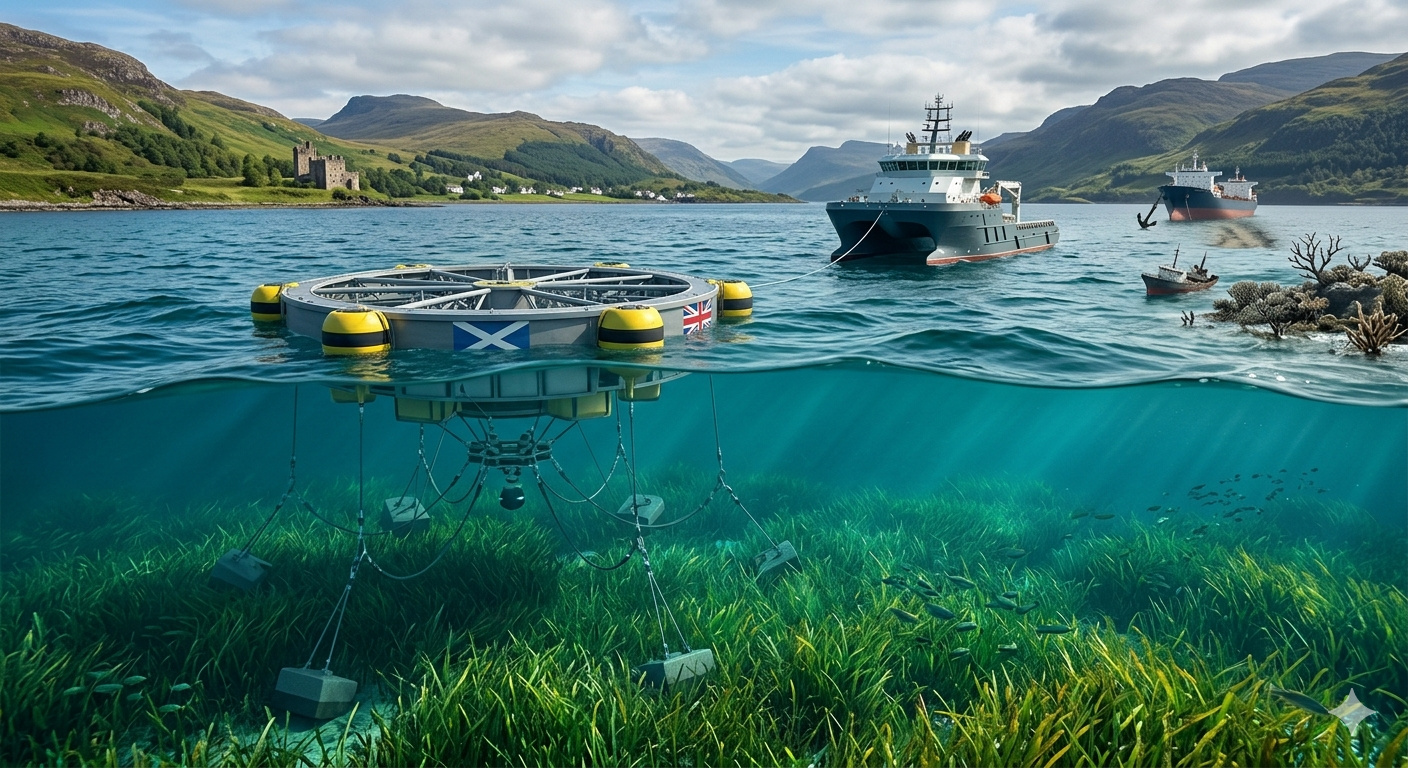
New anchoring system without contact with the seabed reduces damage to seagrass meadows and may preserve carbon and ocean biodiversity.
A conventional anchor has two points of contact with the seabed: the iron itself, which digs into the sediment, and the chain, which drags along the bottom as the ship sways with the tide. In areas with posidonia meadows — the marine plants that cover the bottoms of shallow bays around the world — this dragging is catastrophic. A single anchoring event can destroy up to 50 square meters of habitat, according to studies cited by the Marine Biodiversity Science Center. And once destroyed, the reef does not easily recover: research in the U.S. Virgin Islands found that ten years after a cruise ship destroyed part of a reef, there were no signs of recovery in the damaged area.
It was to solve this decades-old problem that the Ocean Conservation Trust, based in the UK, developed the Advanced Mooring System — an anchoring system that keeps the chain suspended in the water column, never touching the bottom.
What is posidonia and why are seagrass meadows strategic for the climate
Posidonia and other species of seagrass known globally as seagrass — is a flowering plant that lives submerged in shallow coastal waters. At first glance, it appears to be a simple organism. However, the numbers show one of the planet’s most important ecological systems.
-
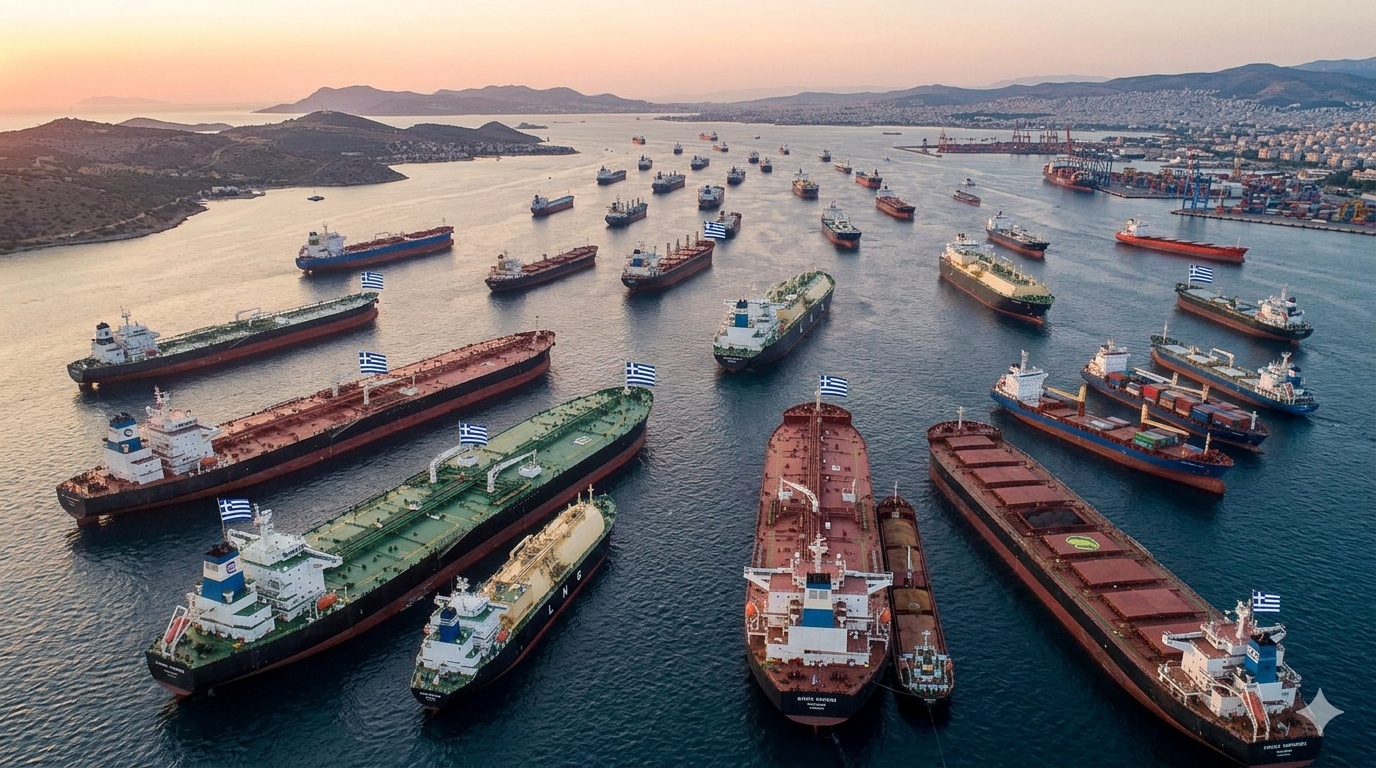
Neither the USA nor China: a small European nation has become one of the largest maritime powers on the planet, controlling one of the largest merchant fleets in the world with thousands of ships and dominating the global transportation of oil and strategic cargo.
-
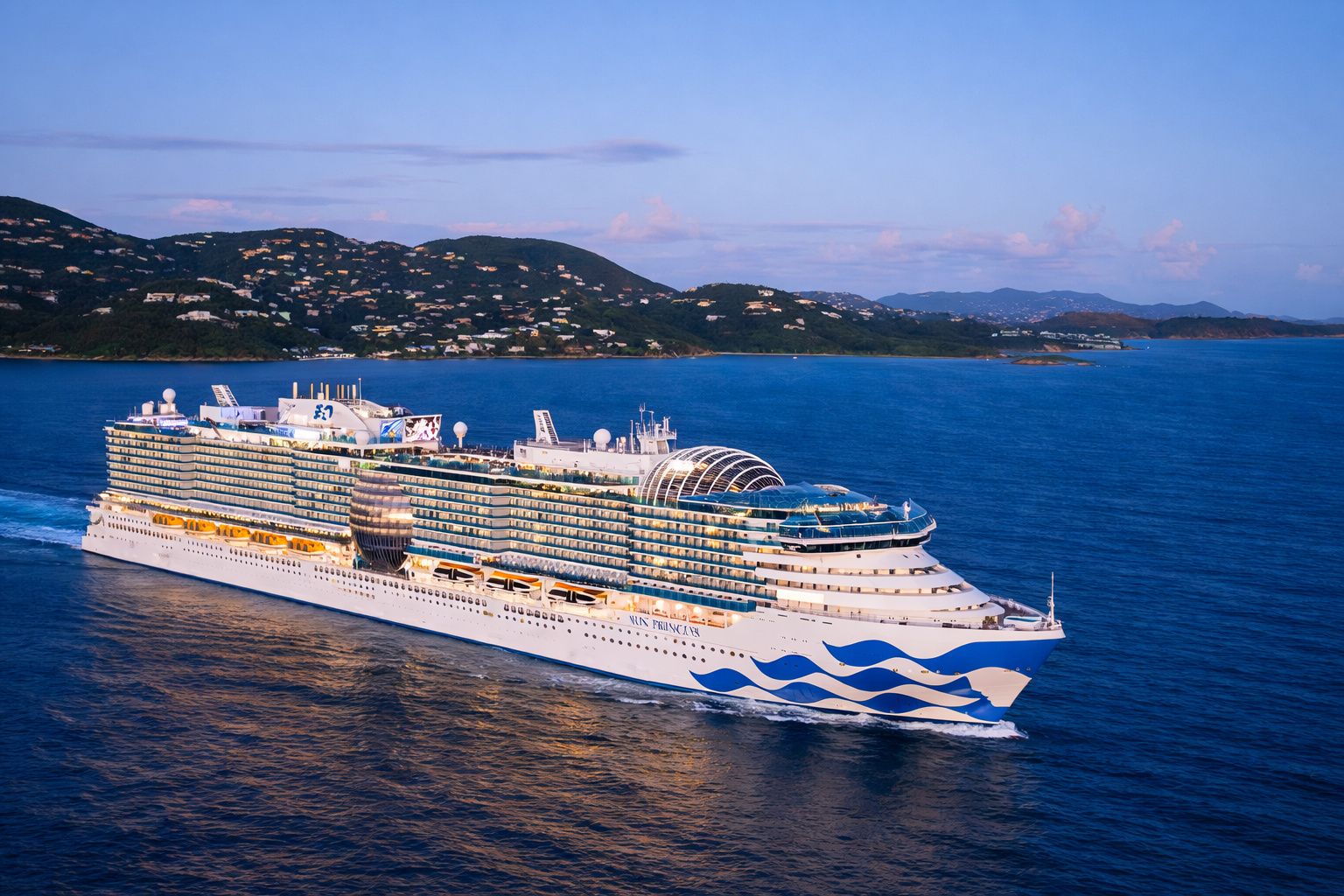
Weighing 175,500 Tons, Measuring 345 Meters Long, and With Capacity for Over 4,300 Passengers, the Sun Princess Becomes the Largest Ship Ever Built by Princess Cruises and Attracts Global Attention for Its Huge Glass Dome Inspired by Santorini’s Architecture Installed on Top of the Vessel
-
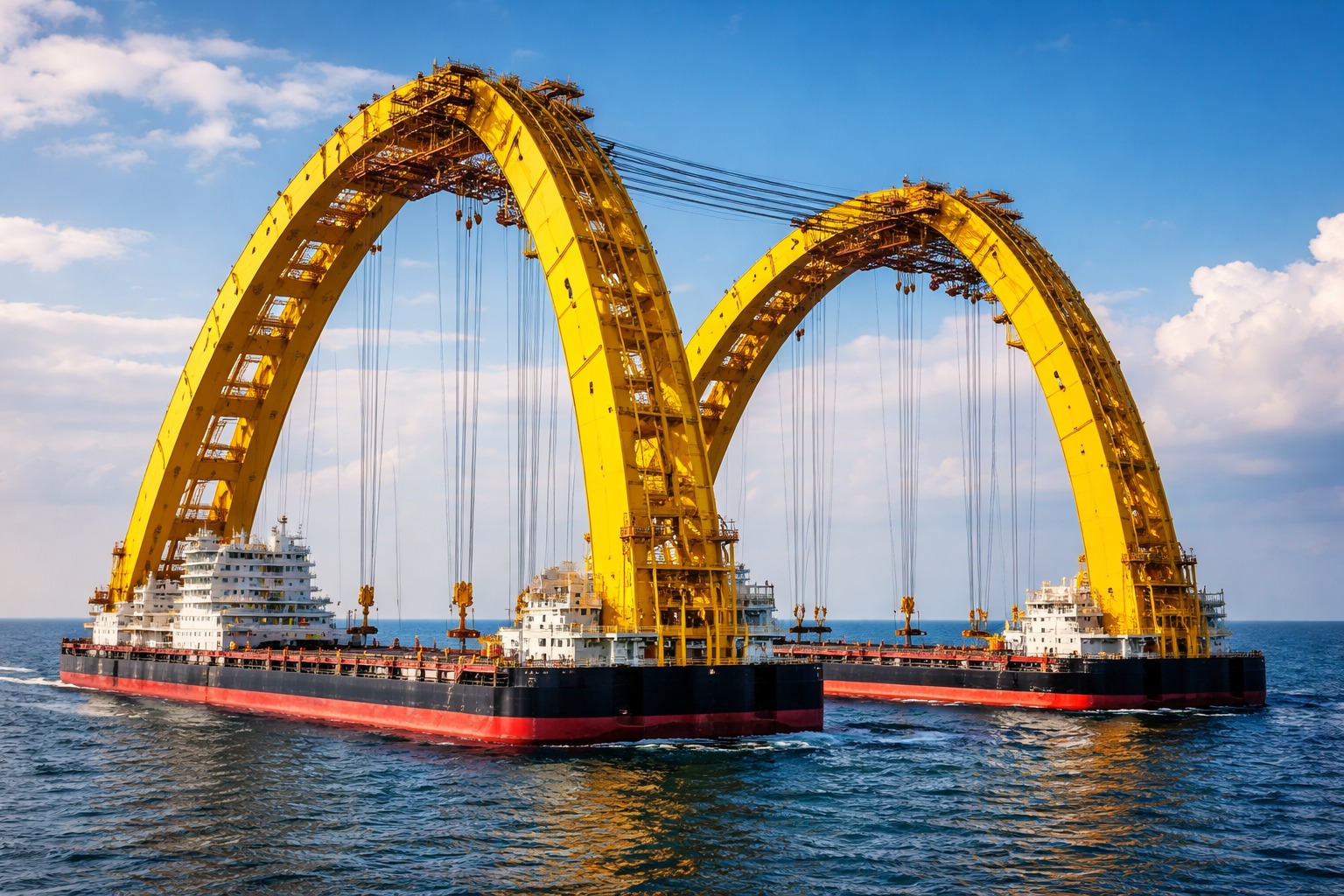
TX-10, The Colossus of The Sea: Largest Lifter Ship in The U.S., With Two Giant Barges, 73-Meter Tall Structure, and Strength to Raise 7,500 Tons of Sunken Oil Rigs
-
S 80 Submarines Get Technological Boost With AIP System Catalytic Reactors

According to UNEP, seagrass meadows cover only 0.1% of the ocean floor but account for 10% to 18% of all carbon sequestered in the oceans annually. The absorption capacity can be up to 35 times faster than that of tropical forests. When these areas are disturbed, they release back into the ocean carbon that has been stored for millennia in the sediment.
These ecosystems also serve as natural nurseries for commercial species. An area of 10,000 square meters of posidonia can support about 80,000 fish and more than a million invertebrates, according to WWF. Sea turtles, dugongs, bass, flounders, and octopuses directly depend on these meadows for food and reproduction.
The problem is that they are disappearing at an accelerated rate. Since the late 19th century, about 30% of global seagrass meadows have been lost. The current rate of decline ranges from 1% to 2% per year, a pace comparable to the destruction of coral reefs and tropical forests. In the UK, the situation is even more critical: up to 92% of posidonia meadows have been destroyed in the last century.
How conventional anchors cumulatively destroy the seabed
The mechanism of destruction caused by traditional anchoring systems is simple, physical, and continuous over time. A conventional anchor uses two main elements: a heavy block fixed to the bottom and a chain that connects that point to the boat.
When the vessel moves with the wind and tides, the chain drags along the bottom repeatedly. This process, known as bed scouring, removes plants, fragments roots, and stirs up sediments, reducing the light penetration necessary for the survival of the remaining plants.
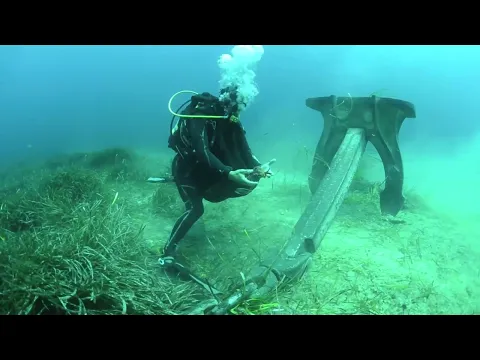

In high-traffic areas, such as marinas and tourist bays, this process occurs with dozens of vessels simultaneously, every day, for years or decades. The result is the so-called “mooring scars,” visible scars on the seabed where the meadow completely disappears and gives way to exposed sediment strips.
The impact is not limited to the chain. The concrete block used as an anchor has a large footprint, crushing everything beneath it. When it needs to be removed or replaced, the environmental damage is repeated.
The anchoring system that floats and eliminates contact with the bottom
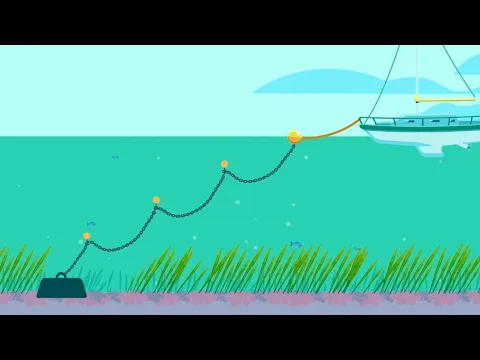
The Advanced Mooring System was developed precisely to eliminate the two points of environmental impact of traditional anchors. Instead of a chain resting on the bottom, the system uses submerged buoys distributed along the cable, keeping the entire structure suspended in the water column. Even in low tide conditions, the system does not come into contact with the seabed.
This approach, known as the Stirling System, has been one of the main solutions tested in the UK.
Another variation, called Seaflex, replaces the metal chain with a reinforced elastic cable. This material absorbs the movements of the vessel, eliminating dragging and completely reducing bottom abrasion.
The anchoring point has also been redesigned. Instead of concrete blocks, the system uses helical anchors, which function like screws installed in the sediment by divers with hydraulic tools. This model has a reduced footprint, does not destroy the surrounding vegetation, and offers greater structural stability.
Tests in the UK show a 212% recovery of posidonia
The first tests were conducted in May 2019 in Cawsand Bay, southern England. Initially, five systems were installed. In 2021, this number was expanded with the installation of 12 more units.
Four years later, the results showed a 212% increase in posidonia coverage in the areas influenced by the systems. This data was published by the Ocean Conservation Trust in November 2023 and represents one of the most consistent pieces of evidence of seagrass recovery associated with the change in anchoring system.
According to Dr. Jean-Luc Solandt from the Marine Conservation Society, the recovery demonstrates the direct impact of reducing physical disturbances on sensitive ecosystems, allowing for the return of biodiversity and the resumption of carbon storage function.
Expansion of the new anchoring system and adoption in protected areas
Based on the initial results, the project was expanded through the ReMEDIES program, which installed systems in various conservation areas along the British coast.
More than 28 systems have been implemented in regions such as Plymouth Sound, Solent, and Porthdinllaen, including protected areas with a high concentration of posidonia. In some cases, the systems have also been used as markers to delineate environmental protection zones.
Despite the expansion, the technology is still not widely adopted globally, being more common in countries like the United States and Australia than in the rest of Europe.
Why the adoption of the new anchoring system is still slow even with the technology available
The adoption of the system still faces structural barriers. The initial installation cost is higher, as it requires specialized divers and hydraulic equipment. Although the long-term cost is competitive, the initial investment remains an obstacle.
There is also operational resistance. In shared areas, vessels may use systems sized for other boats, creating structural risk. Additionally, the regulatory process is not yet standardized, requiring specific approvals from local authorities and insurers.
In April 2025, the Marine Environment Protection Committee of the IMO took an important step by including anchoring impacts in the development of new global environmental guidelines.
Although there is still no widespread ban on conventional anchors, countries like France and Spain have already established restrictions in sensitive areas of the Mediterranean, especially where Posidonia oceanica is present.
This movement indicates a trend towards regulatory transformation, which may accelerate the adoption of systems like the Advanced Mooring System in the coming years.
The stored carbon that can be released in minutes
The impact of anchoring goes beyond the physical destruction of plants. The sediment of seagrass meadows stores carbon accumulated over hundreds or thousands of years.
When this sediment is disturbed, carbon is released back into the water and can return to the atmosphere as CO₂. This process transforms an area that functioned as a carbon sink into an emission source.
According to Project Seagrass, these ecosystems are responsible for up to 18% of the organic carbon buried in the oceans, even occupying a minimal fraction of the total area.
The data that summarizes the scale of the global problem
Posidonia captures carbon up to 35 times faster than tropical forests, covers less than 0.1% of the ocean floor, and directly supports the food base of billions of marine organisms.
Even so, it is disappearing at a rate of up to 2% per year. Conventional anchoring is one of the main direct vectors of this destruction.
Tests in the UK show that the solution already exists and works. The 212% increase in posidonia coverage in four years is a concrete, measured, and replicable data point.
What is lacking is not technology. It is scale. And, possibly, the regulation that transforms sustainable anchoring systems from an alternative into a mandatory standard in areas where these ecosystems still exist.









Seja o primeiro a reagir!