





 Portuguese
  English
  Spanish
  3 min of reading
  0 comments


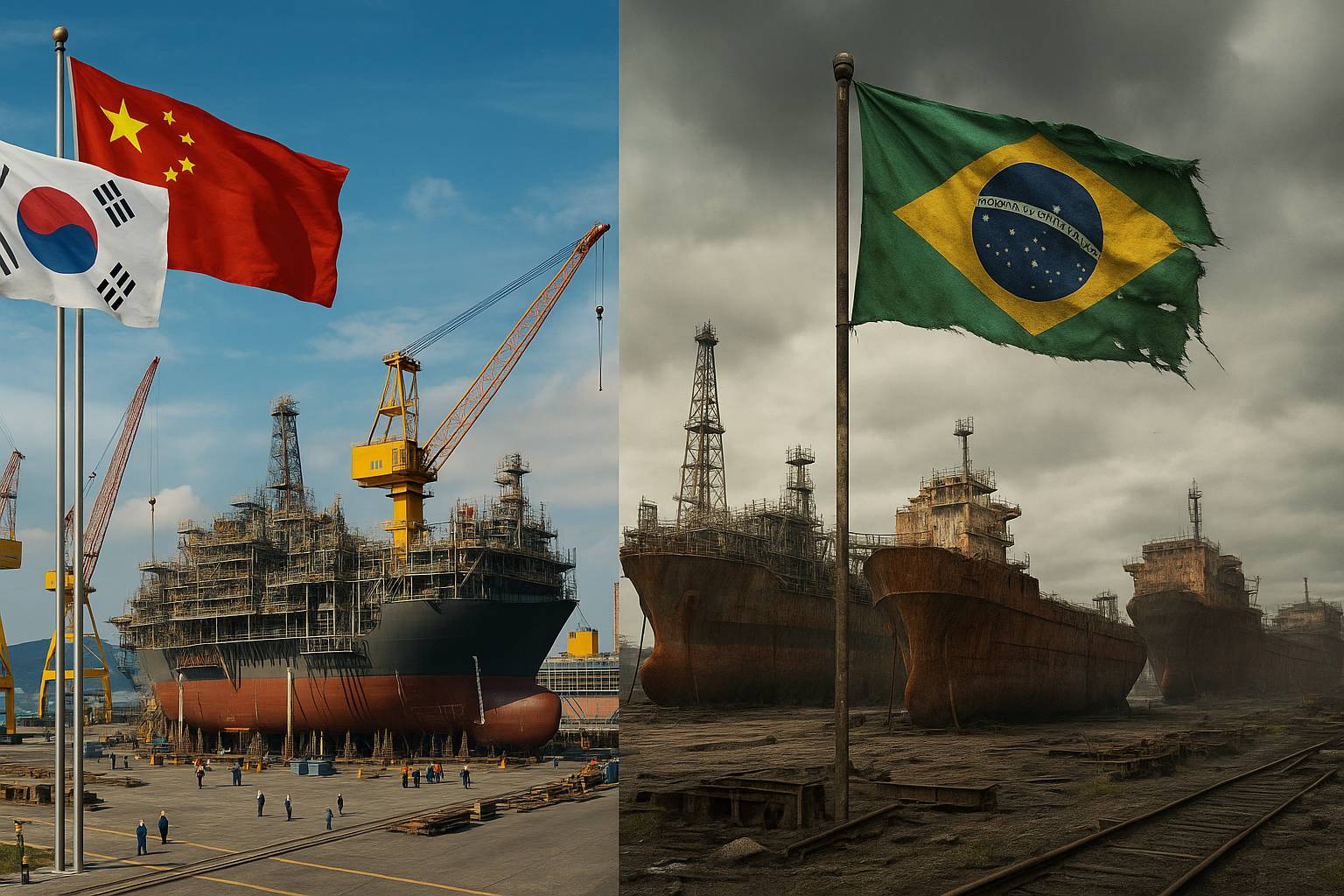
Understand The Economic, Structural, And Political Factors That Make Brazil Lose Ground In The Construction Of FPSO Platforms For Asian Countries.
The Brazilian shipbuilding industry is considered strategic for generating thousands of jobs and boosting national economic growth. However, when we talk specifically about large offshore platforms known as FPSOs (Floating Production Storage and Offloading), which are essential for the exploration of pre-salt, almost all units are built in Asian shipyards. So, why does this happen?
1- Significantly Lower Costs In Asia
One of the main reasons is the cost involved in building these platforms. Building an FPSO in Asia can cost up to 30% less than in Brazil. In concrete terms, while the average cost of a platform in Asia is around US$ 1.2 billion, in Brazil the price can exceed US$ 1.5 billion, according to estimates from consultancy Wood Mackenzie.
The reason for this difference lies mainly in cheaper labor, fewer labor charges, and greater productive efficiency in Asian shipyards.
-
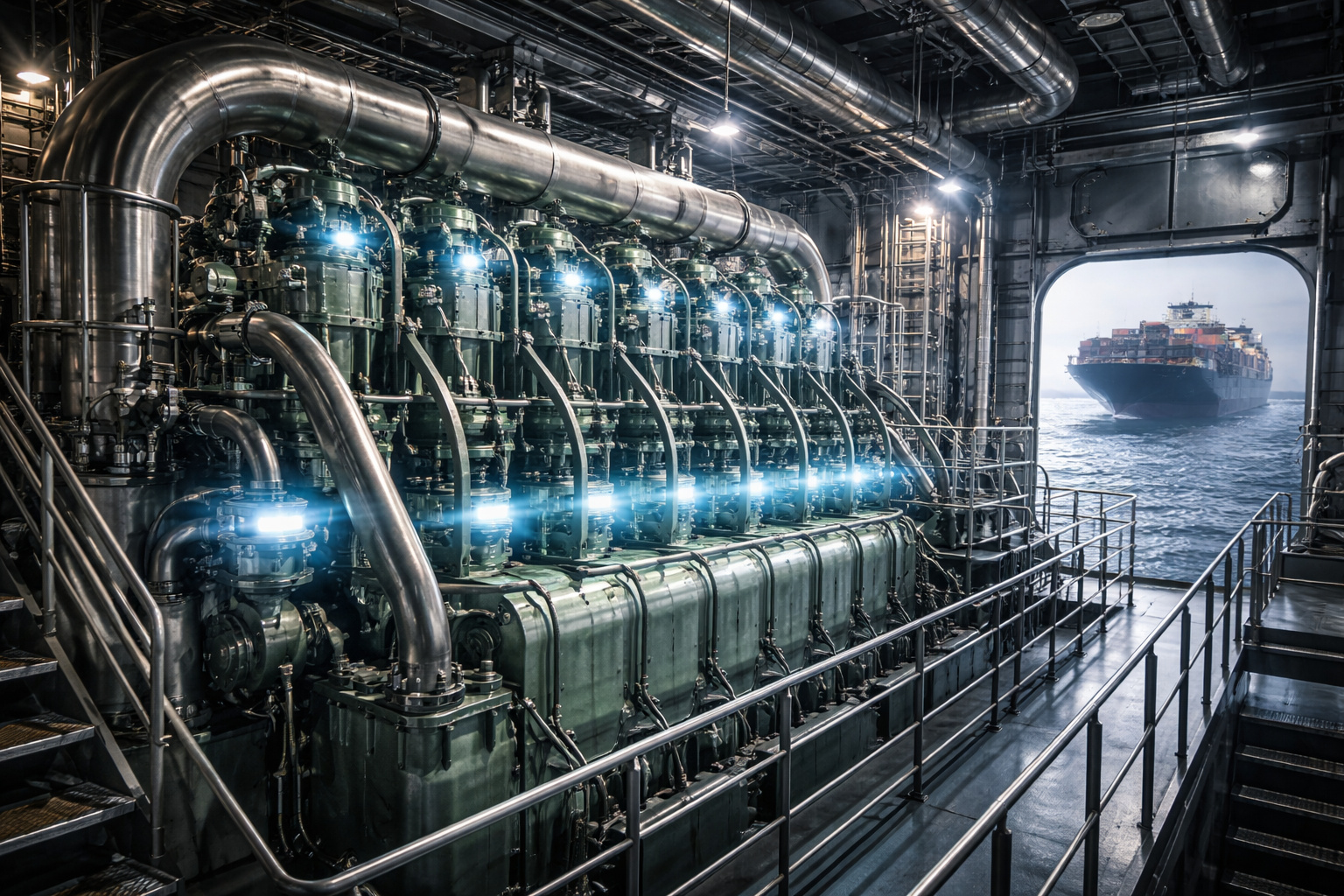
Europe is trying to create an ammonia-powered marine engine without auxiliary fuel, which could unlock the race for giant emission-free ships. The technology aims to eliminate one of the biggest obstacles to clean maritime propulsion.
-
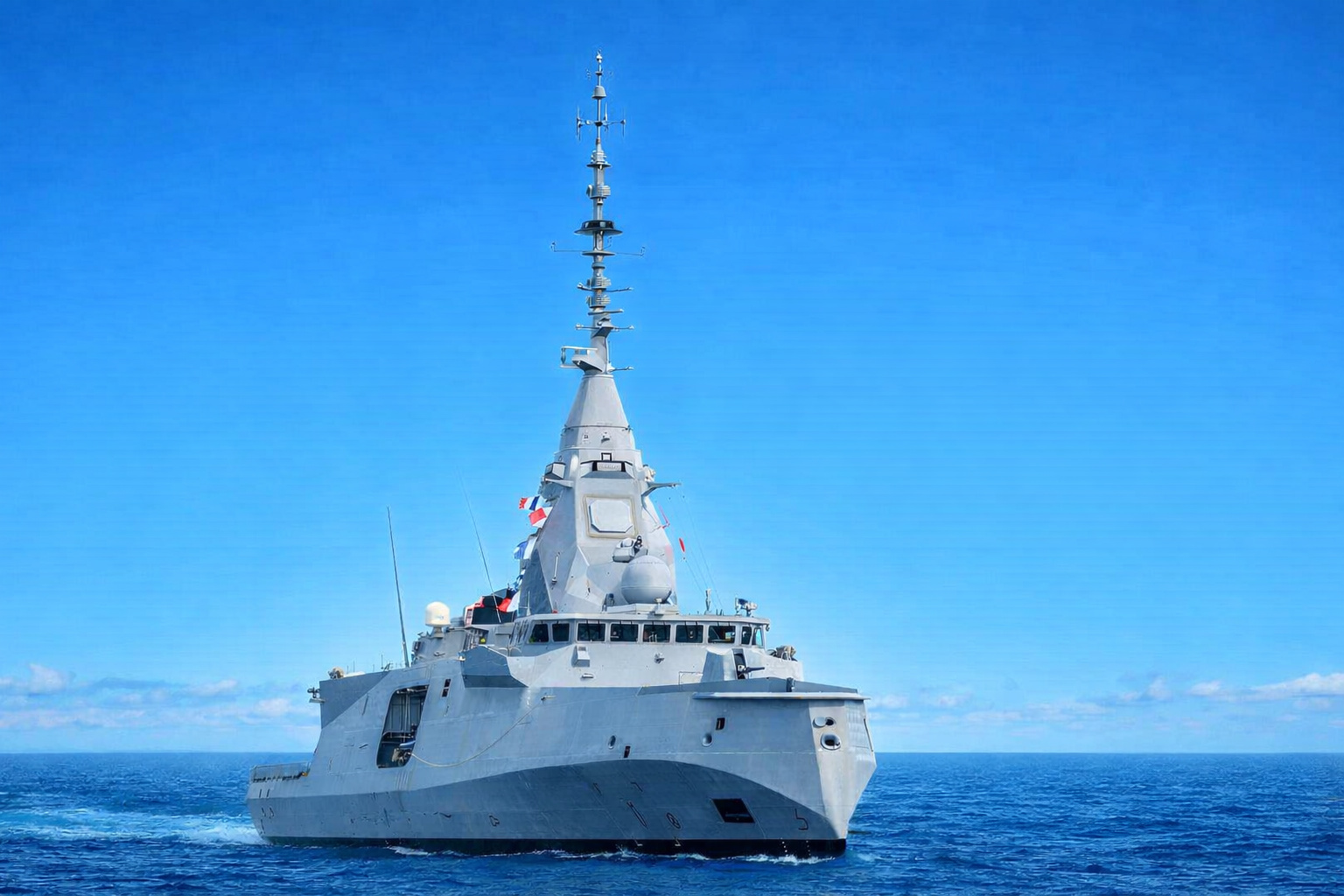
A 4,500-ton frigate with just over 100 crew members, state-of-the-art radar, and cruise missiles is being touted as the new standard of naval warfare in the 21st century.
-
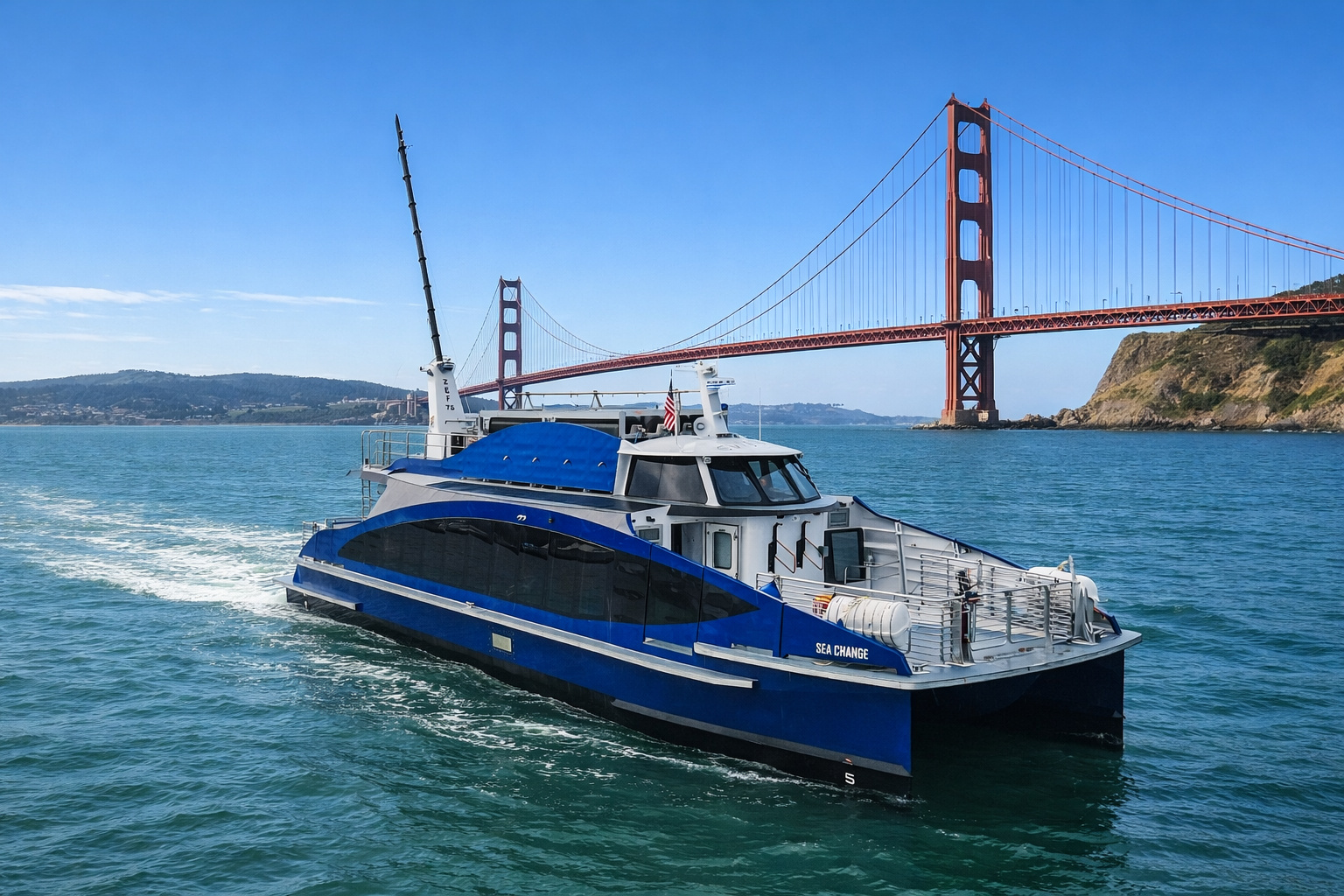
The first commercial hydrogen-powered ferry enters operation in the U.S., eliminates the use of diesel, uses fuel cells to generate clean energy on board, and transforms San Francisco Bay into a landmark of the new era of emission-free navigation.
-
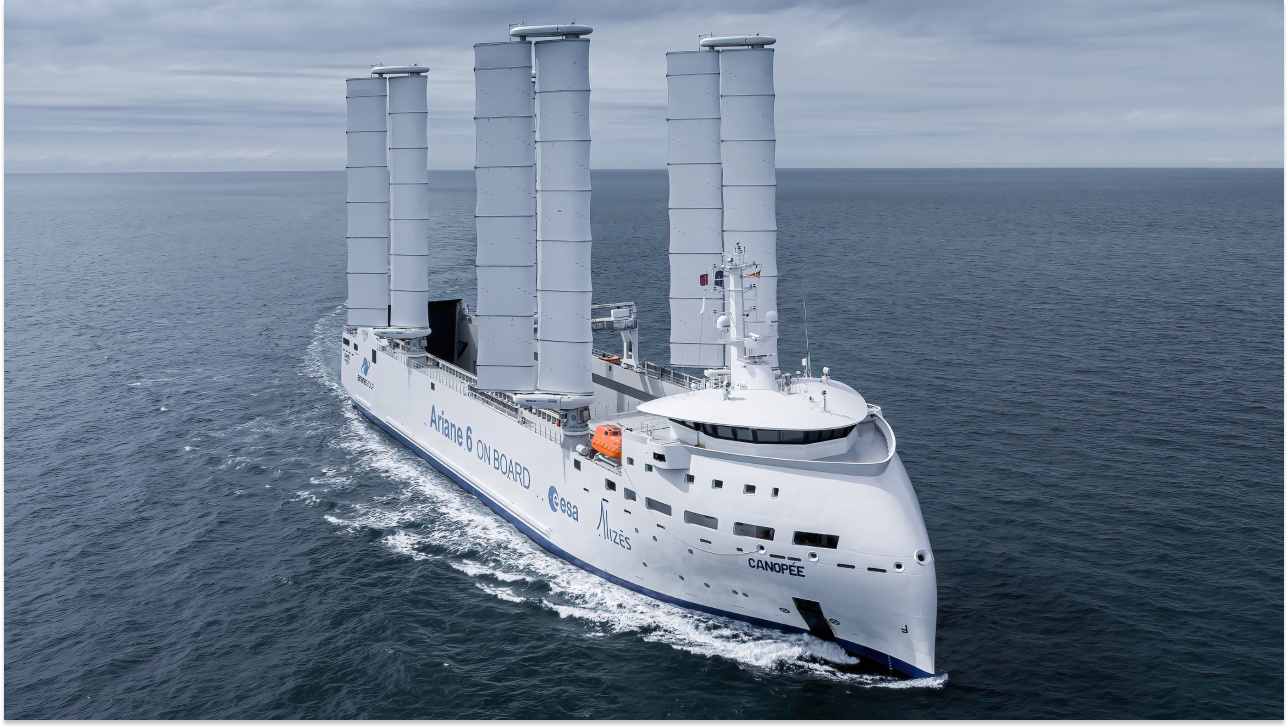
With a length of 121 meters and four rigid sails of 36 meters that automatically rotate to capture the wind, Canopée is the world’s first hybrid industrial cargo ship powered by wind, used to transport rockets and reduce fuel consumption by up to 30% on transoceanic routes.

2- Timelines And Specialization Of Asian Shipyards
Another decisive factor is the timeline. Shipyards in countries like South Korea, China, and Singapore are highly specialized, delivering FPSO platforms in timelines of 24 to 30 months, while in Brazil, similar projects often face delays, which can exceed 36 months.
Shipyards such as Samsung Heavy Industries, Hyundai Heavy Industries, and Sembcorp Marine have already delivered dozens of FPSOs to the global market, consolidating an experience that is hard to compete with.
3- Infrastructure And Production Capacity
In Brazil, many shipyards lack adequate infrastructure for the simultaneous construction of multiple FPSOs, while in Asia, large shipyards can simultaneously construct up to three units.
It is estimated that Samsung Heavy Industries alone has delivered more than 30 FPSOs to the global market. This scale of production allows for greater efficiency and a significant reduction in costs.
4- Business Environment And Brazilian Bureaucracy
Another critical point is the Brazilian business environment. The bureaucracy, legal insecurity, and constant regulatory changes make it more difficult and expensive to invest in shipbuilding in Brazil. This discourages large operators, such as Petrobras, from heavily investing in local projects.
5- Local Content Policies
For years, Brazil required a high level of local content, reaching up to 70%. However, frequent delays, high costs, and cases of corruption led the government to revise this policy. In 2018, the requirement dropped to around 25%, facilitating the return of orders to Asian shipyards.
6- Economic Impacts On Brazil
The direct consequence of this reality is the significant reduction of jobs in the Brazilian shipbuilding sector. In 2014, over 80,000 workers were directly employed in the sector. By 2023, this number had fallen to less than 25,000, according to data from Sinaval (National Union of the Shipbuilding and Offshore Industry).
7- Alternatives To Strengthen The Brazilian Shipbuilding Industry
To reverse this trend, Brazil would need massive investments in port infrastructure, technical training, and reduction of bureaucracy. Tax incentives and legal security could attract new projects and international partnerships, strengthening the shipbuilding sector.
Additionally, Brazil could focus on specific niches, such as module integration, maintenance, repair, and highly specialized services, leveraging areas where it already has competitive advantages.
Compete Or Specialize?
It is evident that although the Brazilian shipbuilding industry is strategic, the complete construction of FPSO platforms is currently economically unfeasible in the country, at least under current conditions. The big challenge is to determine whether Brazil should try to compete directly with Asia or specialize in specific stages of the production chain, ensuring jobs, technology, and important revenues for the country.
And you, do you believe that Brazil should try again to strengthen the entire production chain or specialize only in specific niches of shipbuilding?








Seja o primeiro a reagir!