





 Portuguese
  English
  Spanish
  3 min of reading
  0 comments


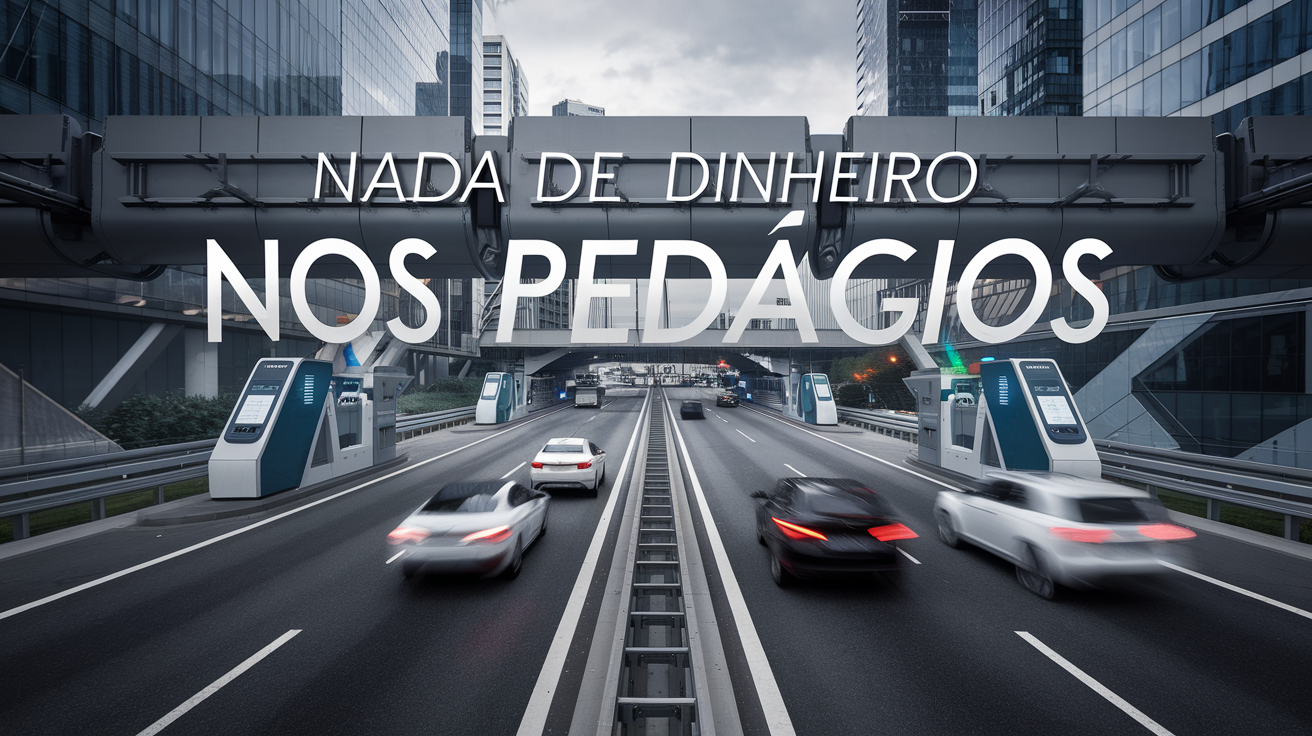
Cash Payment Is Running Out on Main Roads in Brazil. Agility, Safety, and Modernization Mark This New Era of Brazilian Roads.
Imagine yourself in the middle of a trip during summer, and as you approach a toll plaza, you realize that cash payment is no longer accepted.
This scene, which can catch many drivers by surprise, is becoming a reality on several Brazilian highways.
The measure, which promises to revolutionize road transport, is already causing concern among those who are not adapted to the new payment technologies.
-
Honda performs miracles in fuel consumption with a hatch that marks 13.2 km/l in the city and 15 km/l on the highway, leaving Polo, HB20, 208, and Onix behind and becoming a reference among compact cars without resorting to turbo or hybrid systems.

-
China alone accounts for 70% of trade within the BRICS, while Brazil establishes itself as an essential supplier of food and minerals: understand how the group, which already represents nearly 40% of the world’s GDP, is changing the game.

-
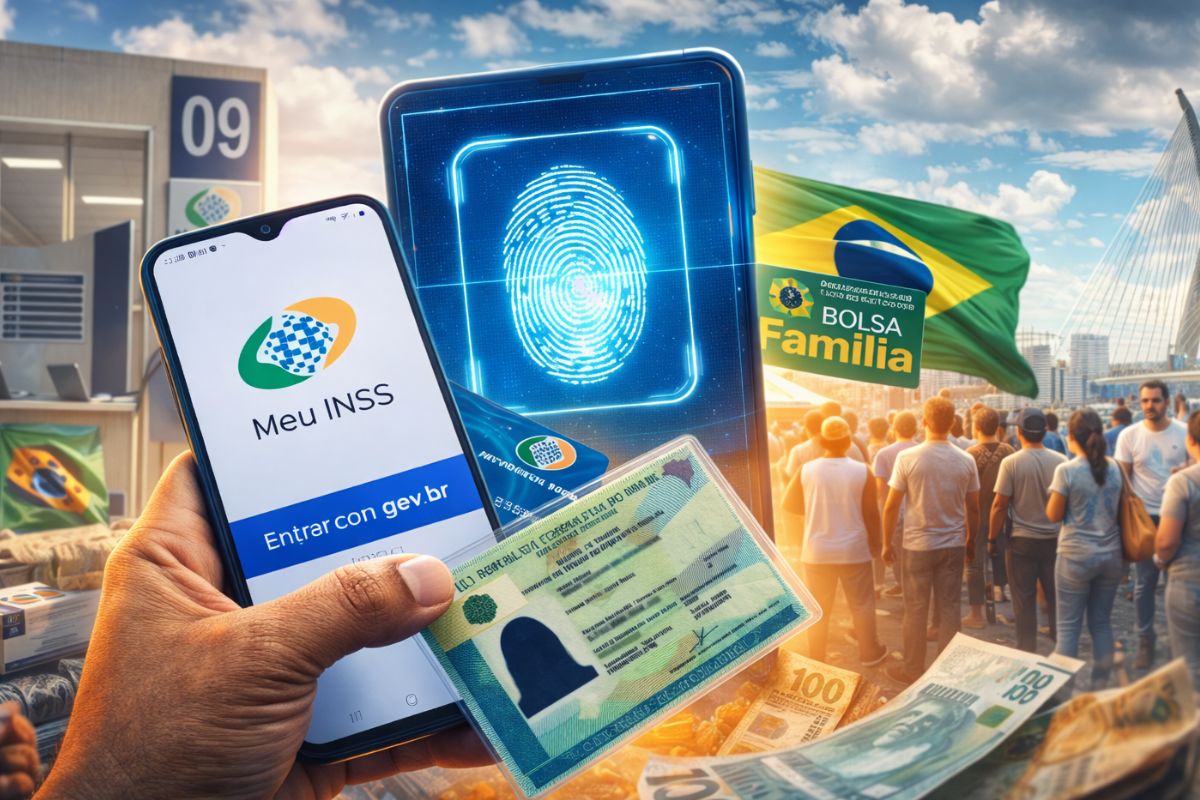
Starting in May, those who do not have registered biometrics will not be able to apply for Bolsa Família, sickness benefits, or unemployment insurance: understand the new rule that changes access to benefits for millions of Brazilians.
-
Six diseases that seem common but can prevent the renewal of the driver’s license for the elderly throughout Brazil and surprise experienced drivers — could any of them affect you without showing clear signs?


Automatic Payment Systems and Their Expansion
Since September 2024, important highways in the state of São Paulo have begun adopting toll booths with payment exclusively by proximity.
According to information from CCR, in addition to accepting contactless cards, these booths also allow the use of devices such as smartphones and smartwatches with NFC (Near Field Communication) technology.
This transformation reflects a global movement towards digitization and convenience, but also highlights the need for technological inclusion, considering that not all drivers have access to these modern payment methods.
Another relevant factor is the advancement of the electronic toll system known as free flow, in which there is no barrier.
This system, combined with automatic payment tags, is quickly gaining ground and represents a significant change in the experience of drivers on Brazilian roads.
The Trend: The End of Cash at Tolls
Although cash payment is still accepted, CCR estimates that it will be completely phased out by 2026 on the 11 highways under its management.
In July 2024, cash transactions accounted for only 13.17% of the total collected. These figures reinforce the trend towards increasing tolls with 100% electronic payment.
Among the most affected highways are the traditional Anhanguera-Bandeirantes, the Raposo Tavares (SP-270), and Castelo Branco (SP-280).
These highways, which connect important regions of the state of São Paulo, are vital for transportation and tourism, increasing the need for drivers to adapt quickly.
| Highway | Location | Predominant Method |
|---|---|---|
| Anhanguera-Bandeirantes | São Paulo | Electronic Payment and Free Flow |
| Raposo Tavares (SP-270) | São Paulo | Electronic Payment |
| Castelo Branco (SP-280) | São Paulo | Electronic Payment and NFC |
| CCR ViaSul | Rio Grande do Sul | Automatic Booths (ATMs) |
| CCR ViaCosteira | Santa Catarina | Automatic Booths (ATMs) |
| CCR ViaLagos | Rio de Janeiro | Pioneering Free Flow |
Technological Advancement on Roads
According to CCR, automatic payment systems account for about 85% of transactions made at tolls in 2024.
This figure is a direct reflection of modernization initiatives, including the installation of 61 automatic booths (ATMs) on federal highways.
These booths are distributed across states such as Rio Grande do Sul (CCR ViaSul), Santa Catarina (CCR ViaCosteira), Rio de Janeiro (CCR ViaLagos), and São Paulo (Anhanguera-Bandeirantes and Castelo Branco).
CCR ViaLagos in Rio de Janeiro was a pioneer in implementing this system in 2021.
Since then, the automatic booths have proven to be an effective solution for reducing congestion and improving vehicle flow.
Challenges and Opportunities
Despite the advancements, the transition to electronic payment methods faces challenges.
Digital inclusion is one of the main barriers, especially in regions where access to technology is limited.
For this transformation to be successful, it is essential that awareness and education campaigns are conducted, ensuring that all drivers have the means to adapt to the new requirements.
At the same time, modern systems offer significant benefits, such as greater agility and safety for drivers and passengers.
The elimination of cash also reduces the risks of theft and fraud, making the roads safer.
Prospects for the Future
The forecast is that by 2026, most Brazilian drivers will be adapted to electronic payment methods.
This change reflects a global trend towards digitization and modernization, which is transforming the way we travel on highways.
With these innovations, Brazilian roads promise to become more efficient and safer, but they also raise important questions about inclusion and accessibility. Are you ready for this new era of travel?







-

-

2 pessoas reagiram a isso.