





 English
  Francês
  Alemão
  Italiano
  Japonês
  Norueguês
  Portuguese
  Spanish
  5 min of reading


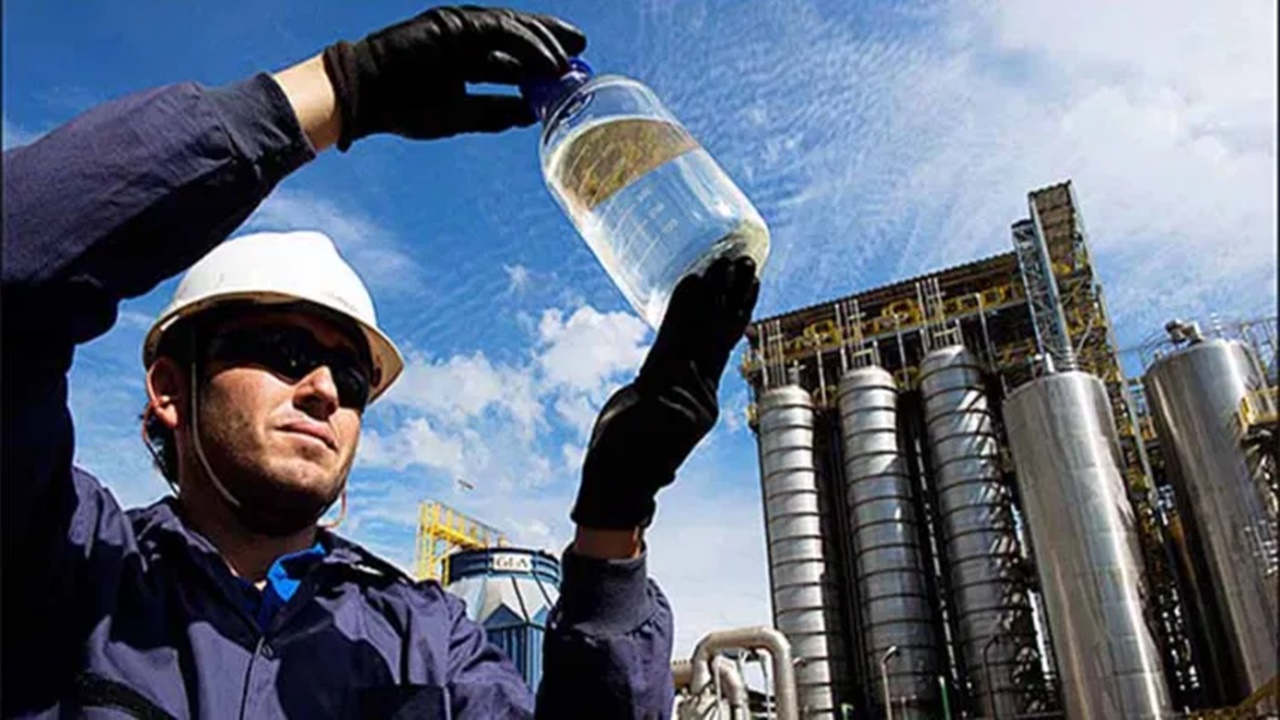
Brazil Emits 17 Million Tons of CO2 Today. Of This Total, 4% of All Its Emissions Originated from Aviation. The Use of Biofuels from Organic Waste Is an Alternative for Emission Reduction
Brazil has enormous potential to become a major producer of aviation biofuel, but this will depend on the country’s ability to leverage waste from sugarcane bagasse and straw, the timber industry, used cooking oil, beef tallow, and gases from the steel industry. This is the result of a study by the RSB – Roundtable on Sustainable Biomaterials, which is part of the Fuelling the Sustainable Bioeconomy project, funded by Boeing Global Engagement – and this topic will be addressed at the Biofuture Summit II/BBEST2020-21 conference from May 24 to 26, virtually.
Read Also
- Petrobras President and Mayor of Macaé Meet to Discuss Job Creation and Investments in Ports, Construction of Power Plants and Expansion of the Airport in the City
- Honda, One of the Most Important Automakers and Motorcycle Manufacturers in the World, Stops Developing and Manufacturing Gasoline and Diesel Combustion Engines
- Gasoline, Ethanol, and Diesel Prices Continue to Rise, Lawmakers Refuse to Change ICMS Amid Soaring Fuel Prices and Petrobras ‘Pays the Price’
- The First All-Electric Plane Prepares to Fly; Aircraft Has Impressive Range with a Single Charge of Its Giant Lithium-Ion Batteries
The research shows that Brazil has the capacity to produce 9 billion liters of aviation biofuel from waste, and aviation biofuels have a CO2 emission reduction potential of 60% to 85%, compared to fossil energy sources. This volume of bio-kerosene would be sufficient to supply the domestic market and still allocate some for export.
The RSB’s Latin America New Business leader, Maria Carolina Grassi, explains that the focus of the research is to create technical, political, and economic foundations to encourage the development of the aviation biofuels sector in Brazil. “SAF, Sustainable Aviation Fuel, is the best alternative to meet global decarbonization agreements. Brazil’s agricultural vocation and ethanol legacy ensure that the country is in a position to be a major or even the largest producer and exporter of biofuels,” she states.
-
A study reveals the expansion of renewable energy procurement in Brazil and shows how companies are taking advantage of opportunities to reduce expenses, ensure energy efficiency, and strengthen strategic environmental commitments.

-
Mato Grosso do Sul excels in the sugar-energy sector: the state reaches a milestone of 22 operating mills and accelerates the production of clean energy in MS with a focus on sustainability.

-
National energy dilemma: Brazilians support clean energy but reject increases in tariff costs to finance the sustainable transition.

-
Research indicates that Brazilians support clean energy and wish to advance in the energy transition, but reject paying more on their electricity bill, showing a direct conflict between cost and sustainability.


“Brazil emits 17 million tons of CO2 today. Of this total, 4% of all its emissions come from aviation. The use of biofuels from organic waste is an alternative for emission reduction,” Grassi said.
Aviation Industry Sets Ambitious Goals to Reduce Carbon Dioxide Emissions by 50% by 2050
The aviation industry is committed to reducing the environmental impact of its operations and has set ambitious goals, such as achieving carbon-neutral growth and reducing carbon dioxide emissions by 50% by 2050. Currently, the aviation sector accounts for about 11% of global CO2 emissions from the transportation sector, which represents about 1 billion tons of CO2 per year.
Boeing, one of the pioneers in this movement, is working to ensure that this technology is increasingly used by the aviation sector. The company wants to remain alongside Brazil on this journey, which can position the country as a leader in the development of sustainable fuels and in meeting carbon emission reduction targets, says Boeing Brazil’s Managing Director and VP of Global Policies, Landon Loomis.
Routes for Producing Aviation Biofuel from Waste
- Cane bagasse is generated during the milling of sugarcane, while sugarcane straw is recovered from the field;
- Wood waste is generated during the harvesting operations of planted eucalyptus forests;
- Combustion gases released from steel refining. These processes are suitable for ethanol production using a fermentation technology;
- Beef tallow is obtained by separating waste generated during carcass cleaning, such as bones, entrails, and fat;
- Cooking oil waste comprises the residual oil from frying generated in households or food services.
Source: RBS study, Maria Carolina Grassi, RSB Latin America New Business leader.
Biofuture Summit and Brazilian Bioenergy Science and Technology Conference
Biofuture Summit, the leading conference for debate and exchange of experiences in public policies, promoted by the Platform for the Biofuture, an intergovernmental coalition for promoting low-carbon bioeconomy, joined forces with the scientific conference Brazilian Bioenergy Science and Technology (BBest) to hold a joint event, shedding light on the most advanced policies, financing, technologies, and science related to bioenergy and bioeconomy in all its forms.
Representatives from governments, international organizations, the business sector, and researchers from over 30 countries participate in the event. The Biofuture Summit II/BBEST2020-21 will be entirely online and takes place from May 24 to 26. For more information, click here.
The Platform for the Biofuture was designed to address climate change and support the Sustainable Development Goals, with international coordination for advancing sustainable low-carbon bioeconomy. It was launched in Marrakech during the COP 22 climate negotiations in November 2016.
The Platform for the Biofuture has twenty member countries: Argentina, Brazil, Canada, China, Denmark, Egypt, Finland, France, India, Indonesia, Italy, Morocco, Mozambique, Netherlands, Paraguay, Philippines, Sweden, United Kingdom, United States, and Uruguay. As an initiative involving multiple stakeholders, various international organizations, universities, and private sector associations are also engaged and involved as official partners. For more information, visit: www.biofutureplatform.org.
Apex-Brasil Works to Promote Brazilian Products and Services Abroad and Attract Investments to Brazil
The Brazilian Agency for Promotion of Exports and Investments (Apex-Brasil) works to promote Brazilian products and services abroad and attract foreign investments to strategic sectors of the Brazilian economy.
To achieve this, Apex-Brasil carries out diverse commercial promotion actions aimed at boosting exports and enhancing the value of Brazilian products and services abroad, such as trade missions, business rounds, support for Brazilian companies’ participation in major international fairs, visits from foreign buyers and opinion makers to understand Brazil’s productive structure, among other business platforms, which also aim to strengthen the Brazil brand.
The Agency also operates in coordination with public and private actors to attract foreign direct investments (FDI) to Brazil, focusing on strategic sectors for the development of competitiveness of Brazilian companies and the country.










Seja o primeiro a reagir!