





 Portuguese
  English
  Spanish
  3 min of reading
  36 comments


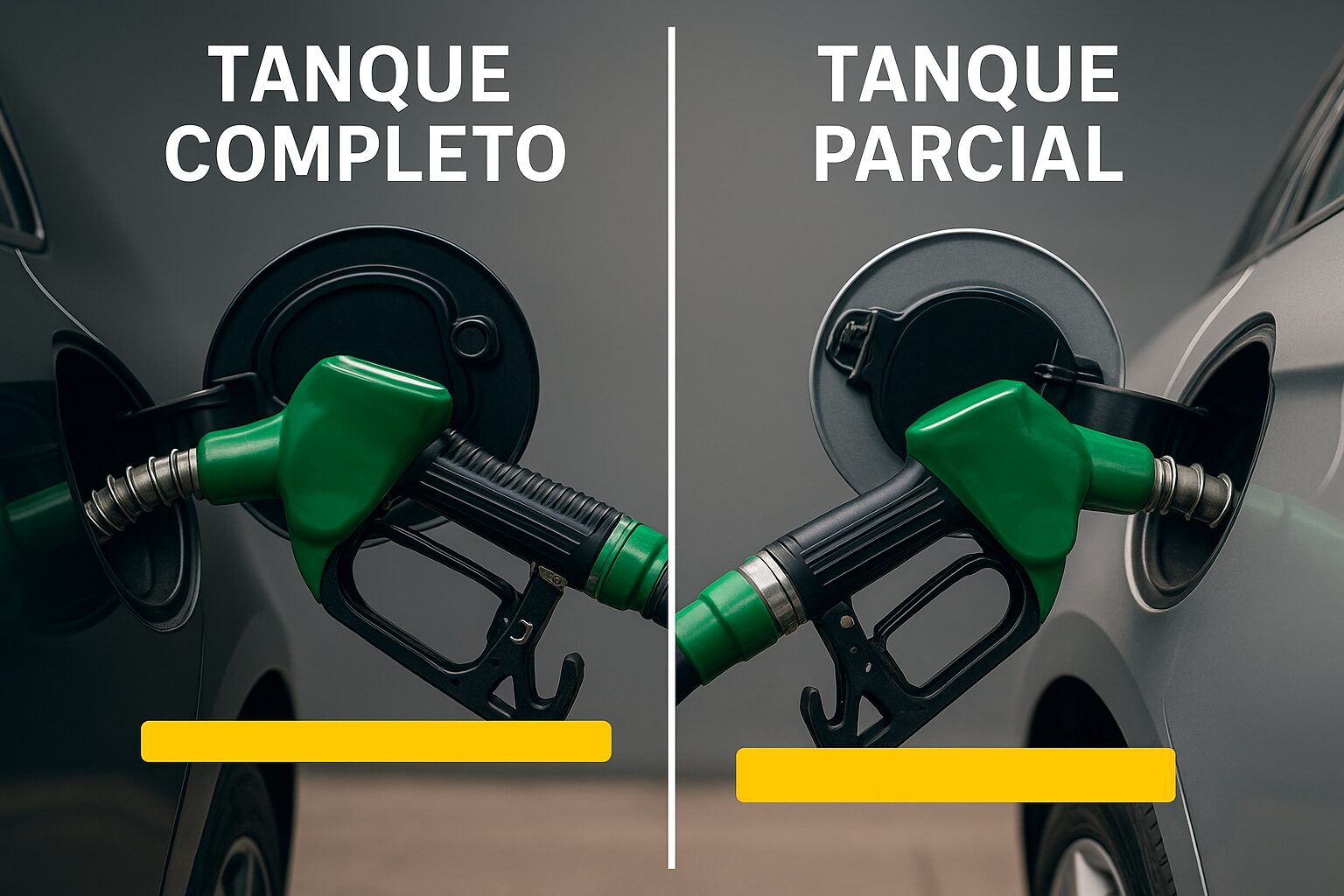

Fueling to the Brim May Seem Excessive, But Experts Show That a Full Tank Reduces Waste, Improves the Engine, and Helps Save Fuel
With the price of fuels continuously rising, many drivers are trying to find ways to save. A common question is whether it makes sense to fill the tank completely or to only make partial refuels.
Even though it may seem beneficial to put less fuel in at a time, experts and manufacturers like Toyota recommend keeping the tank always full.
How Many Kilometers Does the Uno Mille 1.0 Make with 2 Liters of Gasoline? See the Real Test
ARTICLE CONTINUES BELOWSee also
The Argentine government celebrates the lowest poverty rate in 7 years, but experts warn that the methodology has changed, real wages have fallen, unemployment has risen, and the number of people on the streets of Buenos Aires has increased by 57% since Milei took office.

7.8 magnitude earthquake in Indonesia frightens the population, triggers tsunami alert, and hits an island with over 200,000 inhabitants this Thursday.

Google will finally let you change that embarrassing Gmail address you created in your teenage years without losing any accounts, logins, or old emails: the feature is already available in the United States.

Heading to Brazil in a Bonanza F33 single-engine aircraft: a couple departs from Florida on a visual flight, makes technical stops in the Caribbean to refuel and organize paperwork, and begins the staged crossing until they reach the country.

This recommendation is based on important technical factors. One of the main reasons is related to fuel evaporation.

When the tank has little fuel, there is more space filled with air. This air comes into contact with the fuel and promotes evaporation.
This loss, although not visible, can increase expenses in the long run and even harm the engine’s functioning. By filling the tank completely, the contact area with the air is reduced, thus minimizing this type of loss.
Full Tank Helps the Engine Run Better
The evaporation of fuel in empty tanks has an explanation in physics. The more air inside the tank, the easier evaporation occurs.
This process compromises the vehicle’s performance and efficiency. There is also a common belief that the extra weight of a full tank could increase consumption.
However, experts say that this impact is very small. The benefits of keeping the tank full outweigh this weight difference.
The technical recommendation is clear: a full tank reduces evaporation losses and contributes to the good functioning of the engine. This applies to both gasoline and diesel vehicles, as well as flex models.
Other Ways to Save Fuel
In addition to keeping the tank full, other practices help reduce fuel consumption and emissions. Some of them include:
– Using gears correctly and avoiding hard accelerations;
– Checking tire pressure frequently;
– Driving smoothly, without unnecessary braking and acceleration;
– Removing extra weight from the car that is not needed;
– Planning routes to avoid traffic jams and long paths.
The Engine Heats Better in Motion
Another common habit among drivers is to accelerate with a cold engine, believing that this helps it heat up faster. However, according to the General Traffic Directorate (DGT), both gasoline and diesel cars heat up better when in motion. Accelerating with a cold engine can cause wear on parts and increase consumption.
Following these guidelines helps spend less and also preserves the vehicle for a longer time. Small daily habits can make a difference in your wallet and in the environment.
With information from Correio Braziliense.








Concordo plenamente 👏🏻👏🏻👏🏻👏🏻
Tá bom, campeão…
Só me diga como consigo encher um tanque com os filho-da-**** da Uber, 99 e o **** jogando o valor do Km no chão!
Artigo de filho da ****!
Shalom, tudo certo! Obg