





 English
  Francês
  Alemão
  Italiano
  Japonês
  Norueguês
  Portuguese
  Spanish
 5 min of reading
  0 comments


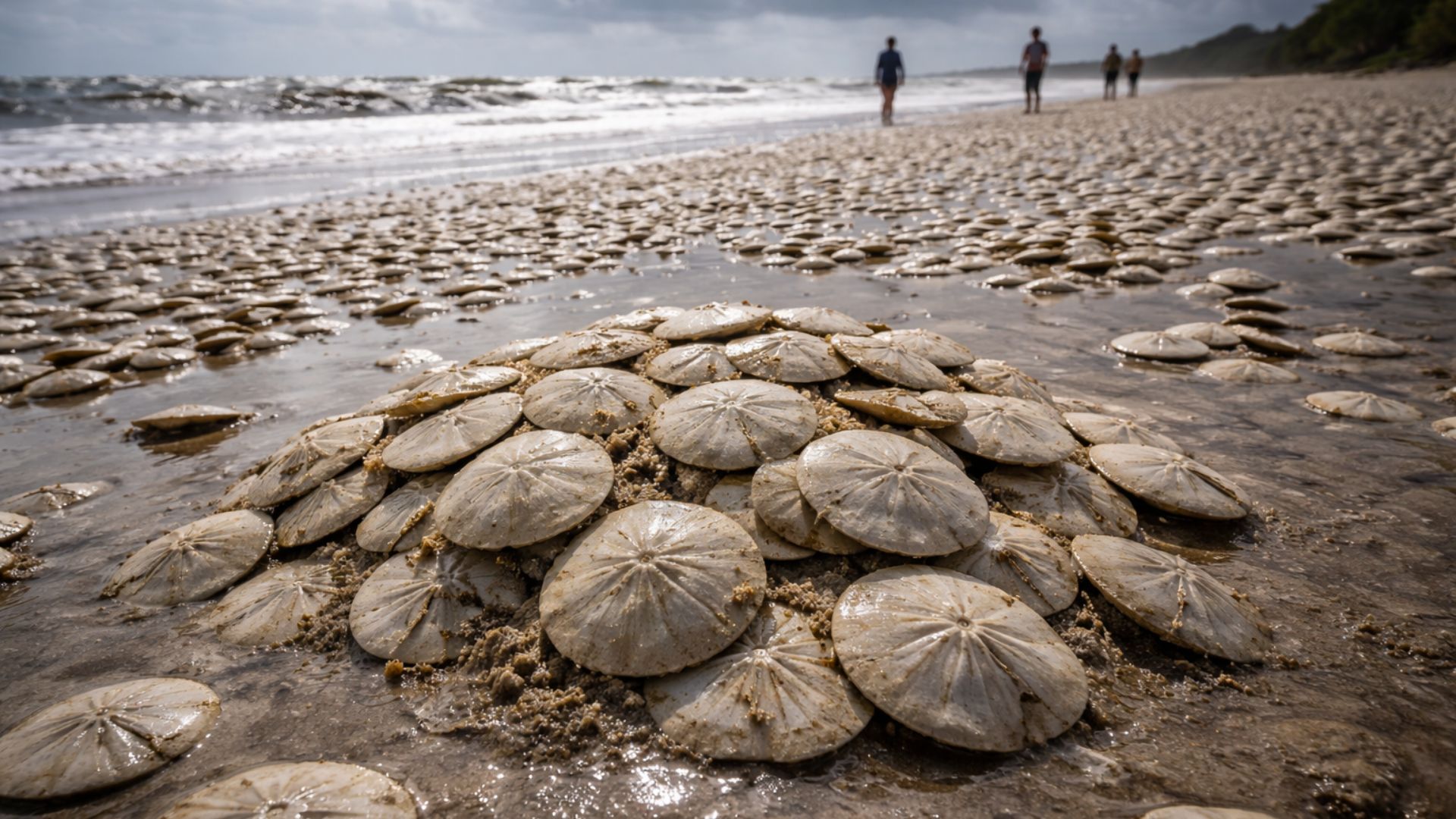
Natural phenomenon associated with the swell and the behavior of the species led thousands of sea cookies to the sand strip in Ilha Comprida, mobilizing technical analysis and targeted management actions to reduce impacts without compromising coastal environmental balance.
The appearance of thousands of sea cookies on the sand strip of Ilha Comprida, on the southern coast of São Paulo, was classified by the city hall as a natural phenomenon associated with the swell, rough seas, and the biological dynamics of the species.
The record occurred on March 8, 2026, and days later, the municipal administration released a note based on a technical analysis from the Forest Foundation of the State of São Paulo, which ruled out the need for widespread intervention along the entire beach and advised targeted actions only in the most critical sections.
Stranding of sea cookies and sea conditions
According to Technical Note 002/2026, the large-scale stranding involves specimens of Mellita quinquiesperforata, a species that lives in shallow waters, on sandy bottoms, and in clusters near the breaking waves.
-
Seen from space, a colossal ‘Y’ cuts through the largest desert in China, blending a jade-filled river, red and white mountains, and revealing the absurd scale of the transformation of the Taklamakan surrounded by a green wall with billions of trees.

-
The Pacific Ocean reveals what the cliffs of Big Sur have hidden for millennia: Pfeiffer Beach, in California, features swirling purple sand formed by garnet crystals and displays a stone arch that is illuminated by the sun in winter for just a few days each year.

-
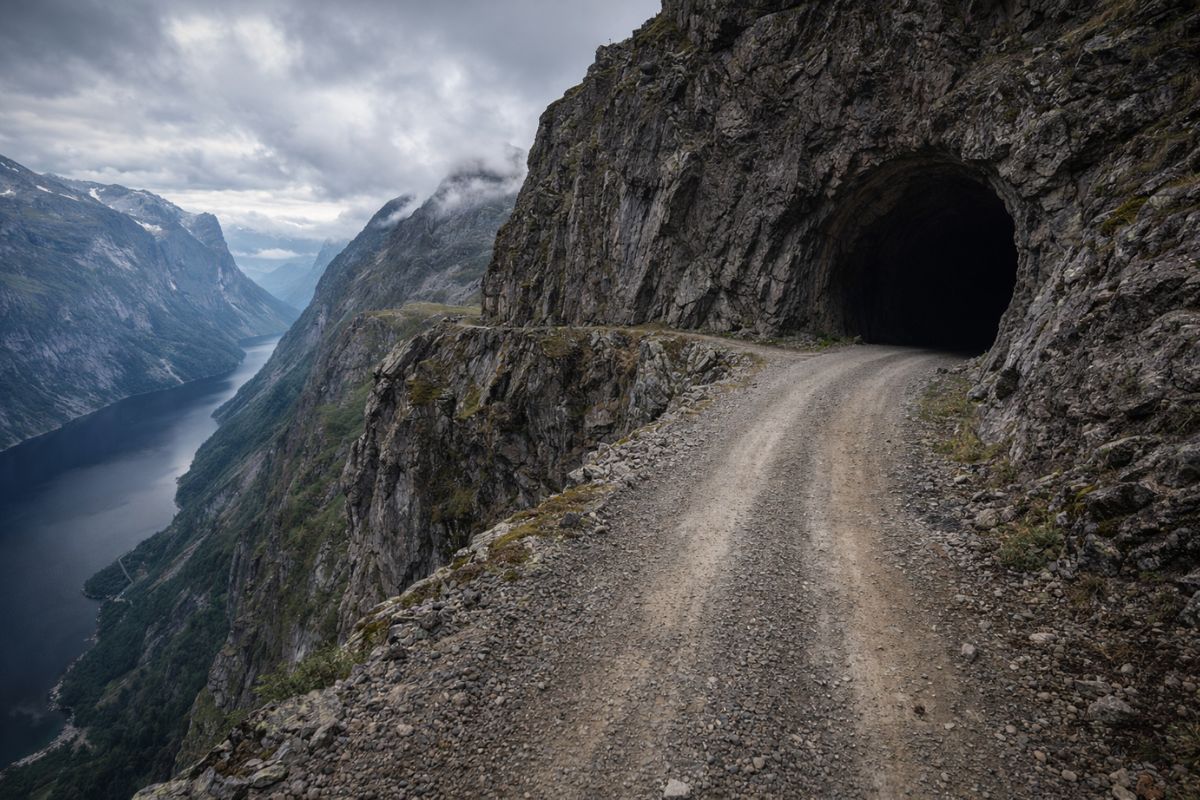
Aursjøvegen in Norway is a 100-kilometer gravel road that crosses chasms and dark tunnels carved into the rock at an altitude of 947 meters in the fjords and is only open for four months a year.
-
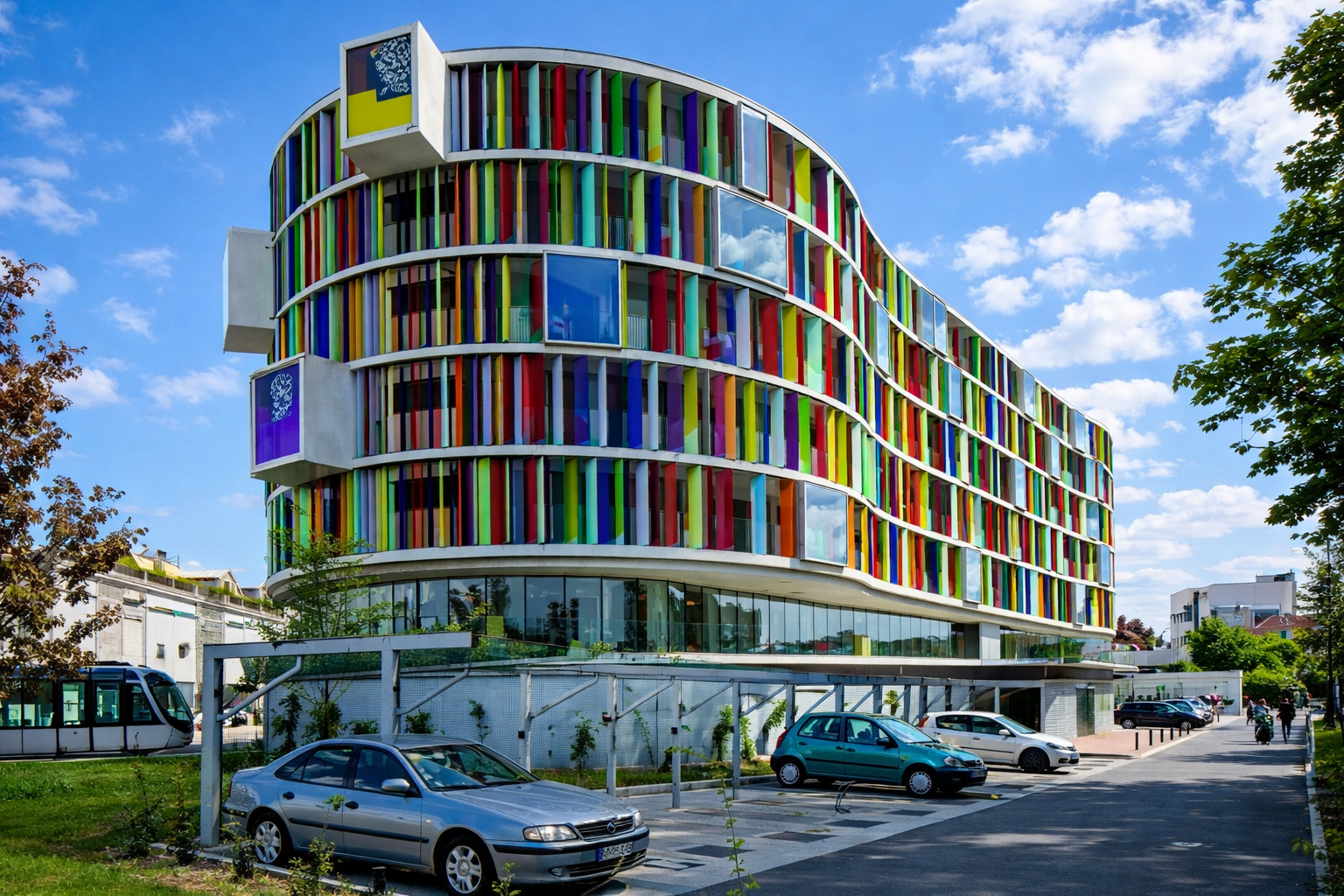
With about 4,000 m², the building constructed in a traditional neighborhood in France looks like a rainbow, has a colorful facade, mixes vibrant glass, and creates one of the most unusual visuals in Bordeaux.

In this condition, changes in the sea and weather can displace the organisms to the sand, especially when there is a swell combined with a cold front and more intense waves.
The foundation itself recorded that the episode coincided with these environmental conditions on the weekend when the creatures appeared.
The official analysis informs that the case was verified along an extensive stretch of the beach and prompted the city hall to inquire about the possibility of controlled cleaning.

The document points out that the high tide and the swell deposited a large quantity of sea cookies on the sand strip, a situation that began to generate odor and discomfort for residents, merchants, and beachgoers.
The Forest Foundation treated the episode as an ordinary local demand and produced specific guidance for the municipality.
Behavior of the species helps explain the phenomenon
In addition to the action of the waves, the note mentions the natural behavior of the species as a relevant factor for understanding the stranding.
The technical opinion reproduces the assessment of a specialist consulted by the management of the protected area, according to which these organisms live aggregated in shallow regions subject to wave dynamics and, depending on the time of year, may be closer to the breaking point.
When the sea worsens, these clusters end up being dragged and stranded.
This pattern is consistent with scientific records about the species in Brazil and in other parts of the Atlantic, which describe the presence of Mellita quinquiesperforata in shallow sandy substrates, below the tide line, and in coastal areas influenced by wave energy.
Academic studies also indicate that the distribution of these organisms varies according to the local characteristics of the beach and the surf zone, which helps explain why such episodes can arise concentrated in certain periods.
Natural recomposition is a priority in environmental management
Although the scene caught the attention of those who circulated along the shore, the main guidance from the Forest Foundation was to respect the natural recomposition process.
Instead of automatically removing all organisms, the opinion indicates that, whenever possible, the dynamics of the tides should follow their course so that the movements of the sea promote the natural burial of the sea cookies.
The recommendation considers the ecological balance of the sand strip and the least impact on the coastal environment.
Still, the document acknowledges that the case of Ilha Comprida presented an exceptional condition.

As the concentration occurred in an extensive area and with a large volume of dead individuals, the simple closure of the entire affected strip was considered impractical.
In this context, the foundation authorized controlled measures to reduce the inconveniences to the population, provided they are executed with technical criteria and with the least possible impact on the beach.
The first indicated alternative was manual raking in the most sensitive areas, using light equipment.
The objective is to avoid excessive disturbance of the sand and preserve the coastal dynamics.
Use of machines is restricted to critical areas
Only when this procedure is not feasible, or when there is a very high accumulation in specific points, the technical note admits the restricted use of machinery, always limited to the areas of highest concentration.
In the points where mechanized removal is necessary, the foundation advises the opening of small trenches at the upper part of the sand strip for the proper disposal of the organisms.
The technical text also emphasizes that the measure should not be indiscriminately expanded throughout the beach.
In areas with a smaller quantity of sea cookies, the recommendation is not to carry out mechanical intervention, precisely to avoid unnecessary damage to the coastal ecosystem.
Monitoring and official response from the municipality
The city hall stated that it began to conduct actions based on these guidelines and informed that it continues to monitor the situation.
The official communication from the municipality reinforces that the measures adopted seek to reconcile public use of the beach with environmental preservation, within the applicable regulations for protected areas in the region.
The municipality also highlighted that the response was built based on the opinion of the agencies responsible for local environmental management.
Common species, but mass occurrence catches attention

Sea cookies are echinoderms and are usually known to the public mainly when they appear dry on the beach, but their occurrence in large quantities still causes strangeness.
In the case of Ilha Comprida, what made the episode unusual was not the isolated presence of the species, but rather the mass stranding observed in a single temporal stretch, with immediate repercussions among residents and merchants due to the odor and the visual impact on the sand.
The foundation itself records that there were reports on social media and official channels of the city hall about the extent of the problem.
The publication from the city hall about the case aired on March 19, 2026, at 2:08 PM, already with a direct reference to the technical note from the Forest Foundation.
The document, in turn, brings electronic signatures dated March 18 and 19 and was issued within the scope of administrative process 262.00002234/2026-76.
These records help situate the institutional response given after the mass appearance observed on March 8.
In detailing the adopted strategy, the involved agencies avoid treating the episode as an unexplained event or as an automatic sign of contamination.
The technical reading presented so far associates the stranding with already recognized oceanographic and biological factors, with targeted management only where the accumulation of dead organisms brought direct effects on the routine of the beach.
The trend indicated in the opinion is to preserve the natural functioning of the coast whenever possible, restricting interventions to situations where the recorded volume effectively justifies action.








Seja o primeiro a reagir!