





 Portuguese
  English
  Spanish
  3 min of reading
  0 comments


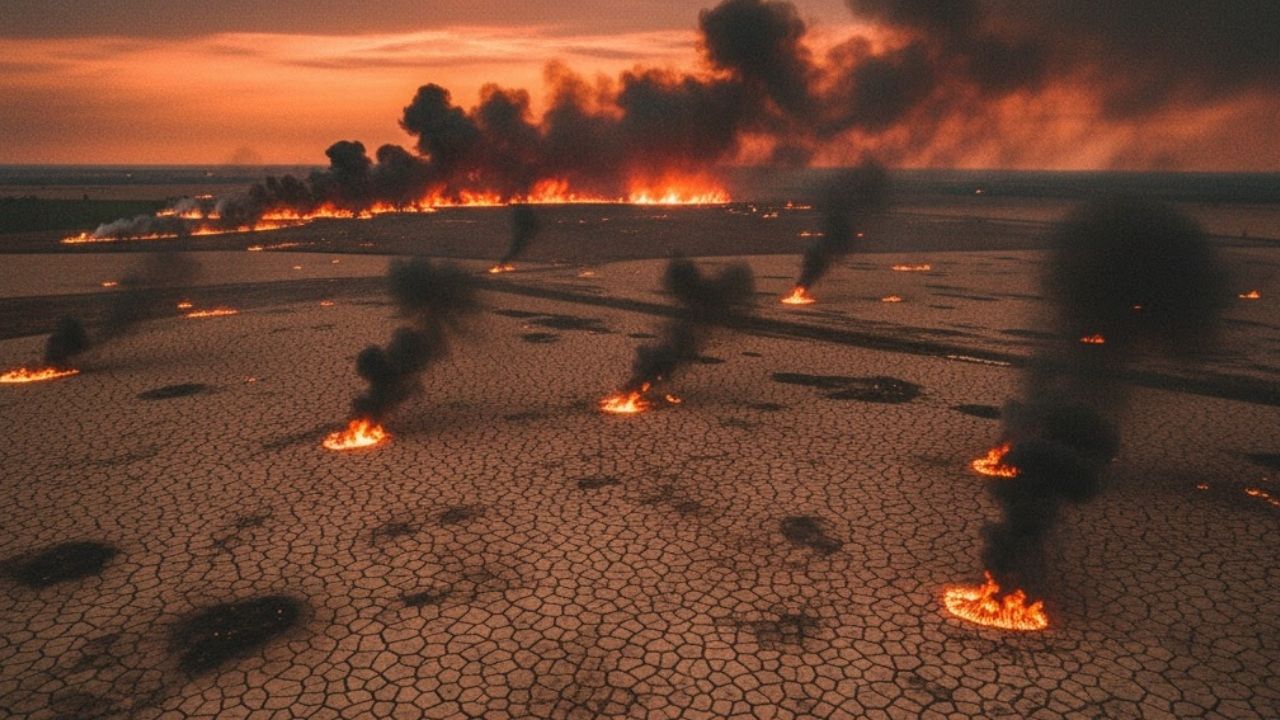
Agricultural Crisis: Droughts, Fires, and El Niño Cause Losses of R$ 250 Billion. Threat to the Amazon and Flying Rivers Intensifies Sector Vulnerability.
The national agriculture faces a scenario of colossal financial losses due to the water crisis and the increase in fires. Between 2013 and 2022, Brazil recorded a total of R$ 250 billion in losses.
The agricultural production alone lost about R$ 186 billion due to water scarcity. Additionally, the livestock sector recorded a loss of R$ 64 billion in the same period.
However, it is important to emphasize that new drought events have been reported from 2023 to 2024, signaling that the real losses could be even more substantial.
-
The eggshell that almost everyone throws away is made up of about 95% calcium carbonate and can help enrich the soil when crushed, slowly releasing nutrients and being reused in home gardens and vegetable patches.

-
This farm in the United States does not use sunlight, does not use soil, and produces 500 times more food per square meter than traditional agriculture: the secret lies in 42,000 LEDs, hydroponics, and a system that recycles even the heat from the lamps.

-
The water that almost everyone throws away after cooking potatoes carries nutrients released during the preparation and can be reused to help in the development of plants when used correctly at the base of gardens and pots, at no additional cost and without changing the routine.

-
The sea water temperature rose from 28 to 34 degrees in Santa Catarina and killed up to 90% of the oysters: producers who planted over 1 million seeds lost practically everything and say that if it happens again, production is doomed to end.


Therefore, the vulnerability of agriculture to changes in rainfall patterns requires immediate attention.
The Devastating Force of Fires and the Influence of El Niño
The year 2024 marked an alarming increase in the burned area, totaling over 30.8 million hectares, a 79% increase compared to the previous year.
This advance of fires is directly related to the occurrence of the phenomenon El Niño.
The study indicates that the specific loss resulting from the fires reached R$ 14.7 billion. Of this total, R$ 8 billion were recorded in livestock and pasture.
In turn, sugarcane areas lost R$ 2.7 billion.
The impact was severe across various biomes, but the Amazon was the most affected, driven by rainfall below historical levels, according to the report.
“The Amazon was the biome most affected by the fires, driven by rainfall below historical levels,” states the document.
In the Cerrado, another crucial biome for Brazilian agriculture, 9.7 million hectares were burned. This represents a 47% increase compared to the average of the previous six years.
Low Irrigation
One of the factors that makes Brazilian agriculture so vulnerable to extreme events, such as droughts, is the low adoption of irrigation systems.
Based on 2022 data, the survey shows that only 13% of the country’s agricultural area had irrigation coverage.
Thus, most agriculture relies entirely on rainfall.
“As a result, Brazilian agriculture becomes vulnerable to changes in rainfall patterns. Indeed, significant losses have been observed due to the occurrence of drought,” points out the study.
The lack of investment in irrigation, combined with the reduction in rainfall volume, exacerbates losses in agriculture during drought periods, a cycle intensified by the climate crisis and El Niño.
The Role of the Amazon and the Crisis of the “Flying Rivers”
The Amazon plays a crucial climatic role, being the source of the so-called “flying rivers.”
They are wind currents that transport the moisture generated by the forest through evapotranspiration, bringing rain to other regions of the continent, including important agricultural areas in the Midwest and Southeast.
However, the study warns that the loss of vegetation, driven by deforestation, compromises this vital function. The forest loses its ability to recharge the atmosphere with water vapor, reducing the volume of rainfall along the wind paths.
“The comprehensive intersection between the trajectory of the flying rivers and the agricultural regions highlights the potential impacts of deforestation on the sector,” warns the report.
In other words, the damage caused to the Amazon directly results in more droughts and more fires in producing regions.
Researchers from CPI/PUC-Rio and the Amazon 2030 project emphasize that this reduction in rainfall, combined with low irrigation coverage, is a significant driver of the losses recorded by agriculture during drought periods.
Therefore, protecting the Amazon is an essential economic strategy for the sustainability of the sector.









Seja o primeiro a reagir!