





 Portuguese
  English
  Spanish
  5 min of reading
  0 comments



Automotive Innovations Don’t Always Appeal to Brazilians, and Some Bold Projects Have Become Classic Examples of Industry Failures. Discover Five Ideas That Made History and Provided Important Lessons for Automakers.
Few areas accumulate as many tests as the Brazilian automotive industry.
Among resounding successes and cases of lasting success, there are plenty of failed automotive ideas that became references for what not to do in the national market.
Five examples, arising at different times and under varied contexts, ended up being rejected by the public and today serve as a warning to automakers that insist on innovating without understanding local culture.
-
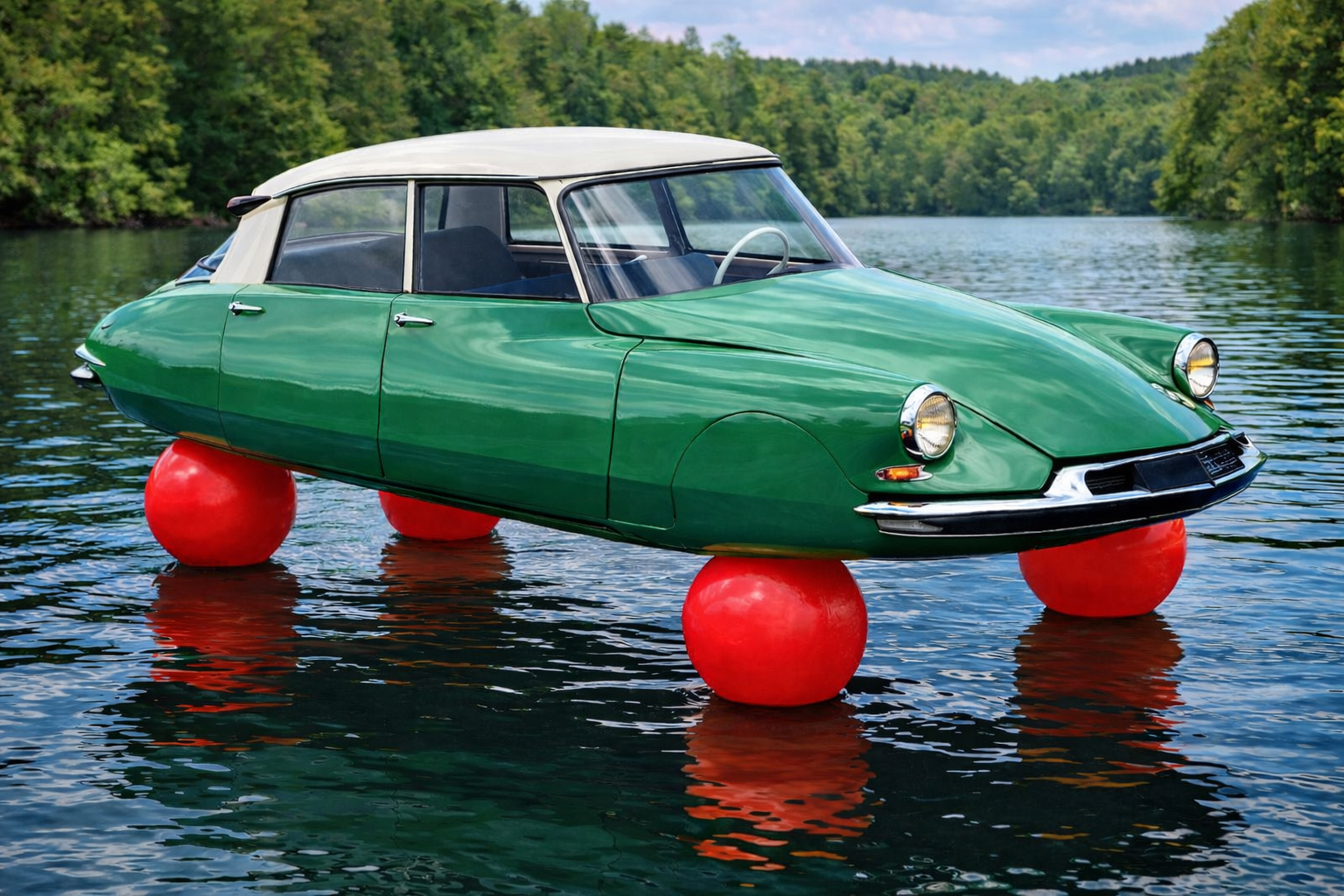
A French brand placed a car on four huge red balloons to prove that its suspension made the vehicle “float,” and the surreal scene became one of the most iconic and unusual images in automotive history.
-
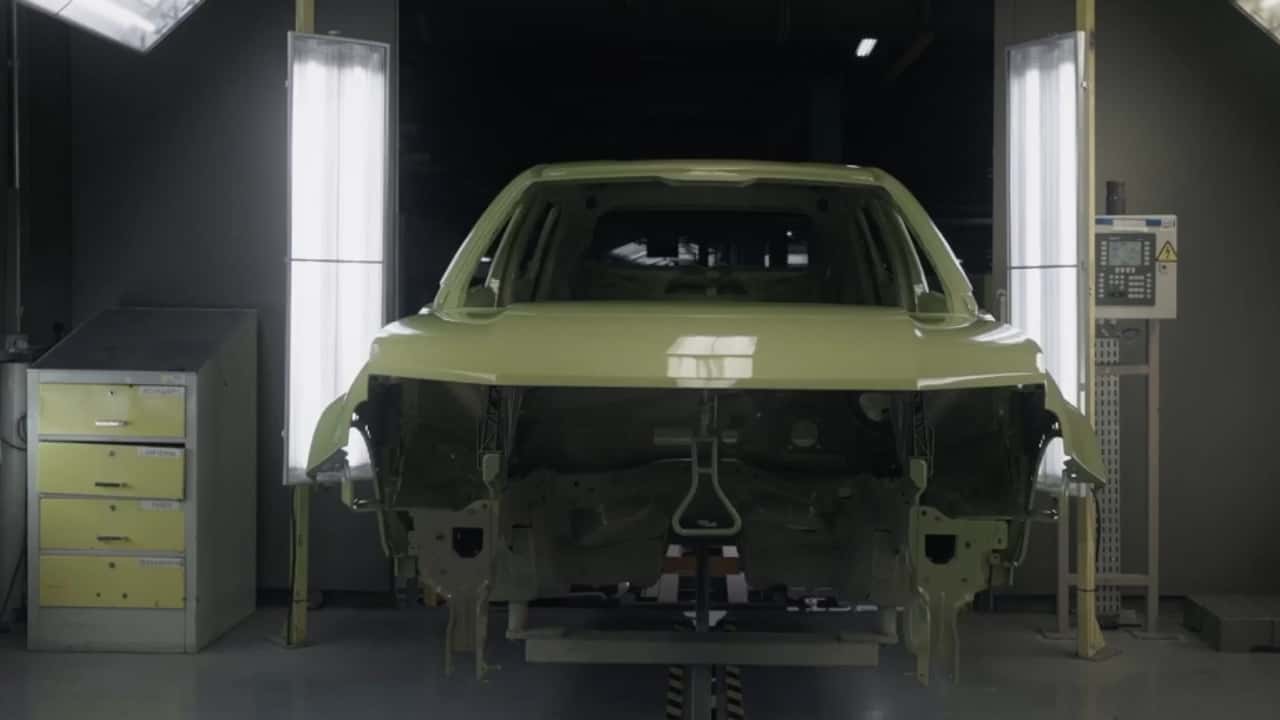
Jeep Avenger begins production in Brazil, debuting as the brand’s new entry-level SUV and inaugurating an unprecedented phase by becoming the first national Jeep manufactured outside of Goiana, as part of a R$ 3 billion plan.
-
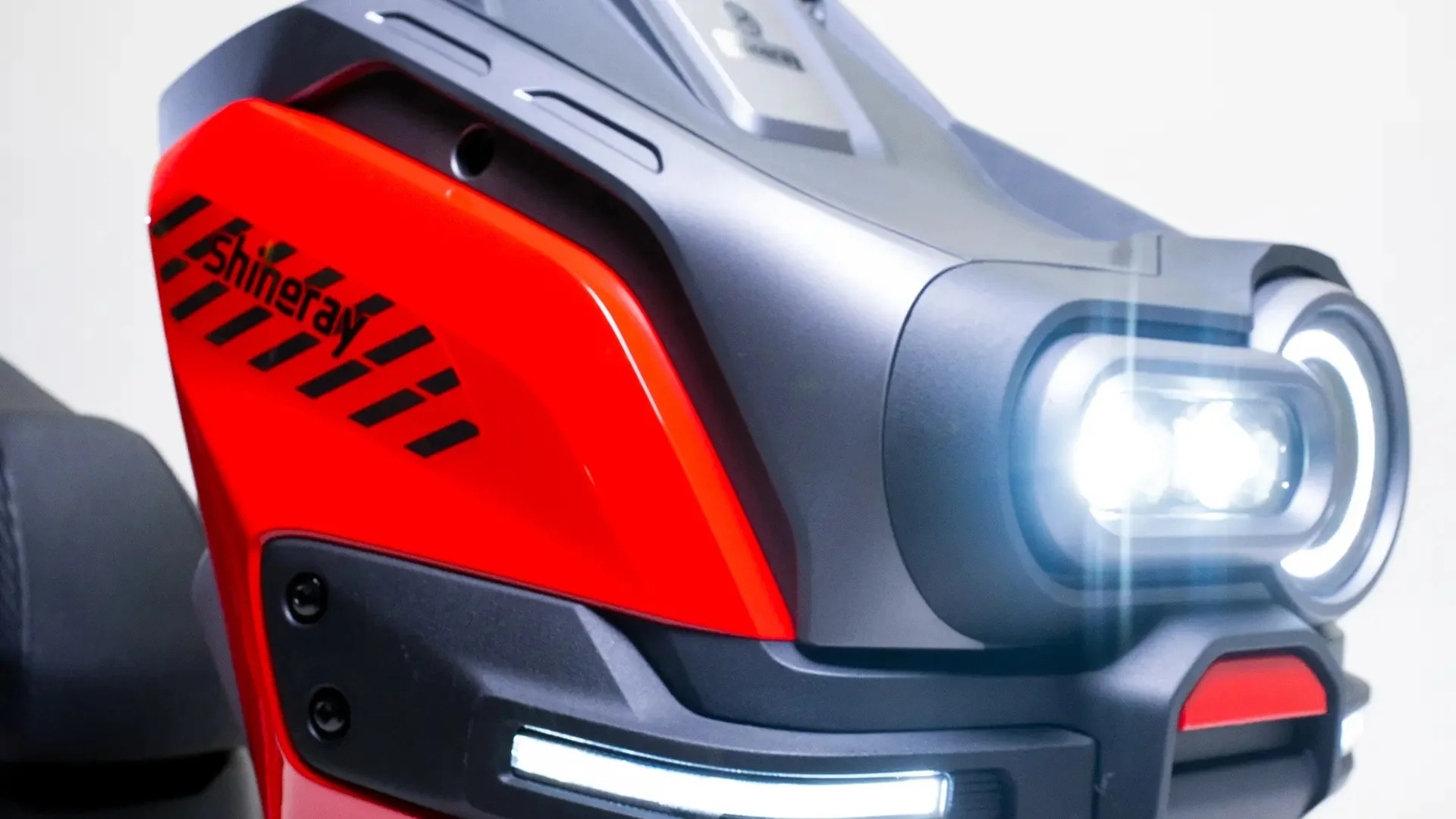
Costing R$ 12,490, the new Shineray Urban Lite 150 “cheap one” arrives in Brazil with a CVT transmission, digital dashboard, and LED lights, making it more affordable than the Biz and targeting those who want to abandon the bus.
-
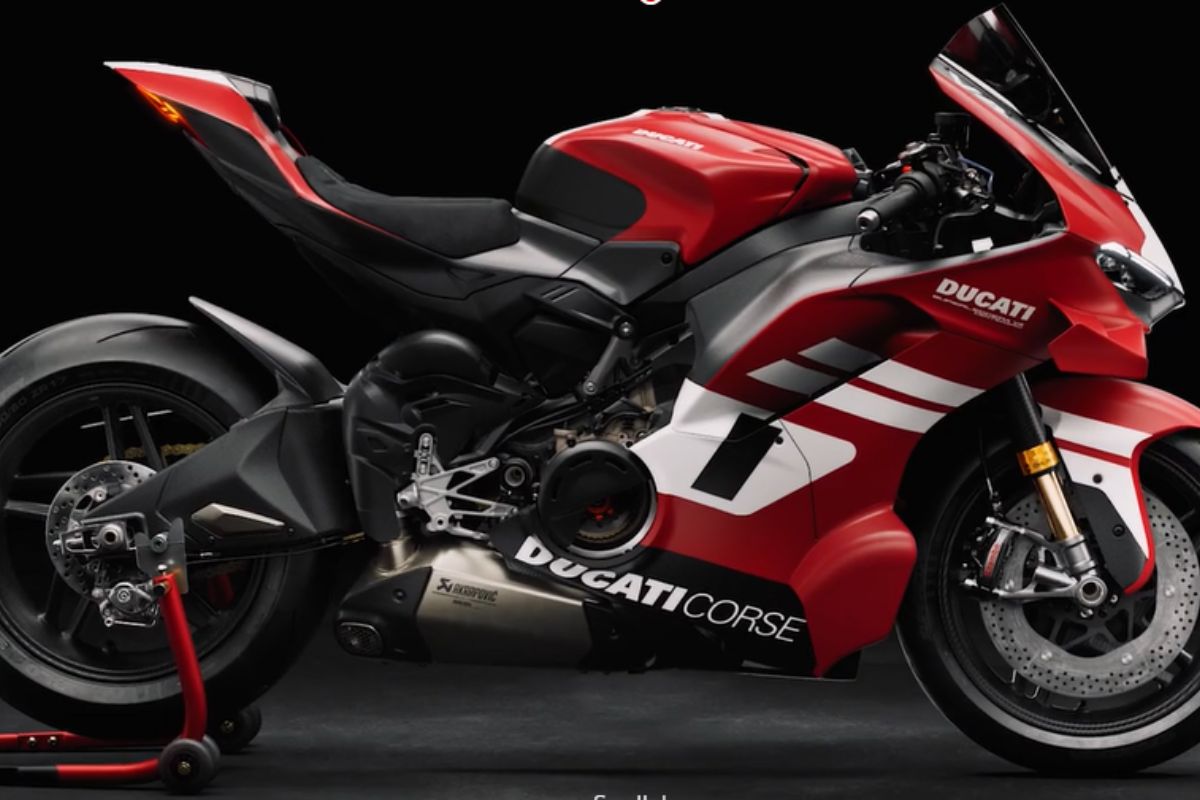
Ducati brings to Brazil the Superleggera V4 Centenario: 228 hp that become 247 with a track kit, carbon fiber and carbon-ceramic brakes, estimated price between R$ 1.5 and 2 million, deliveries only in 2027.

Adventure Sedan: A Trend That Didn’t Convince
The “adventure wave” took shape in 1999 with the Palio Weekend Adventure.
Raised suspension, robust plastics, and all-terrain tires attracted attention by offering, at an affordable price, SUV-like features at a time when real SUVs were expensive.
From there, failures in the automotive industry tried to emulate the recipe.
Hatchbacks, station wagons, and pickups received Cross, Adventure, Active versions…
Only a sedan was missing.
The opportunity arose in 2019 when Renault adopted the CVT gearbox in the Logan 1.6.
Due to technical requirements, the assembly was installed two centimeters lower than the manual, forcing the brand to raise the car and install plastic moldings in the wheel arches.
This is how the unusual Logan CVT Adventure was born, launched in January 2020.
The public turned up their noses: sedans require an elegant look and a low center of gravity.
Result? Fewer than 9,000 units sold until discontinuation in November 2021, according to data from Fenabrave.
The three-volume body, after all, does not align with the off-road proposal.
Automated Clutch Transmission: Accessible Technology, Criticized Performance
In the 2000s, having an automatic transmission was still a privilege of mid-range and large vehicles.
To popularize convenience, Fiat, Volkswagen, Chevrolet, and Renault introduced automated gearboxes, respectively named Dualogic, I-Motion, Easytronic, and Easy-R.
Technically, it was a conventional manual operated by electronic actuators.
The idea reduced costs by up to 30% compared to a conventional automatic — a strong argument during the dollar surge in 2008.
In practice, however, the slow shifts and frequent jerking drove consumers away.
Software improvements launched between 2012 and 2016 smoothed some jolts, but not enough.
The peak occurred in 2014, with 110,000 units sold; in 2023, fewer than 6,000 were sold.
Today, only pre-owned models persist — and with low liquidity.
The technology was eventually overshadowed by conventional six-speed automatics and, more recently, CVTs.
Extended Cab: Extra Space, Reduced Bed
North American mid-size pickups made the extended cab famous, featuring occasional seats behind the main seats.
The trend arrived here in the 1990s with the Ford F-1000, Chevrolet S10, Dodge Dakota, and Ford Ranger.
All failed in a short time.
The Brazilian, unlike the North American, values a spacious bed for cargo or a usable second row in everyday life.
The Fiat Strada extended the format in 1999: as the model was only 4.4 m long, the gain in cabin space cost little bed space and served urban customers.
Even so, the solution couldn’t escape its fate: since 2021, the Strada has only offered single or double cab versions with four doors; the extended cab has been phased out — yet another example of failed automotive ideas that did not resonate with Brazilian streets.
Four-Seater Microcars: Economy That Didn’t Convince the Public
If carrying five people is rare in traffic, offering less than the standard becomes a commercial risk.
The first Ford Ka (1997-2007) was a guinea pig: the back seat with only two seatbelts scared off families intending to buy the subcompact as their first car.
The lesson forced Ford to stretch the wheelbase in 1999 and eventually adopt the fifth seat in 2002.
Subsequent cases confirmed the rule.
Volkswagen up!, Fiat Mobi, and Renault Kwid, all smaller than 3.7 m, have been homologated for five occupants since launch.
Meanwhile, the BYD Dolphin Mini arrived in March 2024 with four seats.
In September, the brand rushed to offer a five-seat version, ensuring a 20% increase in sales by February 2025, according to Anfavea.
In Brazil, a subcompact may be simple, but it cannot restrict the fifth passenger.
Touch Buttons: Modern Design, Questioned Usability
Minimalist panels emerged as a trend just over ten years ago.
The 2014 Honda City removed physical buttons for the air conditioning in favor of touch-sensitive controls.
Volvo went further in 2022, replacing the headlight switch, mirrors, and even glove box opening with virtual icons.
The interface looked modern, but required drivers to take their eyes off the road, adding precious seconds of distraction.
Latin NCAP ergonomics tests indicated a 30% increase in the time required to operate basic functions.
In light of the negative feedback, Toyota, Honda, Stellantis, and Volvo began reintroducing physical buttons starting in 2023.
Physical buttons returned – and the extreme touch trend became yet another automotive industry failure.
Lessons from Automotive Failures in Brazil
Experts cite two recurring factors.
First, the habits of Brazilian drivers, who prioritize robustness, space, and resale ease.
Second, the context of our roads: potholes, ramps, and heavy traffic punish unadapted solutions.
When a product and reality do not meet, a new page is born in the album of failed automotive ideas.
In parallel, consumers gained a voice on social media.
Complaints spread in minutes, pressuring automakers to reconsider projects with unprecedented speed.
It was the case with the adventure Logan, recalled in under two years, the automated gearboxes retired before their first decade, and the “100% screen” panels that are now giving way to analog-digital hybrids.
In summary, the five experiences reveal that daring remains necessary, but deeply understanding the audience has become mandatory.
Among raised sedans, single-clutch transmissions, reduced beds, limited seats, and virtual buttons, the main hard lesson for automakers is clear: the Brazilian market adopts technology when it solves real problems — not when it merely seems ingenious.
And you, do you remember another invention that seemed revolutionary but “died” on Brazilian streets?









Seja o primeiro a reagir!