





 Portuguese
  English
  Spanish
  2 min of reading


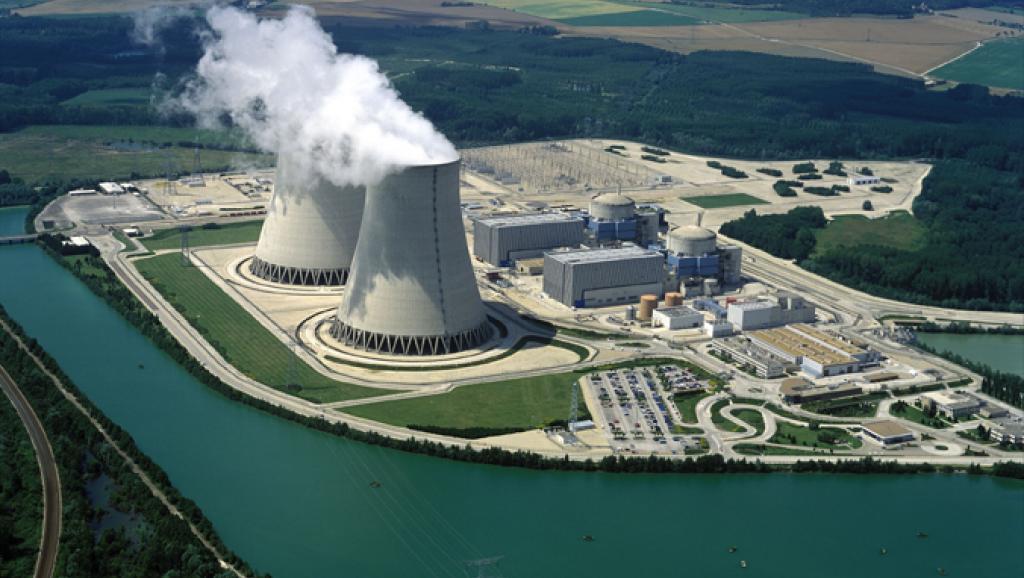
The Municipality of Itacuruba, in Pernambuco, Would Be Chosen to Host Up to Six Nuclear Power Plants, According to the Government’s Intent to Revive the Brazilian Nuclear Program.
According to Click Petróleo e Gás, in January of this year, the government has been conducting studies for some time to choose the location for its new nuclear plants.
The Current Government’s Intention Is to Build Up to Eight Nuclear Power Plants and according to Carlos Mariz, the technical advisor of the Brazilian Association for the Development of Nuclear Activities (Abdan), who worked on evaluating these locations with Coppe/UFRJ, the best place in the Northeast would be the municipality of Itacuruba, in the state of Pernambuco.
According to the specialist, the municipality was chosen because it would have the capacity to host up to six plants and complies with Coppe/UFRJ’s parameters regarding water availability, a certain distance from the population, tectonic stability, and other factors.
Furthermore, that location has nearby transmission lines, roads, cities with good infrastructure around, has water, and a foundation with non-sandy soil.
-
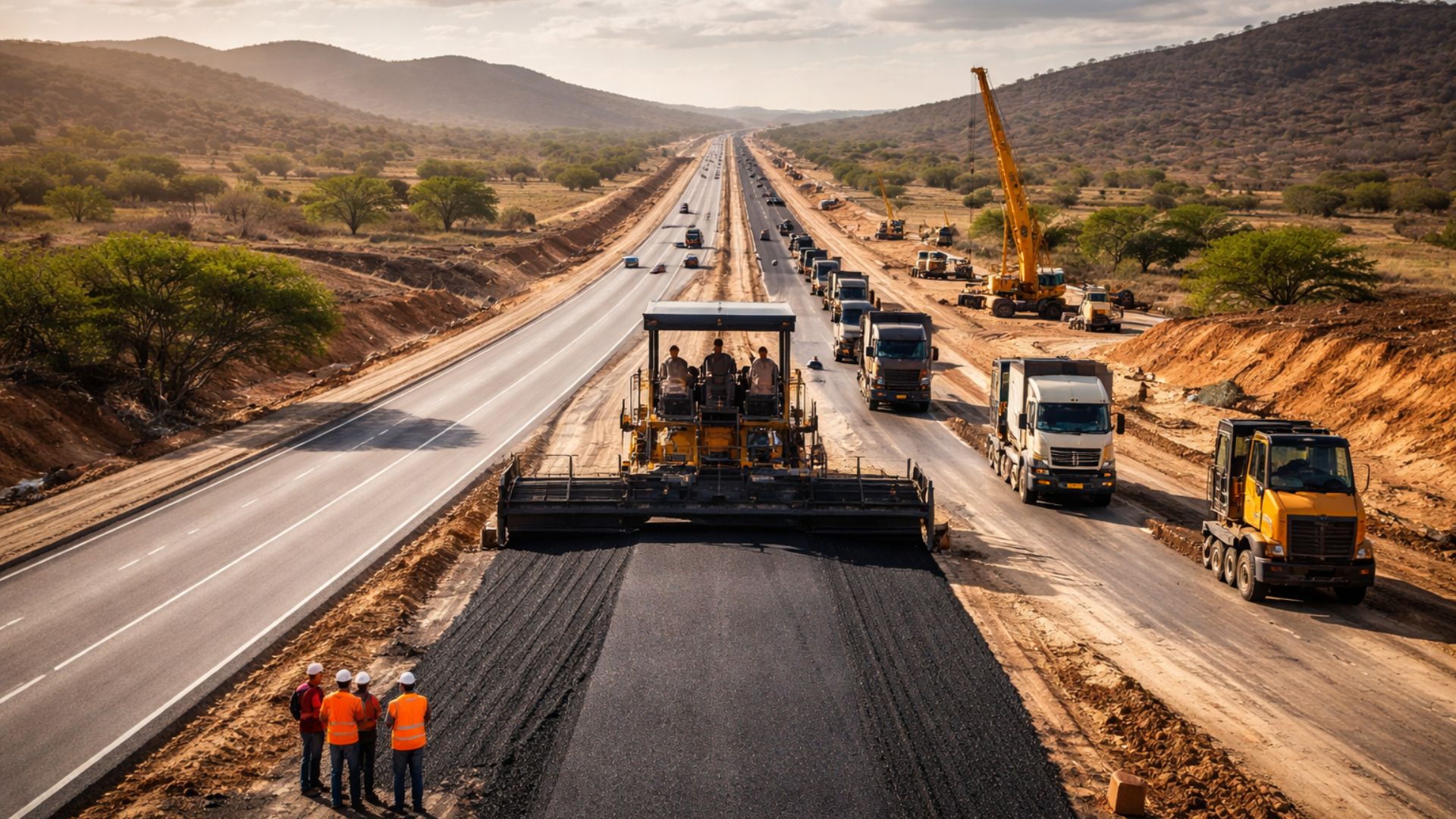
Government unlocks R$ 554 million for a highway that has been requested for decades and accelerates the duplication of BR.
-
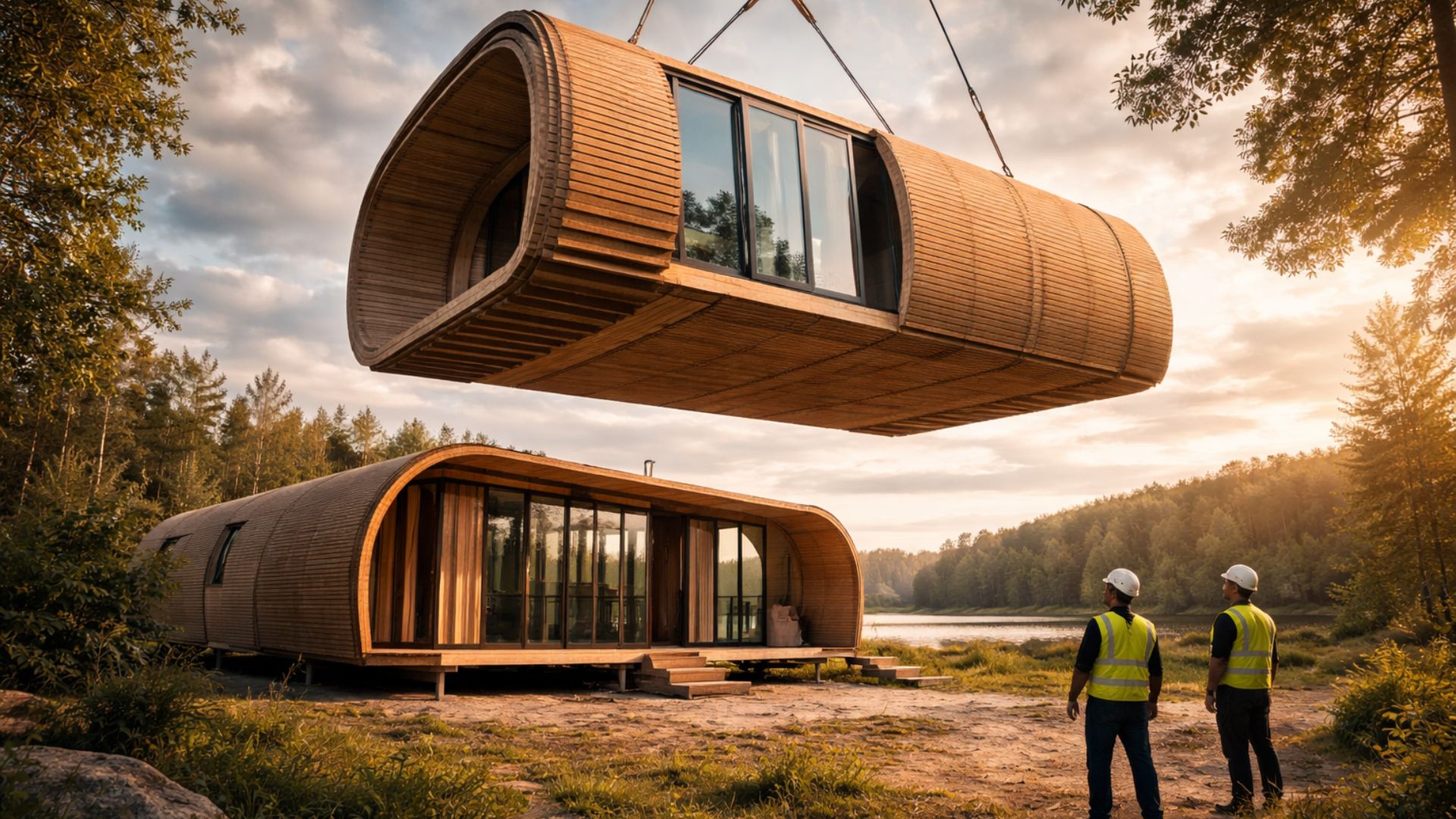
Without bricks, without cement, and without endless construction: the cardboard house that is assembled in modules and can be moved.
-
Billions of barrels on the equatorial margin could lead Amapá to double its oil production in Brazil — the state aims to enter the route of companies in the Campos Basin, attract investments, and boost jobs and businesses in the oil and gas sector.

-
Without bricks, without cement, and without endless construction: the cardboard house that is assembled in modules and can be moved.
Suape of the Sertão
He also declared that the Northeast would be immensely benefited by the implementation of the Nuclear Power Plants, as the chosen municipality would transform into a new Suape of the Sertão, due to the immense socioeconomic benefit this project could bring to the Northeast region.
Mariz stated that “A plant like this will demand an infrastructure and many workers around the construction” and that “a hub would be created around the plant, with industries and constructions.”
The specialist also spoke about the importance of nuclear energy for Brazil and cited the example of China, which has the largest nuclear program on the planet, by far. There are 45 plants in operation and another 13 under construction. It also plans to build another 170.
Even though the Northeast is a potential generator of hydroelectric, wind, and solar energy, Mariz stated that these sources are intermittent, and the greater these sources, the greater the impact; in other words, rains, winds, and sun are uncontrollable and can cause sudden drops and mentioned the São Francisco River, which is increasingly limited in terms of energy generation.









Seja o primeiro a reagir!