Portuguese
  Spanish


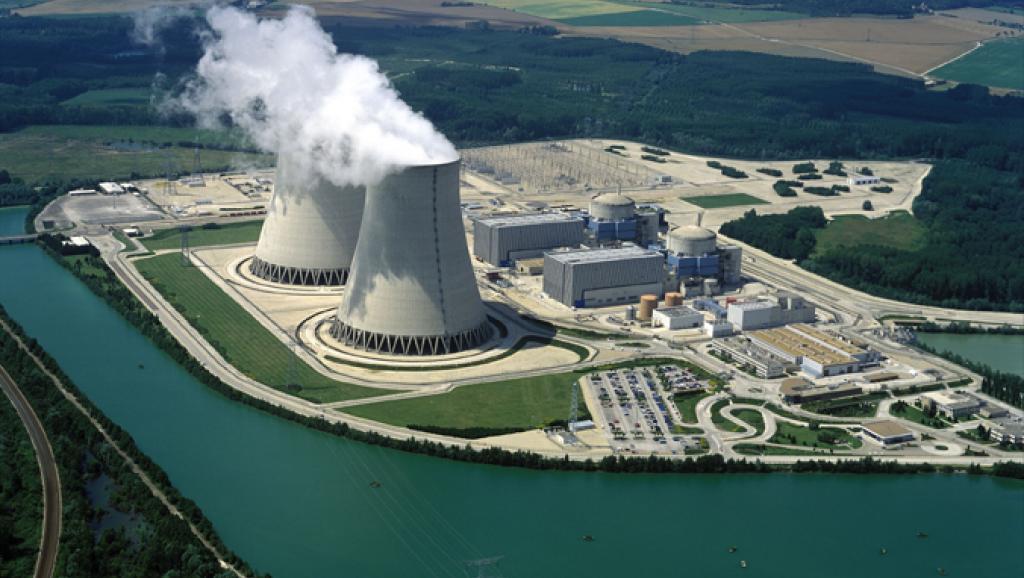

The Municipality of Itacuruba, in Pernambuco, Would Be Chosen to Host Up to Six Nuclear Power Plants, According to the Government’s Intent to Revive the Brazilian Nuclear Program.
According to Click Petróleo e Gás, in January of this year, the government has been conducting studies for some time to choose the location for its new nuclear plants.
The Current Government’s Intention Is to Build Up to Eight Nuclear Power Plants and according to Carlos Mariz, the technical advisor of the Brazilian Association for the Development of Nuclear Activities (Abdan), who worked on evaluating these locations with Coppe/UFRJ, the best place in the Northeast would be the municipality of Itacuruba, in the state of Pernambuco.
According to the specialist, the municipality was chosen because it would have the capacity to host up to six plants and complies with Coppe/UFRJ’s parameters regarding water availability, a certain distance from the population, tectonic stability, and other factors.
Furthermore, that location has nearby transmission lines, roads, cities with good infrastructure around, has water, and a foundation with non-sandy soil.
-
U.S. City Faces Dilemma as Study Warns of Sinking Land and Rising Seas: Invest in Flood Defenses, Restore Wetlands, or Relocate?

-
4,000-Year-Old Stone Towers Discovered Across Sardinia, Puzzling Archaeologists About This Mysterious Civilization
-
8-Year-Old Finds 900-Year-Old Viking Bronze Buckle on Swedish Beach While Fossil Hunting
-
China Tests Giant 582-Ton Magnets to Contain Plasma Hotter Than the Sun’s Core, Aiming to Cut Superconductor Costs and Generate First Electricity from “Artificial Sun” by 2030

Suape of the Sertão
He also declared that the Northeast would be immensely benefited by the implementation of the Nuclear Power Plants, as the chosen municipality would transform into a new Suape of the Sertão, due to the immense socioeconomic benefit this project could bring to the Northeast region.
Mariz stated that “A plant like this will demand an infrastructure and many workers around the construction” and that “a hub would be created around the plant, with industries and constructions.”
The specialist also spoke about the importance of nuclear energy for Brazil and cited the example of China, which has the largest nuclear program on the planet, by far. There are 45 plants in operation and another 13 under construction. It also plans to build another 170.
Even though the Northeast is a potential generator of hydroelectric, wind, and solar energy, Mariz stated that these sources are intermittent, and the greater these sources, the greater the impact; in other words, rains, winds, and sun are uncontrollable and can cause sudden drops and mentioned the São Francisco River, which is increasingly limited in terms of energy generation.