





 Portuguese
  English
  Spanish
  5 min of reading
  0 comments


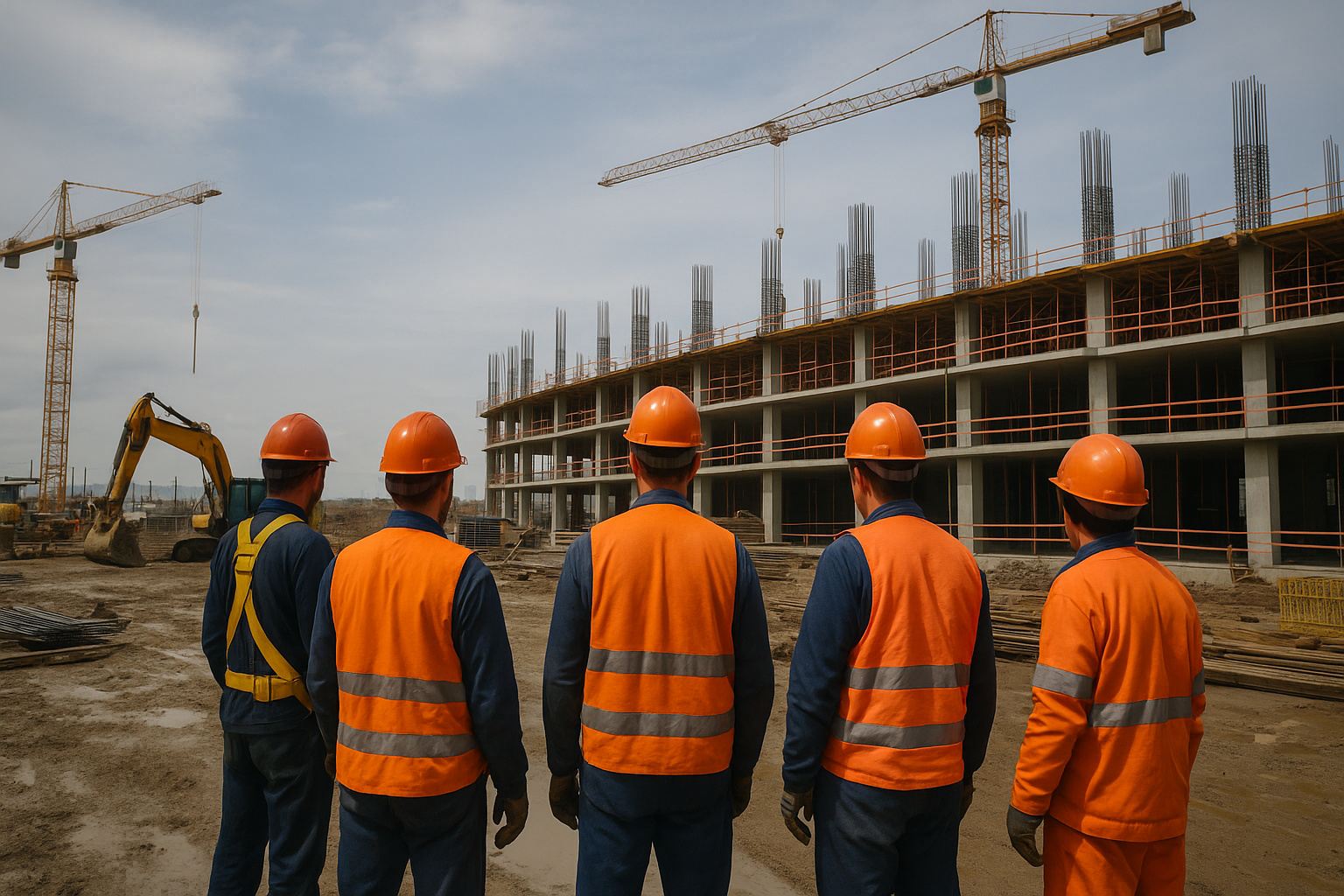
Discover How Safety in Large Constructions Evolved, Which Practices Are Essential and Why It Is Indispensable in Any Engineering Project.
Indeed, safety in large constructions is an essential and current topic, even when looking at the history of civil engineering.
Since ancient times, large projects have always involved risks.
For example, Egyptian pyramids, Gothic cathedrals in Europe, bridges, and skyscrapers only became a reality because thousands of workers operated in complex and often dangerous construction sites.
-
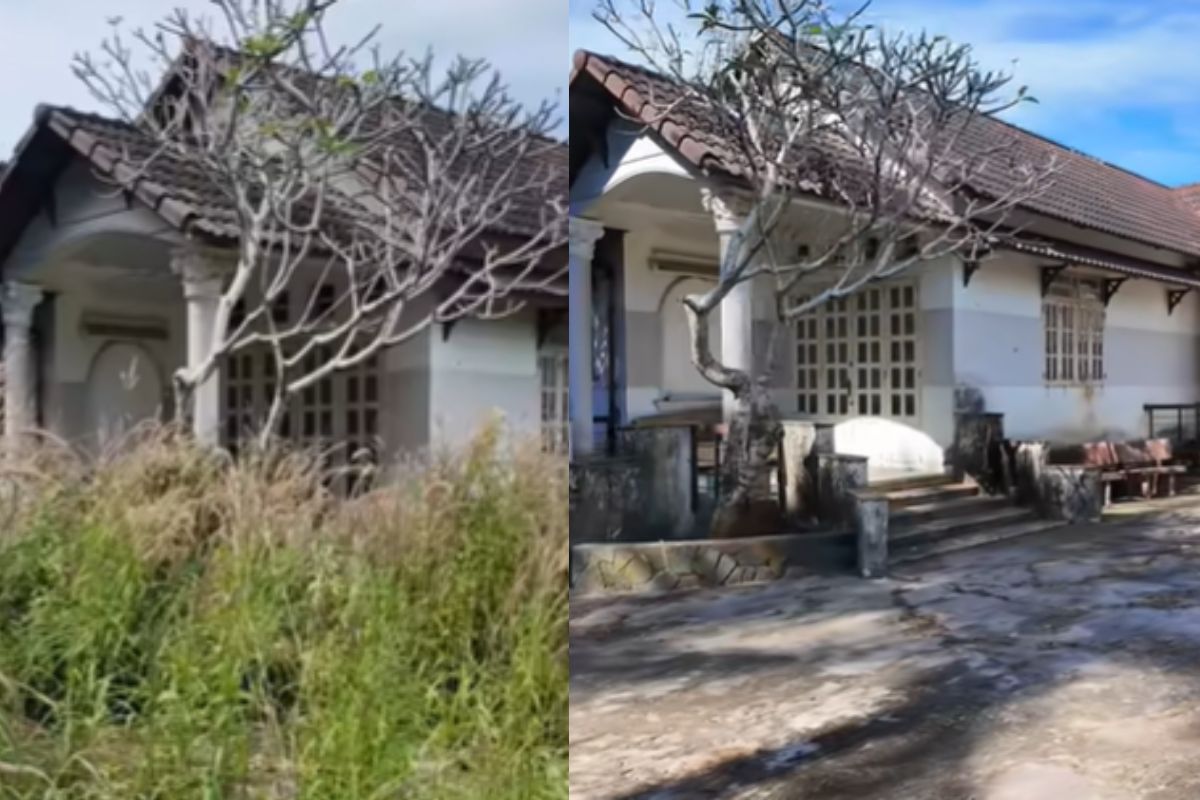
Abandoned house for 15 years disappears in the woods, shocks owner with unrecognizable scenery and is reborn in an intense transformation after almost 90 hours of work in just 10 days.
-
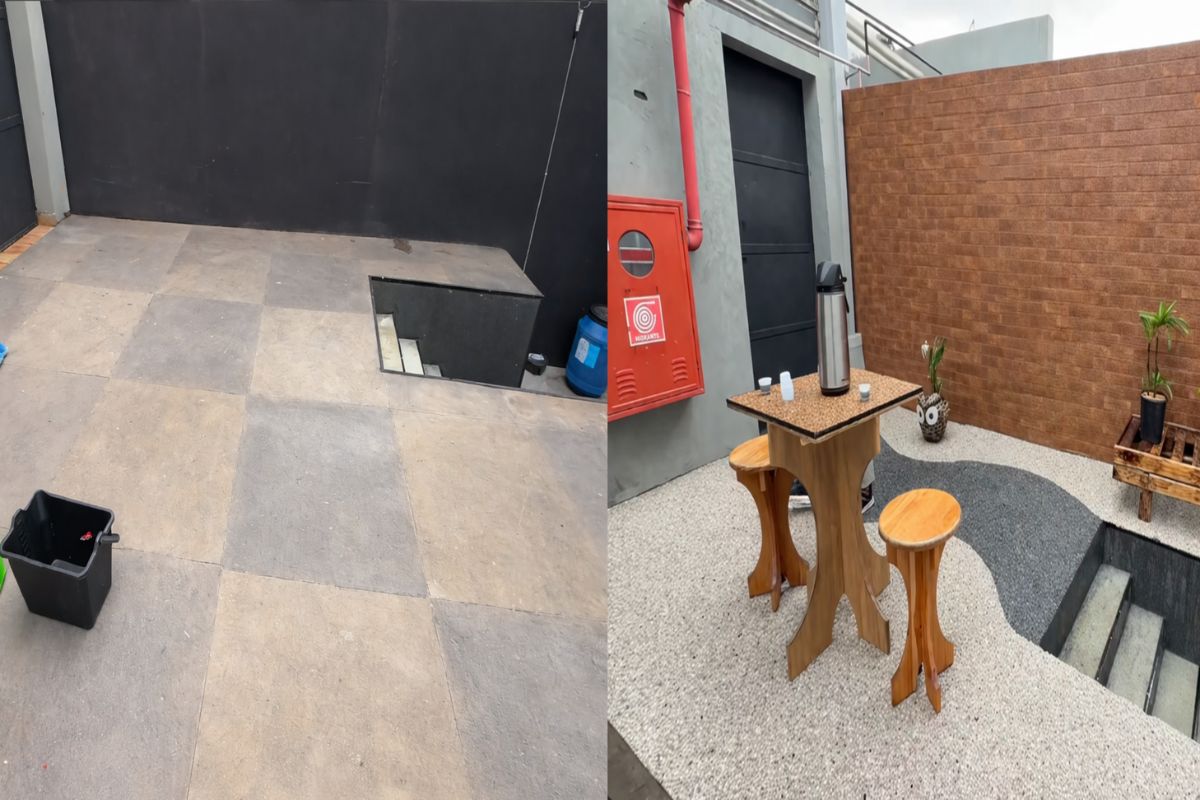
In just three hours, a natural stone floor transforms the entrance of the house with an organic effect, immediate drainage, and a sophisticated non-slip finish that doesn’t puddle water, dries quickly, and impresses with the final result.
-
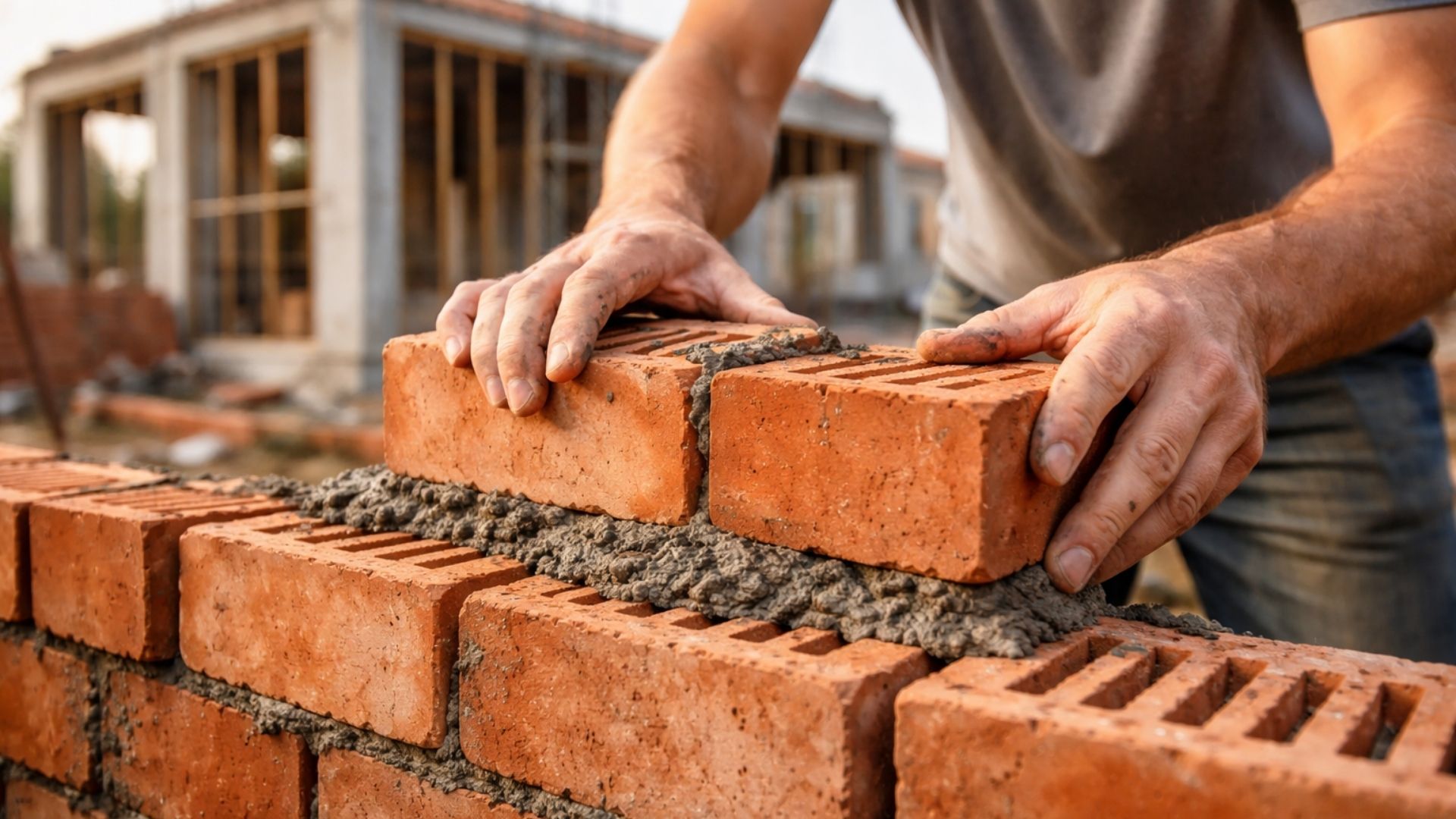
‘Interlocking brick’ made of earth arrives in the construction industry with cost reductions of up to 40% on the project.
-
Espírito Santo will receive the largest engineering project in its history with the duplication of BR 262, which will have 50 viaducts, 28 bridges, and 2-kilometer tunnels cutting through the most challenging mountainous region of the entire state.
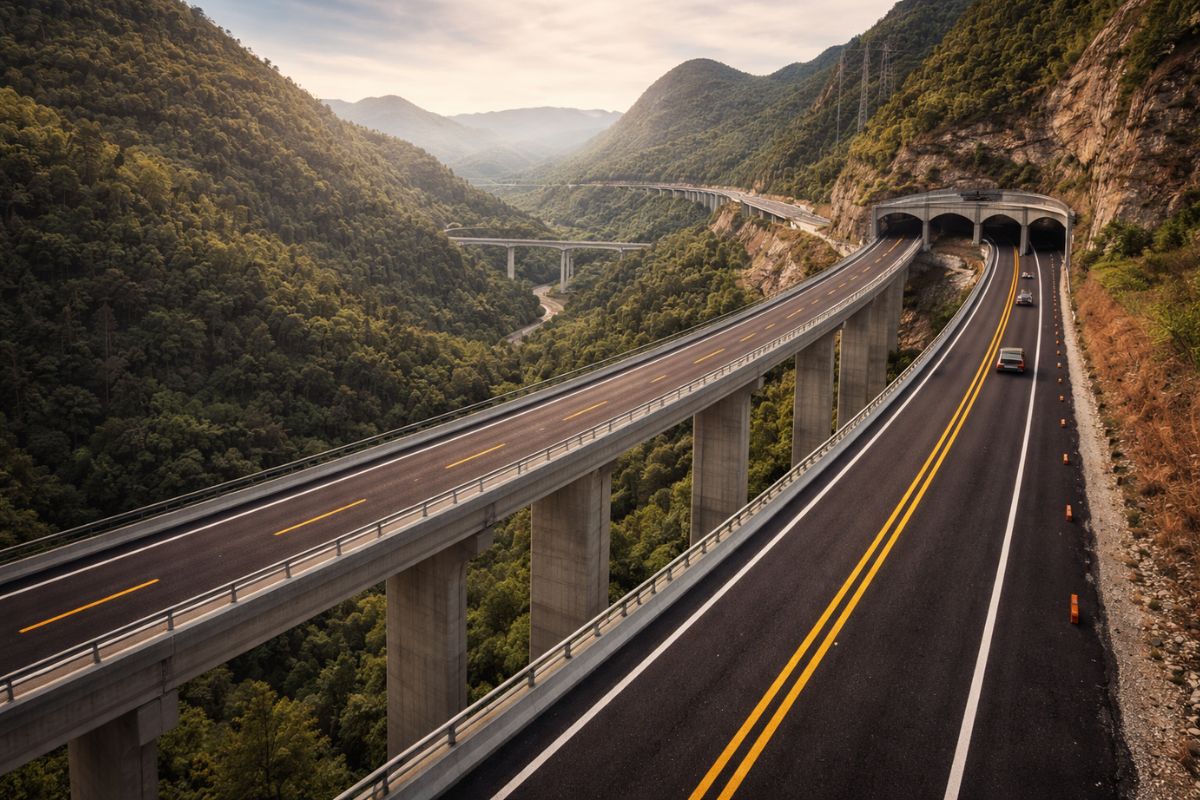

According to the Ministry of Labor and Social Security, in Brazil, the concept of workplace safety practically did not exist before the Industrial Revolution. This changed only from the 20th century onward, with industrial growth and the emergence of laws to protect workers.
In the past, unfortunately, reports of serious accidents on large projects were common, whether due to falls, landslides, or structural failures.
Therefore, the lack of protective equipment and the absence of specific standards made the work environment dangerous.
The construction of the Eiffel Tower in 1889 exemplifies this scenario. According to historical reports cited by the Brazilian Association of Civil Engineering, this pioneering project experienced several accidents.
However, the responsible parties introduced innovative measures such as safety nets, initiating modern safety practices.
Since then, practices and technologies have continuously evolved, always seeking to reduce risks in the work environment.
Today, as explained by the Brazilian Institute of Safety and Health at Work (IBSST), safety in large constructions encompasses a set of technical, organizational, and legal measures to preserve lives and ensure efficiency.
Planning and Training to Prevent Accidents
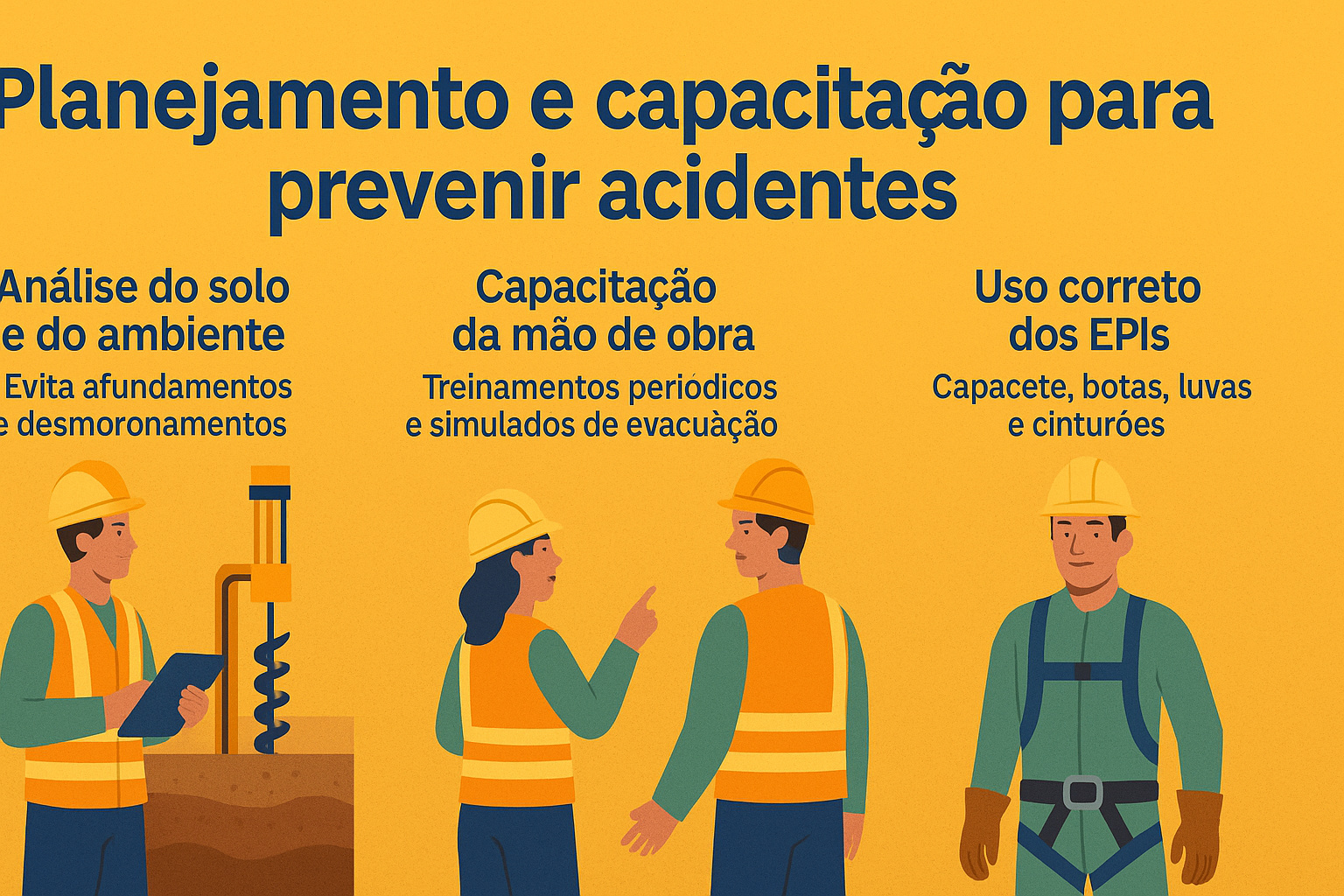
First and foremost, studying the soil and the environment where the construction will take place is essential.
According to the Ministry of Labor and Social Security, geotechnical analyses prevent surprises such as sinkholes and collapses, which put workers and the structure at risk.
Additionally, experienced engineers perform structural planning to ensure that each stage occurs with minimal risk possible.
Another fundamental point is the training of the workforce. In large constructions, various professionals work simultaneously, each with specific functions.
From bricklayers and electricians to crane operators and engineers, everyone needs to understand the risks of the job and know how to act in emergencies.
For this reason, companies promote periodic training and evacuation drills, according to the guidelines of NR-18, published by the Ministry of Labor and Social Security.
Communication plays a crucial role in this process. Keeping open channels for workers to report problems helps to anticipate accidents.
Many companies adopt quick meetings called “safety briefings”, strengthening daily guidelines.
In this way, this constant exchange creates a more attentive and collaborative environment.
Furthermore, the proper use of PPE — helmets, boots, gloves, and harnesses — is essential.
According to the Brazilian Association of Technical Standards (ABNT), the use of PPE and EPCs, such as nets and guardrails, significantly reduces risks.
Standards, Technology, and Safety Culture

In turn, Brazilian legislation has advanced considerably in the area of workplace safety.
According to the Ministry of Labor and Social Security, the Regulatory Standard NR-18, created in 1978, regulates the conditions and work environment in civil construction.
It addresses material transport, scaffolding, excavations, living areas, and more. Non-compliance with these standards may result in fines and work stoppages.
In addition to NR-18, NR-35 (work at heights), established in 2012, regulates procedures to prevent accidents during elevated activities.
With technological advancements, new tools aid safety at worksites.
According to the Brazilian Drone Association, the use of drones for monitoring facilitates the identification of risks in inaccessible areas.
Modeling software like BIM (Building Information Modeling) enables the prediction of structural problems before the project starts, according to studies by IBSST.
Additionally, sensors installed in structures detect overloads, allowing for preventive actions.
Another essential factor is the safety culture within companies.
The Ministry of Labor emphasizes that worker engagement in safe practices is as important as compliance with the standards.
When employees feel free to report irregularities, the environment becomes safer.
Leaders who encourage good practices directly contribute to accident prevention.
Incentive programs, such as rewards for teams with low accident rates, increase awareness and commitment.
Thus, safety becomes not just a legal obligation but a shared value.
Impacts, Inspections, and External Safety
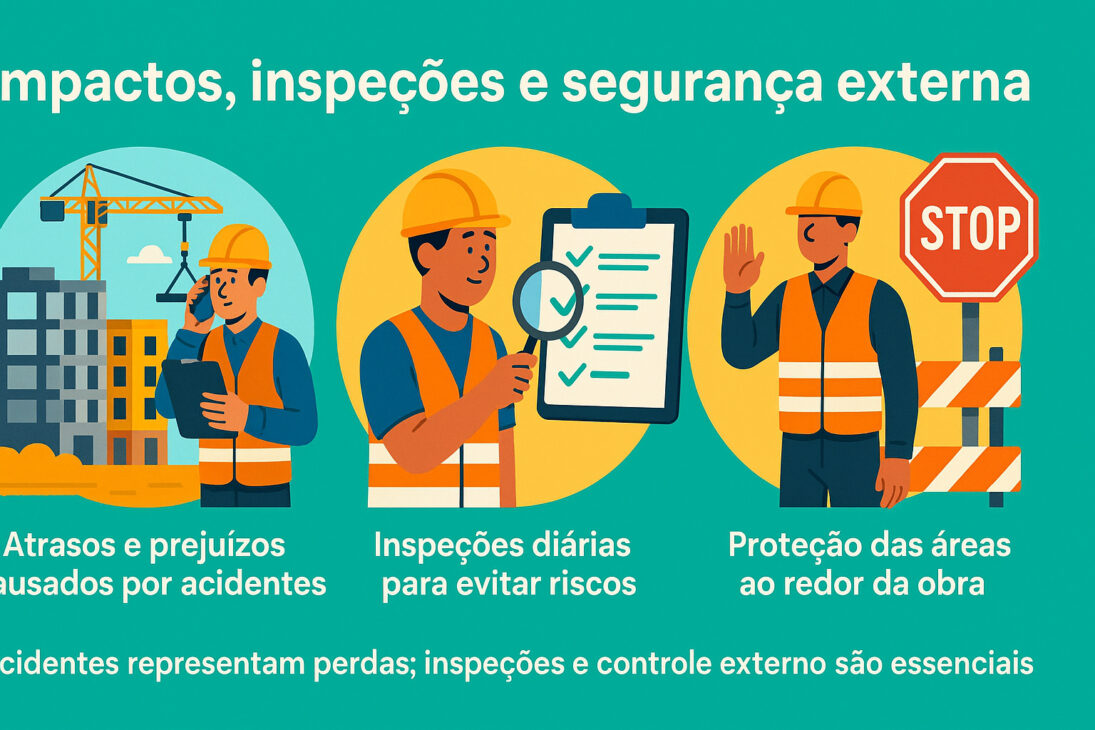
Safety also directly impacts project costs and schedules. According to IBSST, accidents result in delays, indemnities, and damage to the company’s reputation.
Therefore, investing in prevention is a decision of social responsibility and effective management.
Another important point is constant inspection. The Ministry of Labor warns that risks change with each phase of the project. What was safe at one moment may not be the next.
Thus, specialized teams conduct daily inspections, identify threats, and adjust procedures.
This routine generates records that prevent recurrences and ensure compliance with standards, facilitating audits.
Moreover, many large works are located in densely urban areas. Safety must protect pedestrians, drivers, and nearby residents.
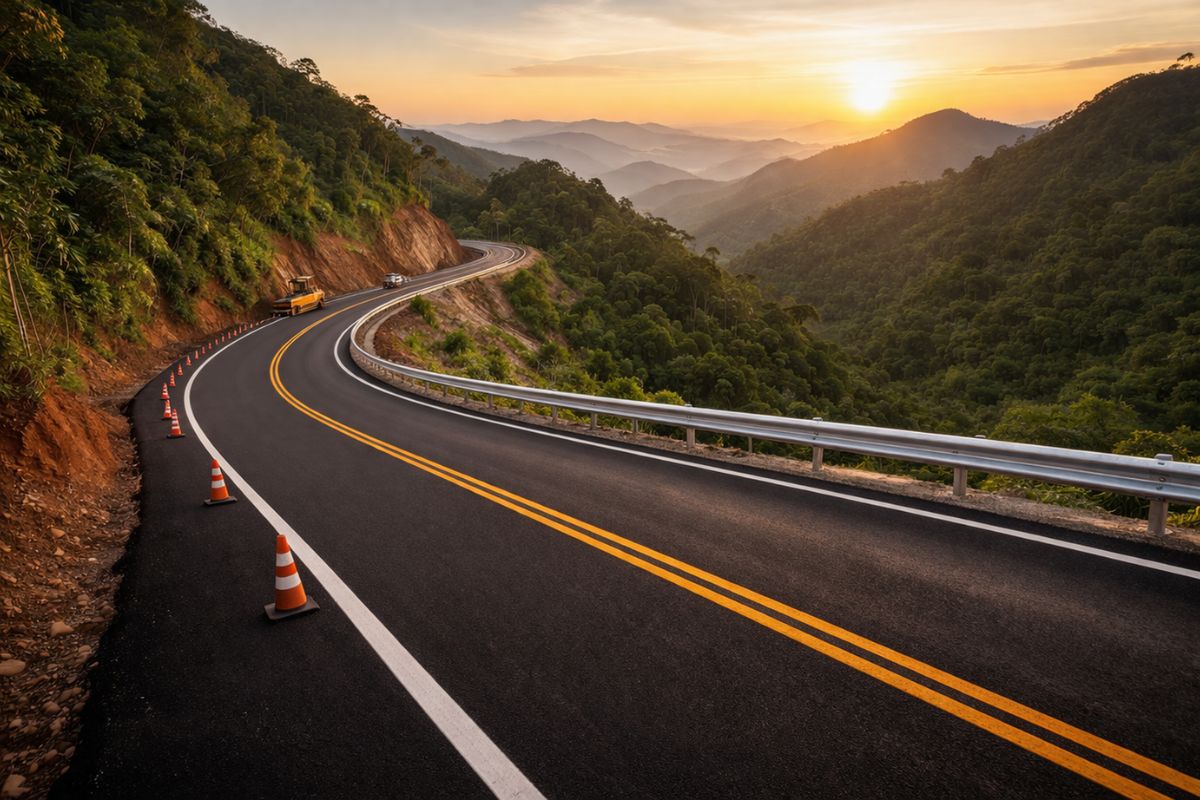
Physical barriers, signage, and strict traffic control inside and outside the site are essential to prevent external accidents.
According to the Brazilian Association of Civil Engineering, integrating internal and external safety is a constant but fundamental challenge for harmonious coexistence with the community.
Large Projects and Commitment to Ongoing Safety in Large Constructions
Finally, in large-scale projects like overpasses, hospitals, shopping centers, and sports arenas, the number of people and the complexity of activities require maximum attention.
Calculation errors, schedule failures, or adverse weather conditions can have serious impacts.
Therefore, developing a detailed contingency plan enhances safety and speeds up responses to emergencies.
Additionally, specialized teams monitor projects 24 hours a day, ensuring strict compliance with procedures.
This continuous oversight minimizes risks and protects everyone’s integrity.
Even after project completion, safety remains a priority.
The Ministry of Labor emphasizes that the delivery phase includes final inspections, structural tests, and verification of essential systems such as electrical and plumbing.
Only after rigorous approval is the structure released for use.
Thus, to conclude, safety in large constructions results from a collective, ongoing, and strategic effort.
It begins before the foundation and only ends when the last stage is successfully completed.
By adopting good practices, respecting standards, using technology, and valuing life, companies transform large projects into benchmarks of engineering and social responsibility.









Seja o primeiro a reagir!