





 Português
  Inglês
  Espanhol
  4 min de leitura
  0 comentários



Concrete Ships Were A Real Solution For The Naval Industry. From A French Invention To An Alternative In Times Of War, These Vessels Challenged Common Sense And Sailed Through Seas And Conflicts
When thinking about shipbuilding, concrete hardly comes to mind. Wood dominated navigation for centuries. Then came steel, with its strength and durability. But, as strange as it may seem, humanity also built concrete ships.
And there were many of them. For 150 years, this type of vessel was a real alternative, especially in times of war.
A French Idea In The 19th Century
The story began in the mid-19th century. A Frenchman named Joseph-Louis Lambot had a bold idea: to build a boat using concrete.
-
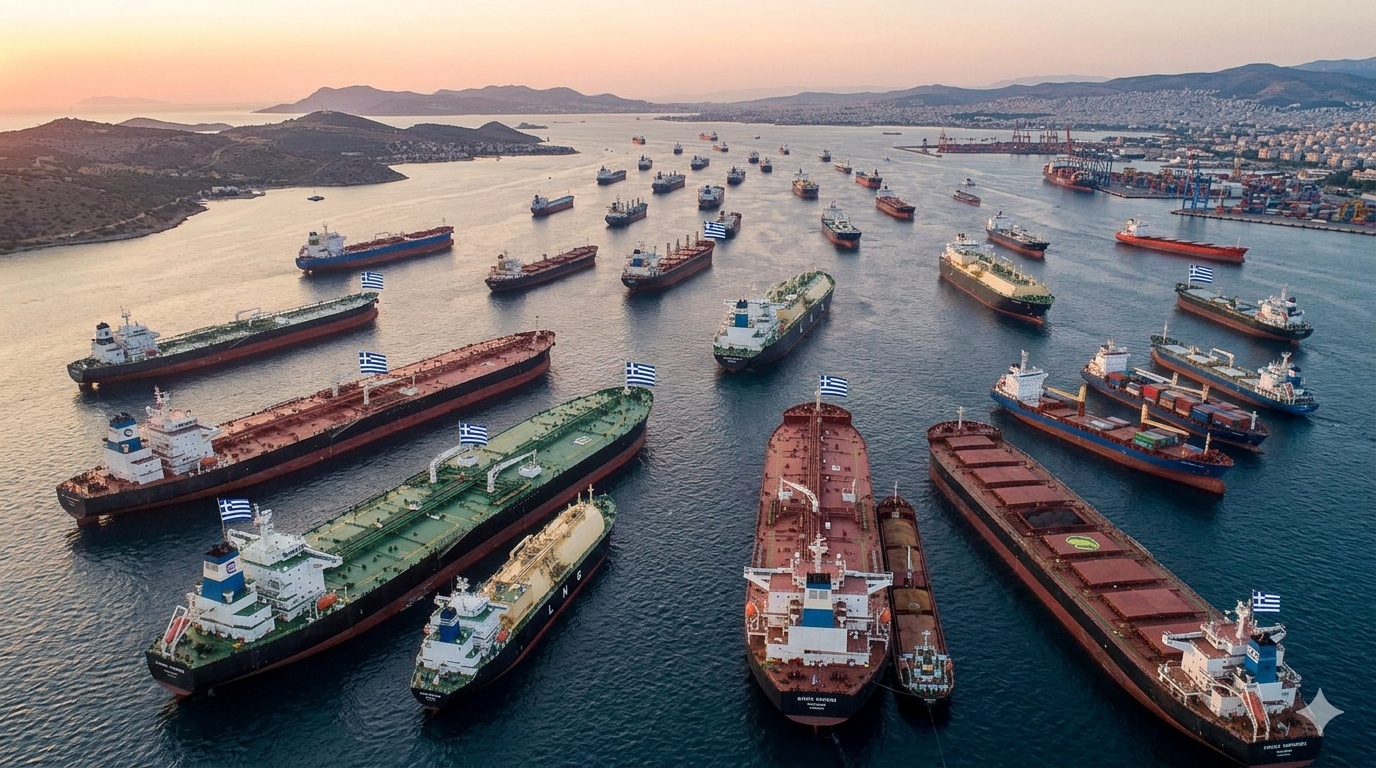
Neither the USA nor China: a small European nation has become one of the largest maritime powers on the planet, controlling one of the largest merchant fleets in the world with thousands of ships and dominating the global transportation of oil and strategic cargo.
-
Scotland and the United Kingdom have created a new anchoring system that floats in the water without touching the seabed, after discovering that the current from a conventional anchor destroys up to 50 m² of seagrass meadow per event and that ship-damaged reefs showed no signs of recovery even ten years later.

-
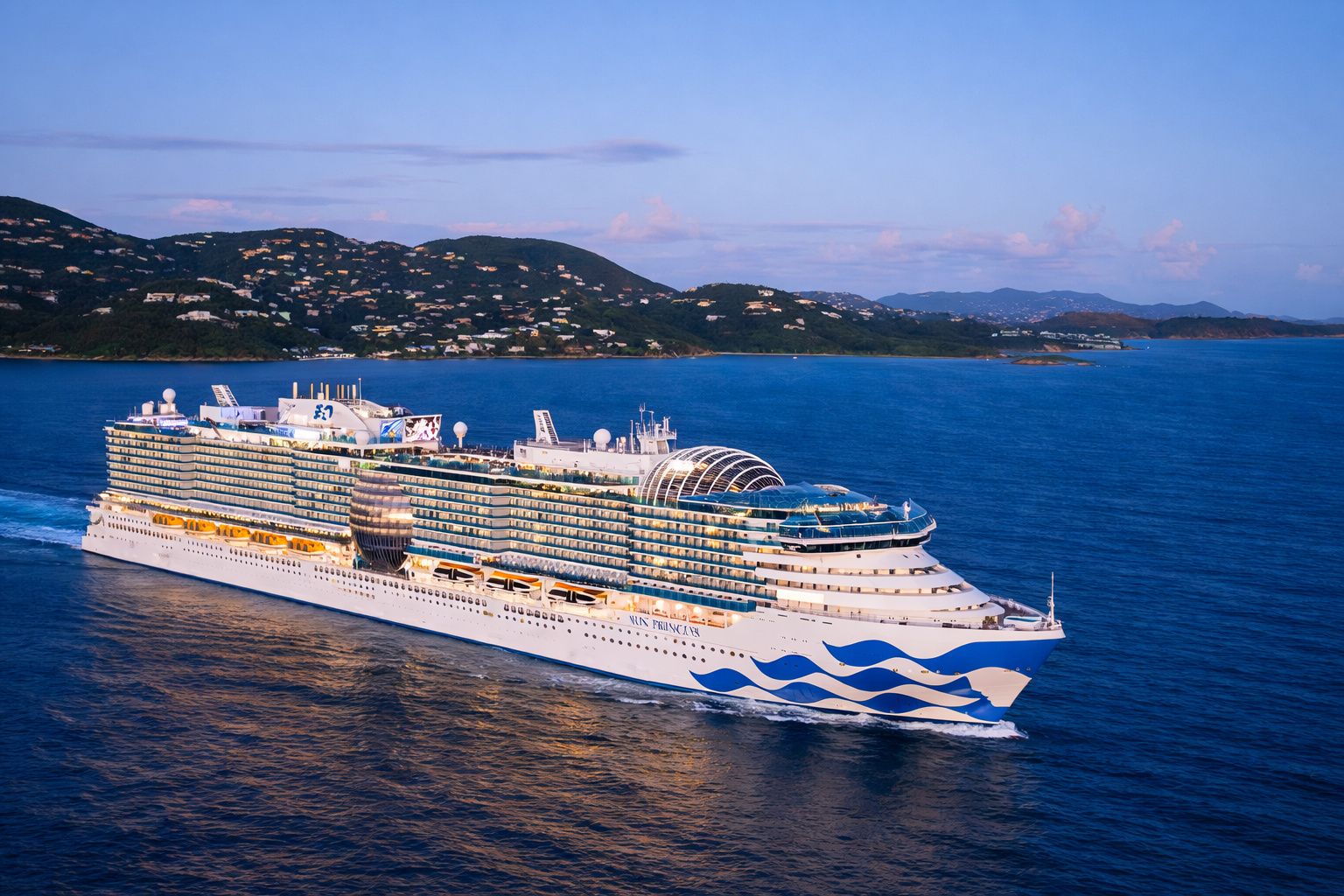
Weighing 175,500 Tons, Measuring 345 Meters Long, and With Capacity for Over 4,300 Passengers, the Sun Princess Becomes the Largest Ship Ever Built by Princess Cruises and Attracts Global Attention for Its Huge Glass Dome Inspired by Santorini’s Architecture Installed on Top of the Vessel
-
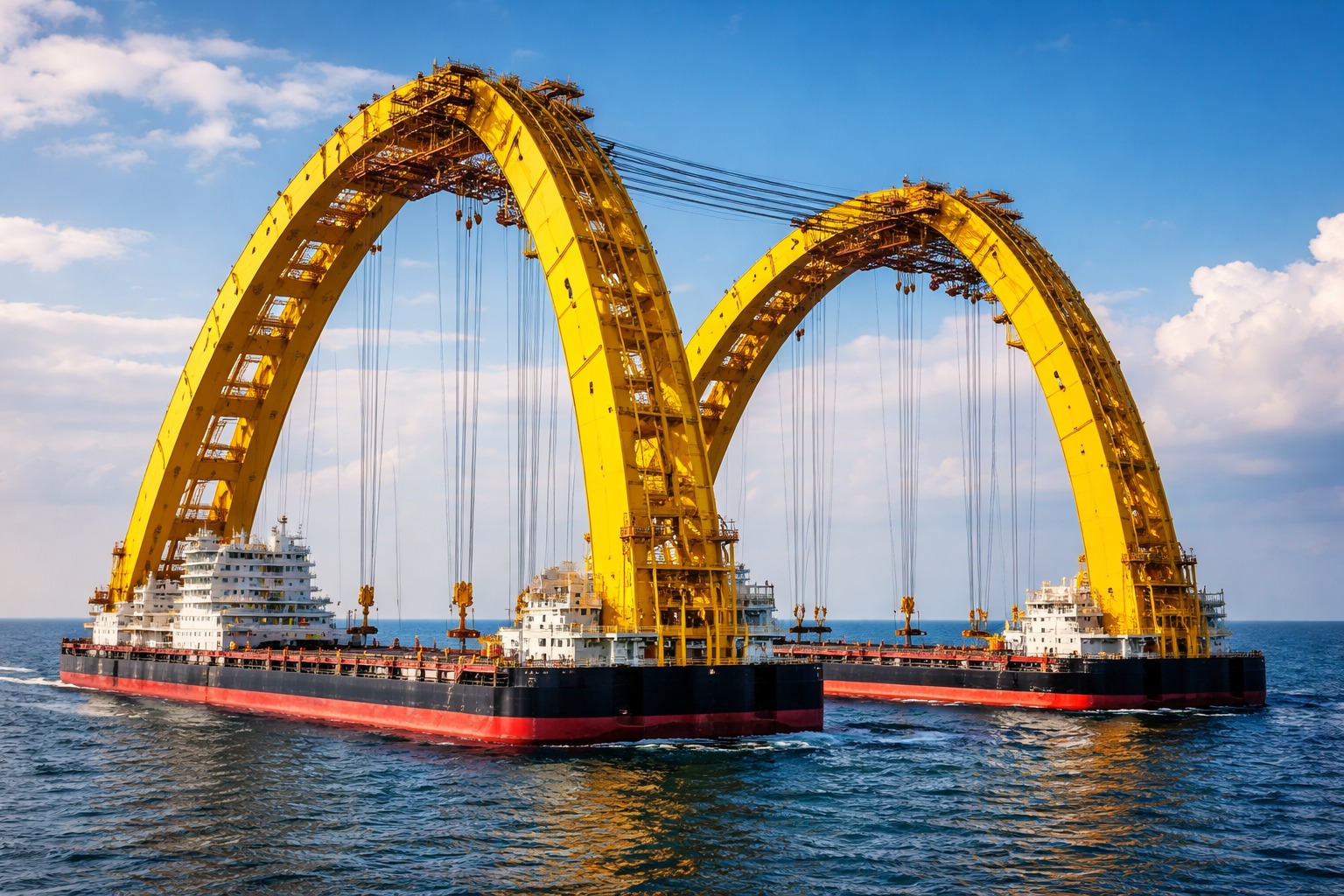
TX-10, The Colossus of The Sea: Largest Lifter Ship in The U.S., With Two Giant Barges, 73-Meter Tall Structure, and Strength to Raise 7,500 Tons of Sunken Oil Rigs

At the time, he was not yet familiar with reinforced concrete as we know it today, a mix of concrete and steel that provides great strength. Even so, Lambot proceeded with his project.
With a wire structure covered in cement, he wanted to completely replace wood. His invention attracted attention, but it did not become popular immediately. Some vessels were created for the canals of Europe, but nothing beyond that.
First Concrete Ship In Open Seas
Everything changed in 1896. The Italian engineer Carlo Gabellini built the Liguria, considered the first reinforced concrete boat to sail in open seas. It was a significant evolution.
Concrete had clear advantages: it resisted corrosion well, offered good thermal insulation, and nearly eliminated fire risks. This facilitated the transport of perishable goods and required less maintenance. From then on, the idea began to gain momentum, especially in cargo ships.
The Steel Shortage Drives Change
In 1914, with World War I, the demand for steel skyrocketed. Weapons, ammunition, and military vehicles required large amounts of the metal. There was a steel shortage for ships. The alternative? Concrete.
It was in this scenario that concrete ships gained traction. Norway was one of the first countries to jump on this bandwagon. In 1917, it launched the Namsenfjord, a 26-meter long ship, weighing 400 tons. It was proof that concrete could work in military environments.
The American Failure
The United States was impressed with the potential. They created the Emergency Fleet Corporation program, aiming to build 24 concrete ships. But the project failed. Most vessels were completed after the war ended.
One example was the SS Faith, launched in 1919, measuring over 97 meters in length. It eventually served in domestic transport and was sold to Cuba. The SS Selma, launched on the same day as the Treaty of Versailles, was used as an oil tanker in the Gulf of Mexico.
Disadvantages That Compromised The Idea
Despite the advantages, concrete ships had serious problems. The hull needed to be thicker to match the strength of steel. This meant heavier, slower ships with less internal space.
The engines needed to be more powerful, and the fuel tanks larger, which increased construction costs. Another issue was susceptibility to impacts. While metal is more elastic, concrete tends to crack. A collision could be fatal.
World War II And New Attempts
After World War I, concrete shipbuilding lost momentum. It was limited to cargo barges. But with World War II, the steel shortage returned. Once again, concrete ships became a viable solution.
However, the new U.S. program was more modest. The vessels were primarily used for logistical support and transportation of materials. They played an important role in the operations preceding the landings in Normandy.
The End Of The Concrete Ship Era
After World War II, concrete ships disappeared. There were occasional attempts, but none with lasting success. Some were repurposed as breakwaters, port defenses, or simply abandoned.
The SS Quartz, for example, was used in atomic bomb tests during Operation Crossroads at Bikini Atoll.
An Unexpected Utility
Despite the end of the concrete ship era, the material still finds use. In the Netherlands, for example, some floating homes use concrete foundations.
To protect the structures in case of flooding, they use wooden or metal fenders. Thus, even without sailing, concrete remains present in aquatic environments.
A Logical Solution In The Context Of War
Building concrete ships may seem absurd. But, in times of steel scarcity, the logic was different. Concrete provided a functional alternative.
It was not the perfect solution. It had clear limitations. But, for a significant period in history, these ships helped keep the world moving – and at war.
With information from MSN.









Seja o primeiro a reagir!